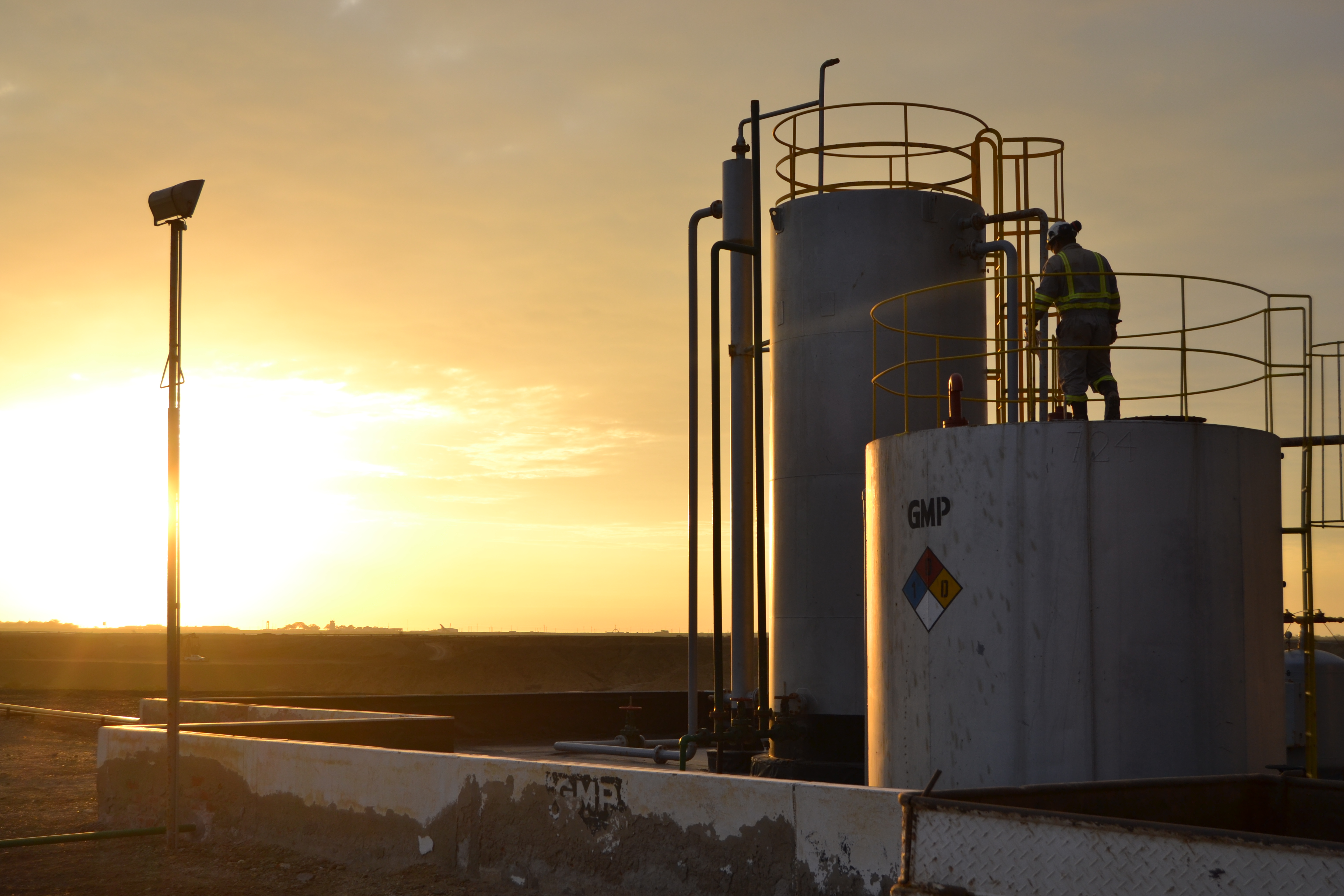
Talara sits on Peru's far northwestern coast, a compact city of 84 thousand people perched just 16 meters above sea level. Its warm, arid desert climate means minimal rainfall year-round, with hot and humid summers from December through March and mild, dry winters from June through August. For the few expats who settle here, the Centro neighborhood is the popular choice, offering the most practical access to daily life. The city's modest scale and straightforward layout make it easy to navigate, though the expat community itself remains very few in number.
Estimate the cost of moving to Talara, Peru
Get a free moving cost estimate for moving to Talara, Peru. Takes 10 seconds.
How much are you shipping?
When are you moving?
Powered by Sirelo. Free quotes from international movers.
🏚️ Cost of Living
A 1BR in the center runs about $435.84/mo. If your income is in another currency, bank FX fees add up. A multi-currency account can cut that cost.
Talara is a mid-sized oil industry town with moderate safety concerns. Day-to-day life feels relatively normal for residents and expats, but nighttime walkability is limited—most locals avoid walking alone after dark. The city has a working-class character with less tourist infrastructure than Peru's major cities, which means fewer organized scams but also less police presence in some areas. Safety varies significantly by neighborhood.
Petty theft and pickpocketing occur regularly, especially in markets and crowded areas. Armed robbery and home burglary are documented risks, particularly in outlying neighborhoods. Solo female travelers should exercise caution, especially at night and in less populated zones. Avoid displaying valuables, use registered taxis rather than hailing on the street, and stay aware of your surroundings. Gang activity exists but typically doesn't target expats directly.
Peru's national security challenges—including drug trafficking corridors and occasional civil unrest—indirectly affect Talara. Police presence is inconsistent, and corruption is a concern; don't expect rapid or reliable responses to minor crimes. Political protests occasionally disrupt daily life. For an American considering relocation, Talara is feasible if you're security-conscious, have local connections, and accept moderate inconvenience. It's not a top-tier expat destination but manageable for those with realistic expectations and established routines.
Talara has a safety index of 50/100. Petty theft and lost belongings are the most common problems for newcomers. Compare travel insurance before you go.
See how Talara's healthcare compares with Chiclayo
🌤️ Climate
Summer Temp
28°C
Winter Temp
22°C
Humidity
75%
Air Quality Index
45
Annual Rainfall
527 mm
Best Months
MayJunJulAugSep
Climate Notes
Talara has a warm, arid desert climate with minimal rainfall year-round; summers (December-March) are hot and humid while winters (June-August) are mild and dry, making it consistently warm but occasionally uncomfortable during the wet season.
💻 Digital Nomad
Avg Internet Speed
40 Mbps
Internet (monthly)
$20/mo
Coworking Availability
None
Coworking Spaces Nearby
0
Digital Nomad Score
52/100
Community Notes
Coastal life fueled by fishing and oil industries.
Located in the heart of Talara, this coworking space offers a convenient location and a professional atmosphere. It's a good option for digital nomads looking for a reliable workspace with basic amenities.
While technically in Piura, it's the closest established coworking space to Talara. It offers a more modern and equipped environment, suitable for those willing to commute for a better workspace experience. Check commute times before committing.
See how Talara's digital nomad life compares with Chiclayo
🧳 Expat Life
English Proficiency
Limited
Expat Community
Very Few
Top Neighborhoods
Centro
Banks Nearby
3
ATMs Nearby
2
Expat Life Notes
An oil-production city on the northern coast. Primarily industrial and functional.
Pros
✓ Oil sector jobs
✓ Seafood
Cons
✗ Industrial pollution
✗ Harsh desert climate
✗ Safety concerns
🏘️ Neighborhoods in Talara
Areas of Talara that expats often consider.
Conditions can change from one block to the next, and these descriptions are general guides, not safety assessments. Before choosing where to stay or live, check current travel advisories, talk to people who live there, and visit in person if you can.
Talara Centro
Bustling commercial and civic heart
The city center is where you'll find most shops, restaurants, and government offices. It's a lively area, but can be noisy and crowded. While convenient, it might not be the most tranquil option for long-term living, but it is very accessible.
Los Pinos
Quiet residential family area
Los Pinos is a more residential neighborhood, offering a quieter atmosphere. It's primarily inhabited by local families. While less touristy, English proficiency may be limited, requiring some Spanish language skills.
Miramar
Ocean views, relaxed atmosphere
Miramar offers stunning ocean views and a more relaxed pace of life. It's a popular choice for those seeking a coastal lifestyle. Expect to pay a premium for the views, and be aware that some areas can be exposed to strong winds.
San Pedro
Local fishing community vibe
San Pedro is a traditional fishing neighborhood with a strong local character. It offers a glimpse into the authentic Talara lifestyle. While affordable, it may lack some modern amenities and English is unlikely to be widely spoken.
Villa Primavera
Modern, growing residential district
Villa Primavera is a newer residential area with modern housing options. It's a bit further from the city center, offering a quieter environment. Transportation is essential as walkability is limited.
Acapulco
Beach access, tourist-oriented area
Acapulco is known for its beach access and tourist-oriented services. It can be lively, especially during peak season. Prices may be slightly higher due to tourism, but English is more commonly spoken.
Page 1 of 2
Could living/working in Talara cut years off your work life?
With a 1-bedroom in the center at $436/mo, your FIRE number here might be much lower than you think.
Talara has a population of approximately 84,373 people.
A single person can expect to spend around $1,090 per month in Talara, including rent. A 1-bedroom apartment in the city center costs approximately $436/month.
The nearest airport to Talara is TYL, approximately 2.5km away.
Talara is considered moderate in terms of safety, with a safety index of 50.0. As with any city abroad, expats should research specific neighborhoods before committing to a location.
Talara has an average internet speed of 40 Mbps. It is not yet considered a well-established digital nomad destination.
Internet exists but is inconsistent. Movistar and Claro offer home broadband (3–10 Mbps typical), adequate for email and video calls but unreliable for heavy streaming or large uploads. Coworking spaces are nonexistent. Have a backup mobile hotspot plan.
Tiny and transient—mostly oil company employees on 2–3 year contracts. No established expat bars, groups, or social infrastructure. If you're seeking community, this isn't it. You'll need to build friendships with locals or other contract workers, which requires Spanish fluency and patience.
You can live comfortably in Talara on $1200-$1800 USD per month, depending on your lifestyle. Rent for a decent apartment near Playa Pocitas ranges from $400-$700, groceries are relatively inexpensive, and eating out at local restaurants costs around $10-$20 per meal.
As a tourist, you can initially enter Peru visa-free for up to 183 days. For longer stays, consider a Rentista visa (proof of monthly income) or an Investor visa (significant investment in a Peruvian business). Consult with a Peruvian immigration lawyer for the most up-to-date requirements.
Healthcare in Talara is adequate, but not as advanced as in Lima. While some doctors have basic English skills, it's best to learn some Spanish. Consider private health insurance for access to better facilities and potentially English-speaking doctors in nearby Piura.
Generally, the areas around Playa Pocitas and near the city center are considered safer. Avoid the outskirts of town, especially at night. Always be aware of your surroundings and take precautions against petty theft.
While you can get by with basic Spanish, learning more will significantly improve your quality of life. Many locals don't speak English, so knowing Spanish is essential for daily interactions, navigating services, and building relationships.
Major Peruvian banks like BCP and Interbank have branches in Talara. Opening an account requires a Peruvian address and your passport. Services like Wise (formerly TransferWise) are generally the easiest and cheapest way to transfer money internationally.
Internet speeds in Talara are generally reliable enough for most remote work tasks, but not exceptionally fast. Expect speeds around 20-50 Mbps. Check with your specific provider in your neighborhood for guaranteed speeds.
Talara has a desert climate, meaning it's hot and dry year-round. Expect sunshine almost every day, with temperatures ranging from 70°F to 90°F (21°C to 32°C). There's very little rainfall, so pack light, breathable clothing.
Getting around Talara is relatively easy using mototaxis (tuk-tuks) and taxis, which are inexpensive. Buses also connect different parts of the city. Renting a car is an option, but not necessary for most expats.
As a US citizen, you're still required to file US taxes even when living abroad. You may be able to exclude a significant portion of your income using the Foreign Earned Income Exclusion (FEIE). Also, be aware of FBAR reporting requirements for foreign bank accounts.
Yes, Talara can be a viable option for early retirement on $2000 USD per month, especially if you're comfortable living a simple lifestyle. You'll have enough to cover rent, food, healthcare, and some leisure activities, but you'll need to budget carefully.
While you can manage with limited Spanish, your quality of life will be significantly better if you learn the language. Expect a slower pace of life, friendly locals, and a focus on family and community. Be prepared for occasional cultural differences and power outages.
Coworking spaces are limited in Talara itself. You might find some options in nearby Piura, but most digital nomads in Talara work from home or cafes with Wi-Fi. Consider investing in a good mobile hotspot as a backup.
Cost-of-living and visa updates for Talara and the rest of Peru. Free with RA Postcards.
By submitting your email address, you will receive a free subscription to RA Postcards and special offers from Rewire Abroad and our affiliates. You can unsubscribe at any time, and we encourage you to read more about our Privacy Policy.