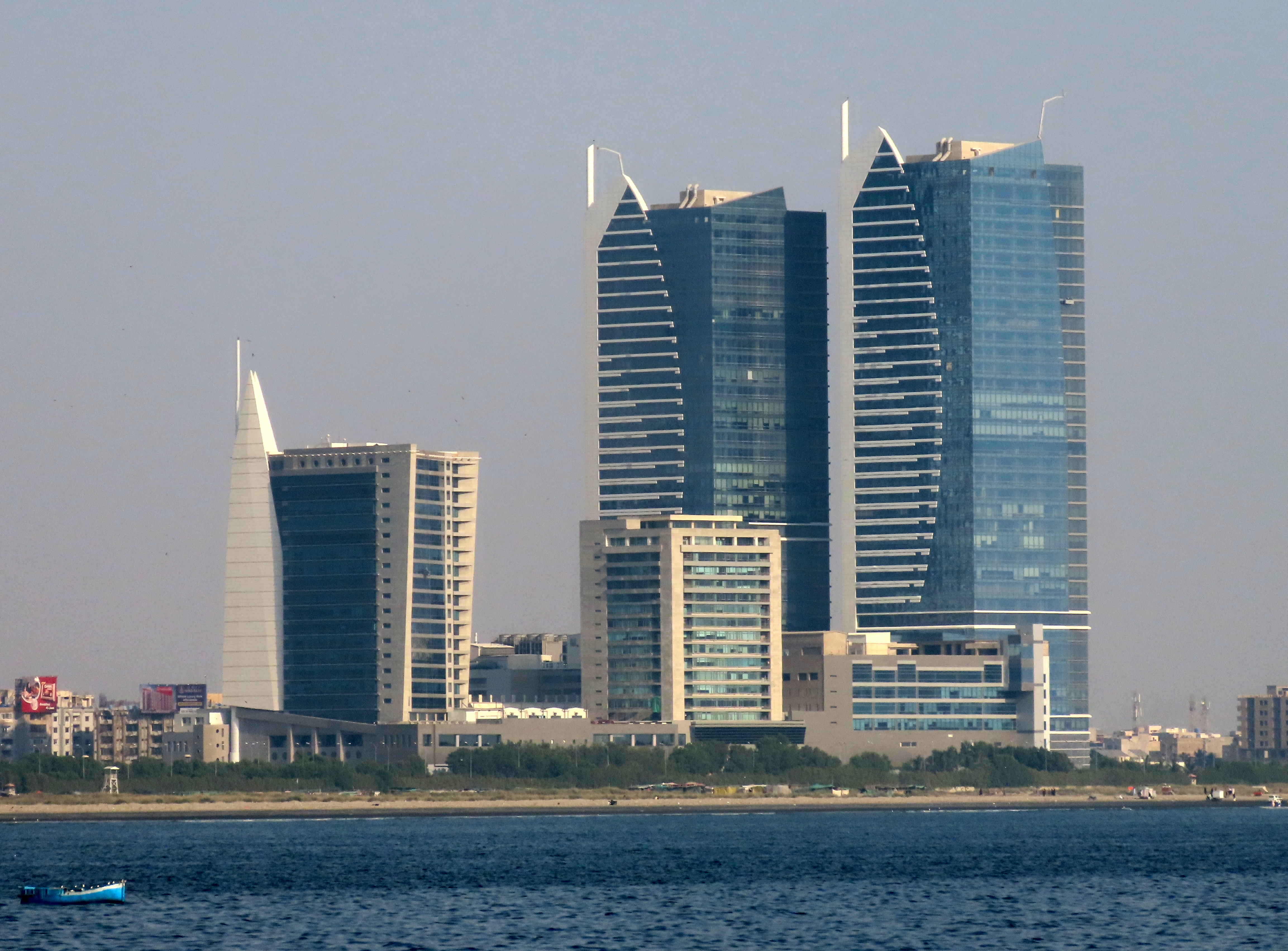
Pakistan's economic engine runs through this city. Karachi generates roughly 25% of the country's entire GDP — somewhere between $190–200 billion on a PPP basis — and collects 35% of national tax revenue. Nearly every multinational operating in Pakistan has its headquarters here, and the two seaports handle 95% of the country's foreign trade. Finance, textiles, manufacturing, and logistics dominate. If you're working remotely or running a business that touches Pakistani markets, this is the only city that makes operational sense.
A one-bedroom in the city center runs around $180/month, which is genuinely low even by South Asian standards. Healthcare is a split reality: private hospitals like Aga Khan University Hospital are legitimately world-class, while public facilities are underfunded and overcrowded. Urdu is essential — English gets you through business and educated circles, but daily life without Urdu is friction-heavy. Bureaucracy for visa extensions and residency paperwork is slow and opaque. Traffic is brutal with no functional metro system, so budget time and a driver if you can afford one.
Summers are punishing — 35–42°C from May through August, with humidity off the Arabian Sea making it worse. Winters from November to February are genuinely pleasant at 18–25°C. The food scene is exceptional and cheap: karahi, biryani, and seafood at a level that embarrasses most regional competitors. The expat community is small and mostly corporate — UN staff, NGO workers, business executives. Weekends mean private clubs, beach visits at Hawksbay or French Beach, or dinner circuits. Security has improved measurably since 2013, but a Safety Index of 35 means situational awareness is non-negotiable. This city suits corporate expats on packages, remote workers with high risk tolerance, and anyone with deep professional ties to Pakistan's economy.
Estimate the cost of moving to Karachi, Pakistan
Get a free moving cost estimate for moving to Karachi, Pakistan. Takes 10 seconds.
How much are you shipping?
When are you moving?
Powered by Sirelo. Free quotes from international movers.
🏚️ Cost of Living
💰 Budgets and Costs
$329/mo, one person, rent included
Selected: budget lifestyle
Karachi on a budget budget comes to about $329 a month for one adult, with $140 of that going to rent. Beyond rent the estimate covers $52.00 on groceries, $3.00 on dining out, $9.00 on entertainment and lifestyle and $125 on utilities and connectivity.
Rent
$140/mo
1BR outside the centre
Groceries
$52.00/mo
75% of mid-range grocery spend
Dining out
$3.00/mo
4 inexpensive meals
Entertainment & lifestyle
$9.00/mo
1 cinema trip, 8 cappuccinos
Utilities & connectivity
$125/mo
utilities, mobile, internet
Budgets (excl. rent)
Single person$189/mo
Excludes rent. The total above is all-in, rent included.
$356/mo, one person, rent included
Selected: mid-range lifestyle
Karachi on a mid-range budget comes to about $356 a month for one adult, with $140 of that going to rent. Beyond rent the estimate covers $69.00 on groceries, $7.00 on dining out, $15.00 on entertainment and lifestyle and $125 on utilities and connectivity.
Rent
$140/mo
1BR outside the centre
Groceries
$69.00/mo
Staples basket scaled to a full month
Dining out
$7.00/mo
10 inexpensive meals
Entertainment & lifestyle
$15.00/mo
2 cinema trips, 12 cappuccinos
Utilities & connectivity
$125/mo
utilities, mobile, internet
Budgets (excl. rent)
Single person$216/mo
Excludes rent. The total above is all-in, rent included.
$456/mo, one person, rent included
Selected: comfortable lifestyle
Karachi on a comfortable budget comes to about $456 a month for one adult, with $180 of that going to rent. Beyond rent the estimate covers $97.00 on groceries, $26.00 on dining out, $28.00 on entertainment and lifestyle and $125 on utilities and connectivity.
Rent
$180/mo
1BR in the centre
Groceries
$97.00/mo
140% of mid-range grocery spend
Dining out
$26.00/mo
6 inexpensive meals + 6 mid-range meals
Entertainment & lifestyle
$28.00/mo
4 cinema trips, 20 cappuccinos
Utilities & connectivity
$125/mo
utilities, mobile, internet
Budgets (excl. rent)
Single person$276/mo
Excludes rent. The total above is all-in, rent included.
Estimates for one adult, built from this city's average prices and the usage shown for each tier. Your spending will differ with how often you eat out and where you live.
A 1BR in the center runs about $180/mo. If your income is in another currency, bank FX fees add up. A multi-currency account can cut that cost.
Karachi's safety reputation is worse than day-to-day reality for most expats in secure residential areas, though caution is warranted. Walkability at night is limited outside affluent neighborhoods like Defence, Clifton, and Gulshan-e-Iqbal; most expats rely on private transport. The city feels chaotic and congested rather than inherently dangerous, but petty crime and occasional violence mean situational awareness is essential, not optional.
Petty theft, phone snatching, and opportunistic robbery are common, especially in crowded markets and public transport. Avoid displaying wealth, traveling alone late at night, or using unmarked taxis. Women face harassment and should dress conservatively; solo female expats report feeling safer in organized expat communities. Kidnapping for ransom, while rare for foreigners, remains a documented risk in certain areas and contexts.
Pakistan's political instability, sectarian tensions, and occasional protests create unpredictable security spikes. Police corruption is widespread, and reliability varies; expats typically rely on private security or employer networks rather than law enforcement. Karachi is manageable for experienced expats with security awareness and local networks, but it's not suitable for those seeking a relaxed, low-stress retirement abroad. Serious consideration of personal risk tolerance is required.
Karachi has a safety index of 35/100. Petty theft and lost belongings are the most common problems for newcomers. Compare travel insurance before you go.
See how Karachi's digital nomad life compares with Haripur
🧳 Expat Life
English Proficiency
Limited
Expat Community
Large & Active
Top Neighborhoods
Clifton, DHA, PECHS
Banks Nearby
930
ATMs Nearby
159
Expat Life Notes
Pakistan's largest city is a massive financial hub with a large but socially secluded expat community.
Pros
✓ Major international business hub
✓ Vibrant dining and retail enclaves
✓ Low living costs
Cons
✗ Significant security risks
✗ Severe traffic and air pollution
✗ Extreme humidity
🏘️ Neighborhoods in Karachi
Notable areas of Karachi, with descriptions adapted from public reference sources. Rent figures are Numbeo's city-wide averages, not prices for a specific area.
Conditions can change from one block to the next, and these descriptions are general guides, not safety assessments. Before choosing where to stay or live, check current travel advisories, talk to people who live there, and visit in person if you can.
Nazimabad
Nazimabad is a suburb of Karachi, Pakistan, established in 1952 and named for Khawaja Nazimuddin, the second Governor General of Pakistan. It lies in Liaquatabad Town. Abbasi Shaheed Hospital, in Nazimabad No. 5, has a 24/7 emergency and trauma facility. The Karachi Matriculation Board is also in Nazimabad No. 5, and the densely populated colony Paposh Nagar is located in Nazimabad.
Numbeo city average, outside-center: $140 (updated Oct 8, 2026)
Karachi has a population of approximately 14,910,352 people.
A single person can expect to spend around $450 per month in Karachi, including rent. A 1-bedroom apartment in the city center costs approximately $180/month.
The nearest airport to Karachi is KHI, approximately 7.5km away.
Karachi is considered a higher-crime area that requires caution, with a safety index of 35.0. As with any city abroad, expats should research specific neighborhoods before committing to a location.
Karachi has an average internet speed of 20 Mbps. It is considered a well-established digital nomad destination.
Pakistan doesn't offer a straightforward expat residency visa. Most foreigners stay on business visas (renewable but bureaucratically painful) or are sponsored by an employer. The National Identity Card for Overseas Pakistanis (NICOP) applies only to those with Pakistani heritage. Expect slow processing, inconsistent requirements, and the strong likelihood you'll need a local fixer or lawyer to navigate renewals.
A comfortable but not extravagant lifestyle in a safe neighborhood like DHA or Clifton runs $800–1,500/month including rent, food, transport, and private healthcare. A one-bedroom in the city center averages around $180/month, though expat-standard apartments in DHA run $300–500. Eating local keeps food costs under $150/month easily. The main cost spike is private schooling if you have children, which can run $500–1,200/month at international schools.
For budget-conscious expats, consider areas like Gulshan-e-Iqbal or North Nazimabad. You can find apartments for rent at significantly lower prices compared to more upscale areas, while still having access to essential amenities and transportation.
Internet connectivity in Karachi is generally reliable, especially in major residential and commercial areas. You can expect speeds suitable for video conferencing and other remote work tasks, but it's wise to have a backup plan like a mobile hotspot in case of occasional outages.
Karachi has a hot, arid climate with a long summer season from March to October. Pack lightweight, breathable clothing, sunscreen, and a hat. The winter months (November to February) are mild and pleasant, requiring light jackets or sweaters.
Yes, you can find English-speaking doctors and reputable hospitals in Karachi, particularly in areas like Clifton and Defence. Aga Khan University Hospital and Liaquat National Hospital are known for their quality of care and international standards.
Getting around Karachi without a car can be challenging but manageable. Options include ride-hailing services like Careem and Uber, local buses, and auto-rickshaws. Be prepared for traffic congestion, especially during peak hours.
While not as large as in some other major Asian cities, Karachi has a decent-sized expat community, primarily consisting of professionals working in various industries. You can connect with other expats through online forums, social groups, and international schools.
As a US citizen, you're still required to file US taxes even while living abroad. You may be eligible for the Foreign Earned Income Exclusion (FEIE) or the Foreign Tax Credit. Also, be aware of FBAR and FATCA reporting requirements if you have foreign bank accounts.
It's generally safe to use ATMs in Karachi, especially those located inside banks or in well-lit, populated areas. ATM fees vary depending on the bank, but expect to pay around $2-$5 USD per transaction. Inform your bank before traveling to avoid any issues with your card.
Karachi can be a bustling and chaotic city, which may not appeal to all retirees. However, if you embrace the local culture and find a comfortable neighborhood, you can enjoy a slower pace of life. Many retirees appreciate the affordable cost of living and access to local markets and cultural experiences.
Yes, Karachi offers a significantly lower cost of living compared to the US, allowing you to stretch your pension or Social Security income further. Housing, food, transportation, and entertainment are all generally more affordable, making it a viable option for retirees on a fixed income.
Karachi is a food lover's paradise! Be sure to try local favorites like biryani, nihari, haleem, and seekh kebabs. Don't miss out on the street food scene, especially in areas like Burns Road, where you can find a variety of delicious and affordable options.
Several international and local banks operate in Karachi, including Standard Chartered, Habib Bank Limited (HBL), and MCB Bank. Transferring money internationally is relatively easy through services like Wise (formerly TransferWise), Remitly, or direct bank transfers, but be mindful of exchange rates and fees.
Karachi could be viable for early retirement on $2500 USD per month, but it requires careful budgeting and lifestyle adjustments. You'd likely need to live outside the most expensive neighborhoods and be mindful of healthcare costs. It's doable, but research and planning are crucial.
While Urdu is the national language, English is widely spoken in Karachi, especially in business and professional settings. You can easily get by in most situations, but learning some basic Urdu phrases will definitely enhance your experience and interactions with locals.
Cost-of-living and visa updates for Karachi and the rest of Pakistan. Free with RA Postcards.
By submitting your email address, you will receive a free subscription to RA Postcards and special offers from Rewire Abroad and our affiliates. You can unsubscribe at any time, and we encourage you to read more about our Privacy Policy.