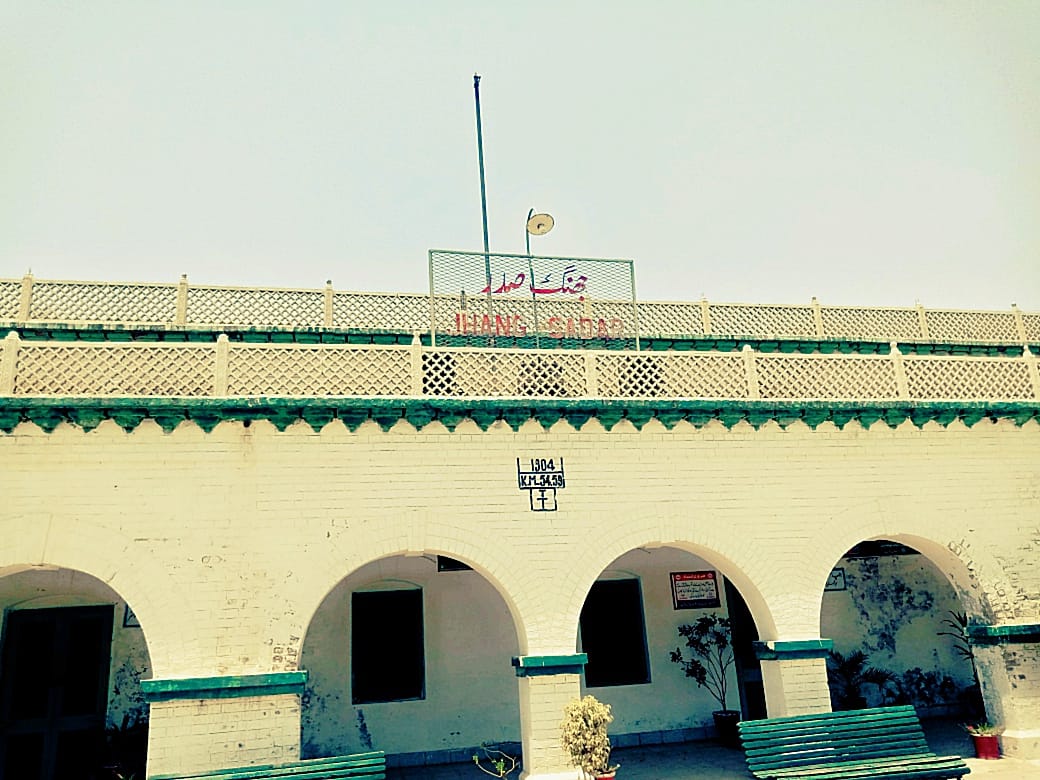
Agriculture dominates the local economy, with wheat, cotton, and sugarcane cultivation driving employment across the Chenab River valley. Textile manufacturing provides the main industrial jobs, though opportunities remain limited compared to Lahore or Karachi. Most residents work in farming, small trade, or government positions. The job market for expats is practically nonexistent unless you're involved in agricultural development projects or have specific textile industry connections. Economic growth has been steady but modest, reflecting Pakistan's broader agricultural sector trends.
Rent averages $140/month for a one-bedroom in the city center, making housing genuinely affordable by any standard. Public transport consists of rickshaws and local buses, though owning a motorbike becomes essential for reliable mobility. Healthcare facilities are basic — you'll need to travel to Lahore or Faisalabad for serious medical issues. Urdu is essential for daily life; English gets you nowhere with most locals. Government bureaucracy moves at typical Pakistani pace, meaning patience is mandatory for any official processes.
Summers hit 45°C regularly while winters stay pleasant around 15-20°C, making April and October the only truly comfortable months. Food centers on traditional Punjabi cuisine with limited international options — expect lots of rice, lentils, and meat dishes. The expat community is virtually nonexistent; you'll be integrating with local Pakistani society or staying quite isolated. Weekends mean visiting agricultural areas, the Chenab riverbank, or traveling to larger cities for entertainment. This suits agricultural professionals, development workers, or those seeking deep cultural immersion in rural Pakistan.
Estimate the cost of moving to Jhang, Pakistan
Get a free moving cost estimate for moving to Jhang, Pakistan. Takes 10 seconds.
How much are you shipping?
When are you moving?
Powered by Sirelo. Free quotes from international movers.
🏚️ Cost of Living
💰 Budgets and Costs
$272/mo, one person, rent included
Selected: budget lifestyle
Jhang on a budget budget comes to about $272 a month for one adult, with $36.00 of that going to rent. Beyond rent the estimate covers $52.00 on groceries, $10.00 on dining out, $25.00 on entertainment and lifestyle and $149 on utilities and connectivity.
Rent
$36.00/mo
1BR outside the centre
Groceries
$52.00/mo
75% of mid-range grocery spend
Dining out
$10.00/mo
4 inexpensive meals
Entertainment & lifestyle
$25.00/mo
1 cinema trip, 8 cappuccinos
Utilities & connectivity
$149/mo
utilities, mobile, internet
Budgets (excl. rent)
Single person$236/mo
Excludes rent. The total above is all-in, rent included.
$331/mo, one person, rent included
Selected: mid-range lifestyle
Jhang on a mid-range budget comes to about $331 a month for one adult, with $36.00 of that going to rent. Beyond rent the estimate covers $69.00 on groceries, $25.00 on dining out, $52.00 on entertainment and lifestyle and $149 on utilities and connectivity.
Rent
$36.00/mo
1BR outside the centre
Groceries
$69.00/mo
Staples basket scaled to a full month
Dining out
$25.00/mo
10 inexpensive meals
Entertainment & lifestyle
$52.00/mo
gym, 2 cinema trips, 12 cappuccinos
Utilities & connectivity
$149/mo
utilities, mobile, internet
Budgets (excl. rent)
Single person$295/mo
Excludes rent. The total above is all-in, rent included.
$459/mo, one person, rent included
Selected: comfortable lifestyle
Jhang on a comfortable budget comes to about $459 a month for one adult, with $72.00 of that going to rent. Beyond rent the estimate covers $97.00 on groceries, $59.00 on dining out, $82.00 on entertainment and lifestyle and $149 on utilities and connectivity.
Rent
$72.00/mo
1BR in the centre
Groceries
$97.00/mo
140% of mid-range grocery spend
Dining out
$59.00/mo
6 inexpensive meals + 6 mid-range meals
Entertainment & lifestyle
$82.00/mo
gym, 4 cinema trips, 20 cappuccinos
Utilities & connectivity
$149/mo
utilities, mobile, internet
Budgets (excl. rent)
Single person$387/mo
Excludes rent. The total above is all-in, rent included.
Estimates for one adult, built from this city's average prices and the usage shown for each tier. Your spending will differ with how often you eat out and where you live.
A 1BR in the center runs about $71.83/mo. If your income is in another currency, bank FX fees add up. A multi-currency account can cut that cost.
Jhang is a mid-sized industrial city in Punjab with moderate safety concerns for expats. Daytime movement is generally manageable, though the city lacks the infrastructure and police presence of larger metros like Lahore. Night-time walkability is limited; most expats rely on private transport. The city's reputation is mixed—it's not a major security hotspot, but it's also not considered particularly welcoming to foreigners, and visibility as an expat can attract unwanted attention.
Petty theft, motorcycle snatching, and opportunistic robbery are the primary concerns, particularly in crowded bazaars and near transport hubs. Avoid displaying valuables, walking alone after dark, and traveling through unfamiliar neighborhoods on foot. Solo female expats face additional harassment risks and should exercise heightened caution. Scams targeting foreigners are less common here than in tourist areas, but financial fraud and overcharging are routine. The city has limited expat infrastructure, meaning fewer established safe zones.
Jhang has experienced sectarian tensions historically, though current violence is sporadic rather than endemic. Police corruption is significant, and their reliability in emergencies is inconsistent. Political protests occasionally disrupt daily life. For an American considering relocation, Jhang is feasible only with strong local connections, security awareness, and acceptance of genuine constraints on freedom of movement. It's better suited to those with professional anchors (NGO work, business) than retirees seeking leisure. Lahore or Islamabad are substantially safer alternatives.
Jhang has a safety index of 38/100. Petty theft and lost belongings are the most common problems for newcomers. Compare travel insurance before you go.
Jhang has a continental climate with scorching, dry summers (May-September) reaching 40°C+, mild winters (December-February) around 10-15°C, and significant air quality challenges year-round due to agricultural burning and industrial pollution.
💻 Digital Nomad
Avg Internet Speed
22.5 Mbps
Internet (monthly)
$16/mo
Coworking Availability
None
Coworking Spaces Nearby
0
Digital Nomad Score
46/100
Community Notes
Remote and traditional, with limited nomad appeal.
Located in the Model Town area, The Desk Jhang offers a basic but functional coworking environment. It's a good option for budget-conscious digital nomads looking for a simple workspace with internet access and a community feel.
Situated near the city center, WorkSpace Jhang provides a modern coworking space with essential amenities. It's a suitable choice for remote workers seeking a professional environment with reliable internet and printing facilities.
See how Jhang's digital nomad life compares with Gilgit
🧳 Expat Life
English Proficiency
Limited
Expat Community
None
Top Neighborhoods
None
Banks Nearby
7
ATMs Nearby
1
Expat Life Notes
A rural administrative city in Punjab; relocation is not a standard expat choice.
Pros
✓ Low cost of living
Cons
✗ Zero expat infrastructure
✗ Significant language barrier
✗ Extreme heat
🏘️ Neighborhoods in Jhang
Areas of Jhang that expats often consider.
Conditions can change from one block to the next, and these descriptions are general guides, not safety assessments. Before choosing where to stay or live, check current travel advisories, talk to people who live there, and visit in person if you can.
Satellite Town
Planned residential, family-oriented
Satellite Town is a well-organized residential area with parks and schools. It's primarily inhabited by middle-class families. While not specifically geared towards expats, it offers a safe and relatively quiet environment, though English proficiency may be limited.
Civil Lines
Historically significant, administrative hub
Civil Lines is where many government offices are located and often has better infrastructure than other parts of the city. It's a relatively upscale area compared to the rest of Jhang. While not many expats reside here, it could be suitable for those seeking proximity to administrative functions, but expect limited English spoken.
Model Town
Modern housing, developing area
Model Town is a newer residential development with modern housing options. It's still under development, so expect some construction. It's unlikely to have an expat community, and language barriers could be significant.
Jhang City Center (Main Bazaar)
Bustling commercial, traditional market
The city center is the heart of Jhang's commercial activity. It's a vibrant and crowded area with traditional markets. Living here would offer an immersive cultural experience, but it's not recommended for those seeking peace and quiet or easy access to English speakers.
Chenab Nagar (Rabwah)
Planned community, distinct culture
Chenab Nagar, formerly known as Rabwah, is a town near Jhang with a distinct cultural identity. It's a planned community with a unique atmosphere. While not an expat hub, it offers a different perspective on life in Pakistan, but cultural sensitivity is essential.
Page 1 of 2
Could living/working in Jhang cut years off your work life?
With a 1-bedroom in the center at $72/mo, your FIRE number here might be much lower than you think.
Jhang has a population of approximately 414,131 people.
A single person can expect to spend around $180 per month in Jhang, including rent. A 1-bedroom apartment in the city center costs approximately $72/month.
The nearest airport to Jhang is LHE, approximately 200km away.
Jhang is considered a higher-crime area that requires caution, with a safety index of 38.0. As with any city abroad, expats should research specific neighborhoods before committing to a location.
Jhang has an average internet speed of 22.5 Mbps. It is not yet considered a well-established digital nomad destination.
Jhang has a safety index of 38, indicating moderate security concerns. Foreign residents should maintain low profiles, avoid political gatherings, and coordinate with local authorities. The city is generally safer than major urban centers but requires cultural sensitivity and security awareness.
Job opportunities for expats are extremely limited, mainly restricted to agricultural development projects, textile industry consulting, or NGO work. Most positions require specific expertise in agriculture or manufacturing, with very few international companies operating locally.
Daily life without Urdu is very challenging in Jhang. English proficiency is limited outside educated circles, making basic tasks like shopping, banking, or dealing with utilities difficult. Learning conversational Urdu is essential for practical living in this secondary city.
You can find a decent one-bedroom apartment in a relatively safe area like Model Town for around $150-$250 USD per month. Prices are lower further from the city center, but consider accessibility and safety.
Internet connectivity can be spotty. While you can get a decent DSL connection (around 10-20 Mbps) for basic tasks, power outages are frequent, so invest in a UPS. Mobile data is an option, but can be expensive.
Finding English-speaking doctors in Jhang can be challenging. While some private clinics may have doctors with some English proficiency, it's best to have a local contact who can assist with translation and navigation of the healthcare system.
Like any city, Jhang has areas with higher crime rates. It's generally advisable to avoid poorly lit and isolated areas at night, especially in older parts of the city. Ask locals for specific advice upon arrival.
Groceries are very affordable; you can easily feed yourself for $50-$100 USD per month if you cook at home using local produce. Eating out at local restaurants is also inexpensive, with a decent meal costing around $2-$5 USD.
Jhang has a semi-arid climate with hot summers (reaching over 110°F/43°C) and mild winters. Expect dust storms in the spring and occasional monsoon rains in the summer. Pack accordingly for extreme heat.
The primary mode of transport is auto-rickshaws, which are cheap but can be uncomfortable and crowded. Buses are also available but can be unreliable. Consider hiring a driver if you plan on frequent travel within the city.
Coworking spaces are virtually non-existent in Jhang. Your best bet is to find a cafe with reliable Wi-Fi, but even then, power outages can be a problem. Be prepared to work from home or a hotel room.
Western Union and MoneyGram are widely available for international money transfers. Local banks like Habib Bank Limited (HBL) and Allied Bank Limited (ABL) have branches in Jhang, but opening an account can be bureaucratic. ATM fees are generally low.
Yes, $1500 USD per month is more than enough to live comfortably in Jhang. You can afford a decent apartment, groceries, transportation, and still have money left over for leisure activities. Healthcare costs will be your biggest variable.
Jhang offers a slower, more relaxed pace of life compared to larger Pakistani cities. This can be appealing to retirees, but be prepared for a less structured environment and a different cultural rhythm.
Pakistan doesn't have a specific retirement visa. You'll likely need to explore options like a business visa (if you have passive income from abroad) or a long-term tourist visa, which requires frequent renewals and may not be ideal for permanent residency. Consult with the Pakistani embassy for the most up-to-date information.
The expat community in Jhang is very small, almost non-existent. Social opportunities will primarily come from interacting with locals, which requires effort to learn the language and culture. Be prepared for a more immersive experience.
Cost-of-living and visa updates for Jhang and the rest of Pakistan. Free with RA Postcards.
By submitting your email address, you will receive a free subscription to RA Postcards and special offers from Rewire Abroad and our affiliates. You can unsubscribe at any time, and we encourage you to read more about our Privacy Policy.