Jutial
Bustling commercial and residential
Jutial is a central area with shops, restaurants, and government offices. It's a busy area, so expect noise and traffic. Housing options are varied, but finding English speakers might be challenging.
Data updated Oct 8, 2026
Best fit: Retiree (score: 44)
Tourism and trekking expeditions drive Gilgit's economy more than agriculture now, despite wheat and barley still being grown locally. The Karakoram Highway makes this a staging point for mountaineers heading to K2 and trekkers targeting Hunza Valley—outfitters, guides, and guesthouses are the real employers. Government jobs and small retail exist, but seasonal tourism income is what keeps money flowing. Remote work is viable if you have reliable internet; many digital nomads base here for cheap living while working elsewhere.
Rent runs $12–15/month for a basic one-bedroom in the center, though quality varies sharply. Electricity and heating are cheap but unreliable in winter; expect 6–8 hour daily cuts November–February. Healthcare is basic—serious issues require travel to Islamabad (24 hours by road). Urdu is spoken widely; English among younger people and tourism staff. Bureaucracy for residency is opaque; tourist visas are standard, but long-term stays require patience and local connections. Internet is slow and inconsistent.
Winters are brutal (−10°C nights, heavy snow) and summers mild (20°C). Food is simple—dal, rice, local trout, apricots—with limited variety outside bazaar staples. The expat community is tiny and transient: climbers, trekkers, and a handful of remote workers passing through. Weekends mean hiking, jeep trips to Hunza, or sitting in guesthouses. Gilgit suits adventurous soloists comfortable with isolation, cold, and minimal creature comforts—not families or people needing reliable infrastructure.
Get a free moving cost estimate for moving to Gilgit, Pakistan. Takes 10 seconds.
How much are you shipping?
When are you moving?
Powered by Sirelo. Free quotes from international movers.
A 1BR in the center runs about $12.55/mo. If your income is in another currency, bank FX fees add up. A multi-currency account can cut that cost.
See low-fee transfersWe may earn a commission at no cost to you.
See how Gilgit's cost of living compares with Haripur
(Higher is safer)
(Lower is safer)
Gilgit is relatively safe for a Pakistani city, with a strong community-oriented culture and lower violent crime rates than major urban centers. Day-to-day life feels secure; locals and expats move around freely during daylight hours. Night walking is generally safe in populated areas, though it's wise to avoid isolated spots after dark. The city's small size and tight-knit population create natural social oversight that deters serious crime.
Petty theft and opportunistic crime are the main concerns—pickpocketing in crowded bazaars, vehicle break-ins, and scams targeting foreigners do occur. Avoid displaying expensive electronics, jewelry, or large cash amounts. Solo female travelers should exercise standard precautions: dress conservatively, avoid solo nighttime outings, and use trusted transportation. Political tensions occasionally flare in the region; avoid large gatherings and stay informed through local news.
Gilgit sits in a sensitive geopolitical zone (Gilgit-Baltistan), with periodic tensions between Pakistan and India affecting regional stability. Police are generally reliable but corruption exists; document important transactions. Protests can occur suddenly around political or religious issues. For Americans considering relocation, the city is safer than Karachi or Lahore, but requires awareness of regional dynamics. It's suitable for expats comfortable with moderate precautions and willing to stay informed about local conditions.
Gilgit has a safety index of 55/100. Petty theft and lost belongings are the most common problems for newcomers. Compare travel insurance before you go.
Compare travel insuranceWe may earn a commission at no cost to you.
See how Gilgit's healthcare compares with Haripur
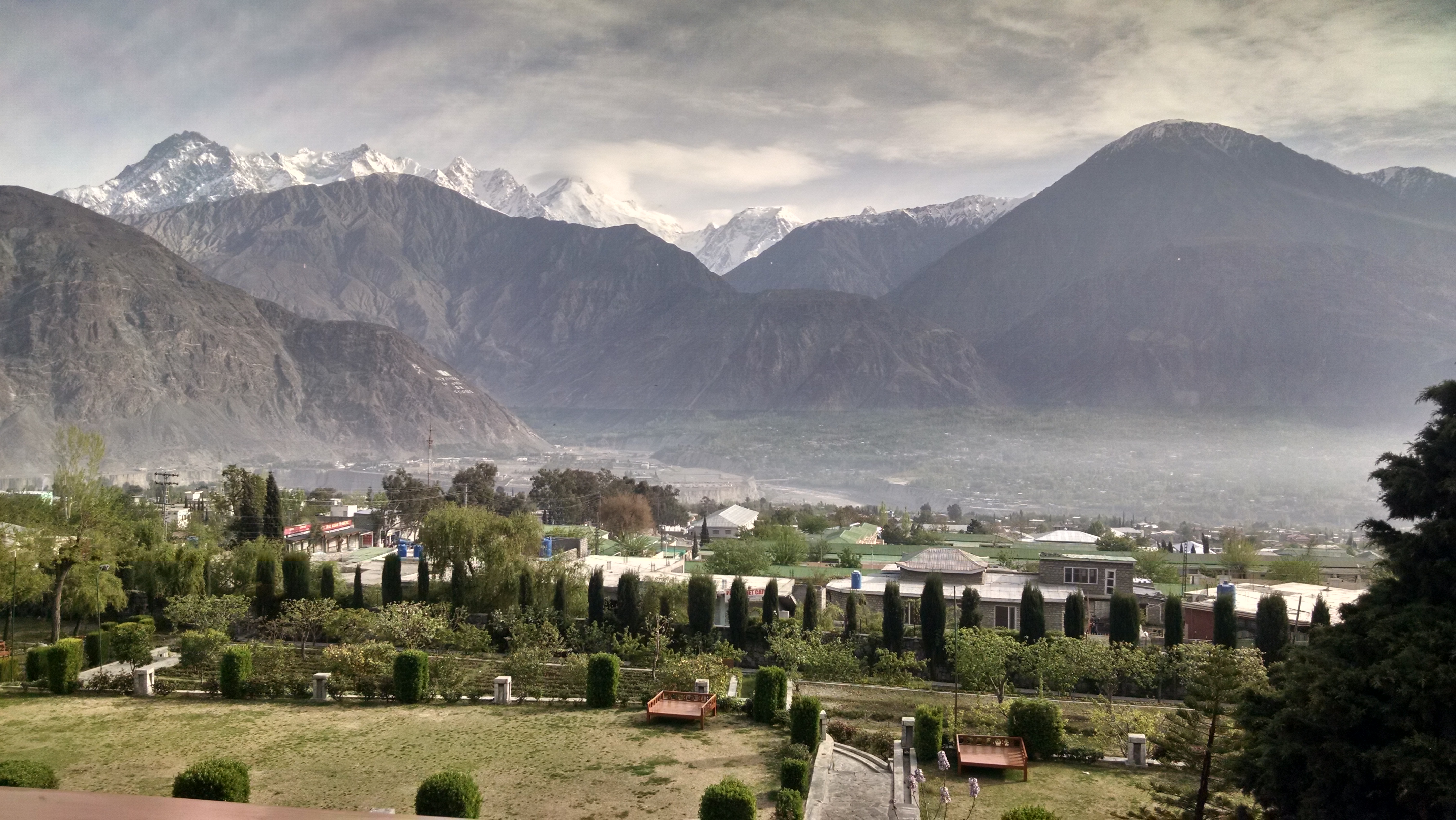
Gilgit has a continental climate with warm, dry summers (May-September) and cold, snowy winters (December-February), offering dramatic seasonal contrasts in this high-altitude Himalayan valley.
Gilgit is ideal for nature enthusiasts with basic services for remote work.
| Name | Notes |
|---|---|
| Workhub Gilgit | Located in Jutial, Workhub Gilgit offers a collaborative environment with essential amenities like reliable internet, printing, and meeting rooms. It's a good option for digital nomads seeking a budget-friendly workspace in a central location. |
| GB Tech Hub | Situated near the city center, GB Tech Hub provides a basic coworking setup with internet access and a community-focused atmosphere. It's suitable for remote workers looking for an affordable and simple workspace. |
Names, locations and hours can change. Check each space's website before you visit. Places from © OpenStreetMap contributors and Foursquare Open Source Places (Apache 2.0).
Planning to live in Gilgit long-term? Pakistan Digital Nomad Visa lets remote workers live legally.
View full requirements →Working remotely from Gilgit? Nomad health insurance covers you across borders, month to month.
See nomad insuranceWe may earn a commission at no cost to you.
See how Gilgit's digital nomad life compares with Haripur
Areas of Gilgit that expats often consider.
Conditions can change from one block to the next, and these descriptions are general guides, not safety assessments. Before choosing where to stay or live, check current travel advisories, talk to people who live there, and visit in person if you can.
Bustling commercial and residential
Jutial is a central area with shops, restaurants, and government offices. It's a busy area, so expect noise and traffic. Housing options are varied, but finding English speakers might be challenging.
Quiet residential with mountain views
Konodas offers a more peaceful environment away from the city center. It's primarily residential, with stunning views of the surrounding mountains. Transportation is needed to access amenities, and language barriers may be present.
Developing residential, affordable living
Singal is an area undergoing development, offering more affordable housing options. It's further from the city center, requiring reliance on transportation. Expect a more traditional Pakistani lifestyle with limited English spoken.
Growing commercial, accessible location
The area around the airport is experiencing commercial growth, with new businesses and services emerging. Its proximity to the airport makes it convenient for travel. While not specifically expat-focused, the increased commercial activity may make it slightly easier for foreigners.
With a 1-bedroom in the center at $13/mo, your FIRE number here might be much lower than you think.
Many long-stay visas require proof of health insurance. Compare international health plans before you apply.
Compare health insuranceWe may earn a commission at no cost to you.
Not sure which Pakistan visa you qualify for?
Answer 11 questions and get a personalized match in under 2 minutes.
Click any question to expand the answer.
Cost-of-living and visa updates for Gilgit and the rest of Pakistan. Free with RA Postcards.
By submitting your email address, you will receive a free subscription to RA Postcards and special offers from Rewire Abroad and our affiliates. You can unsubscribe at any time, and we encourage you to read more about our Privacy Policy.