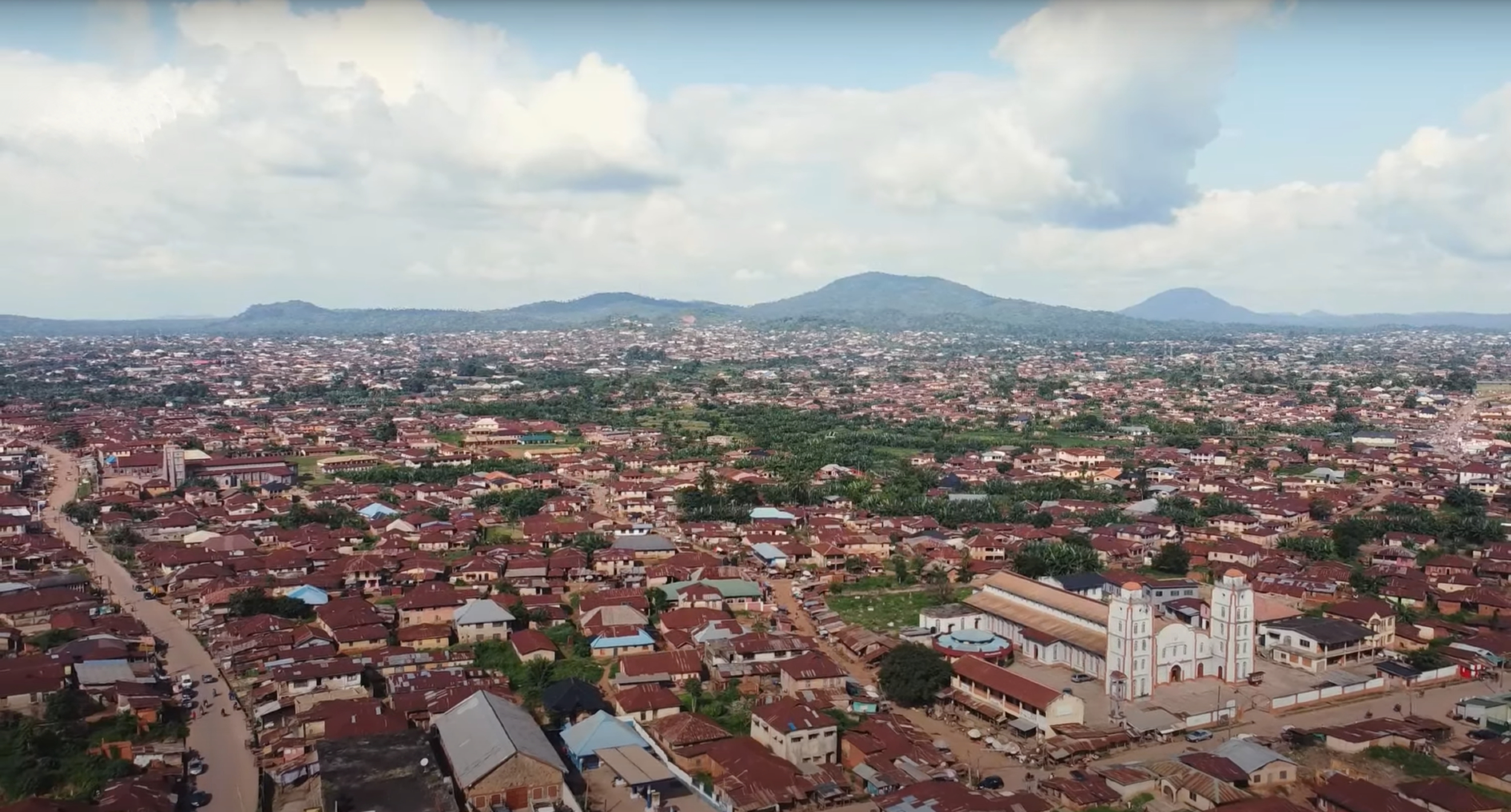
Agriculture, traditional craftsmanship, and Obafemi Awolowo University (OAU) are the three pillars holding up the local economy. OAU is the single largest formal employer — academics, administrators, and the entire service ecosystem around a major university campus. Beyond that, the economy runs on cocoa farming, palm oil, and a genuine artisan trade in bronze, terracotta, and stone sculptures that actually sells internationally to collectors. There's no tech sector, no multinational presence, and remote-work infrastructure is inconsistent. If you're not affiliated with OAU or running your own location-independent income, earning a living here is structurally difficult.
A one-bedroom in the city center runs around $120/month, which is low even by Nigerian standards — Lagos would charge four to six times that. Road transport to Lagos takes roughly four hours on a good day via the A121; there's no rail. Healthcare is a real concern: OAU Teaching Hospital is the best option locally, but for anything serious, Lagos is where people go. Power outages are frequent and generator dependency is normal. Bureaucracy for residency or business registration follows Nigerian federal processes, which are slow and paper-heavy. Yoruba is the dominant language; English works at OAU but less reliably elsewhere.
Temperatures stay between 24–32°C year-round with a heavy rainy season from April to October — expect genuine downpours and humidity that makes Lagos feel dry. The food scene is strong on Yoruba staples: amala, ewedu, pounded yam, and pepper soup at local spots for under $2 a meal. Weekends revolve around OAU's campus culture, cultural festivals like Itapa, and the Ile-Ife museum complex. The expat community is tiny — mostly academics and a handful of researchers. The safety index of 40 reflects real caution warranted, particularly after dark. This city suits academics, researchers, or heritage-focused creatives who want deep Yoruba cultural immersion on a minimal budget and can tolerate significant infrastructure friction.