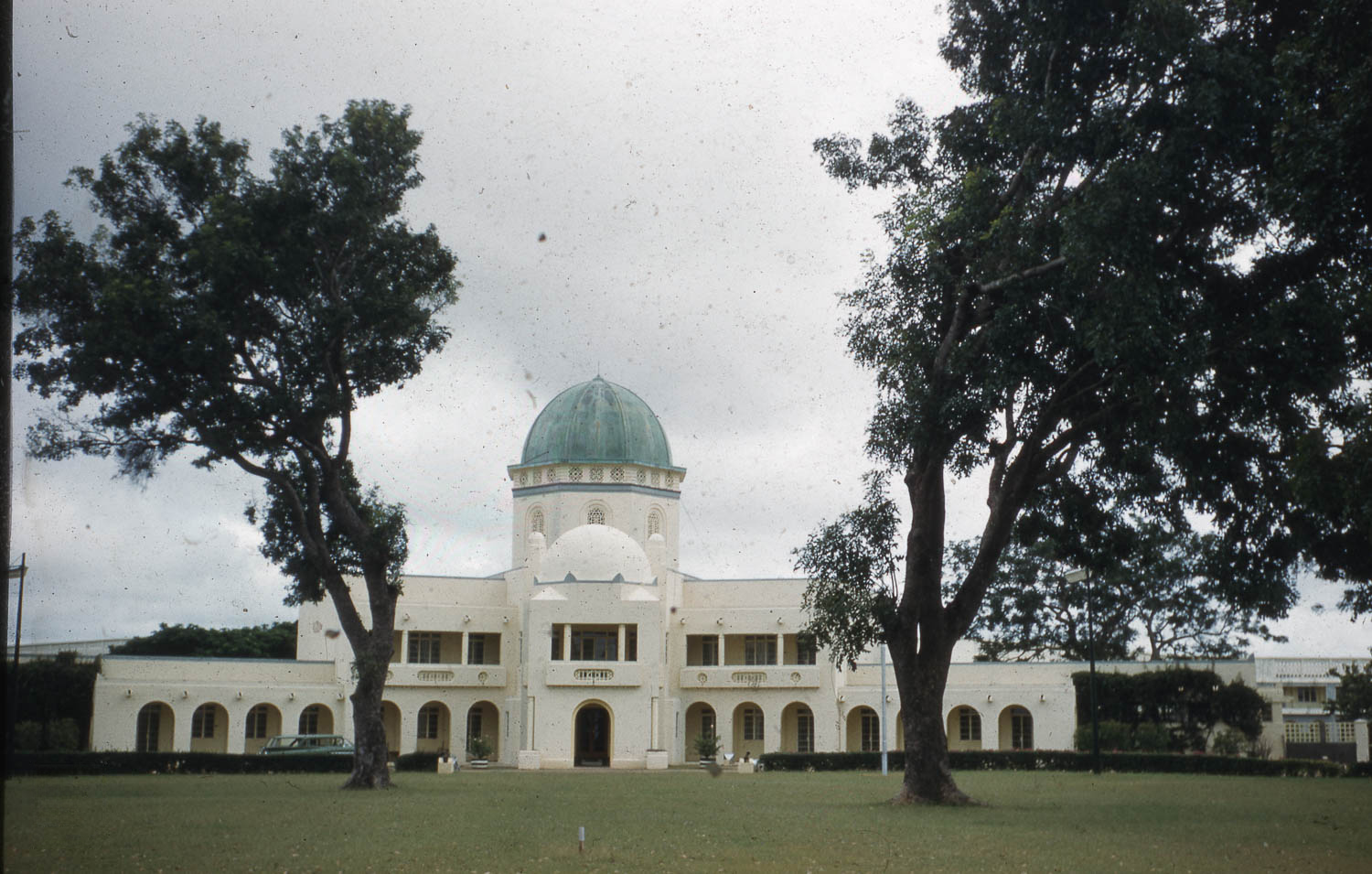
Manufacturing and agro-processing drive Kaduna's economy, with textile mills, food processing plants, and a significant military presence historically shaping the city's industrial base. The Kaduna Refinery, though long underperforming, and companies like Dangote and PZ Cussons maintain operations here. For remote workers and digital nomads, reliable power is the real employer — generators and inverters are business expenses, not luxuries. Local white-collar work exists in government, banking, and education, but formal job opportunities for foreign expats are genuinely limited.
A one-bedroom in the city center runs around $200/month, which sounds attractive until you factor in the cost of diesel for your generator, which can add $100–$200/month depending on grid reliability. Healthcare is a serious concern — private clinics exist but are basic by international standards, and anything complex means Lagos or medical evacuation. Bureaucracy for residency and business registration is slow and relationship-dependent. Hausa is the dominant language; English works in formal settings but daily life requires at least basic Hausa to avoid constant friction.
Kaduna sits on the Jos Plateau fringe, giving it a slightly cooler climate than southern Nigeria — still hot, but less brutal than Lagos. The food scene is northern Nigerian: suya, tuwo shinkafa, and pepper soup done well and cheaply. The expat community is small and largely tied to NGOs, the military, or religious missions — there's no digital nomad scene to speak of. Weekends mean church or mosque, local markets, and road trips toward Kajuru Castle or the Kagoro Hills. This city suits NGO workers, missionaries, or Nigeria-focused researchers willing to trade comfort for low cost and authentic immersion.
Estimate the cost of moving to Kaduna, Nigeria
Get a free moving cost estimate for moving to Kaduna, Nigeria. Takes 10 seconds.
How much are you shipping?
When are you moving?
Powered by Sirelo. Free quotes from international movers.
🏚️ Cost of Living
💰 Budgets and Costs
$232/mo, one person, rent included
Selected: budget lifestyle
Kaduna on a budget budget comes to about $232 a month for one adult, with $86.00 of that going to rent. Beyond rent the estimate covers $78.00 on groceries, $5.00 on dining out, $33.00 on entertainment and lifestyle and $30.00 on utilities and connectivity.
Rent
$86.00/mo
1BR outside the centre
Groceries
$78.00/mo
75% of mid-range grocery spend
Dining out
$5.00/mo
4 inexpensive meals
Entertainment & lifestyle
$33.00/mo
1 cinema trip, 8 cappuccinos
Utilities & connectivity
$30.00/mo
utilities, mobile, internet
Budgets (excl. rent)
Single person$146/mo
Excludes rent. The total above is all-in, rent included.
$284/mo, one person, rent included
Selected: mid-range lifestyle
Kaduna on a mid-range budget comes to about $284 a month for one adult, with $86.00 of that going to rent. Beyond rent the estimate covers $104 on groceries, $11.00 on dining out, $53.00 on entertainment and lifestyle and $30.00 on utilities and connectivity.
Rent
$86.00/mo
1BR outside the centre
Groceries
$104/mo
Staples basket scaled to a full month
Dining out
$11.00/mo
10 inexpensive meals
Entertainment & lifestyle
$53.00/mo
2 cinema trips, 12 cappuccinos
Utilities & connectivity
$30.00/mo
utilities, mobile, internet
Budgets (excl. rent)
Single person$198/mo
Excludes rent. The total above is all-in, rent included.
$462/mo, one person, rent included
Selected: comfortable lifestyle
Kaduna on a comfortable budget comes to about $462 a month for one adult, with $132 of that going to rent. Beyond rent the estimate covers $145 on groceries, $63.00 on dining out, $92.00 on entertainment and lifestyle and $30.00 on utilities and connectivity.
Rent
$132/mo
1BR in the centre
Groceries
$145/mo
140% of mid-range grocery spend
Dining out
$63.00/mo
6 inexpensive meals + 6 mid-range meals
Entertainment & lifestyle
$92.00/mo
4 cinema trips, 20 cappuccinos
Utilities & connectivity
$30.00/mo
utilities, mobile, internet
Budgets (excl. rent)
Single person$330/mo
Excludes rent. The total above is all-in, rent included.
Estimates for one adult, built from this city's average prices and the usage shown for each tier. Your spending will differ with how often you eat out and where you live.
A 1BR in the center runs about $131.57/mo. If your income is in another currency, bank FX fees add up. A multi-currency account can cut that cost.
Kaduna is perceived as moderately unsafe by expat standards, though day-to-day life is manageable with precautions. Walking alone at night is not recommended, and most expats rely on private transport. The city has a working expat community, but safety requires constant awareness—it's neither a war zone nor a relaxed destination. Reputation exceeds some realities, but the caution is warranted.
Common risks include armed robbery, carjacking, and petty theft in crowded areas. Kidnapping for ransom has historically targeted wealthy individuals and foreigners, though it's not epidemic. Solo female travelers face elevated harassment and should avoid isolated areas. The Kaduna-Abuja highway has seen banditry; use established transport services. Avoid displaying wealth, use ATMs during daylight, and stay out of southern Kaduna's communal tension zones.
Kaduna sits in Nigeria's volatile middle belt with periodic communal and religious tensions that can escalate quickly. Police presence is visible but corruption is endemic; don't rely on law enforcement for protection. Political instability and occasional protests occur. For Americans considering relocation, this is a high-friction posting suitable only for those with security-conscious employers, prior Nigeria experience, and genuine professional need. Remote workers should strongly consider safer alternatives.
Kaduna has a safety index of 40/100. Petty theft and lost belongings are the most common problems for newcomers. Compare travel insurance before you go.
Located in the heart of Kaduna, Colab Hub offers a vibrant community, reliable internet, and a conducive environment for productivity. It's a popular choice for freelancers and startups, offering a mix of open workspaces and private offices.
Regus provides a professional and well-equipped workspace in a central Kaduna location. It offers various options, including hot desks, private offices, and meeting rooms, with business support services, making it suitable for established remote workers.
Stonehill Innovation Hub is a tech-focused space that provides a collaborative environment for innovators and entrepreneurs. Located in a quieter part of Kaduna, it offers a more relaxed atmosphere with good internet and opportunities for networking.
See how Kaduna's digital nomad life compares with Ogbomosho
🧳 Expat Life
English Proficiency
Limited
Expat Community
Very Few
Top Neighborhoods
Malali, Barnawa
Banks Nearby
49
ATMs Nearby
6
Expat Life Notes
Kaduna has a history of regional instability which limits the expat community to specific industrial or NGO roles.
Pros
✓ Low cost of living
✓ Central location in Northern Nigeria
Cons
✗ Significant security concerns
✗ Limited expat infrastructure
✗ Power instability
🏘️ Neighborhoods in Kaduna
Areas of Kaduna that expats often consider.
Conditions can change from one block to the next, and these descriptions are general guides, not safety assessments. Before choosing where to stay or live, check current travel advisories, talk to people who live there, and visit in person if you can.
Ungwan Rimi
Established, residential, family-oriented
A well-known and relatively safe residential area, popular with middle-class families and some expats. It offers a mix of housing options and is reasonably accessible, though traffic can be heavy. Power outages can be frequent.
Barnawa
Quiet, upscale, residential
Barnawa is considered one of the more upscale areas of Kaduna, offering larger homes and a quieter environment. It's relatively safe and well-maintained, making it attractive to families and retirees. Transportation relies heavily on cars or ride-hailing services.
Tudun Wada
Bustling, commercial, densely populated
A very densely populated and bustling area, primarily residential with significant commercial activity. It's a more affordable option but can be noisy and crowded. Not typically preferred by expats due to the lack of amenities and higher crime rates.
Kakuri
Industrial, mixed-use, affordable
Kakuri is a mixed-use area with a significant industrial presence. Housing is more affordable here, but the environment can be less appealing due to industrial activity and pollution. Not generally recommended for expats seeking a comfortable or quiet lifestyle.
Malali
Residential, developing, accessible
Malali is a developing residential area with increasing accessibility and infrastructure. It's becoming more popular with middle-class families and offers a mix of housing options. While generally safe, petty crime can be an issue.
Sabo
University area, student-focused, lively
Home to Ahmadu Bello University's Kaduna campus, Sabo is a lively area with a large student population. It's more affordable but can be noisy and crowded, especially during the school year. Not ideal for retirees or those seeking a quiet environment.
Page 1 of 2
Could living/working in Kaduna cut years off your work life?
With a 1-bedroom in the center at $132/mo, your FIRE number here might be much lower than you think.
Kaduna has a population of approximately 760,084 people.
A single person can expect to spend around $329 per month in Kaduna, including rent. A 1-bedroom apartment in the city center costs approximately $132/month.
The nearest airport to Kaduna is KAD, approximately 23.5km away.
Kaduna is considered moderate in terms of safety, with a safety index of 40.0. As with any city abroad, expats should research specific neighborhoods before committing to a location.
Kaduna has an average internet speed of 30 Mbps. It is not yet considered a well-established digital nomad destination.
Grid electricity is unreliable — expect anywhere from 2 to 8 hours of public power per day. Most expats and businesses run inverters or diesel generators as their primary power source, which adds real monthly cost. Internet is available via MTN and Airtel 4G data, which is functional for remote work, but you'll want a backup SIM and a power bank setup for consistent connectivity.
English is the official language and works in offices, banks, and formal settings. But Kaduna is a predominantly Hausa-speaking city, and daily life — markets, transport, neighbors — runs in Hausa. You won't be completely lost without it, but learning basic Hausa phrases will significantly reduce friction and earn you genuine goodwill from locals.
Kaduna is very affordable. You can rent a decent 2-bedroom apartment in a good area like Unguwan Rimi for $300-$500 per month. Groceries and eating out are also inexpensive, with local meals costing just a few dollars.
Nigeria doesn't have a specific retirement visa. You'll likely need to explore options like a long-term visitor visa, which requires demonstrating sufficient funds and a sponsor. Consulting with an immigration lawyer specializing in Nigerian visas is highly recommended.
Healthcare in Kaduna is generally basic, and you'll find better facilities in Lagos or Abuja. While some doctors speak English, it's not guaranteed, especially in public hospitals. Private hospitals like St. Gerard's Catholic Hospital offer better care, but comprehensive health insurance is essential.
Areas like Unguwan Rimi, Barnawa, and parts of GRA (Government Reservation Area) are generally considered safer and more expat-friendly. However, it's always wise to be vigilant and avoid walking alone at night, even in these areas.
English is the official language and is widely spoken, especially in business and government. However, in daily interactions, particularly in markets and smaller shops, knowing some basic Hausa will be very helpful and appreciated.
Major Nigerian banks like Zenith, GTBank, and First Bank have branches in Kaduna. International money transfers are possible through services like Western Union and MoneyGram, but be aware of the fees. Opening a local bank account can streamline things, but it requires proper documentation.
Coworking spaces are still developing in Kaduna, but you can find some options. Internet cafes are available, but the speed and reliability can vary. Consider getting a local SIM card with a data plan for more consistent internet access.
Kaduna has a tropical savanna climate with distinct wet and dry seasons. The dry season is hot, especially from March to May, while the wet season (June to September) brings cooler temperatures and higher humidity. Be prepared for intense heat during the dry months.
The most common modes of transport are taxis, buses (danfo), and tricycles (keke). Taxis are generally safer than buses, but agree on a fare before you start your journey. Ride-hailing apps like Uber and Bolt are also becoming more popular.
As a US citizen, you're still required to file US taxes even when living abroad. You may be able to exclude a certain amount of your foreign earned income using the Foreign Earned Income Exclusion (FEIE). Also, be aware of FBAR reporting requirements for foreign bank accounts.
Yes, $2,000 per month would allow for a comfortable retirement in Kaduna. You could afford a nice apartment, cover your living expenses, and still have some money left over for leisure and travel. However, factor in potential healthcare costs and emergency funds.
The expat community in Kaduna is relatively small compared to Lagos or Abuja. Networking opportunities might be limited, but you can connect with other expats through international organizations, religious groups, or by attending events at hotels catering to foreigners.
Kaduna offers potential investment opportunities in agriculture, real estate, and small businesses. However, it's crucial to conduct thorough due diligence and understand the local market dynamics. Consider consulting with a financial advisor familiar with investing in emerging markets.
Daily life in Kaduna as an English speaker is manageable, but patience is key. While English is widely spoken, navigating local markets or dealing with informal services might require some Hausa or the assistance of a translator. Embrace the slower pace of life and be prepared for occasional cultural differences.
Cost-of-living and visa updates for Kaduna and the rest of Nigeria. Free with RA Postcards.
By submitting your email address, you will receive a free subscription to RA Postcards and special offers from Rewire Abroad and our affiliates. You can unsubscribe at any time, and we encourage you to read more about our Privacy Policy.