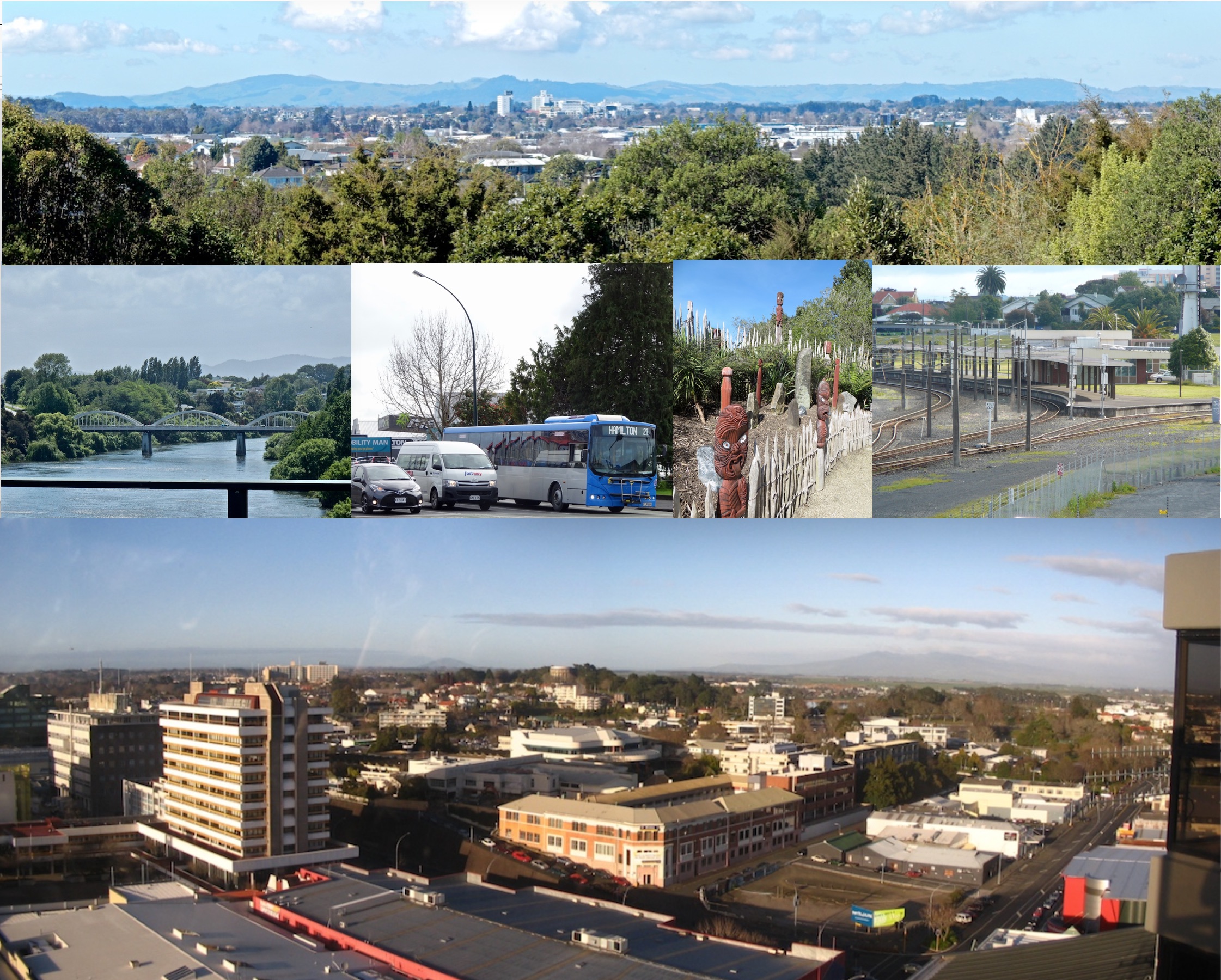
Education and research drive Hamilton's economy, with the University of Waikato and Wintec employing thousands alongside AgResearch and other R&D facilities. The 40,000 students and 1,000 PhD scientists create a knowledge-based job market, though opportunities outside academia remain limited to agriculture, healthcare, and retail. Government roles offer stability, but private sector salaries lag behind Auckland by 15-20%. The city's transition from farming hub means decent work exists, but career advancement often requires moving to larger centers.
Rent averages $1,600 monthly for a city center one-bedroom, with suburban options around $1,200-1,400. Public transport relies on limited bus routes that don't run evenings or weekends—you'll need a car. Healthcare access is solid through Waikato Hospital, though specialist wait times stretch 3-6 months. English dominates, making integration straightforward. Bureaucracy moves at typical Kiwi pace: slow but eventually functional. Banking and utilities setup takes 2-3 weeks with proper documentation.
The temperate climate delivers mild winters and warm summers without Auckland's humidity, perfect for the acclaimed Hamilton Gardens and Waikato River walks. Food scene centers on decent cafes and a growing craft beer culture, though fine dining options remain sparse. The expat community is small but tight-knit, mostly academics and healthcare workers who gather at university events and weekend farmers markets. Hamilton suits professionals seeking affordable New Zealand living without big-city chaos, especially those in education or research fields.
Estimate the cost of moving to Hamilton, New Zealand
Get a free moving cost estimate for moving to Hamilton, New Zealand. Takes 10 seconds.
How much are you shipping?
When are you moving?
Powered by Sirelo. Free quotes from international movers.
🏚️ Cost of Living
💰 Budgets and Costs
$1,155/mo, one person, rent included
Selected: budget lifestyle
Hamilton on a budget budget comes to about $1,155 a month for one adult, with $756 of that going to rent. Beyond rent the estimate covers $123 on groceries, $48.00 on dining out, $41.00 on entertainment and lifestyle, $147 on utilities and connectivity and $40.00 on transport.
Rent
$756/mo
1BR outside the centre
Groceries
$123/mo
75% of mid-range grocery spend
Dining out
$48.00/mo
4 inexpensive meals
Entertainment & lifestyle
$41.00/mo
1 cinema trip, 8 cappuccinos
Utilities & connectivity
$147/mo
utilities, mobile, internet
Transport
$40.00/mo
Monthly pass
Budgets (excl. rent)
Single person$399/mo
Excludes rent. The total above is all-in, rent included.
$1,321/mo, one person, rent included
Selected: mid-range lifestyle
Hamilton on a mid-range budget comes to about $1,321 a month for one adult, with $756 of that going to rent. Beyond rent the estimate covers $164 on groceries, $121 on dining out, $93.00 on entertainment and lifestyle, $147 on utilities and connectivity and $40.00 on transport.
Rent
$756/mo
1BR outside the centre
Groceries
$164/mo
Staples basket scaled to a full month
Dining out
$121/mo
10 inexpensive meals
Entertainment & lifestyle
$93.00/mo
gym, 2 cinema trips, 12 cappuccinos
Utilities & connectivity
$147/mo
utilities, mobile, internet
Transport
$40.00/mo
Monthly pass
Budgets (excl. rent)
Single person$565/mo
Excludes rent. The total above is all-in, rent included.
$1,926/mo, one person, rent included
Selected: comfortable lifestyle
Hamilton on a comfortable budget comes to about $1,926 a month for one adult, with $1,072 of that going to rent. Beyond rent the estimate covers $229 on groceries, $291 on dining out, $147 on entertainment and lifestyle, $147 on utilities and connectivity and $40.00 on transport.
Rent
$1,072/mo
1BR in the centre
Groceries
$229/mo
140% of mid-range grocery spend
Dining out
$291/mo
6 inexpensive meals + 6 mid-range meals
Entertainment & lifestyle
$147/mo
gym, 4 cinema trips, 20 cappuccinos
Utilities & connectivity
$147/mo
utilities, mobile, internet
Transport
$40.00/mo
Monthly pass
Budgets (excl. rent)
Single person$854/mo
Excludes rent. The total above is all-in, rent included.
Estimates for one adult, built from this city's average prices and the usage shown for each tier. Your spending will differ with how often you eat out and where you live.
A 1BR in the center runs about $1071.57/mo. If your income is in another currency, bank FX fees add up. A multi-currency account can cut that cost.
Hamilton is genuinely one of New Zealand's safest cities, with a Safety Index of 92 reflecting low violent crime and strong community policing. Walking alone at night is generally safe, though like any city, common sense applies—avoid isolated areas late evening. The city feels secure for daily life, and expats report minimal anxiety about personal safety compared to most Western cities.
Property crime (car break-ins, bike theft) is the primary concern rather than violent crime. Petty theft from vehicles and homes occurs but is infrequent. Avoid leaving valuables visible in cars, especially in parking lots. Solo female travelers and residents report feeling safe; harassment is uncommon. The Claudelands and some outer suburbs have slightly higher incident rates, but serious crime remains rare citywide.
New Zealand has stable governance, reliable police, and no significant political instability or corruption concerns. Hamilton benefits from this broader national security. For Americans relocating here, the risk profile is exceptionally low—comparable to or safer than most mid-sized U.S. cities. Police are professional and responsive. This is a genuinely safe choice for remote workers or retirees seeking a secure, peaceful environment.
🏥 Healthcare
Good
Public Hospitals
Yes
Private Clinics
Yes
English-Speaking Doctors
Widely Available
See how Hamilton's healthcare compares with Paeroa
🌤️ Climate
Climate Zones
Temperate
Summer Temp
20°C
Winter Temp
10°C
Humidity
72%
Air Quality Index
25
Annual Rainfall
1684 mm
Best Months
DecJanFebMarAprSepOctNov
Climate Notes
Hamilton has a temperate oceanic climate with mild summers (December-February around 20°C) and cool winters (June-August around 10°C), with year-round rainfall and moderate humidity ideal for expats seeking a comfortable, green environment.
💻 Digital Nomad
Avg Internet Speed
100.3 Mbps
Internet (monthly)
$54/mo
Coworking Availability
Abundant
Coworking Spaces Nearby
1
Digital Nomad Score
83/100
Community Notes
A lively city with a strong community and excellent connectivity.
A creative hub in the heart of Hamilton Central, The Meteor offers a vibrant community and flexible coworking options. It's ideal for expats seeking a collaborative environment and easy access to city amenities.
Located in Te Rapa, Biz Hub Waikato provides a professional coworking space with various membership options. It's well-suited for remote workers needing a dedicated workspace with meeting rooms and business support services.
Regus offers a reliable and globally recognized coworking experience in Hamilton Central. Expats will appreciate the consistent amenities, professional environment, and easy access to transportation and local businesses.
Located in Hamilton East, Workplace Studio offers a boutique coworking experience with a focus on community and collaboration. It's a great option for digital nomads seeking a smaller, more intimate workspace with a relaxed atmosphere.
See how Hamilton's digital nomad life compares with Paeroa
🧳 Expat Life
English Proficiency
Widely Spoken
Expat Community
Medium
Top Neighborhoods
Hamilton Central, Flagstaff, Rototuna
Banks Nearby
24
ATMs Nearby
43
Expat Life Notes
Hamilton is New Zealand's fourth-largest city and a growing agricultural and university hub. It has a significant international student and academic expat community via Waikato University.
Pros
✓ Affordable relative to Auckland
✓ Waikato University international community
✓ Good rural NZ lifestyle
✓ English-speaking
Cons
✗ Less cosmopolitan than Auckland
✗ Car dependent
✗ Flat urban landscape
🏘️ Neighborhoods in Hamilton
Areas of Hamilton that expats often consider.
Conditions can change from one block to the next, and these descriptions are general guides, not safety assessments. Before choosing where to stay or live, check current travel advisories, talk to people who live there, and visit in person if you can.
Hamilton Central
Urban, lively, convenient amenities
Hamilton Central offers easy access to restaurants, shops, and entertainment. It's walkable and well-connected by public transport, making it convenient for those without a car. However, it can be noisy, especially on weekends, and parking can be challenging.
Hamilton East
Established, leafy, riverside charm
Hamilton East is a desirable area known for its character homes and proximity to the Waikato River. It's popular with families and professionals, offering a mix of cafes and shops. While walkable in parts, a car is generally recommended for getting around.
Hillcrest
Student-friendly, green, suburban living
Home to the University of Waikato, Hillcrest has a large student population, resulting in a vibrant atmosphere and more affordable housing options. It's well-serviced by buses and offers plenty of parks and green spaces. Expect a younger demographic and some student-related noise.
Chartwell
Residential, family-friendly, convenient shopping
Chartwell is a large suburban area with a mix of housing styles and a major shopping centre. It's a practical choice for those seeking affordability and convenience, but less charming than some other areas. A car is essential for getting around.
Flagstaff
Modern, upscale, planned community
Flagstaff is a newer, well-planned community with modern homes and amenities. It's considered one of Hamilton's more affluent areas, offering a safe and quiet environment. While it has some local shops, it's car-dependent for accessing the wider city.
Rototuna North
Growing, suburban, family-oriented
Rototuna North is a rapidly developing area with new housing and infrastructure. It's popular with young families and offers a range of amenities, including schools and parks. Public transport is still developing, so a car is recommended.
Fairfield
Quiet, residential, community feel
Fairfield is an older, established suburb with a strong sense of community. Housing is generally more affordable, and it offers a mix of parks and local shops. While it's relatively close to the city centre, public transport options are limited.
Page 1 of 2
Could living/working in Hamilton cut years off your work life?
With a 1-bedroom in the center at $1072/mo, your FIRE number here might be much lower than you think.
Hamilton has a population of approximately 176,500 people.
A single person can expect to spend around $2,679 per month in Hamilton, including rent. A 1-bedroom apartment in the city center costs approximately $1072/month.
The nearest airport to Hamilton is HLZ, approximately 5.7km away.
Hamilton is considered relatively safe, with a safety index of 92.0. As with any city abroad, expats should research specific neighborhoods before committing to a location.
Hamilton has an average internet speed of 100.3 Mbps. It is considered a well-established digital nomad destination.
Yes, Hamilton's public transport is limited to daytime bus routes that don't serve evenings or weekends. Most expats find a car essential for grocery shopping, weekend activities, and accessing areas outside the city center.
Jobs center heavily on education and research due to the University of Waikato and research institutes. Healthcare, agriculture, and government roles exist, but private sector opportunities are limited compared to Auckland or Wellington.
Hamilton is generally considered a safe city, but like any urban area, petty crime exists. Areas like the CBD at night can be a bit rowdier, but overall, violent crime is relatively low. Most expats feel comfortable walking around during the day and taking standard precautions at night.
Hamilton has a temperate climate with warm summers and mild, wet winters. Expect temperatures ranging from 5°C (41°F) in winter to 25°C (77°F) in summer. Pack layers, as the weather can change quickly, and be prepared for rain throughout the year.
While a car is convenient, Hamilton has a decent public transport system with buses covering most areas. Cycling is also popular, with dedicated bike lanes in many parts of the city. Walking is feasible in central areas, but distances can be significant in the suburbs.
For families, suburbs like Rototuna and Flagstaff offer good schools and parks. Claudelands and Hamilton East are popular for their proximity to the city center and cafes. For budget-conscious expats, consider areas like Melville or Fairfield, which are further out but more affordable.
Groceries in Hamilton are comparable to US prices, maybe slightly higher. Expect to pay around NZD $80-120 per week for a single person. Eating out ranges from NZD $20 for a casual meal to NZD $50+ at a nicer restaurant.
New Zealand doesn't have a specific retirement visa. However, Americans can explore options like the Investor Visa or the Parent Category Visa (if you have adult children living in NZ). The Long-Term Visitor Visa allows stays up to 18 months, but doesn't grant residency.
Hamilton has a good public healthcare system (subsidized for residents) and private options. You'll find plenty of English-speaking doctors and specialists. It's advisable to have health insurance, especially initially, as non-residents may face higher costs.
Hamilton has reliable and fast internet, with fiber optic connections available in many areas. Expect speeds of 50-100 Mbps, sufficient for most remote work needs. Coworking spaces like The Meteor Theatre and Wintec also offer high-speed internet.
Hamilton has a growing expat community, although smaller than Auckland or Wellington. There are various expat groups and social events, making it relatively easy to connect with others. Joining local clubs and activities is also a great way to meet people.
As a US citizen, you're still required to file US taxes even while living abroad. The Foreign Earned Income Exclusion (FEIE) can help reduce your tax burden. Be aware of FBAR requirements for reporting foreign bank accounts. Consult a tax professional specializing in expat taxes.
Living on $2,500 USD (approximately $4,000 NZD) per month in Hamilton is possible, but requires careful budgeting. You'd likely need to rent a smaller apartment outside the city center and be mindful of expenses. It's definitely more achievable than in larger cities like Auckland.
English is widely spoken in Hamilton, so you won't encounter significant language barriers. While Māori is an official language, it's not commonly used in everyday conversations. Learning a few basic Māori phrases is appreciated but not essential.
Hamilton offers a lower cost of living than many major US cities, especially regarding housing. While some items like imported goods might be pricier, overall, you can stretch your US dollars further. This makes it an attractive option for geoarbitrage.
Cost-of-living and visa updates for Hamilton and the rest of New Zealand. Free with RA Postcards.
By submitting your email address, you will receive a free subscription to RA Postcards and special offers from Rewire Abroad and our affiliates. You can unsubscribe at any time, and we encourage you to read more about our Privacy Policy.