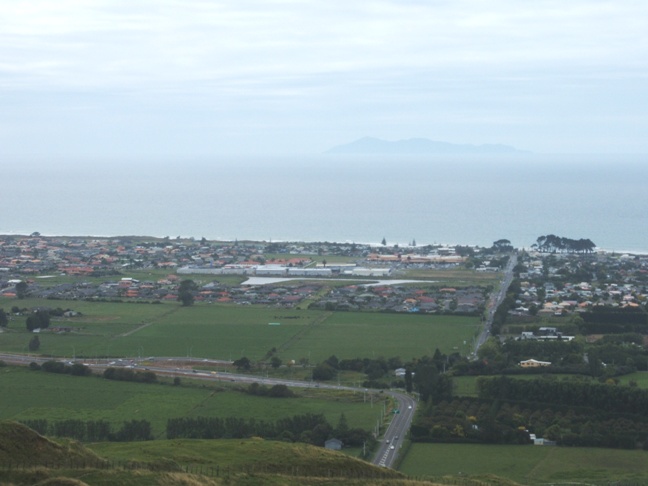
Tourism, fishing, and real estate development drive Papamoa's economy, but don't expect a job market beyond hospitality and construction. Most residents commute 11km to Tauranga for professional work—accounting, healthcare, retail management. The fishing industry still exists but is declining. Real estate agents thrive here; property development is constant. If you're remote-working, this works fine. If you need local employment, you're looking at seasonal tourism gigs ($22–26/hour) or driving into the city daily.
Rent for a one-bedroom runs $465/month, but that's outdated—expect $550–700 now given 26% population growth since 2018. State Highway 2 connects you to Tauranga in 20 minutes by car; public transport is minimal and unreliable. Healthcare is accessible through Tauranga Hospital 15km away. No language barrier (English-speaking). Bureaucracy is standard NZ: IRD registration, bank account setup, and visa compliance are straightforward but slow. Supermarket prices are 15–20% higher than Auckland.
Subtropical climate means warm summers (24°C), mild winters, and 16km of swimmable beach—surfing and fishing dominate weekends. The expat community is small but growing; most residents are Kiwis or Australian retirees. Cafés and fish-and-chips shops cluster near the beach; nightlife is nonexistent. Mangatawa Marae anchors local Māori culture. Papamoa suits remote workers seeking beach lifestyle, retirees, and families prioritizing safety (index: 78) over urban buzz.
Estimate the cost of moving to Papamoa Beach, New Zealand
Get a free moving cost estimate for moving to Papamoa Beach, New Zealand. Takes 10 seconds.
How much are you shipping?
When are you moving?
Powered by Sirelo. Free quotes from international movers.
🏚️ Cost of Living
💰 Budgets and Costs
$901/mo, one person, rent included
Selected: budget lifestyle
Papamoa Beach on a budget budget comes to about $901 a month for one adult, with $380 of that going to rent. Beyond rent the estimate covers $166 on groceries, $56.00 on dining out, $40.00 on entertainment and lifestyle and $259 on utilities and connectivity.
Rent
$380/mo
1BR outside the centre
Groceries
$166/mo
75% of mid-range grocery spend
Dining out
$56.00/mo
4 inexpensive meals
Entertainment & lifestyle
$40.00/mo
1 cinema trip, 8 cappuccinos
Utilities & connectivity
$259/mo
utilities, mobile, internet
Budgets (excl. rent)
Single person$521/mo
Excludes rent. The total above is all-in, rent included.
$1,086/mo, one person, rent included
Selected: mid-range lifestyle
Papamoa Beach on a mid-range budget comes to about $1,086 a month for one adult, with $380 of that going to rent. Beyond rent the estimate covers $221 on groceries, $140 on dining out, $86.00 on entertainment and lifestyle and $259 on utilities and connectivity.
Rent
$380/mo
1BR outside the centre
Groceries
$221/mo
Staples basket scaled to a full month
Dining out
$140/mo
10 inexpensive meals
Entertainment & lifestyle
$86.00/mo
gym, 2 cinema trips, 12 cappuccinos
Utilities & connectivity
$259/mo
utilities, mobile, internet
Budgets (excl. rent)
Single person$706/mo
Excludes rent. The total above is all-in, rent included.
$1,459/mo, one person, rent included
Selected: comfortable lifestyle
Papamoa Beach on a comfortable budget comes to about $1,459 a month for one adult, with $465 of that going to rent. Beyond rent the estimate covers $310 on groceries, $286 on dining out, $139 on entertainment and lifestyle and $259 on utilities and connectivity.
Rent
$465/mo
1BR in the centre
Groceries
$310/mo
140% of mid-range grocery spend
Dining out
$286/mo
6 inexpensive meals + 6 mid-range meals
Entertainment & lifestyle
$139/mo
gym, 4 cinema trips, 20 cappuccinos
Utilities & connectivity
$259/mo
utilities, mobile, internet
Budgets (excl. rent)
Single person$994/mo
Excludes rent. The total above is all-in, rent included.
Estimates for one adult, built from this city's average prices and the usage shown for each tier. Your spending will differ with how often you eat out and where you live.
A 1BR in the center runs about $464.98/mo. If your income is in another currency, bank FX fees add up. A multi-currency account can cut that cost.
Papamoa Beach is genuinely safe for daily life. The suburb feels relaxed and walkable during daylight, with most residents comfortable moving around freely. Evening walks are generally secure, though like any area, common sense applies—stick to well-lit streets and avoid isolated spots late at night. The Safety Index of 78 reflects a real, low-crime environment rather than inflated perception.
Property crime (vehicle break-ins, petty theft from homes) occurs occasionally but isn't epidemic. Violent crime is rare. Avoid leaving valuables visible in cars, secure rental properties well, and be cautious of online scams—common in New Zealand as elsewhere. Solo female travelers and residents report feeling safe; harassment is uncommon. The main risk is opportunistic theft rather than confrontational crime.
New Zealand has stable governance, reliable police, and no significant political instability affecting Papamoa. Corruption is minimal. The Tauranga Police District serves the area professionally. For Americans considering relocation, this is a genuinely low-risk environment—safer than most U.S. suburbs. The main adjustment is practical (weather, cost of living, isolation) rather than security-related. Highly suitable for remote workers and retirees seeking peace.
🏥 Healthcare
Good
Public Hospitals
No
Private Clinics
Yes
English-Speaking Doctors
Widely Available
See how Papamoa Beach's healthcare compares with Paeroa
🌤️ Climate
Climate Zones
Temperate
Summer Temp
20°C
Winter Temp
12°C
Humidity
75%
Air Quality Index
25
Annual Rainfall
1986 mm
Best Months
FebMarAprOctNov
Climate Notes
Papamoa Beach offers a temperate oceanic climate with mild summers (December–February) and cool winters (June–August), featuring consistent rainfall year-round and strong Pacific winds.
💻 Digital Nomad
Avg Internet Speed
88.7 Mbps
Internet (monthly)
$51/mo
Coworking Availability
Moderate
Coworking Spaces Nearby
0
Digital Nomad Score
79/100
Community Notes
Great beach location popular with remote workers seeking a laid-back lifestyle.
Located in nearby Mount Maunganui (a short drive from Papamoa), Regus Bayfair offers a professional environment with flexible workspace options. It's a reliable choice for those seeking a structured coworking experience with amenities like meeting rooms and administrative support.
While technically in Tauranga, Base Station is a popular coworking hub easily accessible from Papamoa. It fosters a collaborative community with events and workshops, making it ideal for expats looking to network and connect with local entrepreneurs.
Also located in Tauranga, The Kollective is a well-established coworking space known for its focus on innovation and collaboration. It provides a supportive environment for remote workers and offers various membership options to suit different needs.
See how Papamoa Beach's digital nomad life compares with Paeroa
🧳 Expat Life
English Proficiency
Widely Spoken
Expat Community
medium
Banks Nearby
5
ATMs Nearby
5
🏘️ Neighborhoods in Papamoa Beach
Areas of Papamoa Beach that expats often consider.
Conditions can change from one block to the next, and these descriptions are general guides, not safety assessments. Before choosing where to stay or live, check current travel advisories, talk to people who live there, and visit in person if you can.
Papamoa Beach (Central)
Bustling beachside, convenient, lively
The heart of Papamoa, close to shops, restaurants, and the beach. Popular with families and retirees. Walkable, but can get crowded during peak season. Offers a good mix of amenities but can be pricier.
Papamoa East
Newer, residential, family-oriented
A rapidly developing area with modern homes and a relaxed atmosphere. Ideal for families seeking a quieter lifestyle. Requires a car for most errands, but has good schools and parks. Still under development, so some construction noise is possible.
Golden Sands
Modern, planned community, growing
A master-planned community with a focus on sustainability and community living. Features parks, walking trails, and a town center. Good for those seeking a modern, well-maintained environment. Public transport is improving but still limited.
Mount Maunganui (nearby)
Trendy, upscale, beach resort
Technically a separate town but easily accessible and a popular destination. Offers stunning beaches, upscale dining, and a vibrant nightlife. More expensive than Papamoa, but a great option for those seeking a lively atmosphere. Can be very touristy.
Te Tumu
Rural, peaceful, coastal lifestyle
Located further east, offering a more rural and secluded feel. Ideal for those seeking peace and quiet and a connection with nature. Requires a car for most errands and may have limited amenities. Good for retirees seeking a slower pace of life.
Palm Beach
Established, residential, family-friendly
A well-established residential area with a mix of older and newer homes. Close to the beach and local schools. Offers a good balance of convenience and tranquility. Can be slightly more expensive than other areas of Papamoa.
Page 1 of 2
Could living/working in Papamoa Beach cut years off your work life?
With a 1-bedroom in the center at $465/mo, your FIRE number here might be much lower than you think.
Papamoa Beach has a population of approximately 29,500 people.
A single person can expect to spend around $1,162 per month in Papamoa Beach, including rent. A 1-bedroom apartment in the city center costs approximately $465/month.
The nearest airport to Papamoa Beach is TRG, approximately 11.2km away.
Papamoa Beach is considered relatively safe, with a safety index of 78.0. As with any city abroad, expats should research specific neighborhoods before committing to a location.
Papamoa Beach has an average internet speed of 88.7 Mbps. It is considered a well-established digital nomad destination.
Realistically, no. Local jobs are mostly seasonal tourism (hospitality, rentals) or construction. Most professionals commute 20 minutes to Tauranga by car. If you're remote-working, Papamoa is ideal; if you need local employment, plan on driving daily or accepting lower-wage hospitality work.
That figure is outdated. Current one-bedroom rent ranges $550–700/month due to 26% population growth since 2018. Shared flats run $400–500. Prices have climbed steadily; expect further increases as development continues.
Small and quiet. Most residents are Kiwis or Australian retirees. There's no established expat hub or coworking scene. You'll find friendly locals and beach culture, but not the social infrastructure of larger cities. It suits independent people or families, not those seeking active expat networking.
New Zealand doesn't have a specific retirement visa. However, options include the Investor Visa, Parent Retirement Visa (requires significant investment and income), or exploring a long-term visitor visa and renewing it, though this doesn't grant residency. Consulting an immigration lawyer is crucial.
Papamoa is generally considered very safe with low crime rates compared to most US cities. Petty theft can occur, but violent crime is rare. It's a place where you can feel comfortable walking alone at night.
Expect to spend around $600-$900 NZD per month on groceries for a couple, depending on your dietary habits. Supermarkets like Countdown and New World offer a range of products, but prices can be higher than in the US.
Internet in Papamoa is generally reliable, with fiber optic options available in many areas offering speeds up to 100 Mbps or more. Check with providers like Spark or Vodafone for specific plans and coverage in your chosen neighborhood.
While Papamoa itself doesn't have dedicated coworking spaces, Tauranga (a short drive) offers several options like Basestation and The Kollective. Many cafes in Papamoa also provide a suitable environment for remote work.
New Zealand has a public healthcare system (ACC) and private options. You'll find English-speaking doctors easily in Papamoa. As a visitor or new resident, you'll likely need private health insurance until you qualify for public healthcare.
Opening a bank account is relatively straightforward with proper identification (passport, proof of address). Banks like ANZ, BNZ, and Westpac are common. Be prepared to provide tax information due to FATCA regulations.
Papamoa has a temperate climate with warm summers (December-February) and mild, wet winters (June-August). Expect average summer temperatures around 20-25°C (68-77°F) and winter temperatures around 10-15°C (50-59°F).
As a US citizen, you're still required to file US taxes even while living abroad. The Foreign Earned Income Exclusion (FEIE) can help reduce your tax burden. Also, be aware of FBAR requirements for reporting foreign bank accounts.
Public transportation in Papamoa is limited to buses. Cycling is a popular option, and walking is feasible in many areas. Consider a car for exploring the wider Bay of Plenty region.
Papamoa offers a variety of dining options, from casual cafes to restaurants. Expect to pay around $25-$40 NZD per person for a meal at a mid-range restaurant. Some local favorites include The Good Home Gastropub and Mexican Cantina.
Papamoa can be viable for FIRE, especially if you're comfortable with a slightly higher cost of living than some other locations. The relaxed lifestyle, beautiful beaches, and access to nature make it appealing, but careful budgeting is essential.
Papamoa has a very relaxed and laid-back pace of life. It's a beach town where people prioritize outdoor activities and community. Expect a slower rhythm compared to larger cities in the US.
Papamoa is generally safe, and there aren't specific areas to actively avoid. Like any place, be aware of your surroundings, especially at night. The main concern is petty theft, so secure your belongings.
Cost-of-living and visa updates for Papamoa Beach and the rest of New Zealand. Free with RA Postcards.
By submitting your email address, you will receive a free subscription to RA Postcards and special offers from Rewire Abroad and our affiliates. You can unsubscribe at any time, and we encourage you to read more about our Privacy Policy.