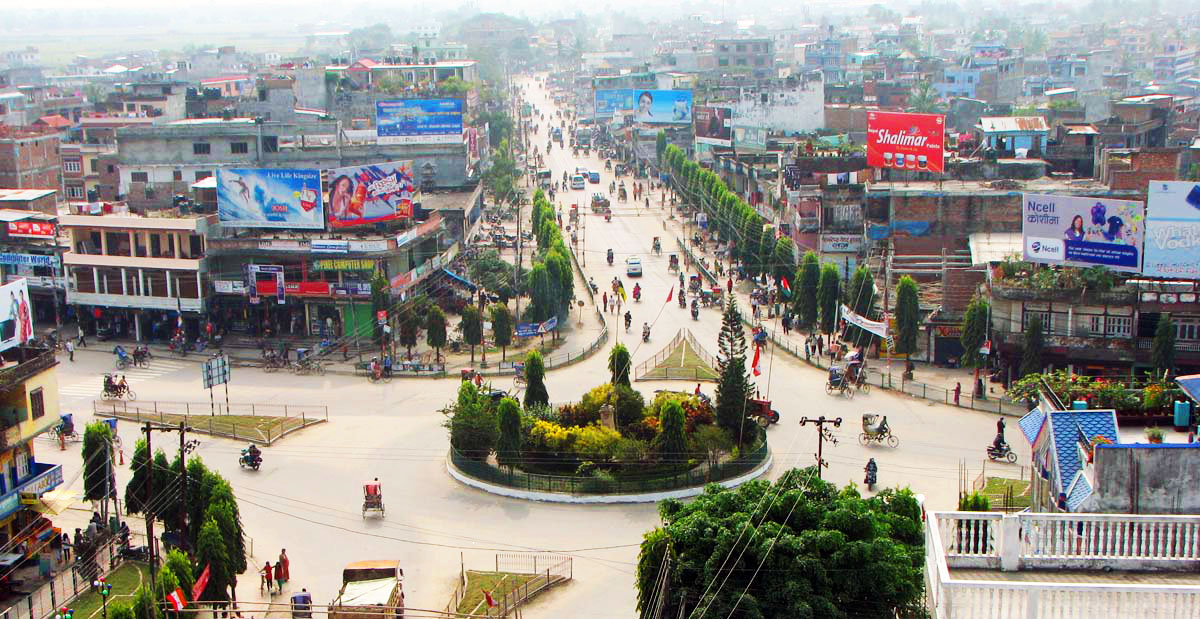
Itahari, Nepal Hero Image
Wikipedia Contributor, CC BY-SA

Itahari, Nepal

Data updated Oct 9, 2026

Follows Nepal Residency Rules. Check Digital Nomad & Retiree Pathways →

📊 Scores

77
FIRE
42
Retiree
44
Digital Nomad

Best fit: FIRE / Geoarbitrage (score: 75)

Itahari sits in southeastern Nepal at an elevation of 114 meters above sea level, roughly 37 kilometers from Biratnagar Airport (BIR). The city experiences a subtropical monsoon climate with hot, humid summers from May to September that bring heavy rainfall, mild winters from December to February, and pleasant spring and autumn transitions. The expat community here is very small, and those who do settle tend to choose the town center as their neighborhood.

Living costs in Itahari are low. A single adult can live on a budget of $550 per month including rent, while a mid-range lifestyle runs $850 per month and a comfortable one $1,200 per month. Excluding rent, a single person spends about $320 monthly and a family of four about $950. Rent for a one-bedroom apartment in the city center is $180 per month; outside the center it drops to $120. A three-bedroom in the center costs just $87 per month, and outside the center $78. Internet runs $6 per month, a mobile phone plan $4, and a gym membership $13. An inexpensive restaurant meal costs $3 per person, a three-course meal for two at a mid-range restaurant is $11, and a cappuccino is $1. The average monthly net salary locally is $194, and the cost of living index is 24 out of 100 (New York City = 100).

The safety index in Itahari is 50 out of 100, and the crime index is also 50 out of 100 (lower is safer). Healthcare quality is rated as poor. English proficiency is limited, which can make daily interactions challenging for newcomers.

Nepal offers a Residential Visa for retirees, which requires a minimum monthly income of $20,000. Itahari is best suited for budget-conscious travelers and those pursuing a FIRE lifestyle, reflected in its FIRE score of 77 out of 100. The overall expat score is 75 out of 100, but the digital nomad score is 44 and the retiree score is 42, indicating the city is not a top choice for remote workers or older expats.
Estimate the cost of moving to Itahari, Nepal

Get a free moving cost estimate for moving to Itahari, Nepal. Takes 10 seconds.

How much are you shipping?

When are you moving?

Powered by Sirelo. Free quotes from international movers.

🏚️ Cost of Living

A 1BR in the center runs about $180/mo. If your income is in another currency, bank FX fees add up. A multi-currency account can cut that cost.

See low-fee transfers

We may earn a commission at no cost to you.

See how Itahari's cost of living compares with Birtamod

Be the first to report costs in Itahari

Share

🛡️ Safety & Crime

50
Safety Index

(Higher is safer)

50
Crime Index

(Lower is safer)

Itahari is a mid-sized city in eastern Nepal with moderate safety conditions. Day-to-day life feels relatively normal for expats, though the city lacks the tourist infrastructure and security presence of Kathmandu. Walking during daylight is generally safe; nighttime walks are possible in main areas but require caution. The city's safety reputation is mixed—it's neither notably dangerous nor particularly secure, reflecting Nepal's broader security landscape.

Petty theft and pickpocketing occur, especially in crowded markets and bus stations. Scams targeting foreigners are less common here than in tourist hubs, but remain possible. Violent crime against expats is rare. Avoid displaying expensive electronics or large amounts of cash. Solo female travelers should exercise standard precautions—avoid isolated areas after dark and use trusted transportation. Political demonstrations occasionally occur but rarely target foreigners directly.

Itahari has experienced occasional political unrest tied to broader Nepali labor and regional disputes, though violence is uncommon. Police presence is limited and corruption exists, so don't rely heavily on law enforcement for minor issues. The city's remoteness from Kathmandu means fewer expat support networks and slower emergency response times. For Americans considering relocation, Itahari is feasible but requires self-reliance and realistic expectations about infrastructure and security compared to major urban centers.

Itahari has a safety index of 50/100. Petty theft and lost belongings are the most common problems for newcomers. Compare travel insurance before you go.

Compare travel insurance

We may earn a commission at no cost to you.

🏥 Healthcare

Poor
Public Hospitals
Yes
Private Clinics
Yes
English-Speaking Doctors
Limited

See how Itahari's healthcare compares with Birtamod

🌤️ Climate

Summer Temp
28°C
Winter Temp
12°C
Humidity
72%
Air Quality Index
68
Annual Rainfall
1730 mm

Best Months

OctNovDecJanFebMar

Climate Notes

Itahari has a subtropical monsoon climate with hot, humid summers (May-September) bringing heavy rainfall, mild winters (December-February), and pleasant spring/autumn transitions.

💻 Digital Nomad

Avg Internet Speed
9 Mbps
Internet (monthly)
$6/mo
Coworking Availability
None
Coworking Spaces Nearby
0
Digital Nomad Score
44/100

Community Notes

Itahari is not well-suited for digital nomads due to limited infrastructure.

Coworking Spaces

NameNotes
Bikalpa Innovation Center (BIC)While not strictly a coworking space, BIC offers a collaborative environment with internet access and a community focus, making it suitable for digital nomads seeking a local connection. Located in Biratnagar, a short drive from Itahari, it provides a change of scenery and networking opportunities.
Impact Hub KathmanduAlthough located in Kathmandu, Impact Hub is a well-known coworking space in Nepal that could be an option for digital nomads willing to travel from Itahari for a few days each month. It offers a professional environment, networking opportunities, and various events.

Names, locations and hours can change. Check each space's website before you visit. Places from © OpenStreetMap contributors and Foursquare Open Source Places (Apache 2.0).

Working remotely from Itahari? Nomad health insurance covers you across borders, month to month.

See nomad insurance

We may earn a commission at no cost to you.

See how Itahari's digital nomad life compares with Birtamod

🧳 Expat Life

English Proficiency
Limited
Expat Community
Very Few
Top Neighborhoods
Town center
Banks Nearby
66
ATMs Nearby
3

Expat Life Notes

A transit and commercial town in eastern Nepal. Very local focus.

Pros

  • ✓ Lower cost of living
  • ✓ Commercial opportunities

Cons

  • ✗ Lacks infrastructure
  • ✗ Hot climate
  • ✗ Language barrier

🏘️ Neighborhoods in Itahari

Areas of Itahari that expats often consider.

Conditions can change from one block to the next, and these descriptions are general guides, not safety assessments. Before choosing where to stay or live, check current travel advisories, talk to people who live there, and visit in person if you can.

Main Bazaar Area

Bustling commercial, local experience

The heart of Itahari, this area is always lively with shops, vendors, and local activity. It's not particularly expat-focused, so expect a fully immersive Nepali experience. While affordable, navigating daily life without Nepali language skills could be challenging.

Hattisar Line

Residential, quieter, family-oriented

A more residential area away from the main bustle, Hattisar Line offers a quieter environment suitable for families or those seeking peace. Public transportation is readily available, but a personal vehicle is recommended for convenience. Expect limited English spoken and fewer amenities catering to Western tastes.

Near Itahari Chowk

Central, convenient, transportation hub

Being close to Itahari Chowk provides easy access to transportation and various services. While not specifically an 'expat area', its central location makes it convenient for accessing different parts of the city and beyond. Expect higher prices due to the prime location and some noise from traffic.

Khanar

Developing, affordable, local living

Located on the outskirts of Itahari, Khanar is a rapidly developing area with more affordable housing options. It offers a glimpse into authentic Nepali life, but infrastructure and amenities may be less developed. Language skills are essential for daily interactions.

Page 1 of 2

Could living/working in Itahari cut years off your work life?

With a 1-bedroom in the center at $180/mo, your FIRE number here might be much lower than you think.

Calculate My FIRE Date →

More Cities to Consider instead of Itahari

FAQ

Frequently Asked Questions about Itahari

Click any question to expand the answer.

Itahari has a population of approximately 74,501 people.
A single person can expect to spend around $450 per month in Itahari, including rent. A 1-bedroom apartment in the city center costs approximately $180/month.
The nearest airport to Itahari is BIR, approximately 37.2km away.
Itahari is considered moderate in terms of safety, with a safety index of 50.0. As with any city abroad, expats should research specific neighborhoods before committing to a location.
Itahari has an average internet speed of 9 Mbps. It is not yet considered a well-established digital nomad destination.
Nepal offers tourist visas (15–90 days) and business visas, but no dedicated expat residency. You'll need to border-run or apply for extensions through immigration in Kathmandu or Biratnagar. The process is bureaucratic and timelines are unpredictable. Many remote workers use tourist visas and extend regularly.
Internet is adequate but inconsistent. Local providers (Ncell, NTC) offer 4G/LTE with speeds around 5–15 Mbps. Reliability drops during monsoon and peak hours. Most expats use a mobile hotspot as backup. Fiber is expanding but not yet widespread in Itahari proper.
Itahari is very affordable. You can rent a decent apartment for $200-$400 USD per month, and groceries are significantly cheaper than in the US. Expect to spend around $800-$1200 USD per month total, depending on your lifestyle, making it ideal for geoarbitrage.
While Itahari has several hospitals, finding doctors with fluent English can be challenging. You might need to travel to nearby Biratnagar or Kathmandu for more specialized care and English-speaking medical professionals. Consider international health insurance that covers treatment in Nepal and potentially medical evacuation.
Areas around the main market (Bargachhi) and near the highway tend to be popular due to their accessibility and amenities. For quieter living, consider areas slightly further from the city center, but ensure they have reliable transportation links. Budget will dictate your options, with more upscale apartments closer to the highway.
Public transportation in Itahari primarily consists of buses, microbuses, and auto-rickshaws (tempos). These are inexpensive but can be crowded. Renting a scooter is a common option for expats, but be aware of traffic conditions. Taxis are also available, but negotiate the fare beforehand.
Itahari has a subtropical climate with hot, humid summers (March-May) and mild, dry winters (November-January). The monsoon season (June-September) brings heavy rainfall. Be prepared for significant temperature variations and pack accordingly.
Itahari doesn't have a large, established expat community compared to Kathmandu or Pokhara. You'll likely need to connect with other expats online or through regional groups. Don't expect a ready-made social circle; be prepared to build your own connections.
Nepal doesn't have a specific retirement visa. However, you can explore options like a tourist visa (renewable, but not for long-term stay), a business visa (if you plan to invest), or a non-tourist visa based on other criteria. Consult with an immigration lawyer in Nepal for the most up-to-date information.
As a US citizen, you're required to file US taxes even when living abroad. The Foreign Earned Income Exclusion (FEIE) can help you exclude a certain amount of your income from US taxes. Also, be aware of FBAR requirements for reporting foreign bank accounts. Consult with a tax professional specializing in expat taxes.
The primary language is Nepali. While some people in tourist-oriented businesses or government offices may speak some English, it's beneficial to learn basic Nepali phrases for daily interactions. Outside of the main areas, English proficiency is limited.
Yes, you'll find several ATMs affiliated with major Nepali banks like Nabil Bank and Nepal Investment Bank in Itahari. However, be prepared for potential transaction fees and lower withdrawal limits compared to the US. Research banks with favorable international transaction policies.
Itahari is generally considered safe, but petty theft can occur, especially in crowded areas. Avoid walking alone late at night in poorly lit areas. As with any city, be aware of your surroundings and take basic safety precautions.
Yes, $2,000 USD per month is more than sufficient for a comfortable retirement in Itahari. You can afford a nice apartment, eat well, and still have money left over for travel and leisure activities. It's a very viable option for FIRE individuals seeking a low cost of living.
Itahari offers a mix of Nepali and Indian cuisine, with plenty of local restaurants (bhattis) serving dal bhat and momos. You'll also find some Chinese and continental options. While not a culinary hotspot, you can eat well and affordably.

Share This Guide