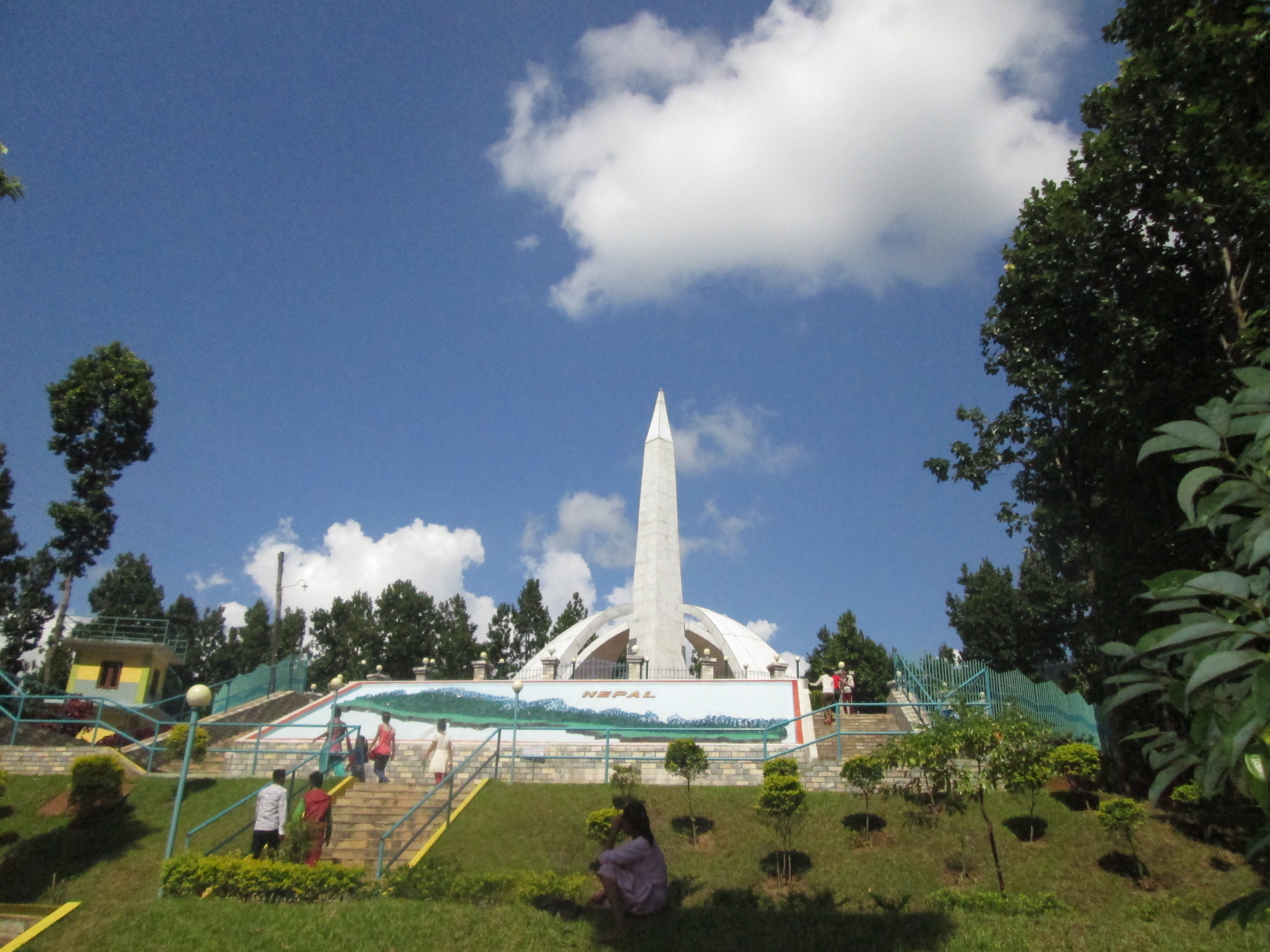
The Hetauda Industrial District, established in 1963 with US backing, remains the economic spine here—textiles, cement, steel, and food processing dominate. Most expats and locals work in manufacturing, logistics, or government roles tied to Bagmati Province administration (Hetauda became provincial capital in 2020). The job market is real but narrow; you're either in industry or you're teaching English. Growth has been steady—population jumped from 154k to 194k between 2015–2021—but opportunities for remote workers or freelancers are thin.
Rent runs $180/month for a one-bedroom in the center, utilities another $30–40. Transport is cheap: local buses cost pennies, but roads are potholed and schedules unreliable. Healthcare exists but quality varies sharply; serious issues mean traveling to Kathmandu (90km, 2–3 hours). Nepali is essential—English penetration is low outside schools and hotels. Bureaucracy for residency permits is standard Nepal friction: slow, document-heavy, requires patience. Internet is adequate but not fast.
Subtropical valley climate means warm, humid summers and mild winters; monsoon (June–September) brings heavy rain and landslide risk. Food is dal-bhat-heavy with limited variety unless you cook yourself. The expat community is tiny—mostly English teachers and NGO staff. Weekends mean hiking the Chure hills, exploring local temples, or day-tripping to Kathmandu. Hetauda suits people seeking genuine industrial Nepal, low cost, and quiet—not digital nomads chasing nightlife or coworking spaces.