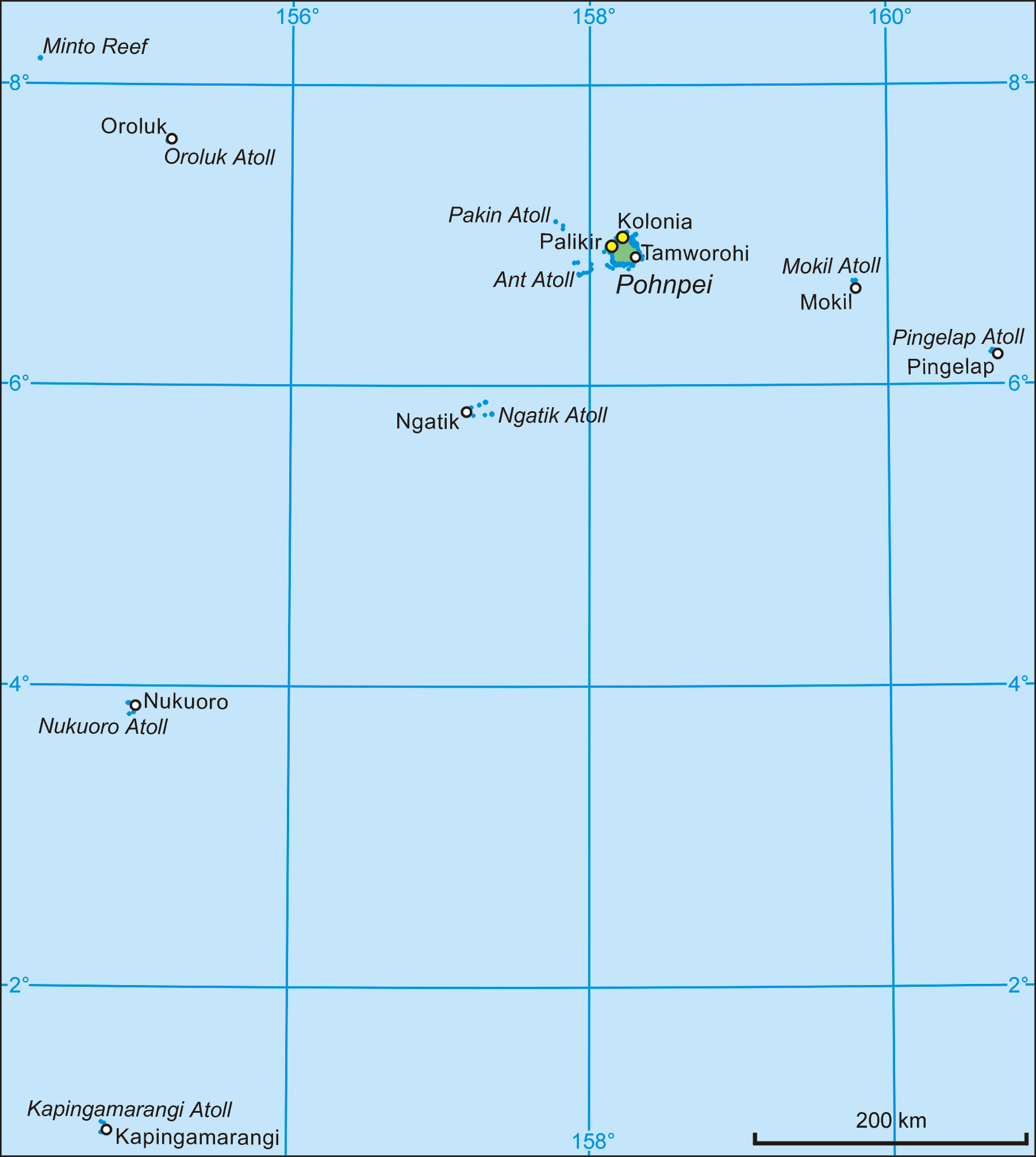
The economy runs almost entirely on U.S. compact funding—roughly 60% of government revenue comes from Washington. Government jobs dominate employment; private sector work is scarce. Fishing and subsistence agriculture persist but don't generate expat income. Tourism exists (Nan Madol ruins, diving) but remains underdeveloped. Most expats here work for NGOs, the FSM government, or teach English. Self-employment is possible but requires patience with import delays and limited local markets.
Rent for a one-bedroom in town runs $620–$800/month; imported goods cost 40–60% more than U.S. mainland prices. Healthcare is basic—serious issues require evacuation to Guam. English is widely spoken, so language isn't a barrier. Bureaucracy is slow but not hostile; residency requires sponsorship or business registration. Internet is reliable but expensive ($60–$100/month). No car rental; taxis and walking dominate. Shipping delays are real and frequent.
Pohnpei is wet—7,600mm annual rainfall means constant humidity and mold. Weekends involve hiking, diving, or exploring Nan Madol. The expat community is tiny (maybe 200–300 people), mostly government and aid workers. Social life revolves around a handful of bars and church events. Food is limited to imported staples and fresh fish; dining out is expensive. This suits remote workers with government contracts, researchers, or people genuinely committed to island life—not casual digital nomads.
Estimate the cost of moving to Pohnpei, Micronesia
Get a free moving cost estimate for moving to Pohnpei, Micronesia. Takes 10 seconds.
How much are you shipping?
When are you moving?
Powered by Sirelo. Free quotes from international movers.
🏚️ Cost of Living
💰 Budgets and Costs
$1,189/mo, one person, rent included
Selected: budget lifestyle
Pohnpei on a budget budget comes to about $1,189 a month for one adult, with $622 of that going to rent. Beyond rent the estimate covers $124 on groceries, $46.00 on dining out, $24.00 on entertainment and lifestyle and $373 on utilities and connectivity.
Rent
$622/mo
1BR outside the centre
Groceries
$124/mo
75% of mid-range grocery spend
Dining out
$46.00/mo
4 inexpensive meals
Entertainment & lifestyle
$24.00/mo
8 cappuccinos
Utilities & connectivity
$373/mo
utilities, mobile, internet
Budgets (excl. rent)
Single person$567/mo
Excludes rent. The total above is all-in, rent included.
$1,331/mo, one person, rent included
Selected: mid-range lifestyle
Pohnpei on a mid-range budget comes to about $1,331 a month for one adult, with $622 of that going to rent. Beyond rent the estimate covers $165 on groceries, $115 on dining out, $56.00 on entertainment and lifestyle and $373 on utilities and connectivity.
Rent
$622/mo
1BR outside the centre
Groceries
$165/mo
Staples basket scaled to a full month
Dining out
$115/mo
10 inexpensive meals
Entertainment & lifestyle
$56.00/mo
gym, 12 cappuccinos
Utilities & connectivity
$373/mo
utilities, mobile, internet
Budgets (excl. rent)
Single person$709/mo
Excludes rent. The total above is all-in, rent included.
$1,788/mo, one person, rent included
Selected: comfortable lifestyle
Pohnpei on a comfortable budget comes to about $1,788 a month for one adult, with $900 of that going to rent. Beyond rent the estimate covers $231 on groceries, $204 on dining out, $80.00 on entertainment and lifestyle and $373 on utilities and connectivity.
Rent
$900/mo
1BR in the centre
Groceries
$231/mo
140% of mid-range grocery spend
Dining out
$204/mo
6 inexpensive meals + 6 mid-range meals
Entertainment & lifestyle
$80.00/mo
gym, 20 cappuccinos
Utilities & connectivity
$373/mo
utilities, mobile, internet
Budgets (excl. rent)
Single person$888/mo
Excludes rent. The total above is all-in, rent included.
Estimates for one adult, built from this city's average prices and the usage shown for each tier. Your spending will differ with how often you eat out and where you live.
A 1BR in the center runs about $900/mo. If your income is in another currency, bank FX fees add up. A multi-currency account can cut that cost.
Pohnpei is relatively safe for expats compared to many Pacific and developing regions, with a low violent crime rate and strong community-oriented culture. Petty theft and break-ins are the primary concerns, particularly in Kolonia town; secure your residence well and avoid displaying valuables. Drunk driving and occasional inter-island tensions exist but rarely affect expats directly. The main practical challenges are isolation, limited medical facilities, and typhoon season (June-November) rather than crime. Overall, a reasonable choice for remote workers or retirees seeking a quiet, stable environment, though you'll need patience with limited infrastructure and services.
🏥 Healthcare
Fair
Public Hospitals
Yes
Private Clinics
Yes
English-Speaking Doctors
Available
See how Pohnpei's healthcare compares with Kolonia
🌤️ Climate
Climate Zones
Tropical
Summer Temp
28°C
Winter Temp
27°C
Humidity
82%
Air Quality Index
35
Annual Rainfall
5968 mm
Best Months
FebMarApr
Climate Notes
Pohnpei has a tropical climate with consistently warm temperatures year-round, extremely high humidity, and heavy rainfall throughout the year with a slightly wetter season from May to November.
💻 Digital Nomad
Avg Internet Speed
20 Mbps
Internet (monthly)
$198/mo
Coworking Availability
Limited
Coworking Spaces Nearby
0
Digital Nomad Score
55/100
Community Notes
Beautiful island but lacks infrastructure for work-related needs.
While not a dedicated coworking space, the Pohnpei Public Library offers a quiet, air-conditioned environment with free Wi-Fi, suitable for focused work. Located in Kolonia, it's a budget-friendly option for digital nomads seeking a basic workspace.
Ocean View Plaza offers office space rentals and likely has flexible options suitable for remote workers; inquire about daily or weekly rates. Located in a central area of Kolonia, it provides a professional environment with potential for networking.
See how Pohnpei's digital nomad life compares with Kolonia
🧳 Expat Life
English Proficiency
Limited
Expat Community
small
Banks Nearby
2
ATMs Nearby
3
🏘️ Neighborhoods in Pohnpei
Areas of Pohnpei that expats often consider.
Conditions can change from one block to the next, and these descriptions are general guides, not safety assessments. Before choosing where to stay or live, check current travel advisories, talk to people who live there, and visit in person if you can.
Kolonia
Bustling commercial and government center
Kolonia is the main hub, offering the most services, shops, and restaurants. Many expats and government workers reside here. Walkability is decent within the central area, but transport is needed for longer distances. Expect some noise and traffic.
Sokehs
Scenic, quieter coastal living
Sokehs offers a more relaxed atmosphere with beautiful coastal views. It's further from the main town, so a car is essential. Housing options are more limited, and integration into the local community is key.
Madolenihmw
Traditional, rural, historical significance
Home to Nan Madol, this area is rich in history and culture. It's a very rural setting, offering a glimpse into traditional Pohnpeian life. Expect limited amenities and a strong reliance on local customs. Requires significant cultural sensitivity.
Net
Residential, family-oriented, peaceful
Net is a quieter residential area, suitable for those seeking a more peaceful environment. It's located near the airport. Public transport is limited, so having a vehicle is recommended. Expect a slower pace of life.
U
Agricultural, lush, remote
U is known for its fertile land and agricultural activities. It's one of the more remote areas of Pohnpei. Housing is very basic, and access to services is limited. Ideal for those seeking a truly immersive experience.
Kitti
Southern coast, surfing, nature
Kitti is located on the southern coast and is known for its surfing spots and natural beauty. It's a more isolated area with limited infrastructure. Suitable for adventurous expats who enjoy outdoor activities and don't mind a basic lifestyle.
Page 1 of 2
Could living/working in Pohnpei cut years off your work life?
With a 1-bedroom in the center at $900/mo, your FIRE number here might be much lower than you think.
Pohnpei has a population of approximately 36,800 people.
A single person can expect to spend around $2,250 per month in Pohnpei, including rent. A 1-bedroom apartment in the city center costs approximately $900/month.
The nearest airport to Pohnpei is PNI, approximately 8.6km away.
Pohnpei is considered relatively safe, with a safety index of 65.0. As with any city abroad, expats should research specific neighborhoods before committing to a location.
Pohnpei has an average internet speed of 20 Mbps. It is not yet considered a well-established digital nomad destination.
Technically yes, but it's not ideal. Internet is reliable enough for video calls, but you'll need a work visa or business registration. The expat community is tiny and isolated. Most digital nomads find it too remote and expensive compared to Southeast Asia. Better for people already committed to the island.
Hot, humid, and very wet. Pohnpei gets 7,600mm of rain annually—one of the world's wettest places. Expect rain most days, especially September–November. Mold and moisture damage are constant problems. If you hate humidity and rain, don't come here.
US citizens can enter Pohnpei visa-free for up to 30 days. For longer stays, you'll need to apply for a residency permit, which requires sponsorship from a local business or family, or proof of sufficient financial resources. The process can be bureaucratic, so start your research well in advance.
Pohnpei is generally considered safe, with petty theft being the most common concern, especially in Kolonia town. Violent crime is rare, but it's always wise to be aware of your surroundings, especially at night. Avoid walking alone in poorly lit areas.
Healthcare in Pohnpei is limited. The main hospital, Pohnpei State Hospital, can handle basic medical needs, but serious conditions often require evacuation to Guam or Hawaii. While some doctors have trained abroad and speak English, it's advisable to have comprehensive travel insurance that covers medical evacuation.
Internet speed in Pohnpei can be unreliable and slow compared to the US. While 4G is available, it's not always consistent. Expect speeds sufficient for basic tasks like email and browsing, but video conferencing can be challenging at times. Consider a backup internet source if reliable connectivity is crucial for your work.
Coworking spaces are not common in Pohnpei. Some hotels and cafes offer Wi-Fi, but the reliability can vary. Your best bet is to find accommodation with a decent internet connection and potentially invest in a local SIM card for mobile data as a backup.
Public transportation in Pohnpei consists mainly of privately owned vans that operate as shared taxis. They're inexpensive but can be crowded and follow unpredictable routes. Renting a car is the most convenient way to explore the island, but be prepared for rough roads in some areas.
The expat community in Pohnpei is small but welcoming, consisting mainly of aid workers, teachers, and government advisors. Social events are often organized through word-of-mouth or online groups. Joining these networks is a great way to meet people and get settled.
Kolonia offers the most amenities and is convenient for accessing shops and restaurants. Sokehs is a quieter residential area with beautiful coastal views. Madolenihmw is further from town but offers a more rural experience. Your choice depends on your budget and lifestyle preferences.
There are a few local banks in Pohnpei, but international transfers can be slow and expensive. Services like Xoom or Wise can be used, but check the fees and exchange rates carefully. ATMs are available in Kolonia, but it's wise to carry some cash, especially when traveling outside the main town.
While Pohnpeian is the local language, English is widely spoken, especially in Kolonia and among younger generations. You can generally get by without speaking Pohnpeian, but learning a few basic phrases will be appreciated by locals and enhance your experience.
As a US citizen, you're still required to file US taxes even when living abroad. You may be eligible for the Foreign Earned Income Exclusion (FEIE) or the Foreign Tax Credit, which can significantly reduce your tax burden. Consult with a tax professional specializing in expat taxes to ensure compliance.
Retiring in Pohnpei on $2,000 per month is possible, but requires careful budgeting. You'll need to prioritize affordable housing, cook your own meals, and limit travel. Healthcare costs can be unpredictable, so factor in health insurance. It's doable, but you'll need to embrace a simple lifestyle.
Local cuisine in Pohnpei features fresh seafood, breadfruit, taro, and coconut. Eating at local restaurants is very affordable, with meals costing around $5-$10. Imported food is more expensive, so cooking at home with local ingredients is a great way to save money.
Pohnpeian culture is based on respect, community, and tradition. Dress modestly, especially when visiting villages. Be mindful of local customs, such as removing your shoes before entering a home. Patience and a willingness to learn about the culture will go a long way in building relationships.
Cost-of-living and visa updates for Pohnpei and the rest of Micronesia. Free with RA Postcards.
By submitting your email address, you will receive a free subscription to RA Postcards and special offers from Rewire Abroad and our affiliates. You can unsubscribe at any time, and we encourage you to read more about our Privacy Policy.