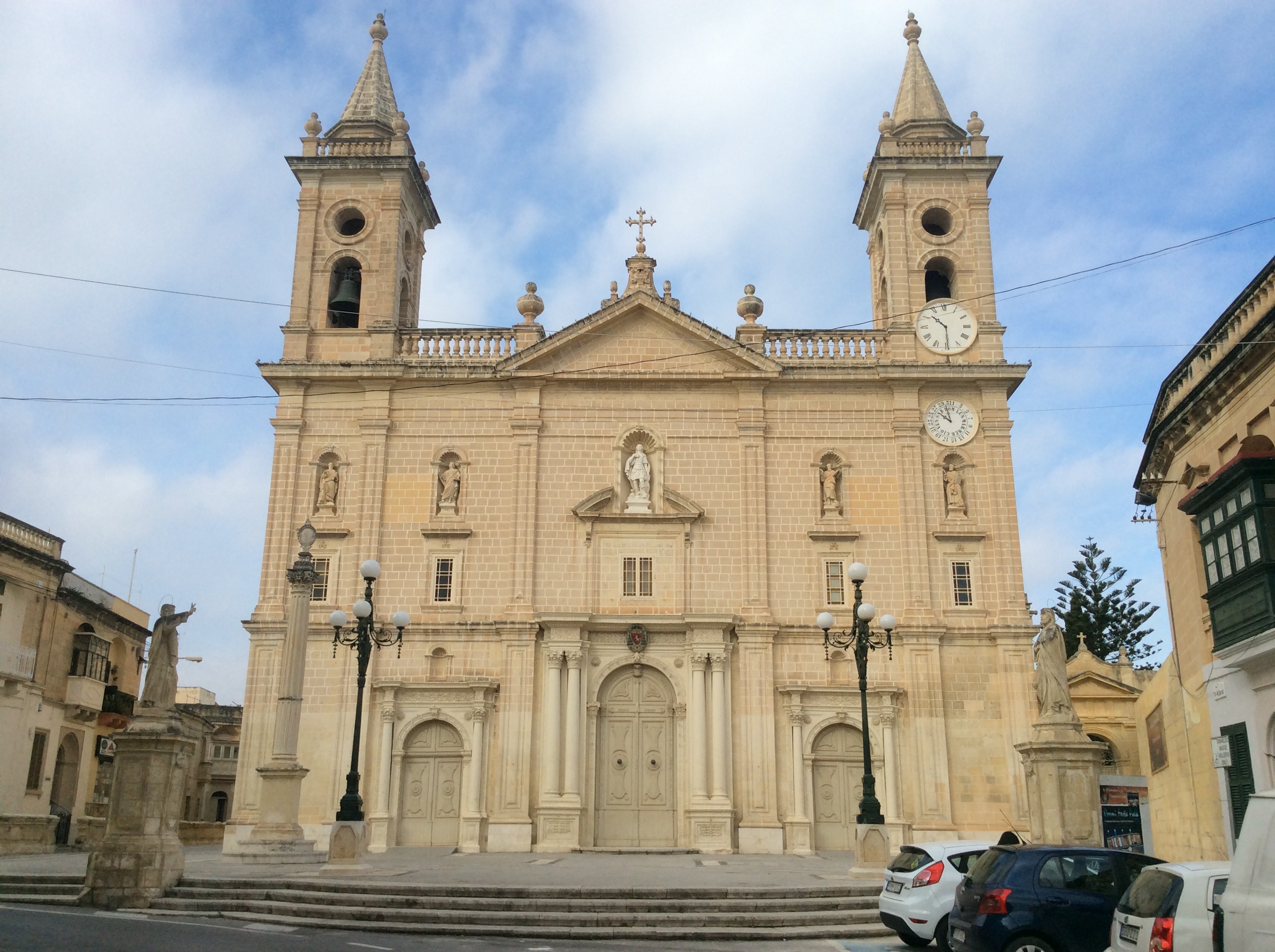
Malta’s iGaming industry has reshaped the island’s economy, but that money barely trickles into Qormi. This is a working town built on bakeries, small manufacturing, and the kind of local commerce that doesn’t show up in relocation brochures. You won’t find a foreigner-friendly job market here unless you’re remote. Internet sits at a reliable 88 Mbps, so working from home is entirely viable, and your monthly spend outside of rent will hover around $980. A one-bedroom apartment in the center costs about $1,050, which undercuts the Sliema and St. Julian’s circus by a wide margin. That’s the tradeoff: you get affordability and zero scene.
Housing splits between centuries-old townhouses carved into flats and newer apartment blocks with all the soundproofing of a shoebox. The bus network connects you to Valletta in half an hour on a good day, but service is erratic and most residents drive, turning every trip to the grocer into a parking knife fight in medieval-width streets. Healthcare is free at the point of use once you’re a resident, yet the residency process itself is a slow-motion migraine of forms, medical checks, and waiting rooms where Maltese is the default. English is spoken everywhere, so daily life isn’t a language barrier, but official documents and government counters will remind you that you’re a guest. Summer heat is relentless, construction dust is constant, and green space is a joke.
Retirees get this town. The safety numbers are absurdly good, with a crime index of 18, and the 14.6-kilometer hop to the airport makes escaping winter or welcoming family painless. You can live quietly, affordably, and anonymously among people who have been baking bread here for generations. Digital nomads, not so much. If your idea of a good Tuesday involves a co-working space, a cold brew, and a meetup, you’ll be commuting to Sliema daily and