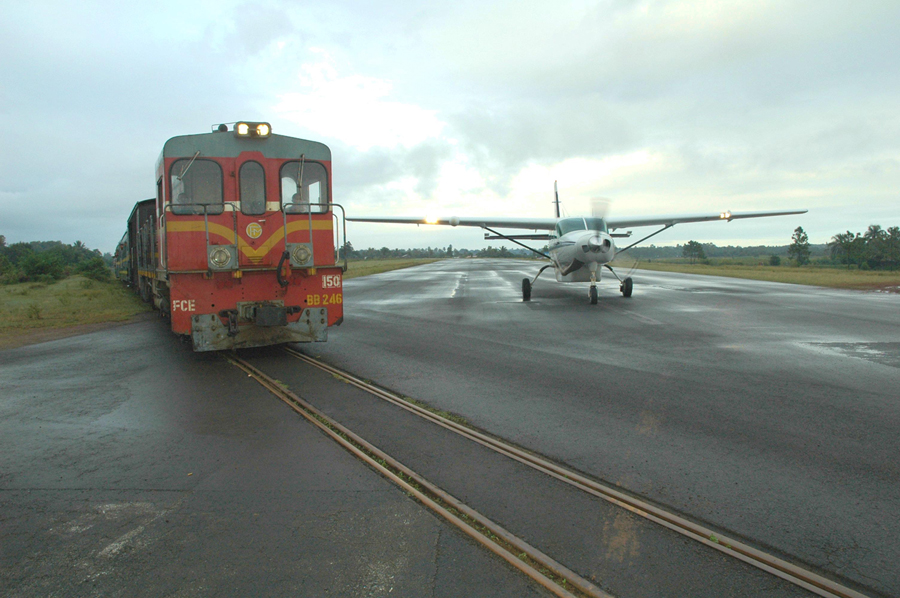
Manakara's economy centers on agricultural exports, with vanilla, rice, and clove production driving local economic activity. Small-scale fishing and emerging tourism contribute to the economic landscape. The city's port facilitates limited maritime trade, while the Fianarantsoa-Côte Est railway provides critical transportation infrastructure connecting coastal and inland regions.
Living costs in Manakara remain affordable, with basic necessities priced lower than major urban centers. Housing is relatively inexpensive, and transportation relies primarily on the railway and local buses. Healthcare infrastructure is basic, with limited medical facilities. French and Malagasy are primary languages, though English proficiency is minimal, potentially challenging for international expats.
The tropical maritime climate offers consistent temperatures around 27°C, creating a comfortable environment for outdoor activities. Social life revolves around local markets, community gatherings, and coastal interactions. The emerging expat community is small but growing, with opportunities for cultural exchange. Coastal beaches and the unique railway provide distinctive recreational options for residents and visitors.
Estimate the cost of moving to Manakara, Madagascar
Get a free moving cost estimate for moving to Manakara, Madagascar. Takes 10 seconds.
How much are you shipping?
When are you moving?
Powered by Sirelo. Free quotes from international movers.
🏚️ Cost of Living
If your income is in another currency, bank FX fees add up every month. A multi-currency account can cut that cost.
Manakara is a modest port town with moderate safety concerns typical of rural Madagascar. Petty theft and opportunistic crime target foreigners, particularly in crowded markets and near the port; violent crime is uncommon but street robbery occurs. Avoid displaying valuables, walking alone after dark, and the waterfront at night. Political instability in the capital occasionally affects provincial towns, though Manakara remains relatively insulated. For a retiree or remote worker, it's manageable with sensible precautions—hire local staff for errands, use trusted transportation, and maintain low visibility. Not ideal for those seeking high security, but feasible for adaptable expats comfortable with developing-world conditions.
Manakara has a safety index of 60/100. Petty theft and lost belongings are the most common problems for newcomers. Compare travel insurance before you go.
See how Manakara's healthcare compares with Toamasina
🌤️ Climate
Summer Temp
28°C
Winter Temp
24°C
Humidity
82%
Air Quality Index
35
Annual Rainfall
2202 mm
Best Months
AprMaySepOct
Climate Notes
Manakara has a tropical humid climate with warm temperatures year-round, heavy rainfall from November to March, and a drier cooler season from May to September.
💻 Digital Nomad
Avg Internet Speed
20 Mbps
Internet (monthly)
$55/mo
Coworking Availability
None
Coworking Spaces Nearby
0
Digital Nomad Score
44/100
Community Notes
Manakara is suitable for adventurous nomads seeking an off-the-beaten-path experience.
Located near the beach, this coworking space offers a relaxed atmosphere with ocean views. It's a great option for digital nomads looking for a quiet and inspiring workspace outside the city center.
While primarily a hotel, Hotel H1 offers business center facilities suitable for remote work, including reliable internet and meeting rooms. Located centrally, it provides a convenient and professional environment.
See how Manakara's digital nomad life compares with Toamasina
🧳 Expat Life
English Proficiency
Limited
Expat Community
small
Banks Nearby
10
ATMs Nearby
1
🏘️ Neighborhoods in Manakara
Areas of Manakara that expats often consider.
Conditions can change from one block to the next, and these descriptions are general guides, not safety assessments. Before choosing where to stay or live, check current travel advisories, talk to people who live there, and visit in person if you can.
Manakara Be
Bustling commercial and transport hub
The heart of Manakara, centered around the train station and main market. Very lively and affordable, but can be noisy and overwhelming. Limited English spoken, so some Malagasy language skills are helpful.
Tanambao
Residential, quieter, local atmosphere
A more residential area slightly removed from the central bustle. Offers a glimpse into everyday Malagasy life. Less tourist infrastructure, but potentially more authentic and peaceful.
Vatovavy
Coastal, relaxed, fishing village
Located near the beach, offering a more relaxed pace of life. Some guesthouses and small restaurants cater to tourists. Good for those seeking a coastal lifestyle, but amenities are limited.
Antsena
Southern, developing, agricultural area
Further south of the city center, Antsena is a more rural area with a strong agricultural focus. Very budget-friendly, but lacks infrastructure and services. Requires a higher degree of self-sufficiency.
Cite
Governmental, planned, residential
A planned residential area, often housing government employees. Generally safer and more organized than other parts of town. May offer slightly better infrastructure, but lacks the charm of older neighborhoods.
Page 1 of 2
Could living/working in Manakara cut years off your work life?
With a 1-bedroom in the center at $314/mo, your FIRE number here might be much lower than you think.
Manakara has a population of approximately 40,453 people.
The nearest airport to Manakara is WVK, approximately 4km away.
Manakara is considered relatively safe, with a safety index of 60.0. As with any city abroad, expats should research specific neighborhoods before committing to a location.
Manakara has an average internet speed of 20 Mbps. It is not yet considered a well-established digital nomad destination.
Malagasy is the primary local language, with French widely used in official and business contexts. Limited English is spoken.
Job opportunities are primarily in agriculture, fishing, emerging tourism, and local trade. Expats may find limited professional positions.
Manakara has a tropical rainforest climate, meaning it's hot and humid year-round. Expect high rainfall, especially during the cyclone season from November to April. Pack light, breathable clothing and be prepared for frequent showers.
Manakara is very affordable. You can rent a decent house outside the city center for around $200-$300 per month. Groceries are cheap at the local markets, and eating out at local eateries costs just a few dollars per meal.
Like any city, Manakara has areas with higher crime rates. It's best to avoid walking alone at night in poorly lit areas, especially near the beach south of the train tracks. Stick to well-traveled streets and be aware of your surroundings.
Internet speeds in Manakara can be unreliable. While 4G is available, it's not always consistent, and power outages can disrupt service. Consider investing in a local SIM card with a data plan and a backup power source if you rely heavily on the internet for work.
The primary mode of transport is the pousse-pousse (rickshaw), which is cheap and readily available. Taxis are also an option, but agree on a price beforehand. The train is a unique experience, but it's slow and often delayed.
US citizens can obtain a tourist visa on arrival, valid for up to 90 days. For longer stays, you'll need to apply for a long-stay visa or residency permit through the Malagasy embassy or consulate in your home country, often requiring proof of income or investment.
Healthcare in Manakara is limited. There are a few local clinics and a regional hospital, but the quality of care may not meet Western standards. For serious medical issues, evacuation to Antananarivo or even overseas might be necessary, so comprehensive travel insurance is essential.
ATMs are available in Manakara, but they may not always accept foreign cards. BFV-Societe Generale is generally the most reliable option. It's wise to bring US dollars and exchange them at a bank or authorized exchange bureau for local currency (Ariary).
The expat community in Manakara is quite small, consisting mostly of aid workers, missionaries, and a few adventurous retirees. Social opportunities are limited, so be prepared to create your own social network and embrace the local culture.
Absolutely. Manakara offers a very low cost of living, making it an attractive option for retirees on a fixed income. A monthly budget of $1000-$1500 USD could provide a comfortable lifestyle, covering rent, food, and basic expenses.
While French is more widely spoken than English, you can get by with basic French phrases and a willingness to learn. Many locals appreciate the effort to communicate in their language. Be patient and embrace the slower pace of life.
As a US citizen, you're still required to file US taxes even when living abroad. The Foreign Earned Income Exclusion (FEIE) can help you exclude a certain amount of your foreign-earned income from US taxes. Also, be aware of FBAR and FATCA reporting requirements for foreign bank accounts.
Yes, Manakara is absolutely viable for early retirement on $2000 per month. You could live very comfortably, renting a spacious house, hiring help, and enjoying local experiences. The key is to embrace a simpler lifestyle and adapt to the local culture.
Cost-of-living and visa updates for Manakara and the rest of Madagascar. Free with RA Postcards.
By submitting your email address, you will receive a free subscription to RA Postcards and special offers from Rewire Abroad and our affiliates. You can unsubscribe at any time, and we encourage you to read more about our Privacy Policy.