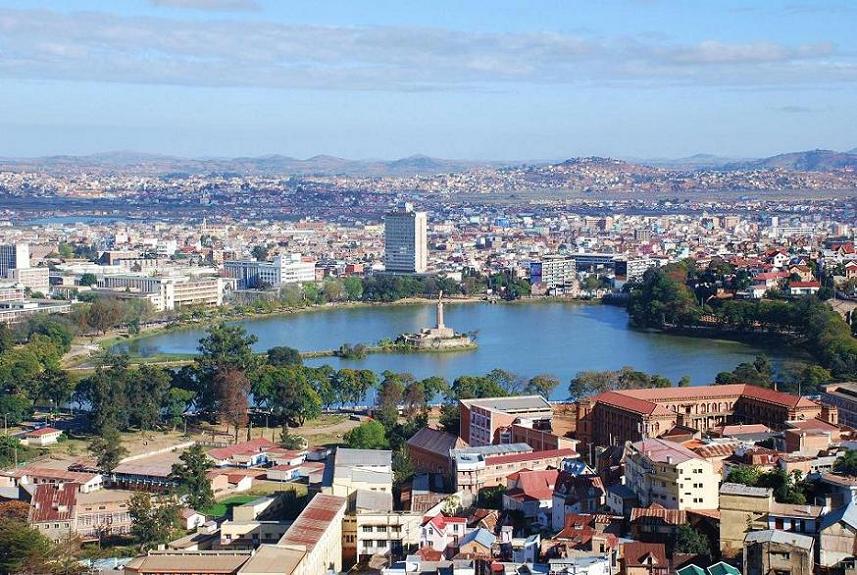
Antananarivo, Madagascar
Data updated Jun 10, 2026
📊 Scores
The money here is in government, aid work, and a small but scrappy tech scene that mostly serves the local market. If you're coming as a foreigner without French, your job options collapse to almost nothing. Embassies and NGOs occasionally hire outsiders, but those gigs go fast and usually get filled before the posting ever goes public. Remote work is what keeps most expats here afloat, and the numbers make that plausible on paper: $480 a month covers your basics, and if you land a one-bedroom in the city center for around $450, you're looking at a total burn under a grand. That's genuinely cheap. The catch is the internet. You're getting 20 Mbps on a good day, and outages are regular enough that you'll need a local SIM as backup. If your income depends on seamless video calls and fat file transfers, Antananarivo will test your patience in ways that go past inconvenience and into lost-client territory.
Renting here is a cash-upfront, no-shortcuts affair. Landlords often want six months to a year paid in advance, and contracts in Malagasy or French mean you need a translator unless you want to sign something you don't understand. Public transport is a mess of overcrowded vans and buses with no fixed schedules, so most expats either walk, use taxis, or buy a car and learn to navigate traffic that chokes the hills for hours. Healthcare exists in the capital and is better than anywhere else in Madagascar, but better is a relative term. For anything serious, you're flying to Réunion or South Africa. Bureaucracy moves at its own rhythm here, and that rhythm is slow. Residency permits, bank accounts, even getting a SIM card registered properly can eat whole days. French gets you through most of it. English won't get you far with officials or shopkeepers. The climate, at least, is a genuine reprieve: at 1,276 meters, the highland air stays mild year-round, which makes the daily grind feel less punishing than it might in a coastal steam bath.
Who thrives here? People with flexible remote incomes, low material expectations, and enough French to handle paperwork and social life. Aid workers who've done stints in rougher African posts often find Tana manageable, even enjoyable. The food scene is underrated, street-side brochettes and French bakeries mix with solid international kitchens, and the expat community leans young, social, and unpretentious. Retirees, though, should think twice. That safety index of 35 is not abstract. Street crime, pickpocketing, and occasional home break-ins are facts of life, and the lack of reliable emergency services means you're largely on your own. Digital nomads can make it work if they're not clock-bound and have backup connectivity. But if you need reliable infrastructure, clean air (burning season fills the city with smoke), or a straightforward path to residency, this isn't your place. Antananarivo doesn't coddle anyone. It asks more than it gives, and you either find that exchange invigorating or you book a flight out after three months.
🏚️ Cost of Living
💰 Budgets and Costs
Grocery Basket
Eating Out
Utilities & Lifestyle
Housing
💰 Real Spend Reports
🛡️ Safety & Crime
(Higher is safer)
(Lower is safer)
Antananarivo presents moderate-to-high safety concerns for expats. Petty theft, pickpocketing, and home burglaries are common, particularly in central districts and markets. Violent crime exists but is less frequent against foreigners. Avoid walking alone after dark, especially in Analakely and lower-income neighborhoods. Political instability occasionally flares, causing temporary unrest. Most expats live safely by maintaining situational awareness, using trusted drivers, and securing residences well. This city requires more caution than typical Western retirement destinations but is manageable with practical precautions.
🏥 Healthcare
🌤️ Climate
Best Months
Climate Notes
Antananarivo has a subtropical highland climate with warm, wet summers (November–March) and cool, dry winters (May–September), making it pleasantly temperate year-round despite tropical location.
💻 Digital Nomad
Community Notes
| Name | Price/mo | Notes |
|---|---|---|
| HABAKA Coworking | $60 | Located in Antananarivo, HABAKA Coworking offers a collaborative workspace with reliable internet, meeting rooms, and a community-focused environment. It's a good option for expats seeking a local vibe and affordable rates. |
| Orange FabLab Madagascar | $40 | While primarily a fabrication laboratory, Orange FabLab offers coworking options with access to digital fabrication tools and resources. Located in Antananarivo, it's suitable for tech-minded remote workers and digital nomads interested in prototyping and innovation. |
| Impact Hub Antananarivo | $75 | Part of the global Impact Hub network, this location in Antananarivo provides a collaborative workspace focused on social impact and entrepreneurship. It offers various membership options, meeting rooms, and a supportive community, making it ideal for expats interested in connecting with local initiatives. |
🧳 Expat Life
Expat Life Notes
Chaotic, colorful capital. Expat life restricted to specific safe enclaves.
Pros
- ✓ Exotic culture
- ✓ Low costs
Cons
- ✗ Safety risks
- ✗ Severe traffic/pollution
- ✗ Infrastructure gaps
Could living/working in Antananarivo cut years off your work life?
With a 1-bedroom in the center at $360/mo, your FIRE number here might be much lower than you think.