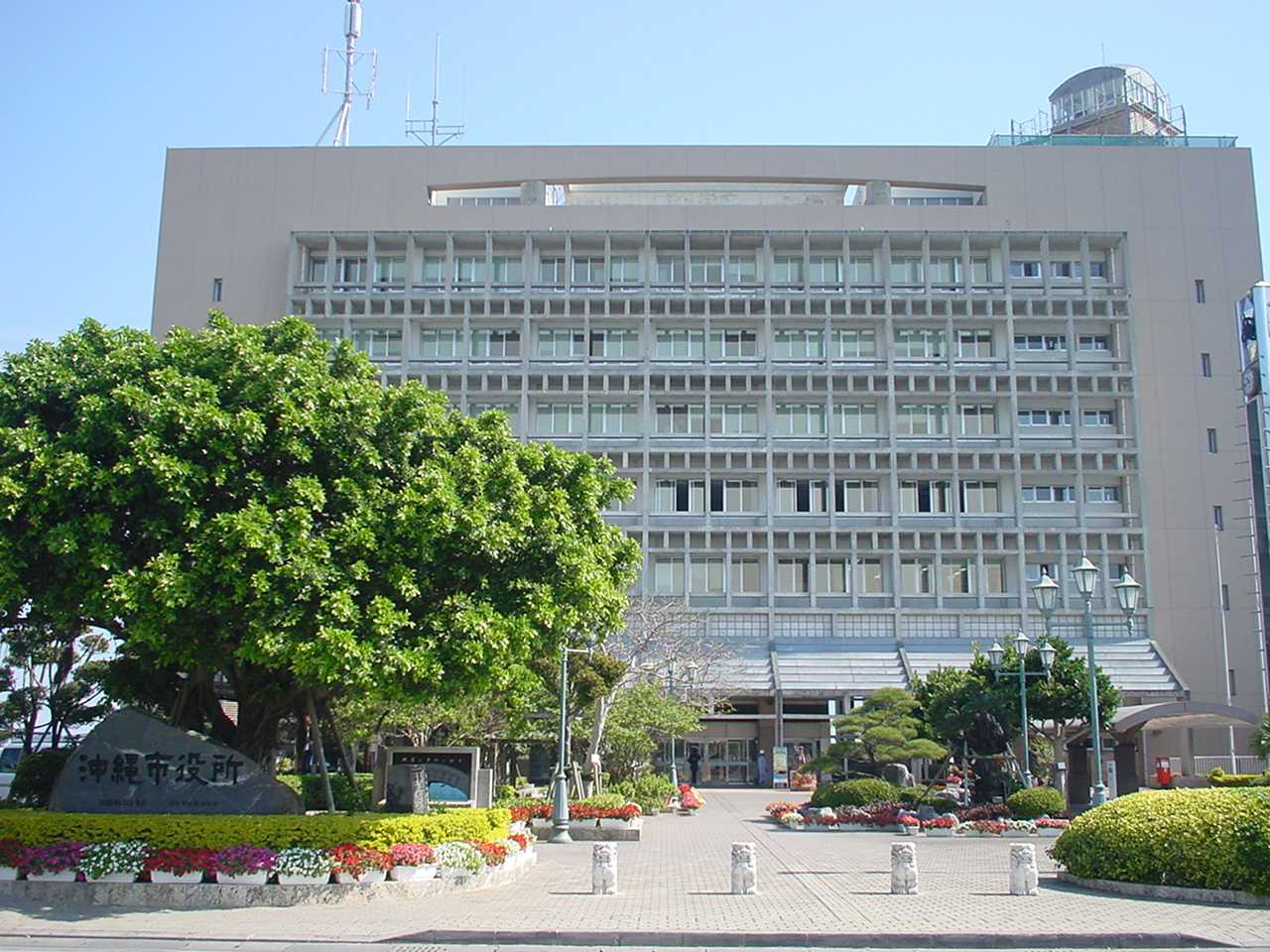
Tourism and the U.S. military presence are the twin engines of Okinawa's economy, and neither offers much for the average expat looking for professional work. Hotels, restaurants, and retail dominate hiring, with wages that are consistently among the lowest of any Japanese prefecture. The base economy — contractors, logistics, and service businesses catering to roughly 25,000 U.S. military personnel — creates some English-language adjacent work, but it's a closed ecosystem. Remote workers and retirees fare better here than job-seekers; local manufacturing is thin and corporate headquarters essentially don't exist.
A one-bedroom in Naha city center runs around $750/month, which sounds reasonable until you factor in that groceries and imported goods cost noticeably more than Tokyo due to shipping logistics. The Yui Rail monorail covers central Naha but stops well short of most residential areas, so a car or scooter is a practical necessity. Healthcare is accessible and Japan's national insurance system applies here, but navigating it without Japanese is genuinely difficult — English-speaking doctors exist near the bases but aren't evenly distributed. Bureaucracy runs on Japanese, full stop, and residency paperwork will require either fluency or a patient bilingual helper.
The subtropical climate means warm winters and brutally humid summers, with typhoon season running June through October and occasionally shutting the islands down for days at a time. Weekends mean beaches, diving, and exploring smaller islands by ferry — the natural environment is legitimately excellent. The expat community skews heavily military-affiliated, which creates a social bubble that civilian expats either plug into or largely avoid. The food scene mixes Okinawan staples like goya champuru and rafute with American fast food chains clustered near bases, which tells you something about the cultural texture. This city suits remote workers or early retirees who want a slow-paced island life and don't need a thriving professional network to feel grounded.
Estimate the cost of moving to Okinawa, Japan
Get a free moving cost estimate for moving to Okinawa, Japan. Takes 10 seconds.
How much are you shipping?
When are you moving?
Powered by Sirelo. Free quotes from international movers.
🏚️ Cost of Living
💰 Budgets and Costs
$826/mo, one person, rent included
Selected: budget lifestyle
Okinawa on a budget budget comes to about $826 a month for one adult, with $327 of that going to rent. Beyond rent the estimate covers $111 on groceries, $40.00 on dining out, $45.00 on entertainment and lifestyle, $237 on utilities and connectivity and $66.00 on transport.
Rent
$327/mo
1BR outside the centre
Groceries
$111/mo
75% of mid-range grocery spend
Dining out
$40.00/mo
4 inexpensive meals
Entertainment & lifestyle
$45.00/mo
1 cinema trip, 8 cappuccinos
Utilities & connectivity
$237/mo
utilities, mobile, internet
Transport
$66.00/mo
Monthly pass
Budgets (excl. rent)
Single person$499/mo
Excludes rent. The total above is all-in, rent included.
$1,023/mo, one person, rent included
Selected: mid-range lifestyle
Okinawa on a mid-range budget comes to about $1,023 a month for one adult, with $327 of that going to rent. Beyond rent the estimate covers $147 on groceries, $100 on dining out, $146 on entertainment and lifestyle, $237 on utilities and connectivity and $66.00 on transport.
Rent
$327/mo
1BR outside the centre
Groceries
$147/mo
Staples basket scaled to a full month
Dining out
$100/mo
10 inexpensive meals
Entertainment & lifestyle
$146/mo
gym, 2 cinema trips, 12 cappuccinos
Utilities & connectivity
$237/mo
utilities, mobile, internet
Transport
$66.00/mo
Monthly pass
Budgets (excl. rent)
Single person$696/mo
Excludes rent. The total above is all-in, rent included.
$1,297/mo, one person, rent included
Selected: comfortable lifestyle
Okinawa on a comfortable budget comes to about $1,297 a month for one adult, with $405 of that going to rent. Beyond rent the estimate covers $206 on groceries, $180 on dining out, $203 on entertainment and lifestyle, $237 on utilities and connectivity and $66.00 on transport.
Rent
$405/mo
1BR in the centre
Groceries
$206/mo
140% of mid-range grocery spend
Dining out
$180/mo
6 inexpensive meals + 6 mid-range meals
Entertainment & lifestyle
$203/mo
gym, 4 cinema trips, 20 cappuccinos
Utilities & connectivity
$237/mo
utilities, mobile, internet
Transport
$66.00/mo
Monthly pass
Budgets (excl. rent)
Single person$892/mo
Excludes rent. The total above is all-in, rent included.
Estimates for one adult, built from this city's average prices and the usage shown for each tier. Your spending will differ with how often you eat out and where you live.
A 1BR in the center runs about $405.22/mo. If your income is in another currency, bank FX fees add up. A multi-currency account can cut that cost.
Okinawa is exceptionally safe for expats, with violent crime virtually nonexistent and petty theft rare. The main concerns are minor property crimes in tourist areas and occasional scams targeting foreigners unfamiliar with local customs. Avoid displaying expensive items in crowded districts, and be cautious with unsolicited financial offers. The geopolitical presence of U.S. military bases is notable but doesn't significantly impact civilian safety. Overall, this is one of Japan's safest regions—suitable for remote workers and retirees seeking a secure, peaceful environment with strong community policing and low crime rates.
Located in Chatan, near the American Village, The Workshop offers a relaxed, community-focused environment perfect for digital nomads. It features private booths, meeting rooms, and a cafe, making it easy to connect with other remote workers and enjoy the local vibe.
Situated in Okinawa City (Koza), Startup Cafe KOZA is a vibrant hub for entrepreneurs and remote workers. It provides a collaborative atmosphere, event spaces, and resources for startups, making it ideal for those seeking networking opportunities and a dynamic workspace.
While primarily for OIST researchers and affiliates, the Seaside House sometimes offers limited access to external collaborators and remote workers. Located in Onna Village, it boasts stunning ocean views and a quiet, focused environment, perfect for those seeking a serene workspace outside the city center. Check for availability.
Located in Naha, Okinawa's capital city, Regus offers a professional and reliable coworking space with various membership options. It provides a convenient location, business services, and a structured environment for remote workers seeking a more corporate setting.
See how Okinawa's digital nomad life compares with Tokyo
🧳 Expat Life
English Proficiency
Common in Tourist Areas
Expat Community
Large & Active
Top Neighborhoods
Chatan (Sunabe), Ginowan, Naha
Banks Nearby
1
ATMs Nearby
3
Expat Life Notes
Okinawa is a subtropical paradise with a heavy US military influence, creating a unique hybrid culture.
Pros
✓ Incredible beaches and diving
✓ Slowest pace in Japan
✓ High English prevalence near bases
Cons
✗ Dependent on cars
✗ Typhoon season can be intense
✗ Isolated from mainland Japan
🏘️ Neighborhoods in Okinawa
Areas of Okinawa that expats often consider.
Conditions can change from one block to the next, and these descriptions are general guides, not safety assessments. Before choosing where to stay or live, check current travel advisories, talk to people who live there, and visit in person if you can.
Chatan (Mihama)
Lively, American-influenced, beachfront
Chatan, particularly the Mihama area, is very popular with expats due to its proximity to Kadena Air Base and its American-style entertainment and dining options. It's walkable and offers beautiful sunset views, but can be crowded and touristy, especially on weekends. Expect higher prices due to the tourist and expat presence.
Naha (Kokusai Street Area)
Bustling, commercial, central, convenient
Kokusai Street is Naha's main thoroughfare, offering easy access to shopping, restaurants, and public transportation. Living in this area means being in the heart of the action, but it can be noisy and crowded. It's a good option for those who want to be close to amenities and don't mind the hustle and bustle.
Urasoe
Residential, family-friendly, convenient
Urasoe is a more residential area located just north of Naha. It offers a quieter environment with good schools and parks, making it popular with families. While less touristy than Chatan or Naha, it still provides easy access to amenities and transportation, though knowing some Japanese is helpful.
Ginowan
Suburban, coastal, mixed culture
Ginowan is home to Marine Corps Air Station Futenma, so there's a significant American presence. It offers a mix of residential areas, beaches, and commercial districts. While convenient for those affiliated with the base, it can experience noise from the air station. The area around the Okinawa Convention Center is particularly appealing.
Nago
Relaxed, northern, nature-focused
Located in the northern part of Okinawa Island, Nago offers a more laid-back lifestyle surrounded by nature. It's a good option for those seeking tranquility and outdoor activities like hiking and diving. Public transportation is less frequent than in the south, so a car is recommended. Japanese language skills are more essential here.
Tomigusuku
Modern, developing, airport proximity
Tomigusuku is a rapidly developing area south of Naha, close to the airport. It offers modern apartments and convenient access to transportation. While not as established as other areas, it's becoming increasingly popular and offers a good balance of convenience and affordability. Knowing some Japanese is beneficial.
Yomitan
Rural, artistic, traditional crafts
Yomitan is known for its traditional crafts, pottery, and relaxed rural atmosphere. It's a good choice for those seeking a more authentic Okinawan experience away from the tourist crowds. A car is essential for getting around, and some Japanese language skills are helpful for daily life.
Page 1 of 2
Could living/working in Okinawa cut years off your work life?
With a 1-bedroom in the center at $405/mo, your FIRE number here might be much lower than you think.
Okinawa has a population of approximately 1,460,652 people.
A single person can expect to spend around $1,013 per month in Okinawa, including rent. A 1-bedroom apartment in the city center costs approximately $405/month.
The nearest airport to Okinawa is DNA, approximately 28.2km away.
Okinawa is considered relatively safe, with a safety index of 90.0. As with any city abroad, expats should research specific neighborhoods before committing to a location.
Okinawa has an average internet speed of 90 Mbps. It is considered a well-established digital nomad destination.
It's difficult. Most English-language jobs are tied to the U.S. military base ecosystem — think contracting, teaching on-base, or hospitality near tourist areas. Civilian professional roles almost universally require Japanese. Remote work is the most realistic path for English-only expats.
Rent is lower — a city-center one-bedroom runs around $750/month versus $1,200+ in central Tokyo — but daily expenses partially close that gap. Imported goods, certain groceries, and anything shipped to the island costs more. Overall, it's modestly cheaper, but not dramatically so.
Significant. Near U.S. bases and in tourist-heavy areas like Kokusai Street, English gets you by. But residency paperwork, local clinics, utility setup, and most daily interactions outside those zones run entirely in Japanese. Living comfortably long-term without at least basic Japanese is a constant friction point.
Rent varies greatly. A decent 1-bedroom apartment in Naha might cost ¥60,000-¥80,000 per month, while a larger house further from the city center could be ¥100,000 or more. Expect to pay key money and a deposit upfront.
Okinawa is generally very safe, with low rates of violent crime. Petty theft can occur, so take normal precautions. The biggest safety concerns are typhoons and the occasional strong earthquake.
Japan doesn't have a specific retirement visa. Options include a long-term tourist visa (limited stays), securing employment, or investing significantly in a business. Many retirees pursue spousal visas or explore options in neighboring countries with more relaxed retirement visa requirements.
Internet speed is generally good in urban areas like Naha, with fiber optic available in many places. Expect speeds of 50-100 Mbps. Rural areas might have slower connections, so check before committing to a location.
Coworking spaces are becoming more common, especially in Naha. Options like Startup Cafe KOZA and various business centers offer desk space and meeting rooms. Expect to pay ¥15,000-¥30,000 per month for a dedicated desk.
Public transportation is limited outside of Naha. Renting a car is highly recommended for exploring the island. Buses are available, but can be infrequent and slow. Taxis are readily available in urban areas.
Healthcare in Okinawa is generally high quality and affordable with Japanese national health insurance. Finding English-speaking doctors can be a challenge, but some hospitals in Naha have English-speaking staff. Private insurance can supplement national coverage.
Okinawa has a subtropical climate with hot, humid summers and mild winters. Expect typhoons during the summer and early fall. The rainy season is typically in May and June. Pack accordingly for humidity and sun protection.
As a US citizen, you're still required to file US taxes even when living abroad. The Foreign Earned Income Exclusion (FEIE) can help reduce your tax burden. Be aware of FBAR reporting requirements for foreign bank accounts. Consult with a tax professional specializing in expat taxes.
Okinawa has a sizable expat community, largely due to the US military presence. There are various expat groups and social events, making it easier to connect with other foreigners. Online forums and Facebook groups are good resources.
Comfortable retirement depends on your lifestyle. With ¥200,000-¥250,000 per month (approximately $1,400-$1,750 USD), you can live modestly but comfortably. This allows for rent, food, utilities, and some leisure activities. Higher income allows for more travel and dining out.
Finding ATMs that dispense USD is difficult. It's best to exchange currency at the airport or a bank upon arrival. ATMs at 7-Eleven stores (Seven Bank ATMs) often accept foreign cards for withdrawing JPY.
Naha is convenient for city life and access to amenities. Chatan is popular with expats due to its proximity to Kadena Air Base and its international vibe. Yomitan offers a more relaxed, rural setting with beautiful beaches.
Services like Wise (formerly TransferWise) and Remitly are often the most cost-effective ways to transfer money internationally. Bank transfers are also an option, but typically involve higher fees. Be sure to compare exchange rates and fees before making a transfer.
Cost-of-living and visa updates for Okinawa and the rest of Japan. Free with RA Postcards.
By submitting your email address, you will receive a free subscription to RA Postcards and special offers from Rewire Abroad and our affiliates. You can unsubscribe at any time, and we encourage you to read more about our Privacy Policy.