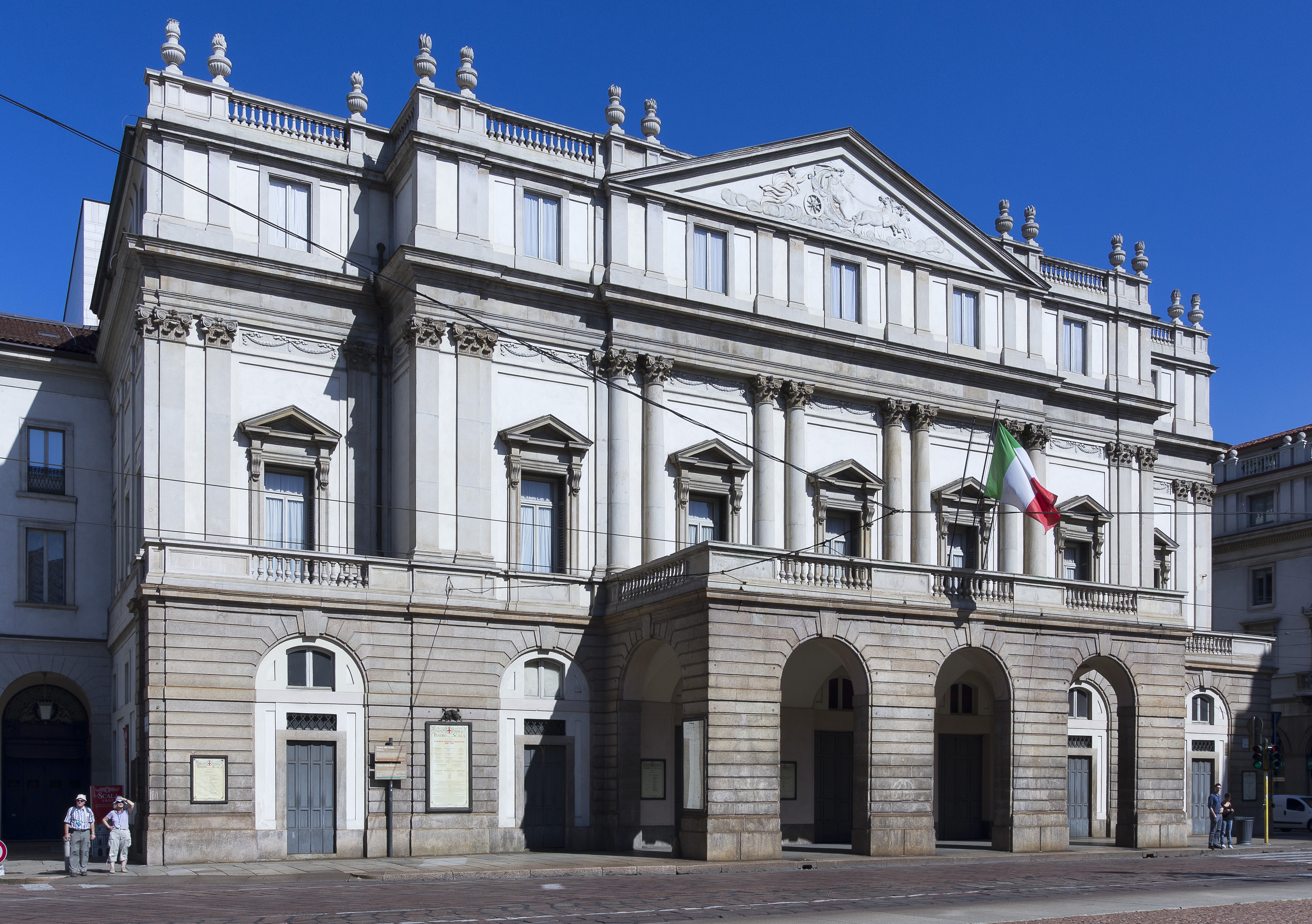
Milan, Italy Hero Image
Wikipedia Contributor, CC BY-SA

Milan, Italy

Data updated Oct 8, 2026

Follows Italy Residency Rules. Check Digital Nomad & Retiree Pathways →

📊 Scores

64
FIRE
63
Retiree
77
Digital Nomad

Best fit: Digital Nomad (score: 75)

Milan sits in northern Italy at 120 meters above sea level, in the humid subtropical climate zone that brings hot, humid summers and foggy winters. The city of 1.4 million draws expats to neighborhoods like Brera, Porta Nuova, and Navigli, where a large and active expat community has taken root. English is common in tourist areas, making daily life accessible for newcomers.

Living costs in Milan reflect its status as a financial hub. A single adult in the budget tier spends $1,308/mo including rent, while the mid-range tier runs $2,081/mo and the comfortable tier $2,877/mo. Excluding rent, a single person spends $1,174/mo and a family of four $4,223/mo. Rents vary sharply: a one-bedroom in the city center averages $1,710/mo versus $1,162/mo outside it; a three-bedroom in the center is $3,471/mo, dropping to $2,010/mo beyond the center. Utilities run $253/mo, internet $30/mo, and a mobile plan $10/mo. A monthly public transport pass costs $44/mo and a gym membership $84/mo. An inexpensive restaurant meal is $22, a mid-range three-course dinner for two is $90, and a cappuccino is $2. The average monthly net salary is $2,144/mo, and the cost of living index is 72 out of 100 (New York City = 100).

Milan scores a safety index of 74/100 and a crime index of 26/100, where lower is safer, indicating a generally secure environment. Healthcare quality is rated as excellent, and the air quality index is 68 (lower is better). These factors contribute to an overall expat score of 75/100.

For those considering a move, Italy offers two visa pathways. The Italy Elective Residence Visa requires a minimum monthly income of $2,895/mo, while the Italy Digital Nomad Visa demands $2,615/mo. The nearest airport is MXP, located 8 km from the city. Milan suits a range of lifestyles: it scores 64/100 for FIRE, 63/100 for retirees, and 77/100 for digital nomads, making it a strong choice for professionals, remote workers, and those seeking a balanced urban life.
Estimate the cost of moving to Milan, Italy

Get a free moving cost estimate for moving to Milan, Italy. Takes 10 seconds.

How much are you shipping?

When are you moving?

Powered by Sirelo. Free quotes from international movers.

🏚️ Cost of Living

💰 Budgets and Costs

$2,152/mo, one person, rent included
Selected: mid-range lifestyle

Milan on a mid-range budget comes to about $2,152 a month for one adult, with $1,162 of that going to rent. Beyond rent the estimate covers $295 on groceries, $224 on dining out, $134 on entertainment and lifestyle, $293 on utilities and connectivity and $44.00 on transport.

Rent

$1,162/mo

1BR outside the centre

Groceries

$295/mo

Staples basket scaled to a full month

Dining out

$224/mo

10 inexpensive meals

Entertainment & lifestyle

$134/mo

gym, 2 cinema trips, 12 cappuccinos

Utilities & connectivity

$293/mo

utilities, mobile, internet

Transport

$44.00/mo

Monthly pass

Budgets (excl. rent)

Single person$990/mo

Excludes rent. The total above is all-in, rent included.

Estimates for one adult, built from this city's average prices and the usage shown for each tier. Your spending will differ with how often you eat out and where you live.

A 1BR in the center runs about $1710.14/mo. If your income is in another currency, bank FX fees add up. A multi-currency account can cut that cost.

See low-fee transfers

We may earn a commission at no cost to you.

See how Milan's cost of living compares with Palazzo San Gervasio

Be the first to report costs in Milan

Share

🛡️ Safety & Crime

74
Safety Index

(Higher is safer)

26
Crime Index

(Lower is safer)

Milan is genuinely safe for expats, with low violent crime and a well-policed city center. Petty theft and pickpocketing occur in crowded transit areas (Central Station, trams) and tourist zones—standard urban precautions apply. Avoid the Stazione Centrale neighborhood after dark and exercise normal vigilance in Navigli late at night. Scams are minimal compared to Southern European cities. Overall, Milan feels secure for remote workers and retirees; the main risk is opportunistic theft rather than personal safety threats. Geopolitical concerns are negligible.

🏥 Healthcare

Excellent
Public Hospitals
Yes
Private Clinics
Yes
English-Speaking Doctors
Available

See how Milan's healthcare compares with Palazzo San Gervasio

🌤️ Climate

Summer Temp
29°C
Winter Temp
1°C
Humidity
70%
Air Quality Index
68
Annual Rainfall
1309 mm

Best Months

AprMaySepOct

Climate Notes

Humid subtropical climate with hot, humid summers and foggy winters.

💻 Digital Nomad

Avg Internet Speed
150 Mbps
Internet (monthly)
$30/mo
Coworking Availability
Abundant
Coworking Spaces Nearby
33
Digital Nomad Score
77/100

Community Notes

Milan has a vibrant nomad scene with plenty of networking opportunities.

Coworking Spaces

NameNotes
Cascina Roma Creative HubLocated at Piazza delle Arti, San Donato Milanese. Hours: Mo-Fr 09:30-18:30.
Coworking LOGINLocated at Via Stefanardo Da Vimercate 28, Milano. Hours: Mo-Fr 08:00-22:30; Sa 08:00-13:00; Su closed.
ènostra coopLocated at 61/A Via Andre' Marie Ampere, Milano. Hours: Mo-Fr 09:00-18:00.
FTI Consulting Italy s.r.lLocated at 1 Via San Raffaele, Milano.
Impact HubLocated at 4 Via Aosta, Milano. Hours: Mo-Fr 09:00-19:30.
LeParkLocated at 50 Via Giancarlo Sismondi, Milano.
Luiss Hub MilanoIn Milano.
Open by JoivyLocated at 6 Viale Monte Nero, Milano.
Page 1 of 5

Names, locations and hours can change. Check each space's website before you visit. Places from © OpenStreetMap contributors and Foursquare Open Source Places (Apache 2.0).

Planning to live in Milan long-term? Italy Digital Nomad Visa lets remote workers live legally with a minimum income of $2,615/month.

View full requirements →

Working remotely from Milan? Nomad health insurance covers you across borders, month to month.

See nomad insurance

We may earn a commission at no cost to you.

See how Milan's digital nomad life compares with Palazzo San Gervasio

🧳 Expat Life

English Proficiency
Common in Tourist Areas
Expat Community
Large & Active
Top Neighborhoods
Brera, Porta Nuova, Navigli
Banks Nearby
525
ATMs Nearby
113

Expat Life Notes

The financial and fashion hub of Italy, Milan is the most international and fast-paced city in the country.

Pros

  • ✓ Major career opportunities
  • ✓ Excellent travel hub
  • ✓ High-end lifestyle

Cons

  • ✗ High cost of living
  • ✗ Air pollution
  • ✗ Bureaucratic hurdles

🏘️ Neighborhoods in Milan

Notable areas of Milan, with descriptions adapted from public reference sources. Rent figures are Numbeo's city-wide averages, not prices for a specific area.

Conditions can change from one block to the next, and these descriptions are general guides, not safety assessments. Before choosing where to stay or live, check current travel advisories, talk to people who live there, and visit in person if you can.

Chiaravalle

Chiaravalle is a district in southern Milan within Zone 5 and the Parco Agricolo Sud Milano nature reserve. It was an independent comune before 1923 and retains a town-like character, separated from the city by the park. Public transport to the center is limited, mostly one bus line to Porta Romana that stops at Corvetto metro. Its main landmark is the Gothic-Romanesque Chiaravalle Abbey.

Sources: Wikipedia

Figino

Figino is a district of Milan within an administrative zone, located northwest of the center and inside the Parco Agricolo Sud Milano nature reserve. It was formerly an independent comune called Figino di Milano before annexation to Milan.

Sources: Wikipedia

Porta Sempione

Porta Sempione is a city gate in Milan whose name also refers to the surrounding district, part of the historic center's Zone 1 and including Corso Sempione. The gate is marked by the Arco della Pace, a triumphal arch from the 19th century. Its origins can be traced to a gate in Milan's Roman walls.

Sources: Wikipedia

Descriptions adapted from Wikipedia and Wikivoyage, licensed CC BY-SA 4.0. Location data from OpenStreetMap contributors (ODbL).

Could living/working in Milan cut years off your work life?

With a 1-bedroom in the center at $1710/mo, your FIRE number here might be much lower than you think.

Calculate My FIRE Date →

🛂 Visa Options for Italy

Many long-stay visas require proof of health insurance. Compare international health plans before you apply.

Compare health insurance

We may earn a commission at no cost to you.

🛂

Earning over $2,615/mo? You may qualify for a Italy visa.

Answer 11 questions and get a personalized match in under 2 minutes.

Find My Visa →

More Cities to Consider instead of Milan

FAQ

Frequently Asked Questions about Milan

Click any question to expand the answer.

Milan has a population of approximately 1,354,196 people.
A single person can expect to spend around $4,275 per month in Milan, including rent. A 1-bedroom apartment in the city center costs approximately $1710/month.
The nearest airport to Milan is MXP, approximately 8.2km away.
Milan is considered relatively safe, with a safety index of 74.0. As with any city abroad, expats should research specific neighborhoods before committing to a location.
Milan has an average internet speed of 150 Mbps. It is considered a well-established digital nomad destination.
It's mid-to-high range. A city-center one-bedroom runs around $1,750/month, comparable to Amsterdam or Berlin but cheaper than London or Zurich. Groceries and eating out at local spots are reasonable; dining at the level Milan is known for gets expensive fast. If you're earning a Northern European or remote salary, it's manageable. On a local Italian salary, it's genuinely tight.
For daily life — supermarkets, restaurants, transport — English gets you surprisingly far. In multinational companies, English is often the working language. But for anything involving Italian bureaucracy (residency registration, healthcare enrollment, tax filings), Italian is effectively required or you'll need a paid intermediary. Job hunting outside international firms without Italian is very difficult.
Harder than it should be. EU citizens need to register at the Anagrafe (civil registry) within 90 days, which involves in-person appointments that book out weeks in advance. Non-EU citizens face additional visa and permit-of-stay requirements through the Questura. Expect the full process to take 3–6 months, multiple office visits, and documents that require notarized translations. Hiring a local patronato or consultant is worth the cost.
Milan experiences four distinct seasons. Summers are hot and humid, with temperatures often reaching the 80s (Fahrenheit), while winters are cold and damp, sometimes dipping below freezing. Spring and autumn offer milder, more pleasant weather, but be prepared for occasional rain.
Milan is generally a safe city, but petty crime like pickpocketing can occur, especially in touristy areas and on public transport. Be aware of your surroundings, particularly around the Duomo and Central Station. While not necessarily 'avoid,' some outer neighborhoods feel less safe at night.
Brera is a charming, central neighborhood with higher rents, while Navigli offers a vibrant nightlife and slightly more affordable options. Porta Venezia is known for its diverse community and reasonable prices. Expect to pay €1200-€2500+ per month for a one-bedroom apartment, depending on the location and size.
Milan boasts excellent internet connectivity, with widespread access to high-speed fiber optic internet. You can expect speeds of 50-100 Mbps or higher in most areas, making it ideal for remote work. Coworking spaces are readily available and offer reliable connections.
Yes, you can find English-speaking doctors and dentists in Milan, especially in private practices. Websites like Doctolib allow you to search for healthcare professionals who speak English. Public hospitals may have fewer English-speaking staff, so private healthcare is often preferred by expats.
Opening a bank account can be challenging and requires patience. You'll typically need your passport, Italian tax code (codice fiscale), and proof of address (residency permit or utility bill). Some banks are more expat-friendly than others, so research your options and be prepared for paperwork.
Milan has an excellent public transportation system, including a metro, trams, and buses. It's efficient, affordable, and covers most of the city. Consider purchasing a monthly travel pass for unlimited rides. Walking and cycling are also popular options, especially in the city center.
As a US citizen, you're still required to file US taxes even when living abroad. You may be able to exclude a significant portion of your foreign earned income using the Foreign Earned Income Exclusion (FEIE). Also, be aware of FBAR and FATCA reporting requirements for foreign bank accounts and assets.
Milan can be a viable option for early retirement, but it's not the cheapest city in Italy. To live comfortably, you'd likely need a monthly budget of €2500-€4000, depending on your lifestyle and housing preferences. This should cover rent, utilities, groceries, healthcare, and some leisure activities.
Milan has a sizable and active expat community. You can connect with other expats through online forums like Internations and Facebook groups. Many social events and meetups are organized specifically for expats, providing opportunities to network and make friends.
While many younger Milanese people speak some English, especially in tourist areas and businesses, it's not as widely spoken as in some other European capitals. Learning basic Italian will significantly enhance your daily life and interactions with locals. Don't expect everyone to speak English fluently.
Several options exist for international money transfers, including traditional bank transfers, online platforms like Wise (formerly TransferWise), and remittance services like Remitly. Compare fees and exchange rates to find the most cost-effective option. Be aware of potential transfer limits and reporting requirements.
Milanese culture values style and sophistication. Dress presentably, even for casual outings. Punctuality is appreciated, though not always strictly adhered to. Be prepared for a more formal and reserved demeanor than in some other cultures. Aperitivo is a social ritual, so embrace it!

Share This Guide