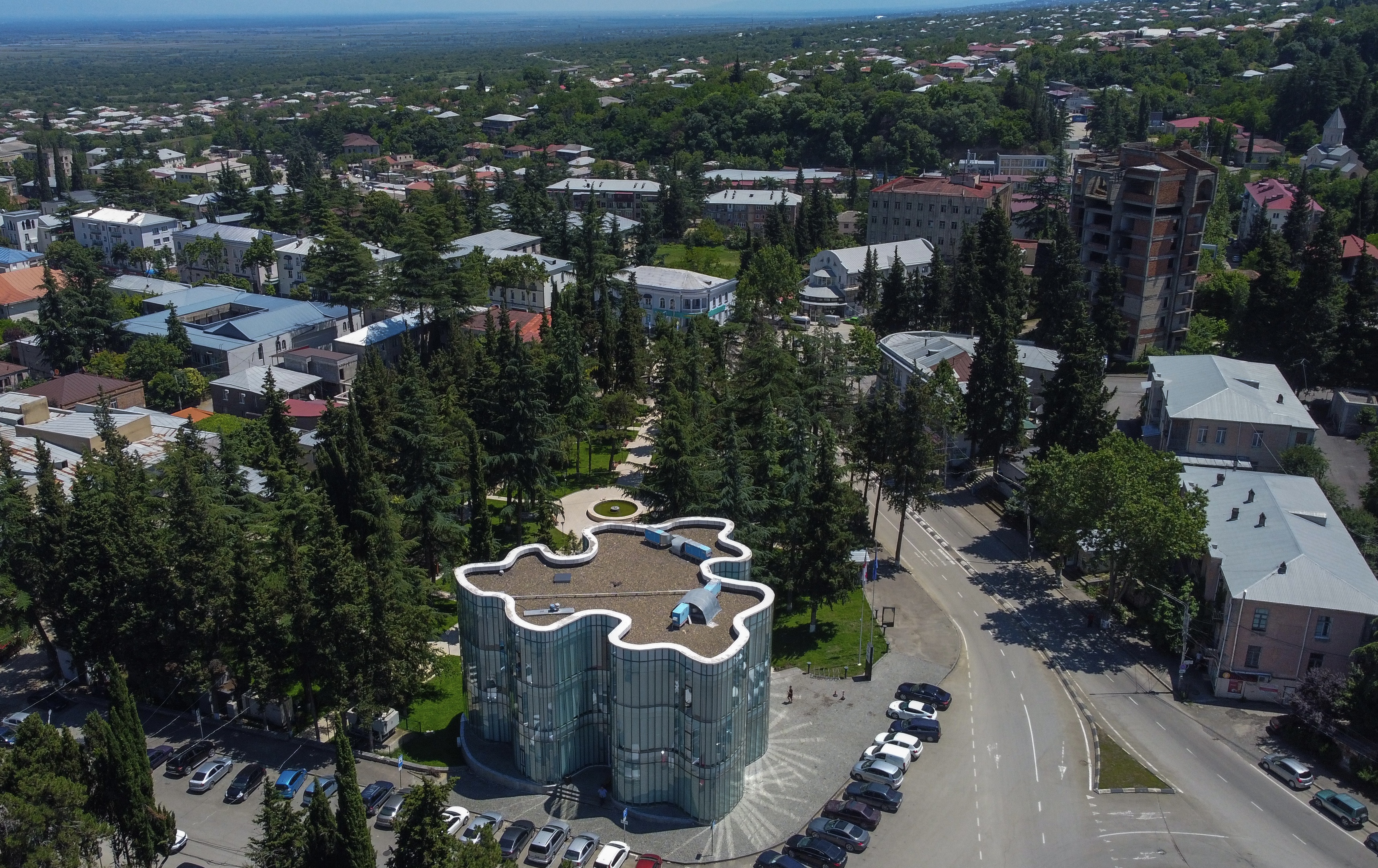
Georgia offers the Remotely From Georgia Program for digital nomads, requiring a minimum monthly income of $24,657/mo. The overall expat score is 66/100, retiree score is 66/100, and digital nomad score is 60/100. Average internet speed is 55 Mbps. Gurjaani suits travelers who want a quiet, affordable base with a subtropical climate and low costs, though the visa threshold is high.
Estimate the cost of moving to Gurjaani, Georgia
Get a free moving cost estimate for moving to Gurjaani, Georgia. Takes 10 seconds.
How much are you shipping?
When are you moving?
Powered by Sirelo. Free quotes from international movers.
🏚️ Cost of Living
A 1BR in the center runs about $307.69/mo. If your income is in another currency, bank FX fees add up. A multi-currency account can cut that cost.
Gurjaani is a quiet, small Georgian town with a genuine safety advantage for expats. With a Safety Index of 65, it ranks well above many comparable cities globally. Petty theft and scams are minimal concerns; violent crime is rare. The main risks are typical for rural Georgia: occasional drunk driving, limited emergency services, and isolation if medical issues arise. The town's tight-knit community and low tourism mean fewer opportunistic crimes. For Americans seeking a peaceful, affordable retreat with minimal street crime, Gurjaani is genuinely safe—though you'll need patience with infrastructure and self-reliance for serious emergencies.
Gurjaani has a humid subtropical climate with warm summers (June-August) and cool, wet winters (December-February), making it ideal for those seeking moderate seasonal variation in the Caucasus region.
💻 Digital Nomad
Avg Internet Speed
55 Mbps
Internet (monthly)
$15/mo
Coworking Availability
Limited
Coworking Spaces Nearby
0
Digital Nomad Score
60/100
Community Notes
Gurjaani is known for its wine culture but has limited nomad infrastructure.
While not directly in Gurjaani, Fabrika in Tbilisi is a well-known hub for digital nomads and creatives. It offers a vibrant atmosphere, various workspace options, on-site accommodation, and is a popular choice for expats, making it a good option if you are willing to commute or stay in Tbilisi part of the time.
Similar to Fabrika, Impact Hub Tbilisi is located in Tbilisi and provides a collaborative environment focused on social impact. It's a good option for remote workers who value community and networking, and is easily accessible from Gurjaani.
See how Gurjaani's digital nomad life compares with Oni
🧳 Expat Life
English Proficiency
Common in Tourist Areas
Expat Community
medium
Banks Nearby
9
ATMs Nearby
8
🏘️ Neighborhoods in Gurjaani
Areas of Gurjaani that expats often consider.
Conditions can change from one block to the next, and these descriptions are general guides, not safety assessments. Before choosing where to stay or live, check current travel advisories, talk to people who live there, and visit in person if you can.
Central Gurjaani
Bustling town center, convenient
The heart of Gurjaani, offering easy access to shops, restaurants, and the local market. While not specifically geared towards expats, its central location makes it convenient. Expect some noise and less privacy compared to the outskirts, but walkability is excellent.
Kakheti Highway Area
Roadside businesses, developing area
Located along the main highway, this area is characterized by roadside businesses and newer construction. It's less charming than the center but potentially more affordable. Transportation is reliant on taxis or marshrutkas, and English is less commonly spoken.
Vazisubani (Village)
Quiet village life, vineyards
Technically a separate village just outside Gurjaani, Vazisubani offers a more rural and tranquil setting. It's surrounded by vineyards and farmland, ideal for those seeking peace and quiet. Requires a car or frequent use of public transport to reach Gurjaani's amenities.
Near Gurjaani Wine Festival Grounds
Scenic, quiet, wine country
An area slightly outside the main town, known for hosting the annual Gurjaani Wine Festival. It's a more scenic and peaceful area, with vineyards and guesthouses. Access to amenities requires a short drive or taxi ride into the town center.
Residential Area near the Hospital
Local residential, practical location
A typical residential area with apartment buildings and houses, primarily inhabited by locals. It's a practical location with access to essential services, including the hospital. While not particularly charming, it offers an authentic Georgian living experience.
Page 1 of 2
Could living/working in Gurjaani cut years off your work life?
With a 1-bedroom in the center at $308/mo, your FIRE number here might be much lower than you think.
Gurjaani has a population of approximately 7,426 people.
A single person can expect to spend around $769 per month in Gurjaani, including rent. A 1-bedroom apartment in the city center costs approximately $308/month.
The nearest airport to Gurjaani is TBS, approximately 33.4km away.
Gurjaani is considered relatively safe, with a safety index of 65.0. As with any city abroad, expats should research specific neighborhoods before committing to a location.
Gurjaani has an average internet speed of 55 Mbps. It is considered a well-established digital nomad destination.
Internet exists but is unreliable—expect 5–15 Mbps on good days. No coworking spaces. If you need stable connectivity for client calls, this is risky. Tbilisi, 2 hours away, is a better bet.
Georgian visa-free entry for most nationalities is 365 days. Residency permits require local sponsorship (employer or property owner). Bureaucracy is slow but manageable. Consult the Georgian embassy for your nationality before moving.
You can find decent apartments in Gurjaani for around $200-$400 USD per month, depending on the size and location. Expect to pay more for modern amenities or being closer to the town center. Houses with yards are also available, but these tend to be pricier.
While Gurjaani has local clinics and hospitals, English-speaking medical professionals are limited. For more specialized care or English-speaking doctors, you'll likely need to travel to Tbilisi, which is about a 1.5-hour drive away. Make sure you have comprehensive travel or expat health insurance.
Gurjaani has a humid subtropical climate. Summers are hot and humid, with temperatures often reaching the high 80s (Fahrenheit). Winters are mild, with occasional snowfall. Spring and autumn are pleasant, with comfortable temperatures and colorful foliage.
Local buses (marshrutkas) are the primary mode of public transport within Gurjaani and to nearby villages. Taxis are also readily available and relatively inexpensive. For longer distances, consider taking a bus or train from a larger city like Tbilisi.
The local language is Georgian. While some younger people may have a basic understanding of English, it's not widely spoken, especially among older generations. Learning some basic Georgian phrases will greatly enhance your daily life and interactions.
ATMs in Gurjaani primarily dispense Georgian Lari (GEL). While some ATMs in larger cities like Tbilisi may offer USD or EUR, it's best to exchange currency at a bank or exchange bureau. Be aware of ATM fees and exchange rates.
The expat community in Gurjaani is relatively small compared to Tbilisi or Batumi. However, you can connect with other expats online through Facebook groups and forums dedicated to expats in Georgia. Tbilisi is close enough for weekend meetups.
Georgian cuisine is delicious and affordable. Try local specialties like khachapuri (cheese bread), khinkali (dumplings), and mtsvadi (grilled meat). A meal at a local restaurant can cost anywhere from $5-$15 USD per person.
Gurjaani is located in the heart of the Kakheti wine region, so wine tasting is a must. You can also visit nearby historical sites like the Kvelatsminda Church or explore the Alazani Valley. Hiking and outdoor activities are also popular.
As a US citizen, you're still required to file US taxes even when living abroad. You may be able to take advantage of the Foreign Earned Income Exclusion (FEIE) or the Foreign Tax Credit to reduce your tax liability. Consult with a tax professional specializing in expat taxes.
Yes, Gurjaani is very viable for early retirement on $2000 USD per month. You can live comfortably, enjoy a relaxed pace of life, and still have money left over for travel and leisure. The low cost of living makes it an attractive option for FIRE enthusiasts.
The language barrier can be a significant challenge, especially when dealing with local authorities or accessing services. Cultural differences and a slower pace of life may also require some adjustment. Building relationships with locals can help ease the transition.
Cost-of-living and visa updates for Gurjaani and the rest of Georgia. Free with RA Postcards.
By submitting your email address, you will receive a free subscription to RA Postcards and special offers from Rewire Abroad and our affiliates. You can unsubscribe at any time, and we encourage you to read more about our Privacy Policy.