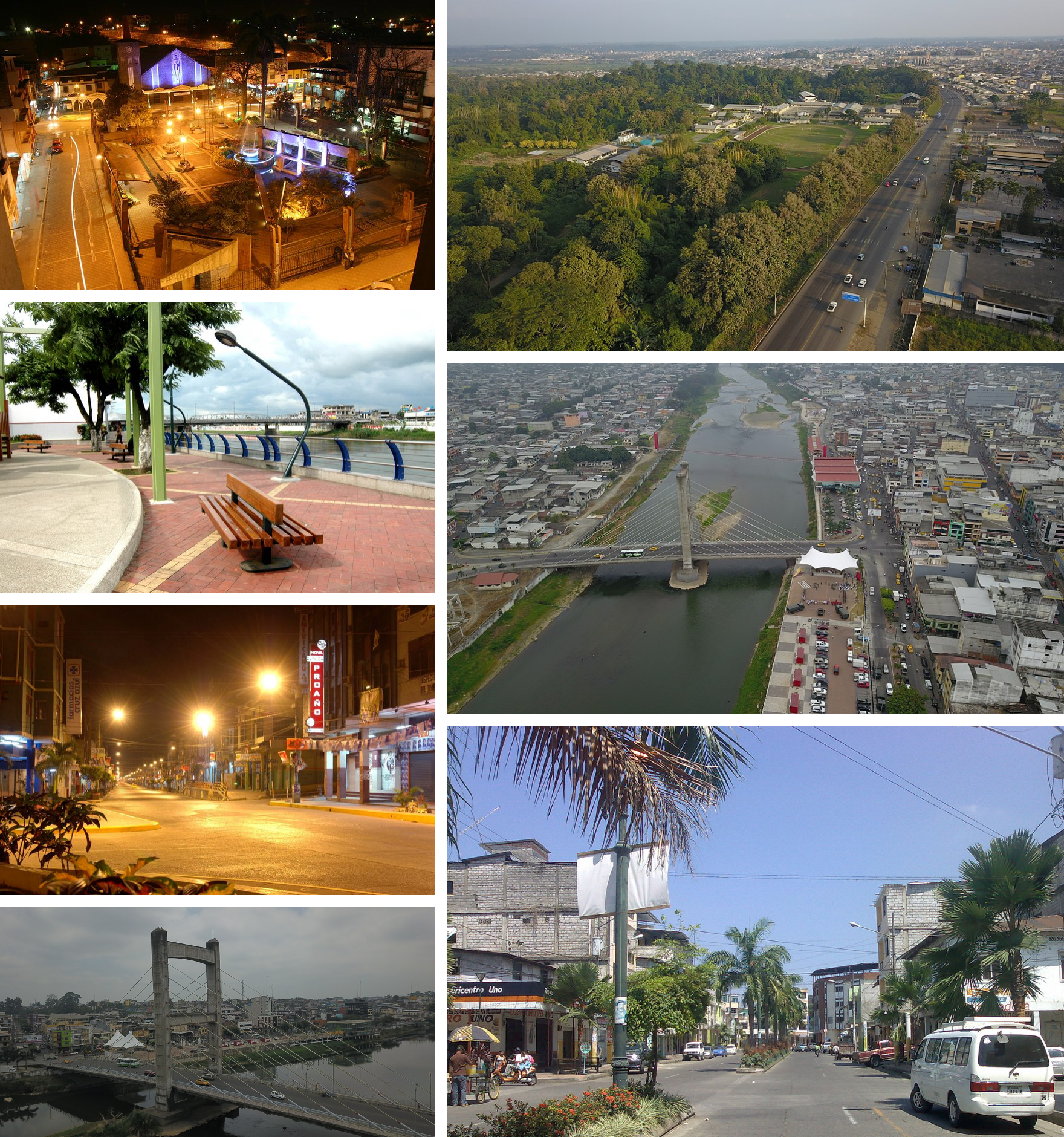
Agriculture drives everything here, with banana, cacao, and coffee exports generating most of the wealth. Major employers include Dole, Chiquita, and dozens of smaller agribusiness operations, plus the logistics companies moving goods between coast and highlands. UTEQ provides steady employment for academics, while the Chinese business community runs import/export operations and food processing plants. Job opportunities exist mainly in agricultural management, logistics coordination, and food processing — but expect Spanish fluency requirements and agricultural sector wages.
City center apartments rent for around $380/month, though flooding risk makes location choice critical. Public buses connect everywhere for $0.25, but the road network gets congested during harvest seasons when trucks dominate traffic. Healthcare means basic clinics locally, with serious cases requiring trips to Guayaquil 2 hours away. Spanish is essential — the Chinese community speaks Mandarin among themselves, but business operates in Spanish. Bureaucracy moves slowly, and you'll need patience for residency paperwork at understaffed government offices.
Tropical wet climate means 80°F+ temperatures and frequent afternoon downpours year-round. Food scene blends Ecuadorian staples with authentic Chinese restaurants — a genuinely unique combination you won't find elsewhere. Social life revolves around family gatherings and local festivals, with a small but tight-knit expat community of agricultural consultants and retirees. Weekends mean river trips, visiting plantations, or exploring nearby cloud forests. This works for agriculture professionals, retirees seeking authentic Ecuador, and anyone comfortable with small-city life in the humid tropics.