Min Monthly Income
$548
Application Fee
$1,500
Processing Time
9-17 wks
Difficulty
Moderate
Duration
24 months
Path to Citizenship
5 years
Overview
Ecuador’s Digital Nomad Visa requires $1,275/month in foreign-source income. The income can come from remote work, business ownership, contract work, or W-2 employment; local Ecuadorian income is not the point of the visa. For a FIRE retiree living off a brokerage account alone, the key issue is that local work is permitted alongside remote income, not passive portfolios, so a dividend-only applicant sits outside the cleanest reading of the target category.
The stay is set at 24 months and the visa is renewable, which makes it a two-year base rather than a short nomad stamp. Physical-presence rules are not detailed in public guidance, so verify any entry, exit, or tax-day counting before building a split-year plan between Ecuador and another country. That matters because the visa can lead to permanent residency, but the timeline to citizenship is 5 years.
The paperwork load is real but not exotic: health insurance is required, an apostille is required, an FBI check is required, a medical exam is not required, and an interview is required. Processing runs 8 weeks to 24 weeks, which is wide enough to break a relocation calendar if you wait until the last minute. Bureaucracy scores 1.875/5, so the friction is not conceptual complexity; it is the paperwork sequencing and the long approval window.
This makes most sense if you earn $2,000–$8,000/month from a remote employer, your own company, or freelance clients and want a 24-month base with a renewal path. It is a poor fit if your plan depends on passive income alone, if you need a same-week move, or if you cannot document income cleanly at the $1,275/month threshold.
For a U.S. passport holder drawing salary or freelance income, the visa structure matters less than the tax mix: the local regime may apply, so the first-year tax question needs checking against Ecuadorian residency rules and source rules before you assume foreign income stays untouched. The application facts here give you the hallway, not the tax exit signs.
Eligibility Requirements
Ecuador’s digital nomad visa does not take all nationalities; the program uses a restricted list rather than open access. That tells you the rule is political and administrative, not a wage or education filter, so the eligible pool is defined by the nationality list published for the visa rather than by a universal income-only test.
The documented restricted countries in the source trail include Afghanistan, Venezuela, and Sri Lanka, and the visa rules mark nationality restrictions as restricted without publishing the full list. That means applicants from the common Western nomad base — the U.S., Canada, Australia, the UK, and EU passports not on the list — still need to verify against the current official list before preparing documents.
If your passport is not eligible, a second passport from an eligible country is the clean workaround if you already hold one. Naturalization in an eligible country can also open the door, but a short-term workaround like a local residency card from a third country does not change nationality for this visa unless the program explicitly accepts that passport.
Because the structured facts do not publish the full list, the list should be treated as current-but-verification-needed rather than as a stable evergreen rule. A Venezuelan, Afghan, or Sri Lankan passport holder should not build an application packet first and ask later; the official Ecuador immigration authority or consular channel should be checked directly against the current list before any document spend.
Borderline cases deserve a paid review. A $150–$300 immigration lawyer consult is cheaper than assembling apostilles, translations, and insurance only to learn the passport itself blocks the file.
Min Income
$548
Min Savings
$1,275
Application Fee
$1,500
Duration
24 months
Remote Work / Freelance · Business Income
W2 Employee (foreign employer) · 1099 Contractor · Business Owner · Self-Employed
Requirements Checklist
0 of 18 documents in hand
0%These take the longest, so start them first.
Request these while the slow items are in progress.
You only need these on the day you submit.
Extra requirements for this visa
- Apostille required on official documents
- FBI background check required (allow 3–4 months)
- In-person interview required
How and where to apply
Apply online via Ecuador’s Virtual Consulate portal from outside the country, or submit documents at a Ministry office in Ecuador. Most applicants start remotely before arrival. No in-country switch from tourist visa specified; process from abroad for approval, then enter and get cédula.
Tax Information
Local Tax Picture Ecuador’s visa does not explicitly grant the exact local tax regime for this visa, so the practical reading is not to assume a blanket exemption beyond the visa’s remote-work framing. The visa rules do show that the work/income profile allowed is remote_work and business, with W-2, contractor, owner, and self_employed employment types permitted. That makes remote salary, freelance consulting, and business profits the core income streams to test against Ecuador’s rules, while foreign brokerage dividends, ETF distributions, pensions, and rental income from abroad need separate source-based analysis rather than visa-marketing assumptions.
Foreign capital gains on ETFs or index funds held abroad are subject to Ecuadorian tax at progressive rates up to 37% . Tax residency is the real line that changes the picture: the supporting sources point to a 183-day threshold in a tax year, and the visa rules do not contradict that. If you cross the resident line, worldwide income can move into scope, which is the point where foreign dividends, pension distributions, and rental income can stop being a clean foreign-only story.
Local filing, registration, and any required tax ID steps are not automatically waived by the visa. Tax treaty status with the U.S. does not exist, so there is no basis here to claim treaty protection for Social Security, dividends, or earned income.
For US Citizens and Green Card Holders FEIE (Form 2555) only shields earned income: remote salary, self-employment, and consulting income up to the 2026 limit of $132,900. It does not cover dividends, capital gains, pension distributions, or Social Security. Because this visa is built around remote work and business income, the Physical Presence Test at 330 days in any 12-month period is the more relevant FEIE pathway than Bona Fide Residence, especially if you are bouncing between Ecuador and another country.
FTC (Form 1116) only helps when you actually pay a foreign income tax that can offset U.S. tax. If Ecuador taxes foreign income at zero under your facts, the FTC gives no shelter on that income. That matters for dividend investors and ETF holders: a zero local rate means there is nothing to credit.
FBAR (FinCEN 114) applies if foreign financial accounts exceed $10,000 at any point in the year, separate from FATCA Form 8938. If this visa leads you to open an Ecuadorian bank account, that balance can push you into FBAR territory quickly. Non-willful penalties start at $16,700 per violation as of 2026.
The practical advisory is simple: use a U.S. CPA who does expat FEIE/FTC/FBAR work and a local Ecuador tax advisor who can confirm registration, residency triggers, and filing obligations. On a year-one budget, $1,500–$3,000 in guidance is cheaper than one missed election or one filing penalty.
Living in Ecuador
COL Index vs NYC
32.1
Monthly Cost (excl. rent)
$499
1BR Rent (City Center)
$373
Safety Index
37.5
Healthcare Index
77.1
Quality of Life Index
120.8
Time Zone
UTC-06:00
Capital
Quito
Population
17.6M
Official Languages
Spanish
Avg Internet Speed
292 Mbps
Public Transit Quality
Fair
With a budget covering rent and living costs, you'd need roughly $872/mo for a comfortable single-person lifestyle in Ecuador.See how far your money goes →
🏙️ Best Cities in Ecuador for Digital Nomads
 58
58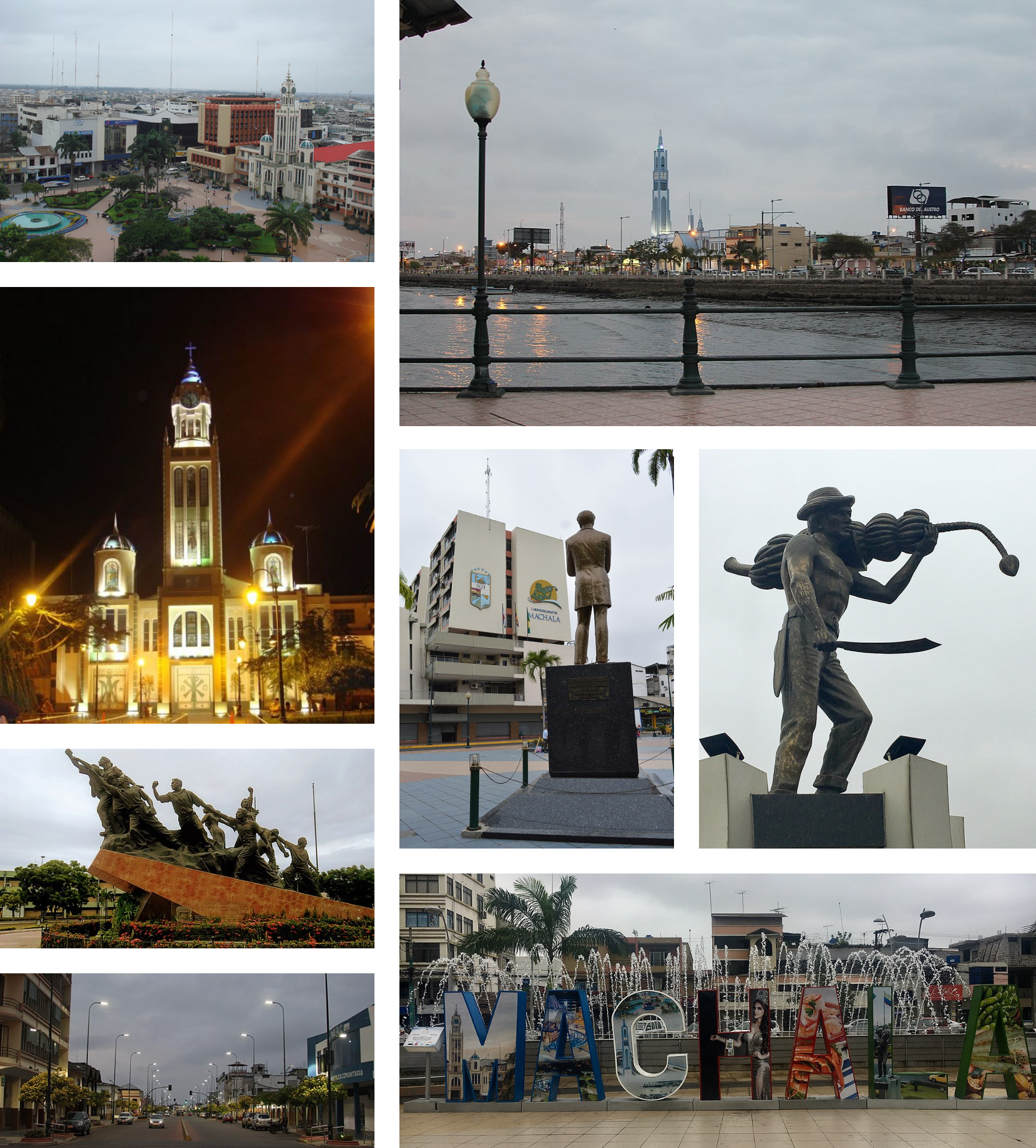 60
60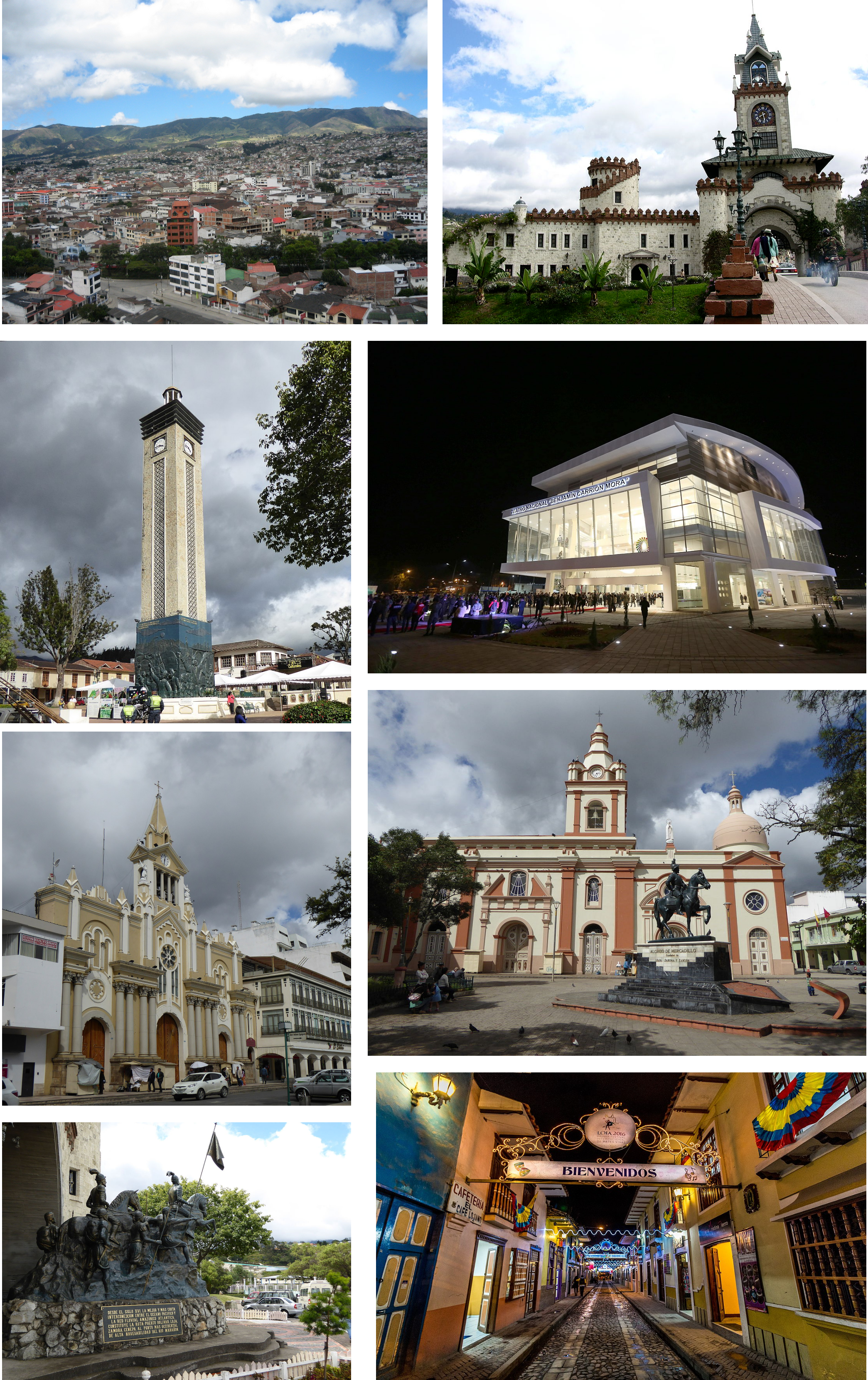 58
58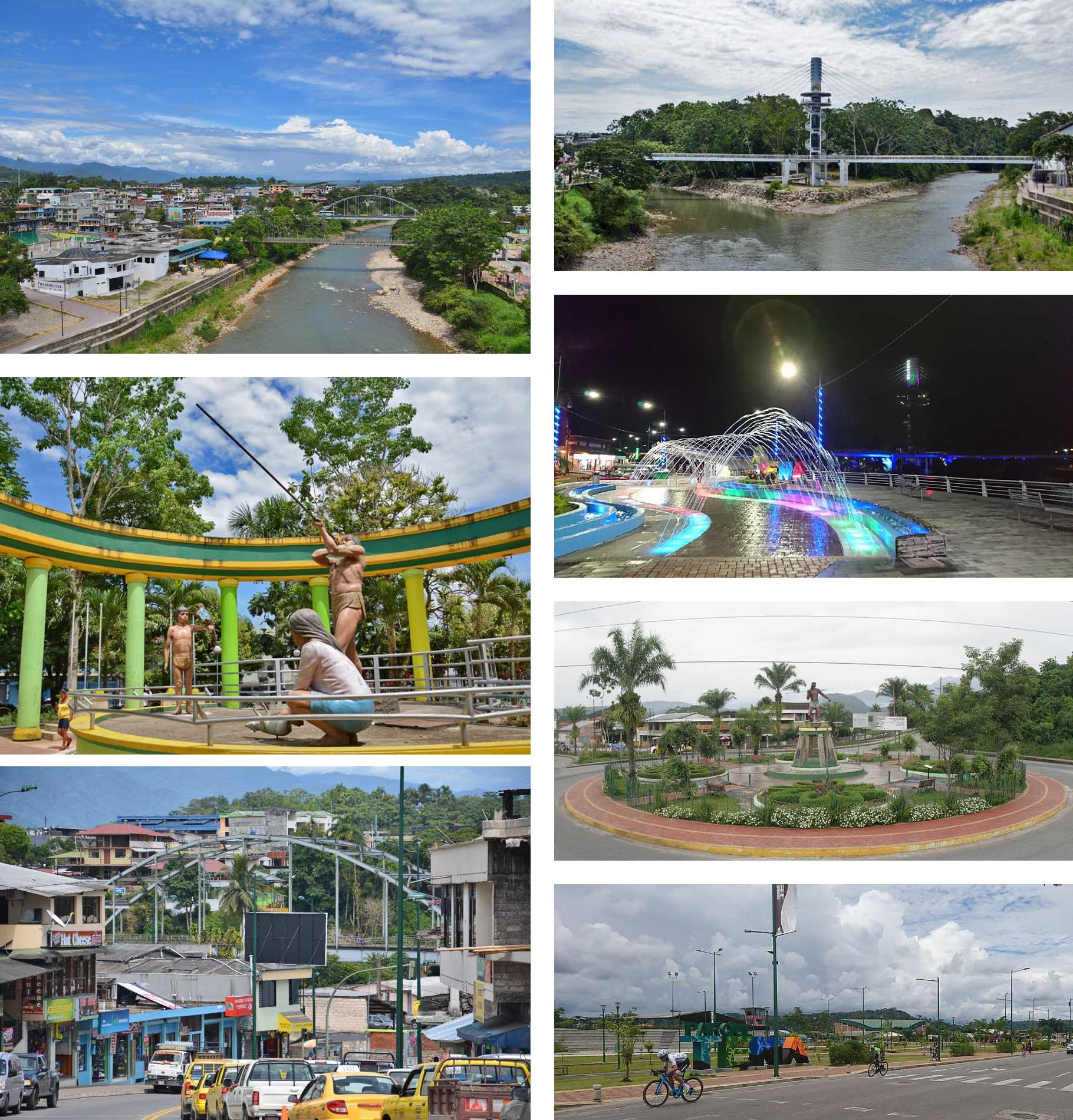 65
65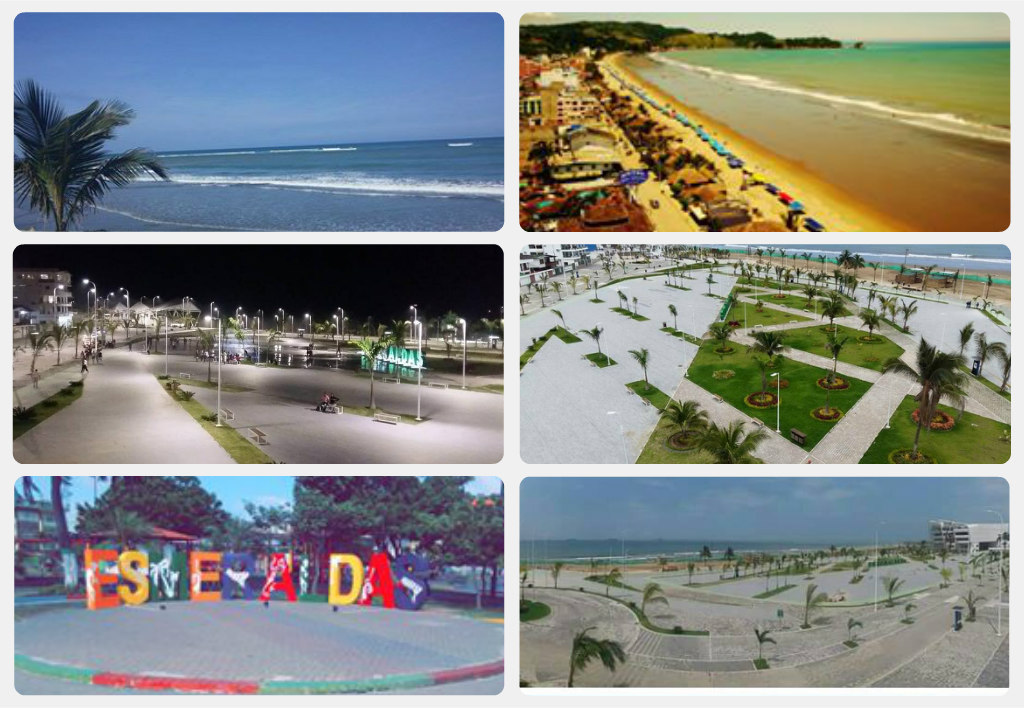 65
65The accommodation trap that derails approvals
The accommodation proof looks like a box to check. Submit a hotel booking, move on. In practice, it is where many applications meet a quiet refusal. A three-night reservation for a Quito hostel next to an application seeking a two-year permit signals that you have not thought past your arrival. Ecuador asks for an accommodation letter, a rental contract, or a booking confirmation. What it wants is an address that the authorities can treat as your residence from day one.
The safest route is a signed rental agreement, but committing to a lease before you have the visa is a gamble. Some landlords in Cuenca or Quito will draft a pre-contract contingent on visa approval. Those arrangements exist if you ask a local agent. Short of that, a long-term Airbnb booking with a host who agrees to provide a formal confirmation holds up. The risk with the Airbnb route is that the platform's automated receipts are not always formatted the way a consular officer expects. You want something that reads like an address, not a trip itinerary.
The invitation letter is another path. If you have family or friends in Ecuador, their letter needs to state their cédula number, the address, and the duration of the stay. It must look like a real person wrote it, not a template downloaded from a forum. The consulate will sometimes call the host. If your friend ducks the call or has no idea what you do for work, that letter becomes a liability.
Booking a refundable hotel and cancelling later is a strategy that works until an officer asks you for a local utility bill you cannot produce. The accommodation document does not just get you the visa. It becomes the address you use when you register for your cédula after landing. Choose something you can truly stay at for the first month, or you will be explaining a mismatch between your paperwork and your actual location to a desk officer who does not have to be understanding.
After the visa stamp, the cédula wait
You get approved, you fly to Ecuador, you present your passport at immigration. The visa sticker inside buys you entry. It does not buy you a functioning life. That requires the cédula, the laminated national ID that lets you open a bank account, sign a long-term lease, register with the tax authority, and prove your right to work locally if you ever need to.
The cédula application happens after you are inside the country, and it is not instant. You will need to visit a civil registry or immigration office with your passport, your visa approval document, and proof of the same address you used in the application. If you arrived and your accommodation changed, you have created friction. The system expects a straight line from the visa paperwork to the registration form. Change the address, and you might need a new utility bill or a notarized lease to update it, adding weeks.
During this gap, you are legally present but functionally invisible to the systems that matter. You cannot get a local mobile contract in your name. You cannot easily register a vehicle. You cannot get the RUC, the tax identification number, which means you cannot invoice locally even though the visa permits local work. Budget a few weeks of limbo, sometimes more if the office is backed up or your paperwork draws questions.
The fix is to treat the cédula as an extension of the application itself. Bring copies of every document you submitted digitally. Bring passport photos even if you think you have enough. Have a fixed address that you can defend. And schedule the cédula appointment as soon as you have an entry stamp, because slots fill. After that, the two-year clock starts properly.
Permanent residency and citizenship on the horizon
The visa is a renewable two-year permit that creates a route to permanent residency. The path is there, but it asks for something that many digital nomads do not want to give: continuous presence. After your initial permit and at least one renewal, you become eligible to apply for a permanent residency card, which frees you from the income documentation cycle. The tradeoff is that permanent residency expects you to actually reside in Ecuador, not just visit four times a year.
Five years of uninterrupted legal residence opens the door to citizenship. That timeline is generous by global standards, but the five years are not a countdown. They are a record of your time in the country. Extended absences can reset the clock depending on how the immigration authorities interpret continuous residence. If you plan to spend half the year elsewhere, the passport may stay out of reach.
The naturalization process beyond the residence requirement is not a formality. You will be evaluated on your integration, and that evaluation has a social dimension that a stack of pay stubs does not satisfy. The people who eventually obtain Ecuadorian citizenship usually have built a life there, not just a tax residency.
None of this matters if your plan is to use the two-year permit once and return home. But if the appeal of the visa is the low threshold combined with a long-term future, you are signing up for a slower, steadier commitment than the marketing around digital nomad visas often admits.
Ecuador versus everywhere else in Latin America
Anyone scanning digital nomad visas across the hemisphere will spot the pattern immediately. Most countries ask for more income and deliver an answer faster. Ecuador flips that. It asks for the least money and the most patience. The math works for you if your income is modest by remote work standards and you cannot clear a $2,500 or $3,000 monthly bar elsewhere. It works against you if you need to leave your current country quickly because a lease is ending or a visa is expiring. A minimum of 17 weeks is an eternity when you are timing a move around real deadlines.
The ability to work locally is a genuine differentiator that gets overlooked. In many countries with remote work visas, local employment is forbidden. Ecuador lets you take on Ecuadorian clients or a part-time job if you choose. That makes a difference if you are a freelancer who wants to pick up local projects, or a couple where one partner needs to earn from inside the country. The local work permission is not the headline feature, but it changes the economics of staying.
The citizenship timeline is shorter than places like Costa Rica, where the residency requirement is seven years, and compares well against some European options that stretch beyond a decade. Combined with a cost of living that stretches dollars, the long-term pitch is strong. But the upfront bureaucratic friction is not trivial. The FBI check, the apostille, the certified translations, the interview. A candidate who carefully assembles those pieces will sail through. Someone who thought the $1,275 minimum meant an easy ride will stall.
The decision is not between Ecuador and a perfect alternative. It is between a visa that costs you time now and one that costs you income now. Choose based on which currency you have more of.
Work Permissions
Application Steps
- 1
📋 Verify eligibility and gather basics
1-2 weeks
- 2
📄 Collect financial proof documents
2-4 weeks
- 3
📄 Secure health insurance coverage
1 week
- 4
📬 Submit online application
1 day
- 5
⏳ Wait for visa approval
8-24 weeks
- 6
🏛️ Enter Ecuador and get cédula
1-2 weeks
This visa requires proof of health insurance. Compare international plans before you apply.
Compare health insuranceWe may earn a commission at no cost to you.
Compare this visa
Curated comparisons that include this route.
Frequently Asked Questions
Click any question to expand the answer.
Ready to Apply?
Work with trusted visa specialists who handle the paperwork so you can focus on your move.
Get help with this visa →* We may earn a commission if you apply through our link
At a Glance
Last verified: October 9, 2026