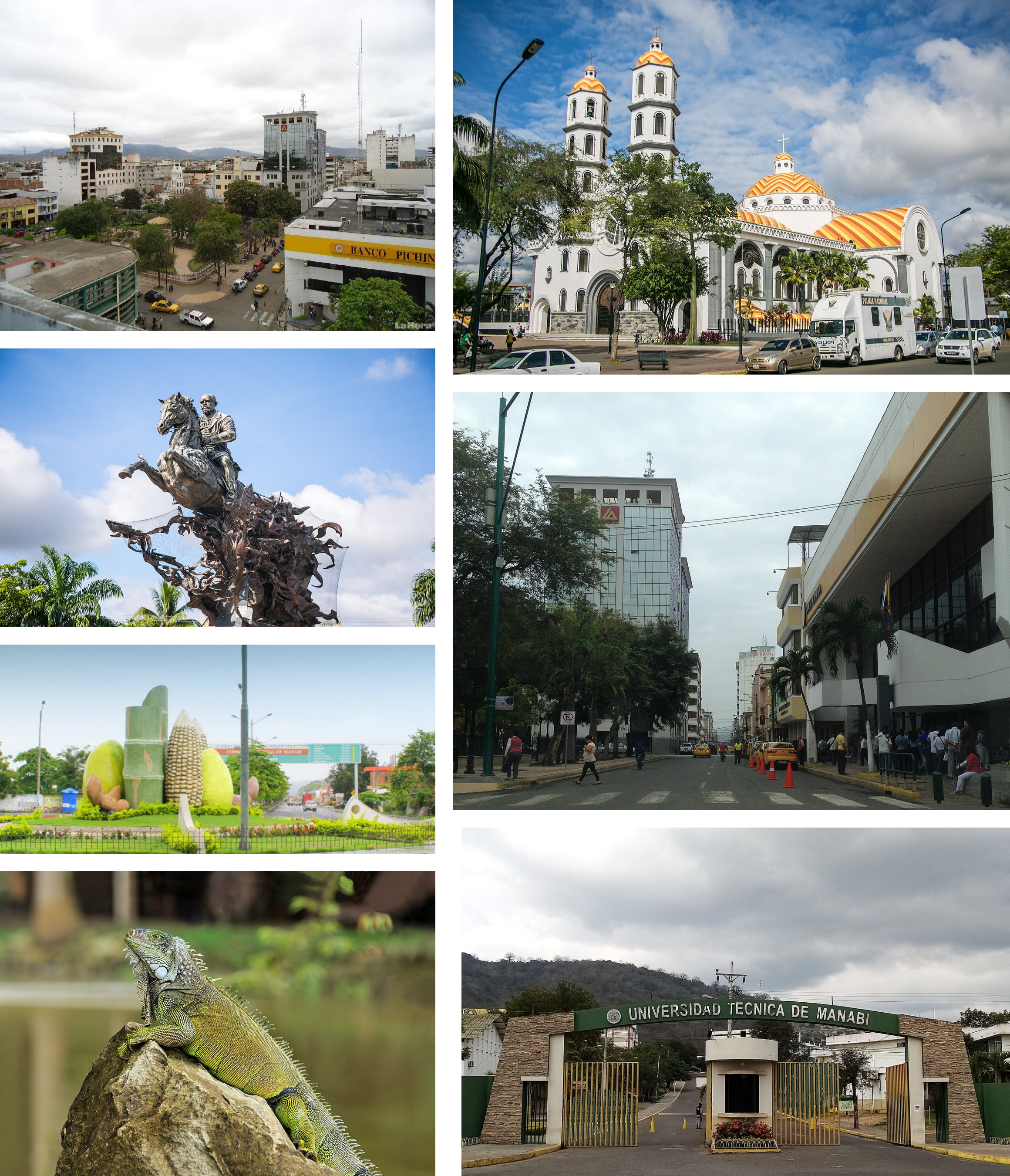
Agriculture and food processing dominate the local economy, employing over half the workforce in the Portoviejo River valley. Coffee, bananas, peanuts, and corn cultivation drive the agricultural sector, while processing plants handle value-added production for export to Quito and Guayaquil. The 2019 UNESCO Creative Cities designation for gastronomy has boosted culinary tourism and restaurant employment, though high unemployment persists from the economic crises of the 1980s-90s. Remote work opportunities are limited, making this primarily a destination for retirees or those with location-independent income.
One-bedroom apartments in the city center rent for around $350 monthly, with utilities adding roughly $50-80. Public transportation consists of buses and shared taxis costing $0.25-0.50 per ride, though many expats prefer motorcycles or cars for reliability. Healthcare is available through public hospitals and private clinics, with basic consultations running $15-25. Spanish fluency is essential—English speakers are rare outside tourist-facing businesses. Government bureaucracy moves slowly, and the 2016 earthquake's reconstruction efforts still create occasional administrative delays.
The tropical climate stays warm year-round with distinct wet and dry seasons, sitting 30km inland from Pacific beaches. The UNESCO-recognized food scene offers exceptional local cuisine at budget prices—full meals cost $3-5 at local restaurants. Weekend activities include trips to nearby beaches, exploring coffee plantations, or visiting the weekly farmers markets. The expat community is small but growing, mostly consisting of retirees and digital nomads drawn by low costs. This city suits budget-conscious expats who prioritize authentic Ecuadorian culture over international amenities.
Estimate the cost of moving to Portoviejo, Ecuador
Get a free moving cost estimate for moving to Portoviejo, Ecuador. Takes 10 seconds.
How much are you shipping?
When are you moving?
Powered by Sirelo. Free quotes from international movers.
🏚️ Cost of Living
💰 Budgets and Costs
$561/mo, one person, rent included
Selected: budget lifestyle
Portoviejo on a budget budget comes to about $561 a month for one adult, with $250 of that going to rent. Beyond rent the estimate covers $95.00 on groceries, $16.00 on dining out, $30.00 on entertainment and lifestyle and $170 on utilities and connectivity.
Rent
$250/mo
1BR outside the centre
Groceries
$95.00/mo
75% of mid-range grocery spend
Dining out
$16.00/mo
4 inexpensive meals
Entertainment & lifestyle
$30.00/mo
1 cinema trip, 8 cappuccinos
Utilities & connectivity
$170/mo
utilities, mobile, internet
Budgets (excl. rent)
Single person$311/mo
Excludes rent. The total above is all-in, rent included.
$635/mo, one person, rent included
Selected: mid-range lifestyle
Portoviejo on a mid-range budget comes to about $635 a month for one adult, with $250 of that going to rent. Beyond rent the estimate covers $126 on groceries, $40.00 on dining out, $49.00 on entertainment and lifestyle and $170 on utilities and connectivity.
Rent
$250/mo
1BR outside the centre
Groceries
$126/mo
Staples basket scaled to a full month
Dining out
$40.00/mo
10 inexpensive meals
Entertainment & lifestyle
$49.00/mo
2 cinema trips, 12 cappuccinos
Utilities & connectivity
$170/mo
utilities, mobile, internet
Budgets (excl. rent)
Single person$385/mo
Excludes rent. The total above is all-in, rent included.
$916/mo, one person, rent included
Selected: comfortable lifestyle
Portoviejo on a comfortable budget comes to about $916 a month for one adult, with $300 of that going to rent. Beyond rent the estimate covers $177 on groceries, $182 on dining out, $87.00 on entertainment and lifestyle and $170 on utilities and connectivity.
Rent
$300/mo
1BR in the centre
Groceries
$177/mo
140% of mid-range grocery spend
Dining out
$182/mo
6 inexpensive meals + 6 mid-range meals
Entertainment & lifestyle
$87.00/mo
4 cinema trips, 20 cappuccinos
Utilities & connectivity
$170/mo
utilities, mobile, internet
Budgets (excl. rent)
Single person$616/mo
Excludes rent. The total above is all-in, rent included.
Estimates for one adult, built from this city's average prices and the usage shown for each tier. Your spending will differ with how often you eat out and where you live.
A 1BR in the center runs about $300/mo. If your income is in another currency, bank FX fees add up. A multi-currency account can cut that cost.
Portoviejo presents moderate safety challenges typical of mid-sized Ecuadorian cities. While not among Ecuador's most dangerous areas, petty theft, pickpocketing, and vehicle break-ins occur regularly, particularly in downtown and market areas. Gang activity exists but rarely targets expats directly. Avoid displaying valuables, use registered taxis or ride-sharing apps, and stay out of peripheral neighborhoods after dark. The city feels reasonably walkable during daylight in central zones, but expats should maintain situational awareness. For remote workers seeking a quieter, affordable Ecuador base, Portoviejo is manageable with standard precautions—not ideal for those prioritizing maximum safety, but viable for security-conscious residents.
Portoviejo has a safety index of 55/100. Petty theft and lost belongings are the most common problems for newcomers. Compare travel insurance before you go.
See how Portoviejo's healthcare compares with Salinas
🌤️ Climate
Climate Zones
Arid
Summer Temp
28°C
Winter Temp
26°C
Humidity
78%
Air Quality Index
52
Annual Rainfall
1999 mm
Best Months
AugSepOct
Climate Notes
Portoviejo has a tropical climate with warm temperatures year-round, a pronounced dry season (June-September) with lower humidity, and a wet season (December-April) with frequent afternoon rains.
💻 Digital Nomad
Avg Internet Speed
25 Mbps
Internet (monthly)
$26/mo
Coworking Availability
None
Coworking Spaces Nearby
0
Digital Nomad Score
50/100
Community Notes
Portoviejo is up-and-coming, with potential in the digital space scene.
A popular local coworking space in Portoviejo, Impulsa offers a friendly atmosphere and essential amenities like Wi-Fi and printing. It's a good option for budget-conscious digital nomads looking to connect with the local community.
While technically in Manta (a short bus ride from Portoviejo), Regus offers a reliable, professional coworking environment with various membership options. The location on the Malecón provides ocean views and easy access to restaurants and services, appealing to expats seeking a familiar brand.
See how Portoviejo's digital nomad life compares with Salinas
🧳 Expat Life
English Proficiency
Limited
Expat Community
Very Few
Top Neighborhoods
None
Banks Nearby
26
ATMs Nearby
11
Expat Life Notes
An agricultural hub with very few expats; foreign presence is mostly NGO or business related.
Pros
✓ Extremely cheap living
✓ Authentic Ecuadorian lifestyle
Cons
✗ Basic infrastructure
✗ Spanish is mandatory
✗ High humidity
🏘️ Neighborhoods in Portoviejo
Areas of Portoviejo that expats often consider.
Conditions can change from one block to the next, and these descriptions are general guides, not safety assessments. Before choosing where to stay or live, check current travel advisories, talk to people who live there, and visit in person if you can.
Centro
Bustling commercial and historic
The heart of Portoviejo, Centro is where you'll find government buildings, shops, and the main cathedral. It's walkable and has good bus access, but can be noisy and crowded. While some expats appreciate the central location, others may find it overwhelming long-term.
Urbanización California
Modern, residential, family-oriented
A newer residential area with gated communities and modern homes. It's quieter and safer than Centro, but less walkable and requires a car or taxi for most errands. Not particularly expat-heavy, so Spanish language skills are helpful.
Andrés de Vera
Established residential, local flavor
A more traditional neighborhood with a mix of houses and apartments. It offers a glimpse into everyday Ecuadorian life, with local markets and small businesses. While affordable, it's less developed than other areas and may require some Spanish.
Los Bosques
Quiet, green, upscale residential
One of the more affluent areas of Portoviejo, known for its larger homes and green spaces. It's relatively quiet and safe, attracting families and retirees. While some expats live here, a car is generally needed for transportation.
San Gregorio
Developing, affordable, local living
Located a bit outside the main city center, San Gregorio offers more affordable housing options. It's a developing area with a strong local community feel. Transportation can be a challenge without a vehicle, and Spanish is essential.
El Florón
Busy, commercial, local hub
A large and bustling area with a mix of residential and commercial activity. It's known for its markets and small businesses, offering a vibrant local experience. However, it can be crowded and noisy, and safety can be a concern in certain areas.
Page 1 of 2
Could living/working in Portoviejo cut years off your work life?
With a 1-bedroom in the center at $300/mo, your FIRE number here might be much lower than you think.
Portoviejo has a population of approximately 244,129 people.
A single person can expect to spend around $750 per month in Portoviejo, including rent. A 1-bedroom apartment in the city center costs approximately $300/month.
The nearest airport to Portoviejo is MEC, approximately 27.8km away.
Portoviejo is considered moderate in terms of safety, with a safety index of 55.0. As with any city abroad, expats should research specific neighborhoods before committing to a location.
Portoviejo has an average internet speed of 25 Mbps. It is not yet considered a well-established digital nomad destination.
You need conversational Spanish minimum. English is rarely spoken outside of a few hotels or tourist restaurants. Basic services, healthcare, banking, and government offices operate entirely in Spanish, so intermediate fluency is essential for daily life.
Local employment for foreigners is extremely limited, with agriculture and food processing requiring Spanish fluency and offering low wages. Teaching English pays $8-12/hour but opportunities are scarce. Most expats here are retirees or remote workers with external income sources.
You can find decent apartments in neighborhoods like Los Olivos or Andres de Vera for $300-$500 per month. Expect to pay more for larger apartments or houses with amenities like a pool or gated security, potentially $600-$800.
Ecuador offers several visa options, including a retirement visa (requiring proof of monthly income) and an investment visa. It's best to consult with an Ecuadorian immigration lawyer to navigate the specific requirements and application process, which can be complex.
Healthcare in Portoviejo is generally good, with both public and private options. While not all doctors speak fluent English, you can find some who do, especially at private clinics like Clinica San Gregorio. Having a local translator can be helpful.
Like any city, Portoviejo has areas with higher crime rates. It's generally advisable to avoid walking alone at night in less well-lit areas and to be cautious in crowded markets, especially with valuables. Ask locals for specific advice on current hotspots.
English proficiency is relatively low outside of tourist-oriented businesses. Learning Spanish is essential for daily life, errands, and building relationships. Consider taking Spanish classes before or after you arrive.
Banco Pichincha and Banco del Pacifico are common banks. For international transfers, services like Wise (formerly TransferWise) or Remitly often offer better exchange rates and lower fees than traditional bank transfers. Be aware of ATM withdrawal limits and fees.
Internet speeds are generally reliable in most parts of Portoviejo, sufficient for video calls and remote work. You can expect speeds of 20-50 Mbps, depending on your provider and plan. Check with your landlord or internet provider for specific details.
Portoviejo has a smaller expat community compared to cities like Cuenca or Guayaquil. This can be a plus if you want a more authentic Ecuadorian experience, but it means you'll need to be proactive in building a social network.
For budget-friendly options, look at areas like Andres de Vera. For more upscale living, consider gated communities on the outskirts of the city. The city center offers a mix of options, but can be noisier.
Portoviejo has a tropical climate, with warm temperatures year-round. The rainy season is typically from December to May. Expect high humidity and occasional heavy downpours.
As a US citizen, you're still required to file US taxes even when living abroad. The Foreign Earned Income Exclusion (FEIE) can help you exclude a certain amount of your foreign-earned income from US taxes. Consult with a tax professional specializing in expat taxes.
Yes, it's possible to retire comfortably in Portoviejo on that budget, especially if you own your home or rent a modest apartment. You'll need to be mindful of your spending, but it's definitely achievable with careful planning.
While you can get by with limited Spanish initially, learning the language will significantly improve your quality of life. Embrace the local culture, be patient, and be prepared for a slower pace of life. The friendly locals make it a welcoming place.
Coworking spaces are limited in Portoviejo compared to larger cities. However, some cafes offer reliable internet and a good working environment. Check local online groups for the most up-to-date information on available spaces.
Cost-of-living and visa updates for Portoviejo and the rest of Ecuador. Free with RA Postcards.
By submitting your email address, you will receive a free subscription to RA Postcards and special offers from Rewire Abroad and our affiliates. You can unsubscribe at any time, and we encourage you to read more about our Privacy Policy.