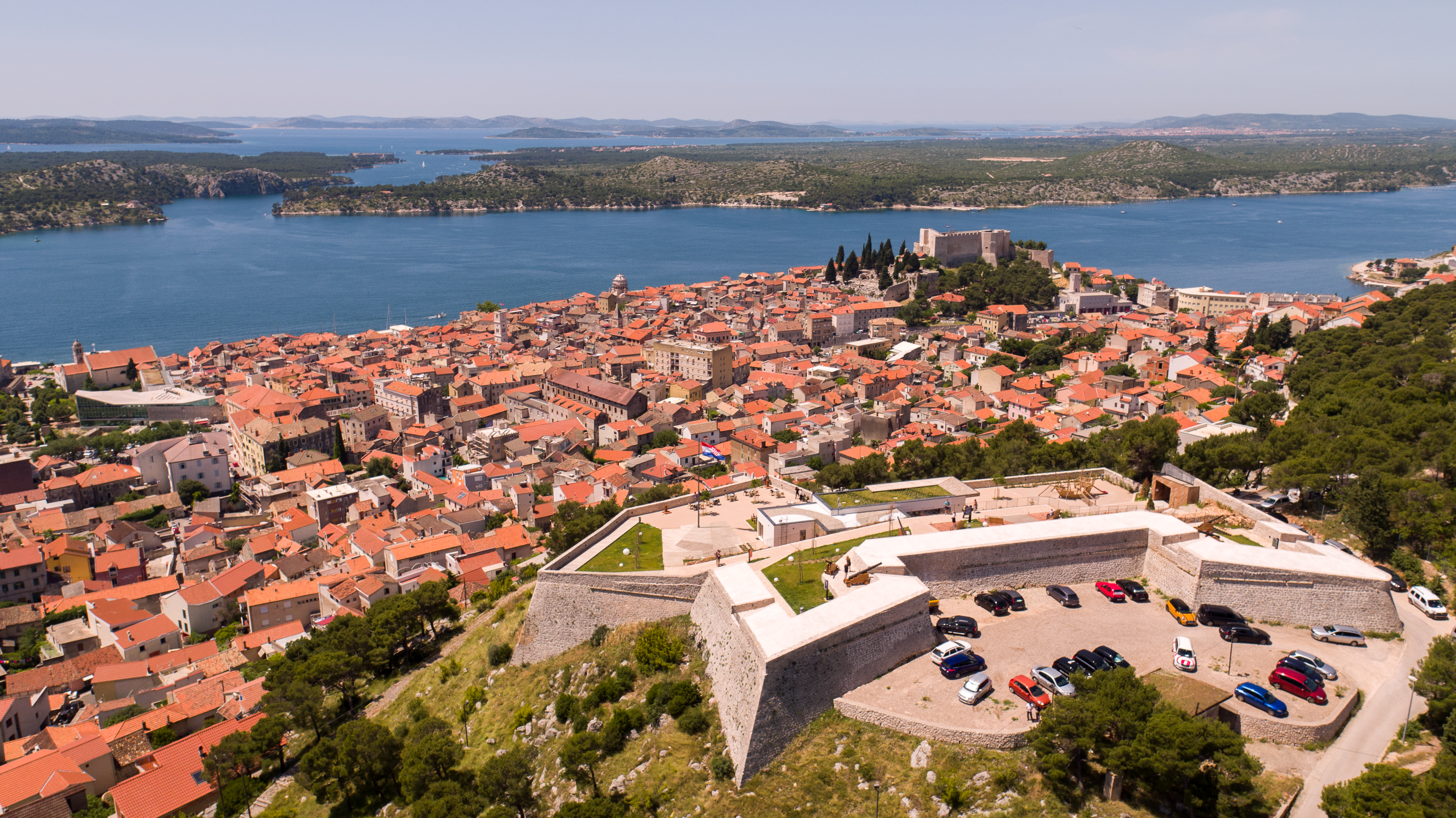
Sibenik, Croatia Hero Image
Wikipedia Contributor, CC BY-SA

Sibenik, Croatia

🌊 Coastal

Data updated Oct 9, 2026

Follows Croatia Residency Rules. Check Digital Nomad & Retiree Pathways →

📊 Scores

81
FIRE
73
Retiree
70
Digital Nomad

Best fit: FIRE / Geoarbitrage (score: 81)

Sibenik sits on Croatia's Dalmatian coast, a compact city of 43 thousand people where the sea meets a landscape of stone and Mediterranean light. The climate is Mediterranean, with warm dry summers and mild winters, and the city rests just 5 m above sea level, so the water is never far from daily life. Expats tend to settle in Dolac and Meterize, two neighborhoods that offer a balance of local character and practical access to the center. The timezone is Europe/Barclay, which keeps the city aligned with much of Central and Western Europe for work and communication.

Rents in Sibenik stay modest by coastal European standards. A one-bedroom apartment in the city center runs $743/mo, while the same outside the center drops to $561/mo. Three-bedroom units go for $925/mo in the center and $771/mo outside it. Beyond rent, a single adult spends about $820/mo, and a family of four about $2,750/mo. Utilities come to $143/mo, internet $34/mo, and a mobile phone plan $20/mo. A monthly public transport pass costs $22/mo, a gym membership $37/mo, an inexpensive restaurant meal $13 per person, a mid-range three-course meal for two $50, and a cappuccino $2. The average monthly net salary locally is $1,258/mo, and the cost of living index sits at 52/100 against New York City as 100. Budget, mid-range, and comfortable tiers for a single adult, rent included, land at $706/mo, $1,101/mo, and $1,430/mo respectively.

Safety is a strong point. The safety index is 85/100 and the crime index is 15/100, with lower crime numbers meaning a safer environment. Air quality is decent at an index of 45, where lower is better. Healthcare quality is rated Good, which covers routine care and access to services for residents. Average internet speed reaches 65 Mbps, enough for remote work, streaming, and everyday connectivity.

For stays, the Temporary Residence Permit (Privremeni boravak) requires a minimum monthly income of $1,000/mo, and the Croatia Digital Nomad Visa requires $3,762/mo. The nearest airport is SPU, 39 km away. English is common in tourist areas, and the expat community is small. Scores place overall expat satisfaction at 81/100, FIRE at 81/100, retirees at 73/100, and digital nomads at 70/100. Sibenik suits remote workers, early retirees, and slow travelers who want a low-cost Mediterranean base with solid safety and a quiet social scene rather than a large expat network.
Estimate the cost of moving to Sibenik, Croatia

Get a free moving cost estimate for moving to Sibenik, Croatia. Takes 10 seconds.

How much are you shipping?

When are you moving?

Powered by Sirelo. Free quotes from international movers.

🏚️ Cost of Living

💰 Budgets and Costs

$1,151/mo, one person, rent included
Selected: mid-range lifestyle

Sibenik on a mid-range budget comes to about $1,151 a month for one adult, with $561 of that going to rent. Beyond rent the estimate covers $157 on groceries, $135 on dining out, $79.00 on entertainment and lifestyle, $197 on utilities and connectivity and $22.00 on transport.

Rent

$561/mo

1BR outside the centre

Groceries

$157/mo

Staples basket scaled to a full month

Dining out

$135/mo

10 inexpensive meals

Entertainment & lifestyle

$79.00/mo

gym, 2 cinema trips, 12 cappuccinos

Utilities & connectivity

$197/mo

utilities, mobile, internet

Transport

$22.00/mo

Monthly pass

Budgets (excl. rent)

Single person$590/mo

Excludes rent. The total above is all-in, rent included.

Estimates for one adult, built from this city's average prices and the usage shown for each tier. Your spending will differ with how often you eat out and where you live.

A 1BR in the center runs about $742.94/mo. If your income is in another currency, bank FX fees add up. A multi-currency account can cut that cost.

See low-fee transfers

We may earn a commission at no cost to you.

See how Sibenik's cost of living compares with Nova Gradiska

Be the first to report costs in Sibenik

Share

🛡️ Safety & Crime

85
Safety Index

(Higher is safer)

15
Crime Index

(Lower is safer)

Šibenik is genuinely safe for expats, with low violent crime and a relaxed Mediterranean atmosphere. Petty theft and pickpocketing occur occasionally in tourist areas and on public transport, but serious crime is rare. The old town and waterfront are well-policed. Avoid isolated areas after dark and use standard precautions with valuables. As a small Adriatic city in stable EU/NATO member Croatia, geopolitical risks are minimal. Overall, this is a secure choice for remote workers and retirees seeking a quiet, affordable coastal lifestyle.

🏥 Healthcare

Good
Public Hospitals
Yes
Private Clinics
Yes
English-Speaking Doctors
Available

See how Sibenik's healthcare compares with Nova Gradiska

🌤️ Climate

Climate Zones
Mediterranean
Summer Temp
37°C
Winter Temp
-2°C
Humidity
68%
Air Quality Index
45
Annual Rainfall
1321 mm

Best Months

MayJunJulAug

Climate Notes

Sibenik experiences a Mediterranean climate with hot, dry summers and mild, wet winters, typical for coastal areas along the Adriatic Sea.

💻 Digital Nomad

Avg Internet Speed
65 Mbps
Internet (monthly)
$34/mo
Coworking Availability
Limited
Coworking Spaces Nearby
0
Digital Nomad Score
70/100

Community Notes

Charming coastal city with stunning views and rich culture.

Coworking Spaces

NameNotes
Coworking SibenikLocated in the heart of Šibenik, this coworking space offers a modern and collaborative environment. It's a great option for digital nomads looking for a central location with easy access to cafes and restaurants.
Regus ŠibenikAs part of the Regus network, this location provides a professional and reliable workspace with various membership options. It's suitable for expats who prefer a more corporate setting and appreciate the consistency of a global brand.

Names, locations and hours can change. Check each space's website before you visit. Places from © OpenStreetMap contributors and Foursquare Open Source Places (Apache 2.0).

Planning to live in Sibenik long-term? Croatia Digital Nomad Visa lets remote workers live legally with a minimum income of $3,762/month.

View full requirements →

Working remotely from Sibenik? Nomad health insurance covers you across borders, month to month.

See nomad insurance

We may earn a commission at no cost to you.

See how Sibenik's digital nomad life compares with Nova Gradiska

🧳 Expat Life

English Proficiency
Common in Tourist Areas
Expat Community
Small
Top Neighborhoods
Dolac, Meterize
Banks Nearby
15
ATMs Nearby
52

Expat Life Notes

A historic coastal city becoming popular with digital nomads seeking a quieter alternative to Split.

Pros

  • ✓ Beautiful UNESCO sites
  • ✓ Coastal living
  • ✓ Affordable for Croatia

Cons

  • ✗ Quiet in winter
  • ✗ Steep terrain

🏘️ Neighborhoods in Sibenik

Areas of Sibenik that expats often consider.

Conditions can change from one block to the next, and these descriptions are general guides, not safety assessments. Before choosing where to stay or live, check current travel advisories, talk to people who live there, and visit in person if you can.

Stari Grad (Old Town)

Historic charm, vibrant, touristy

The heart of Šibenik, with narrow cobblestone streets, historic buildings, and lively restaurants and bars. Popular with tourists and expats alike, offering easy access to amenities and cultural attractions. Expect higher prices and more noise during peak season; walkable but can get crowded.

Dolac

Residential, family-friendly, convenient

Located just outside the Old Town walls, Dolac offers a mix of apartments and houses, making it a more residential area. It's close to the main bus station and has good access to shops and services. A good option for those seeking a quieter life while still being close to the action; mostly flat and walkable.

Vidici

Modern apartments, panoramic views

A newer neighborhood uphill from the city center, offering modern apartment buildings and stunning views of the Adriatic. It's further from the main attractions, requiring a car or bus for easy access. More affordable than the Old Town, but less charming and requires some Croatian language skills.

Baldekin

Quiet, residential, local feel

A residential area north of the city center, characterized by apartment blocks and local shops. It's a more authentic Croatian neighborhood, offering a glimpse into everyday life. Less touristy and more affordable, but requires some Croatian language skills and is further from the main attractions; good bus connections.

Page 1 of 2

Could living/working in Sibenik cut years off your work life?

With a 1-bedroom in the center at $743/mo, your FIRE number here might be much lower than you think.

Calculate My FIRE Date →

🛂 Visa Options for Croatia

Many long-stay visas require proof of health insurance. Compare international health plans before you apply.

Compare health insurance

We may earn a commission at no cost to you.

🛂

Earning over $1,477/mo? You may qualify for a Croatia visa.

Answer 11 questions and get a personalized match in under 2 minutes.

Find My Visa →

More Cities to Consider instead of Sibenik

FAQ

Frequently Asked Questions about Sibenik

Click any question to expand the answer.

Sibenik has a population of approximately 42,599 people.
A single person can expect to spend around $1,857 per month in Sibenik, including rent. A 1-bedroom apartment in the city center costs approximately $743/month.
The nearest airport to Sibenik is SPU, approximately 39.1km away.
Sibenik is considered relatively safe, with a safety index of 85.0. As with any city abroad, expats should research specific neighborhoods before committing to a location.
Sibenik has an average internet speed of 65 Mbps. It is considered a well-established digital nomad destination.
Unlikely unless you're in tourism or maritime. Most expats here work remotely or freelance. Seasonal tourism jobs exist but are temporary and low-paid. Stable employment typically requires relocation to Split or Zagreb.
2–3 months for temporary residency. You'll need proof of income (€500–800/month minimum), health insurance, and accommodation proof. The process is bureaucratic but straightforward if documents are complete. Permanent residency takes 5 years.
Functionally, yes. Tourist infrastructure shuts down, restaurants close, and the expat community thins dramatically. Locals remain, but social life shrinks. It's peaceful if you're self-sufficient; isolating if you rely on community. Summer population roughly doubles.
Šibenik is significantly more affordable than most US cities. Expect to pay around €700-€1200 per month for a one-bedroom apartment, depending on the location (old town is pricier). Groceries and dining out are also cheaper, with a decent meal costing around €15-€25.
Šibenik is generally very safe, with low crime rates. Petty theft can occur, especially in crowded tourist areas during the summer, so be mindful of your belongings. Violent crime is rare, and you can generally feel safe walking around at night.
For a central location with easy access to amenities, the Old Town is popular, but more expensive. For a quieter, more residential feel, consider areas like Vidici or Baldekin, which offer more affordable housing options and are still within walking distance of the center.
Internet speeds in Šibenik are generally reliable and fast enough for most remote work tasks. You can expect download speeds of 50-100 Mbps, which is sufficient for video conferencing and streaming. Check with your landlord or internet provider for specific speeds at your location.
While Šibenik doesn't have a plethora of coworking spaces like larger cities, there are a few options available, and more are emerging. Check online directories and local business groups for the most up-to-date information on available spaces and their amenities.
Finding English-speaking doctors in Šibenik is generally manageable, especially in private clinics. The main hospital, Opća bolnica Šibenik, also has some staff who speak English. It's always a good idea to confirm beforehand when booking an appointment.
As a retiree, you'll need Croatian health insurance to access the public healthcare system. You can obtain this through residency and contributing to the system, or by purchasing private health insurance. The quality of care is generally good, but waiting times can be longer than in the US.
Šibenik enjoys a Mediterranean climate with hot, dry summers and mild, wet winters. Summers (June-August) are typically sunny and warm, with temperatures averaging around 25-30°C (77-86°F). Winters (December-February) are cooler, with temperatures averaging around 8-12°C (46-54°F), and occasional rain.
Several international banks operate in Croatia, including Erste and Raiffeisen. Opening a bank account is relatively straightforward with the right documentation (passport, proof of address). For international transfers, services like Wise (formerly TransferWise) often offer better exchange rates and lower fees than traditional banks.
As a US citizen, you're still required to file US taxes even when living abroad. The Foreign Earned Income Exclusion (FEIE) allows you to exclude a certain amount of your foreign-earned income from US taxes. You may also need to report foreign bank accounts (FBAR) if the total value exceeds $10,000.
Šibenik can be a viable option for early retirement on a $2500/month budget, especially if you're comfortable living like a local. You'll need to be mindful of your spending and potentially live outside the Old Town to keep housing costs down. It's definitely doable, but requires careful budgeting.
Šibenik has a growing, but still relatively small, expat community compared to larger Croatian cities like Zagreb or Split. This can be a pro or a con, depending on your preferences. There are online groups and social events where you can connect with other expats.
Taking a Croatian language course is the most structured way to learn. Private tutors are also available and can offer personalized instruction. Immersing yourself in the local culture, watching Croatian TV, and practicing with locals are also essential for improving your language skills.
Šibenik locals are generally welcoming and friendly towards expats. While not everyone speaks fluent English, they are usually patient and willing to help. Learning a few basic Croatian phrases will go a long way in building rapport and showing respect for the local culture.

Share This Guide