Min Monthly Income
$3,762
Application Fee
$62
Processing Time
2-9 wks
Difficulty
Moderate
Duration
18 months
Overview
Croatia's digital nomad visa is marketed as a straightforward EU base for remote workers, and in most ways it is. But the commitment you're actually making is bigger than the application form suggests. Thirty-six months is a residence permit, not a long stay. Once you're registered, Croatian tax law treats you the same way it treats anyone else living there, which means your tax situation changes whether you plan for it to or not. The visa gives you the right to stay. What you do with that right - how long you actually spend there, whether you register a local address, whether you open a Croatian bank account - determines the financial and legal reality of the next three years.
The profile that sails through is a US remote employee earning $5,000 or more per month on a single W-2 or a steady client roster of two or three foreign companies, with clean bank statements and no complicated income mix. The profile that struggles is anyone whose income is real but messy - a mix of freelance, a small rental property back home, some dividends - because none of that documentation was designed with a Croatian consular officer in mind and the total may not qualify anyway. The profile that's in the wrong category entirely is the early retiree living off a portfolio or a pension. The income floor here is specifically a remote work floor. If your $6,000 a month comes from dividends and Social Security, this visa doesn't apply to you regardless of your budget.
What most people don't work out before they apply is exactly when they become a Croatian tax resident, and what that triggers. The visa itself has no published physical presence requirement, which sounds like flexibility but actually means the tax question is entirely separate and not resolved by the visa rules. Croatia taxes residents on worldwide income. If you spend 183 or more days there in a calendar year - which, on a 36-month permit, most people will - you're a resident for tax purposes, and that means your US income, foreign dividends, and capital gains are all potentially in scope. The US-Croatia tax treaty status is unconfirmed, so you can't rely on treaty relief to sort this out for you. Get a Croatian tax advisor on the phone before you submit, not after you land.
What Croatia actually offers - and what most comparable schemes don't - is three consecutive years in an EU member state at a cost of living that's about 55% of New York, with Adriatic access, reliable internet, and a culture that doesn't treat remote workers as an administrative nuisance. You can base yourself in Split or Zagreb and fly anywhere in Europe in under three hours. That's the real value here: not just a legal right to stay somewhere cheap and beautiful, but genuine access to the continent while you figure out what the next chapter looks like.
Eligibility Requirements
EU and EEA citizens do not need the Croatia Digital Nomad Visa at all; they rely on free movement rules to live and work in Croatia. The door is open instead to non-EU/EEA/Swiss nationals such as Americans, Canadians, Australians, New Zealanders, Britons, and most Latin American and Asian passport holders, provided they meet the remote-work and income rules.
The edge cases cause most confusion. Norway, Iceland, and Liechtenstein are EEA members and, together with EU citizens, have similar free-movement style rights, so they do not use this digital nomad route. Switzerland, while not in the EU or EEA, has its own bilateral free movement arrangements with the EU and therefore does not fall into the target pool for this non-EU digital nomad permit. Post‑Brexit UK nationals, by contrast, are treated as third‑country citizens for Croatian immigration purposes and can apply on the same basis as US or Canadian applicants.
Dual nationals holding any EU citizenship (for example, an American with an Irish, Italian, or Croatian passport) should enter and reside in Croatia on their EU passport, not via the Croatia Digital Nomad Visa. That route is faster, cheaper, offers broader rights, and avoids the remote-work and income-type constraints entirely.
Min Income
$3,762
Min Savings
$34,794
Application Fee
$62
Duration
18 months
Max Absence
180 days
Remote Work / Freelance
1099 Contractor · Self-Employed · Business Owner
Max 0% from local sources
+10% per adult · +10% per child
Requirements Checklist
0 of 19 documents in hand
0%These take the longest, so start them first.
Request these while the slow items are in progress.
You only need these on the day you submit.
Extra requirements for this visa
- Apostille required on official documents
How and where to apply
You must apply online through the official Croatian Digital Nomad portal (digitalnomadscroatia.mup.hr) from outside Croatia. You do not need to visit a consulate or immigration office to submit your initial application. However, after your application is approved and you arrive in Croatia, you must register your address with the local police station (MUP) within 3 days and collect your biometric residence card in person.
Tax Information
Local tax regime and what it hits
Croatia uses a standard residence-based, worldwide income tax regime: residents are taxed on global income, non-residents on Croatian-source income only. For someone on the Croatia Digital Nomad Visa, that means tax exposure depends on whether you become a Croatian tax resident. Remote salary from a US or other foreign employer, self-employment income from foreign clients, and foreign rental income are all taxable in Croatia once you are resident. Pension distributions and Social Security are not recognized as qualifying income for the visa, but if you receive them while resident, they fall into the global-income net.
Capital gains on foreign investments, such as selling index funds or ETFs in a foreign brokerage account, are in principle taxed under Croatia’s worldwide system once you trigger tax residence. There is no special exemption for digital nomads disclosed in the official parameters, so you have to assume that gains are taxable at Croatia’s standard rates applicable to capital income rather than being exempt or taxed only on remittance. If the government later introduces a specific digital-nomad exemption, that would change the calculation, but it is not publicly specified.
Tax residency usually hinges on days present per year, center-of-life factors, or formal registration, but for this visa there is no publicly specified physical presence requirement or maximum consecutive absence in the immigration rules. In practice, spending 183 days or more in Croatia in a 12‑month period or registering a 36‑month temporary stay is likely to make you a tax resident, but the exact trigger is not disclosed in the visa rules. Once resident, you should expect to obtain a Croatian tax ID and file annual returns; the first filing deadline will align with the standard Croatian tax calendar, not with your visa issue date.
The tax treaty position with the US is marked as unknown in the visa rules, so you cannot rely on a treaty to solve double taxation questions sight unseen. Without clear confirmation, an American with Croatian-source or Croatian-taxed income has to assume US rules apply in full, with relief coming via US-side mechanisms rather than a clearly mapped bilateral treaty.
For US Citizens and Green Card Holders
For Americans on this visa, the US keeps taxing you on worldwide income regardless of your Croatian status. Three tools matter: the Foreign Earned Income Exclusion (FEIE), the Foreign Tax Credit (FTC), and information-reporting forms.
FEIE (Form 2555) can shield up to $126,500 of earned income in 2024 from US income tax. Only earned income qualifies: remote salary, consulting fees, or self-employment income from your foreign clients. ETF dividends, capital gains, rental income, pension distributions, and Social Security do not fall under FEIE. Given this visa’s 36‑month duration and residence-style structure, most users will either meet the Physical Presence Test (330 full days abroad in any 12‑month window) or eventually qualify as bona fide residents of Croatia, making FEIE available on their remote-work income.
RECOMMENDED TAX PARTNER
Simplify Your US Tax Filing from Croatia
Navigating the Foreign Earned Income Exclusion (FEIE) and Foreign Tax Credits while living in Croatia can be incredibly complex. Greenback Expat Tax specializes in helping Americans abroad stay 100% compliant while ensuring you don't pay a penny more to the IRS than necessary. Let their expert CPAs handle the heavy lifting for you.
We may earn a commission at no extra cost to you. Affiliate Disclosure
The Foreign Tax Credit (Form 1116) becomes relevant once Croatia taxes your remote income, dividends, or gains. FTC only helps when Croatia’s effective rate on a given income stream is greater than zero; if Croatia does not tax a specific item, there is no foreign tax to credit and the US bill on that income remains unchanged. If you are fully resident in Croatia and paying Croatian tax on your $3,855+ per month of remote income, FTC often does more for you than FEIE, especially when your earnings exceed the FEIE cap.
FBAR (FinCEN 114) and FATCA (Form 8938) reporting obligations apply once your combined non-US financial accounts exceed $10,000 (FBAR) or the higher FATCA thresholds. A Croatian bank account is not required for this visa, but if you open one to receive client payments or pay local expenses and your aggregate foreign balances ever cross $10,000 during the year, FBAR filing becomes mandatory, with non-willful penalties starting at $10,000 per violation.
For a Croatia Digital Nomad Visa holder, the practical move is to work with two specialists: a US CPA focused on expat taxation to calibrate FEIE vs. FTC and handle FBAR/FATCA, and a local Croatian tax advisor to determine when you become resident, obtain a tax ID, and file correctly. The $1,500–$3,000 you spend in year one on that combined advice commonly pays for itself through optimized elections, avoided double taxation, and prevention of five‑figure reporting penalties.
Living in Croatia
COL Index vs NYC
43.2
Monthly Cost (excl. rent)
$881
1BR Rent (City Center)
$762
Safety Index
74.5
Healthcare Index
64.7
Quality of Life Index
174.6
Time Zone
UTC+01:00
Capital
Zagreb
Population
4.0M
Official Languages
Croatian
Avg Internet Speed
242 Mbps
Public Transit Quality
Good
With a budget covering rent and living costs, you'd need roughly $1,643/mo for a comfortable single-person lifestyle in Croatia.See how far your money goes →
🏙️ Best Cities in Croatia for Digital Nomads
 72
72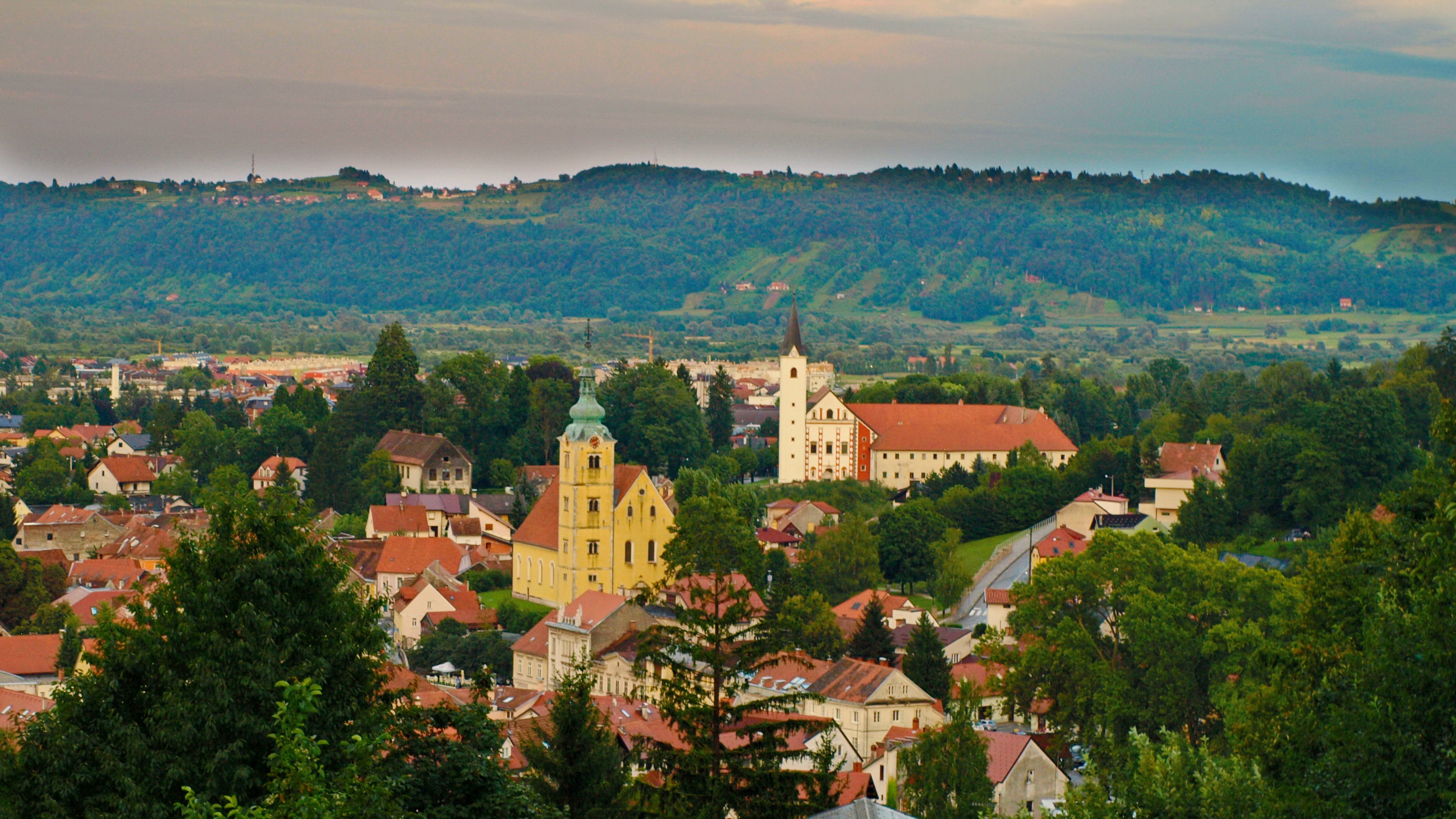 ✦ 78
✦ 78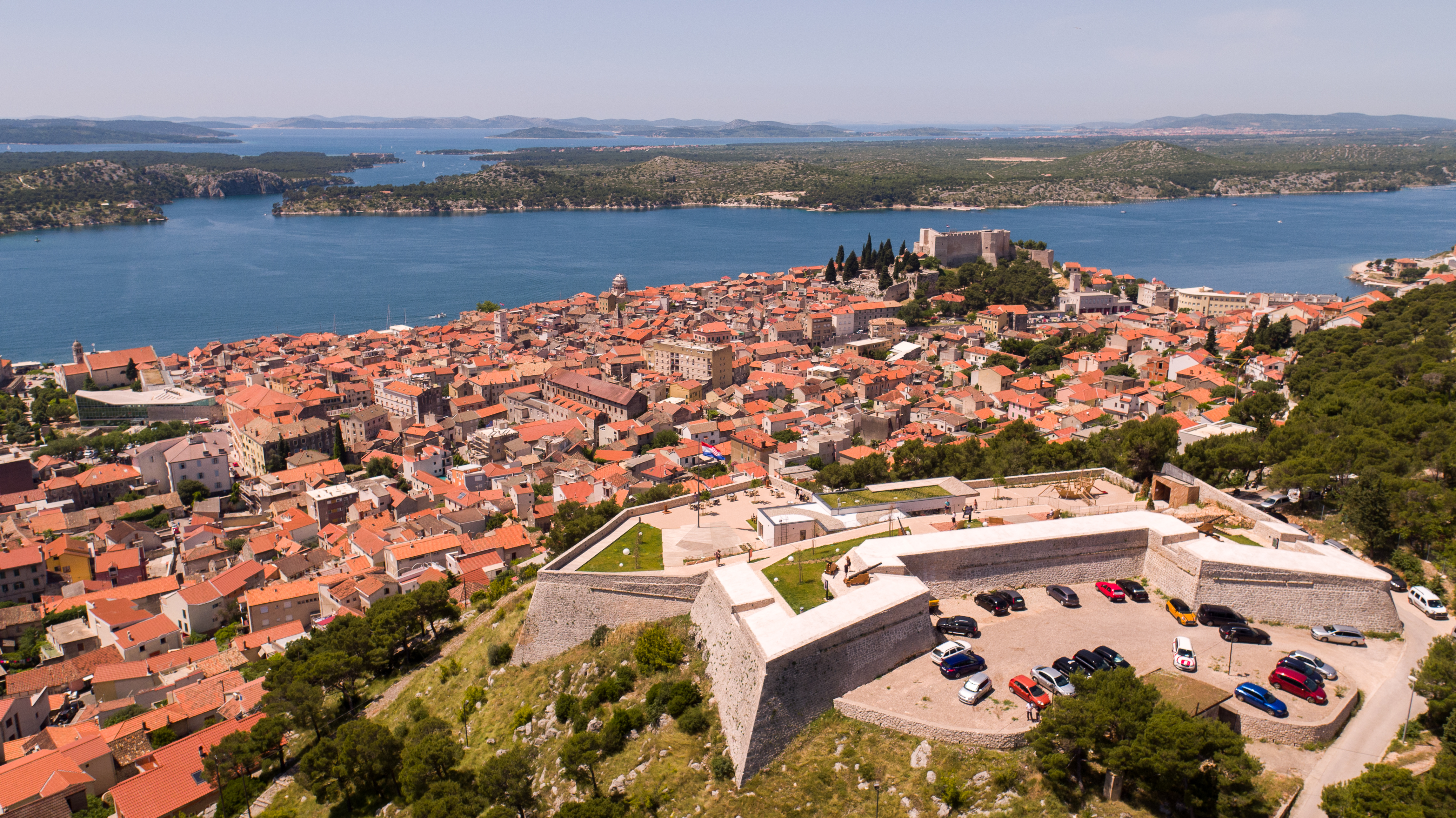 70
70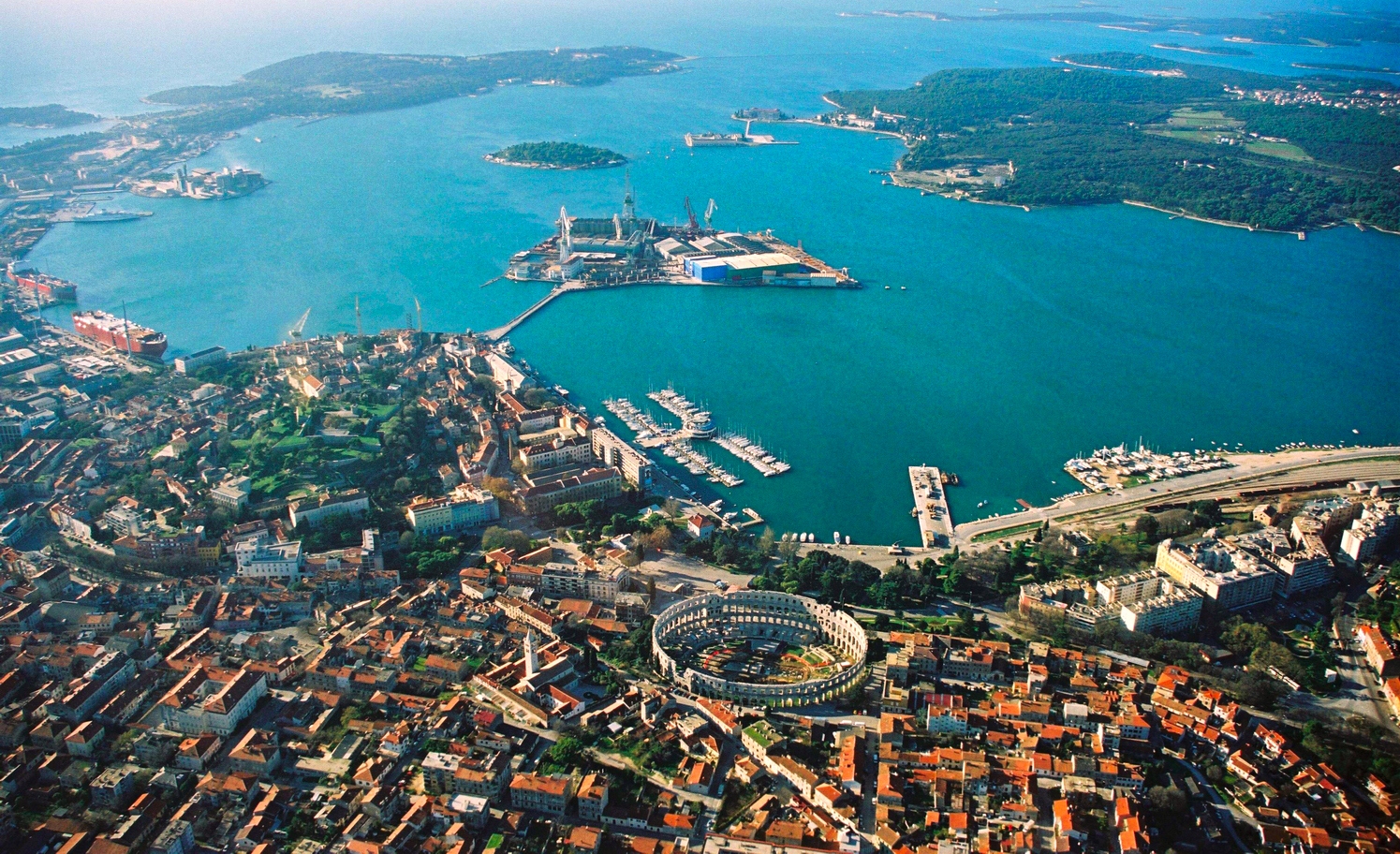 ✦ 75
✦ 75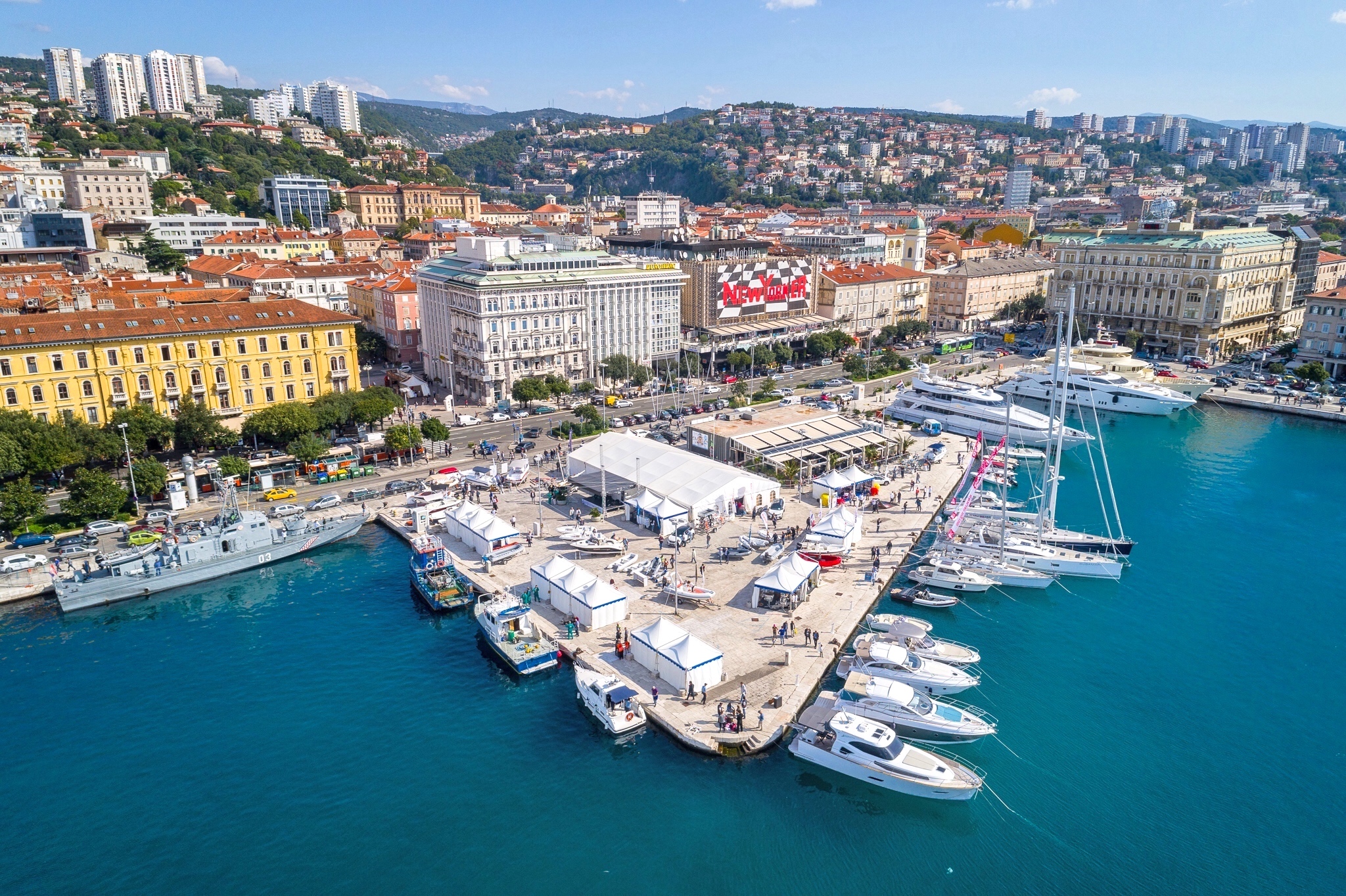 72
72 71
71Getting Your Income Documentation Right Before You Apply
The income threshold itself isn't complicated, but the documentation story you build around it is something most applicants underestimate. Croatian authorities want to see that your income is real, recurring, and genuinely foreign-sourced - and those three things require different documents depending on how you're set up. A W-2 employee with direct deposits and a single employer is almost trivially easy to document. Six months of pay stubs, a contract, and bank statements telling the same numerical story is exactly what the process expects.
Freelancers and multi-client contractors have more work to do. Your bank statements need to show consistent deposits, and they need to add up to the threshold. If you're pulling $2,000 from one client in January and $5,000 from another in March with nothing in February, that's not a clean story even if the annual average is fine. Before you apply, run a month-by-month review of the last six months of deposits and ask yourself whether a consular officer looking at those statements would immediately see a clear, recurring, foreign-sourced income above the floor. If the answer involves any mental math or explanation, shore it up first.
Business owners should pay particular attention to how income flows from their entity to themselves. The visa evaluates your personal income, not your company's revenue. If your LLC earns $8,000 per month but you only pay yourself $2,500, your documented personal income is $2,500. This catches people who technically earn well above the threshold but haven't structured their own compensation to reflect it.
The Accommodation Requirement and How It Actually Works
Getting proof of accommodation sounds like a box to check, and for a lot of applicants it is. But there's a timing problem that catches people more often than you'd expect. The application requires a Croatian address before you can get there, which means you either book a long-stay Airbnb, sign a short-term rental contract, or get a confirmation letter from someone who can host you. Most people default to a two- or three-month Airbnb booking, which works - but it means you're paying Croatian rent before you've confirmed approval, before you've found the neighborhood you actually want to live in, and before you know your processing timeline.
The smarter approach, if you have any flexibility, is to find a landlord willing to provide a formal lease with a condition or letter confirming you'll take the unit on a specific date. Some landlords in Zagreb and Split are familiar enough with the process to accommodate this. Some aren't. There's no shortcut that eliminates the timing problem entirely; you're essentially making a financial commitment to accommodation in a country you might not yet have visited. Budget accordingly and don't sign anything you can't absorb losing if the application comes back slowly.
What the requirement doesn't tell you is that the address you list also becomes the address where you register with local police within three days of arrival - and that registration is what triggers the final step to get your biometric card. So your initial accommodation isn't just for the application; it's the administrative address your Croatian legal existence is built on for the first few months. Changing it too quickly creates paperwork.
After Approval - The Gap Nobody Warns You About
Visa approval and having a functioning Croatian permit in your hand are not the same day. They're not even the same week. The approval arrives, you travel to Croatia, and then you have a short window to register your address with the local police station (MUP). That registration is what generates your biometric residence card, and that card takes another one to two weeks to collect. Until you have it, you're legally in Croatia on the strength of your approval documentation, but you don't yet have the physical proof of status that landlords, banks, and some service providers will ask for.
This matters practically because several things you'll want to do quickly - opening a local bank account, setting up phone service, getting a Croatian tax number - may require the biometric card rather than just the approval letter. The sequence is tighter than it sounds on paper, especially if you land and immediately try to set up your life. The better approach is to arrive with a week's worth of administrative patience built into your plan, stay somewhere flexible while the card processes, and not book an apartment that requires proof of residency on day one.
The three-day police registration requirement is firm. Missing it is the kind of bureaucratic error that creates real problems, because it delays everything downstream. Know the address of the nearest MUP office before you land.
The Long-Term Path - What Permanent Residency Actually Requires
This visa does not lead to permanent residency. The FAQ says it plainly, but the implication deserves more than a bullet point. You can renew the permit beyond the initial 36 months, but renewing keeps you in temporary status indefinitely - you're not accumulating time toward anything. There's no conversion pathway, no years-counted system that moves you toward an EU permanent resident card the way some other EU immigration routes do. Croatia has a separate permanent residency process under standard immigration law, but the Digital Nomad Visa time does not count toward it.
That's a genuine trade-off, not a disqualifying flaw. For a lot of people, three renewable years in Croatia is exactly the time horizon that makes sense - long enough to put down real roots, short enough to maintain flexibility about what comes next. But if you're thinking in decades rather than years, Croatia on this visa is a base, not a destination. Someone who wants an EU permanent resident card on a clear timeline should be looking at Portugal's more structured pathways, or at Croatia through a different immigration category altogether.
The citizenship question is further away still. Croatian naturalization typically requires eight years of continuous legal residence, Croatian language proficiency, and a formal integration assessment - and again, digital nomad visa time doesn't straightforwardly contribute. The people who successfully naturalize in Croatia typically come through employment or family routes, not through the nomad scheme.
Croatia vs. Portugal's Digital Nomad Visa - A Real Comparison
Portugal is the obvious comparison, and for most Americans it's the first thing they've heard of. The Portuguese D8 visa exists in the same conceptual space - EU country, remote work, medium-term stay - but the practical experience of the two is quite different. Portugal's income threshold has shifted and currently runs higher for some categories. The cost of living in Lisbon has risen substantially over the past five years; what made Portugal feel like a budget move in 2020 is considerably less true in 2026.
Croatia is genuinely cheaper, particularly outside Zagreb. Split is the most obvious alternative base - coastal, well-connected to budget European aviation, and still running at a cost level that makes your dollar feel like your dollar. The tradeoff is that Croatia is a less developed expat infrastructure than Lisbon or Porto, which either matters to you or it doesn't. If you need a community of English-speaking remote workers who've done this before and can shortcut your local learning curve, Portugal still has the thicker network. If you'd rather be somewhere that hasn't been fully processed by the digital nomad wave, Croatia has that.
The tax picture also separates them. Portugal's non-habitual resident regime - the mechanism that historically made it attractive on the tax side - has been modified and is no longer as favorable as it was. Croatia has no equivalent special regime for nomads, but the base tax rates and the cost of living together still make the overall financial math competitive. Neither country is a tax haven. Both require you to actually deal with your tax situation.
Work Permissions
Application Steps
- 1
📋 Verify your eligibility and gather documents
2-4 weeks
- 2
📄 Obtain criminal background check
2-6 weeks
- 3
📄 Secure private health insurance
1-2 weeks
- 4
📄 Arrange accommodation and obtain proof
1-4 weeks
- 5
📬 Create account and submit online application
1-2 hours
- 6
📬 Pay application fee online
Same day
- 7
⏳ Wait for application processing and decision
4-12 weeks
- 8
🏛️ Receive approval and travel to Croatia
1-2 weeks after approval
- 9
🏛️ Register address with local police station
Same day or 1-2 days
- 10
🏛️ Collect biometric residence card
1-2 weeks after registration
This visa requires proof of health insurance. Compare international plans before you apply.
Compare health insuranceWe may earn a commission at no cost to you.
Compare this visa
Curated comparisons that include this route.
Frequently Asked Questions
Click any question to expand the answer.
Ready to Apply?
Work with trusted visa specialists who handle the paperwork so you can focus on your move.
Get help with this visa →* We may earn a commission if you apply through our link
At a Glance
Last verified: October 9, 2026