Min Monthly Income
$1,477
Application Fee
$75
Processing Time
4-78 wks
Difficulty
Moderate
Duration
12 months
Overview
Croatia’s EU Blue Card is built around one core reality: you must be a highly qualified, non‑EU worker hired by a Croatian employer on a local contract that pays at least about $2,240 per month (the current minimum from the program rules). Portfolio income alone won’t work. The salary threshold is checked directly against your Croatian employment contract, so $3,800/month from US rental income and ETF dividends won’t qualify you unless you also secure a Croatian job offer at or above that $2,240/month floor.
Once approved, you receive a combined residence and work permit for up to 12 months, renewable as long as you still meet the criteria. Processing runs roughly 8.6 weeks (as of 2026), so you’re looking at a 1–2 month lead time between filing and being able to start work on the ground. Health insurance is mandatory; you’ll either need private coverage at the outset or be enrolled into the Croatian system through your employer. Apostilles, FBI background checks, medical exams, and in‑person interviews are not listed as formal requirements in the the program rules, which keeps the paper burden lighter than many work‑linked residence routes in Europe.
For long‑range planners, the Blue Card can be part of a 5‑year track to permanent residence in Croatia. the program explicitly pegs “Years to PR” at 5, aligning with the broader EU pattern where continuous legal residence, including under a Blue Card, can mature into permanent status. The published rules do not guarantee that this Croatian Blue Card alone guarantees a direct citizenship path or the exact years to naturalization, so anyone thinking in 10‑ to 15‑year horizons should treat it as a residency platform first, not a guaranteed passport pipeline.
Friction points concentrate around documentation and employer fit rather than raw bureaucracy. You need a clean criminal record even though an FBI check is not mandated, a precise alignment between your qualifications and the “highly qualified” role, and health insurance that satisfies Croatian authorities. With a bureaucracy score of 1.375/5 and processing of about 8.6 weeks (as of 2026), the real risk is not endless waiting but rejection if your job offer, salary, or qualifications fall short of the regulated standard.
This makes the most sense if you’re a remote‑capable professional willing to switch onto a Croatian W‑2–style employment contract paying at least $2,240/month and you want a realistic 5‑year route to PR while working locally. It’s a poor fit if your income is primarily dividends, interest, rental cash flow, or US Social Security and you have no intention of taking on Croatian employment to anchor the Blue Card.
Eligibility Requirements
EU and EEA citizens already have free movement and work rights in Croatia and do not need or qualify for the Croatia EU Blue Card route. The target pool is “third‑country nationals” – anyone who is not a citizen of an EU Member State or EEA state and does not have equivalent free movement status.
The common confusion points are Norway, Iceland, and Liechtenstein (EEA) and Switzerland and the UK. Norwegians, Icelanders, and Liechtensteiners are treated like EU citizens for movement and work and therefore do not use the Blue Card. Swiss citizens work under bilateral EU–Swiss arrangements, again outside this scheme. Post‑Brexit UK nationals are now non‑EU/EEA and can in principle apply for a Croatian EU Blue Card if they otherwise qualify, just like Americans, Canadians, Australians, and New Zealanders.
Dual nationals who hold any EU citizenship (for example US–Irish, Canadian–Italian, Australian–German) should enter and reside in Croatia on their EU passport rather than as third‑country nationals. Using the EU passport bypasses the Blue Card entirely, avoids the “highly qualified” test and salary threshold for the permit itself, and usually leads to faster, cheaper registration with far fewer documentary hurdles.
Min Income
$1,477
Application Fee
$75
Renewal Cost
$82/yr
Duration
12 months
Requirements Checklist
0 of 20 documents in hand
0%These take the longest, so start them first.
Request these while the slow items are in progress.
You only need these on the day you submit.
Extra requirements for this visa
- Apostille required on official documents
How and where to apply
You may apply at a Croatian embassy or consulate in your home country, online through the Croatian immigration portal (if available), or in-country at a police station according to your temporary address in Croatia. If you are a citizen of a visa-exempt country (such as the US), you may enter Croatia visa-free as a tourist and apply at a police station in-country. If you require a visa to enter Croatia, you must apply from abroad at a consulate or embassy before traveling. Specific rules for switching from tourist status to EU Blue Card status in-country are not fully detailed; confirm with Croatian immigration authorities.
Tax Information
Local tax picture for EU Blue Card holders in Croatia
Croatia taxes individuals on a worldwide basis once they are tax resident; there is no territorial or remittance‑basis carve‑out in Croatian tax legislation for EU Blue Card holders. Salary you earn from your Croatian employer under the Blue Card, foreign remote salary, ETF dividends from a US brokerage, US pension distributions, and rental income from property abroad are all in scope once you are treated as a Croatian tax resident. CitizenRemote explicitly notes that Blue Card holders are generally treated as residents for tax purposes from the moment they register residence, which lines up with how this permit is used: a 24‑month work‑and‑stay authorization tied to a local job.
For FIRE readers, this means that selling index funds or ETFs in your US, Canadian, or UK brokerage while resident in Croatia is not exempt: capital gains on foreign investments are taxed locally rather than being ignored under territorial rules. Croatian law taxes capital gains at set rates; the exact current percentage is 12% for assets held under two years, and exempt after two years, so you should expect taxation rather than exemption and verify the precise bracket with a local advisor. The Blue Card regime does not create a special low tax rate or “lump‑sum” shelter akin to Portugal’s NHR or Italy’s flat‑tax option.
Tax residency is driven by residence registration and physical presence, not by the visa label alone. Croatia uses a 183‑day test in a 12‑month period alongside center‑of‑life factors; in practice, an EU Blue Card holder with a 24‑month residence permit, a local employment contract, and registered address will be treated as tax resident from day one of registration, even if the 183‑day mark hasn’t yet elapsed. That matters for timing of asset sales and pension withdrawals around your move‑in date.
Once resident, you must obtain an OIB (personal identification number) from the Croatian authorities, which is required for payroll, banking, and tax. You then fall into the annual filing cycle. Exact filing deadlines and the existence of simplified reporting for pure employment income vary by case; assume that once you have income beyond Croatian payroll (e.g., foreign dividends, capital gains, or rent), you will need to lodge a full return. The Croatia and the US do not have a bilateral income tax treaty, so US persons cannot assume reduced withholding on dividends or automatic relief from double taxation without checking the actual treaty and any totalization agreement for Social Security.
For US Citizens and Green Card Holders
For Americans on a Croatian EU Blue Card, US tax obligations sit on top of Croatian worldwide taxation. Form 2555 (Foreign Earned Income Exclusion, FEIE) can shelter up to $132,900 of earned income in 2026 from US income tax, but only wages and self‑employment counts. Your Croatian W‑2–style salary under the Blue Card is “earned income” eligible for FEIE; your ETF dividends, capital gains, US rental profits, and Social Security are not. Given the 24‑month residence and employment structure, most Blue Card holders will qualify under the Bona Fide Residence Test after establishing a home in Croatia, with the Physical Presence Test (330 days abroad in a 12‑month window) as a fallback in the first partial year.
Form 1116 (Foreign Tax Credit, FTC) becomes relevant because Croatia taxes worldwide income once you are resident. Where Croatian effective tax rates on your salary, dividends, or capital gains exceed US rates, FTC can offset the US liability on those same streams. If Croatian tax on a given category is lower, FEIE plus partial FTC might still leave US residual tax. Because the Croatia and the US do not have a bilateral tax treaty, you cannot assume treaty relief on pensions or Social Security; however, FTC operates even without a treaty as long as the foreign tax is “legal and actual.”
FBAR (FinCEN 114) and FATCA Form 8938 are almost unavoidable. A Blue Card holder working in Croatia will generally open a local bank account for payroll, even though the visa rules don’t label it a formal requirement. Once the aggregate value of your non‑US financial accounts exceeds $10,000 at any point during the year, FBAR is mandatory, with non‑willful penalties starting around $16,700 per violation as of 2026. FATCA Form 8938 kicks in at higher thresholds depending on filing status and residence; both are in addition to your standard Form 1040.
To thread this needle, you need two specialists: a US CPA who focuses on expat taxation and understands FEIE, FTC, FBAR, and FATCA interactions, and a Croatian tax advisor who can confirm capital‑gains treatment, residency timing, and filing mechanics. For someone moving significant assets and earning Croatian salary, the $1,500–$3,000 you spend in year one for coordinated advice is usually less than the cost of one mis‑timed asset sale or a single missed FBAR penalty.
Living in Croatia
COL Index vs NYC
43.2
Monthly Cost (excl. rent)
$881
1BR Rent (City Center)
$762
Safety Index
74.5
Healthcare Index
64.7
Quality of Life Index
174.6
Time Zone
UTC+01:00
Capital
Zagreb
Population
4.0M
Official Languages
Croatian
Avg Internet Speed
242 Mbps
Public Transit Quality
Good
With a budget covering rent and living costs, you'd need roughly $1,643/mo for a comfortable single-person lifestyle in Croatia.See how far your money goes →
🏙️ Best Cities in Croatia for Expats
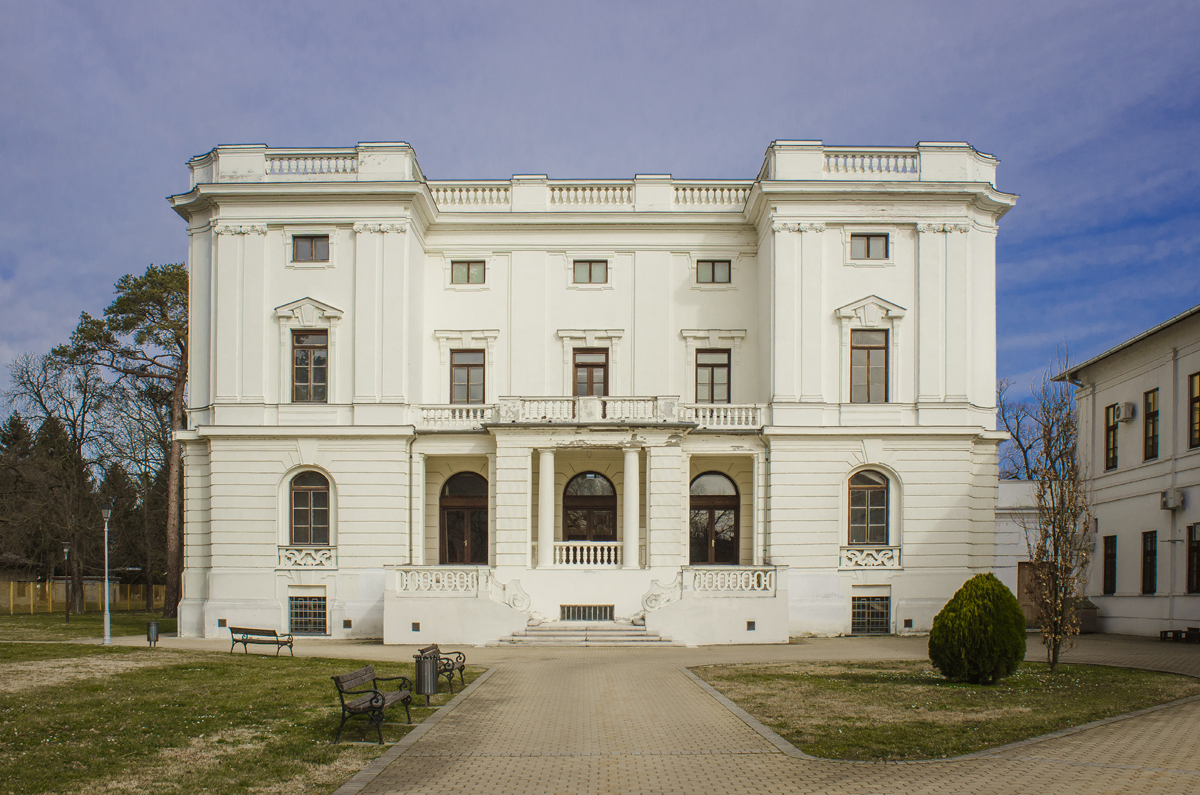 ✦ 89
✦ 89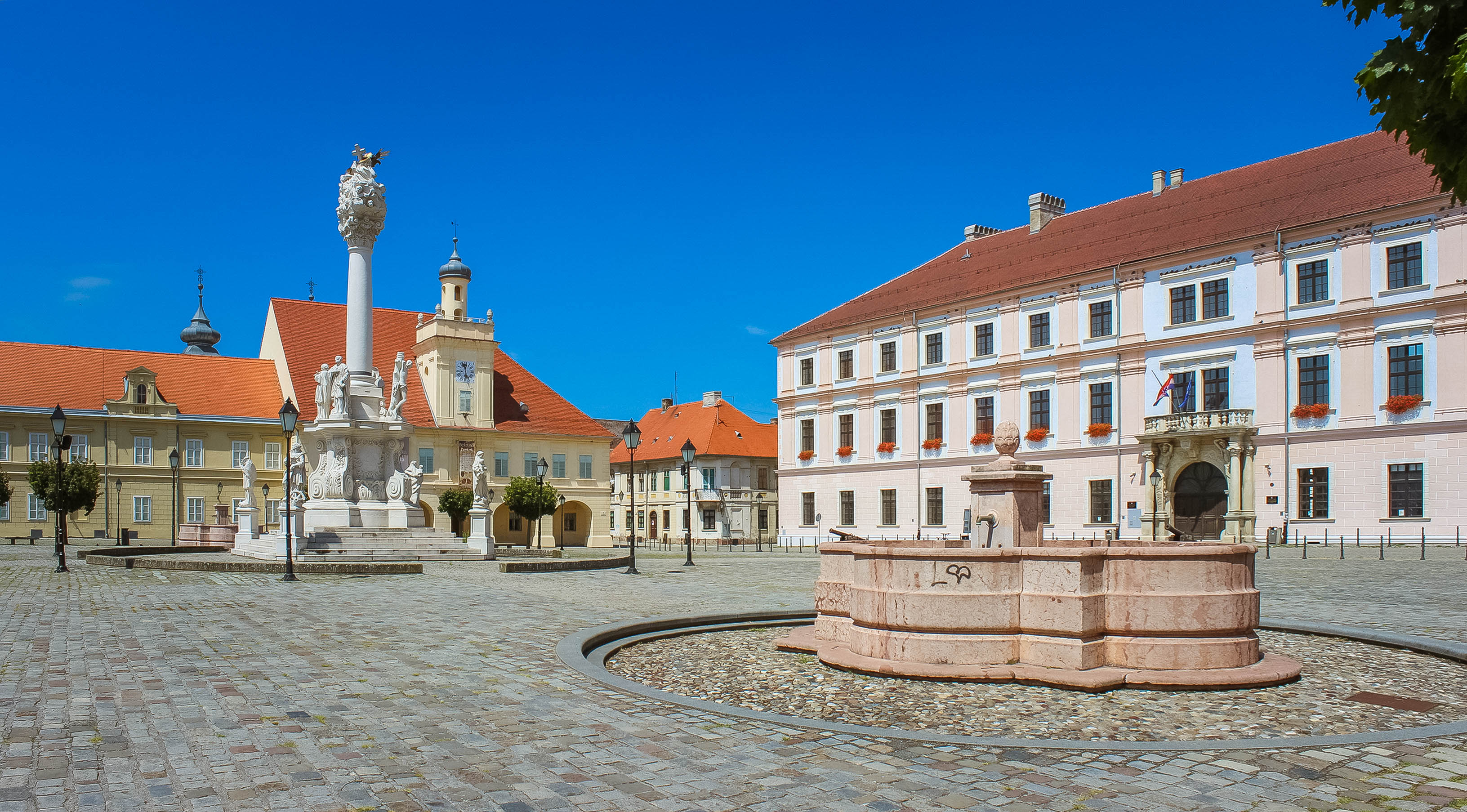 ✦ 85
✦ 85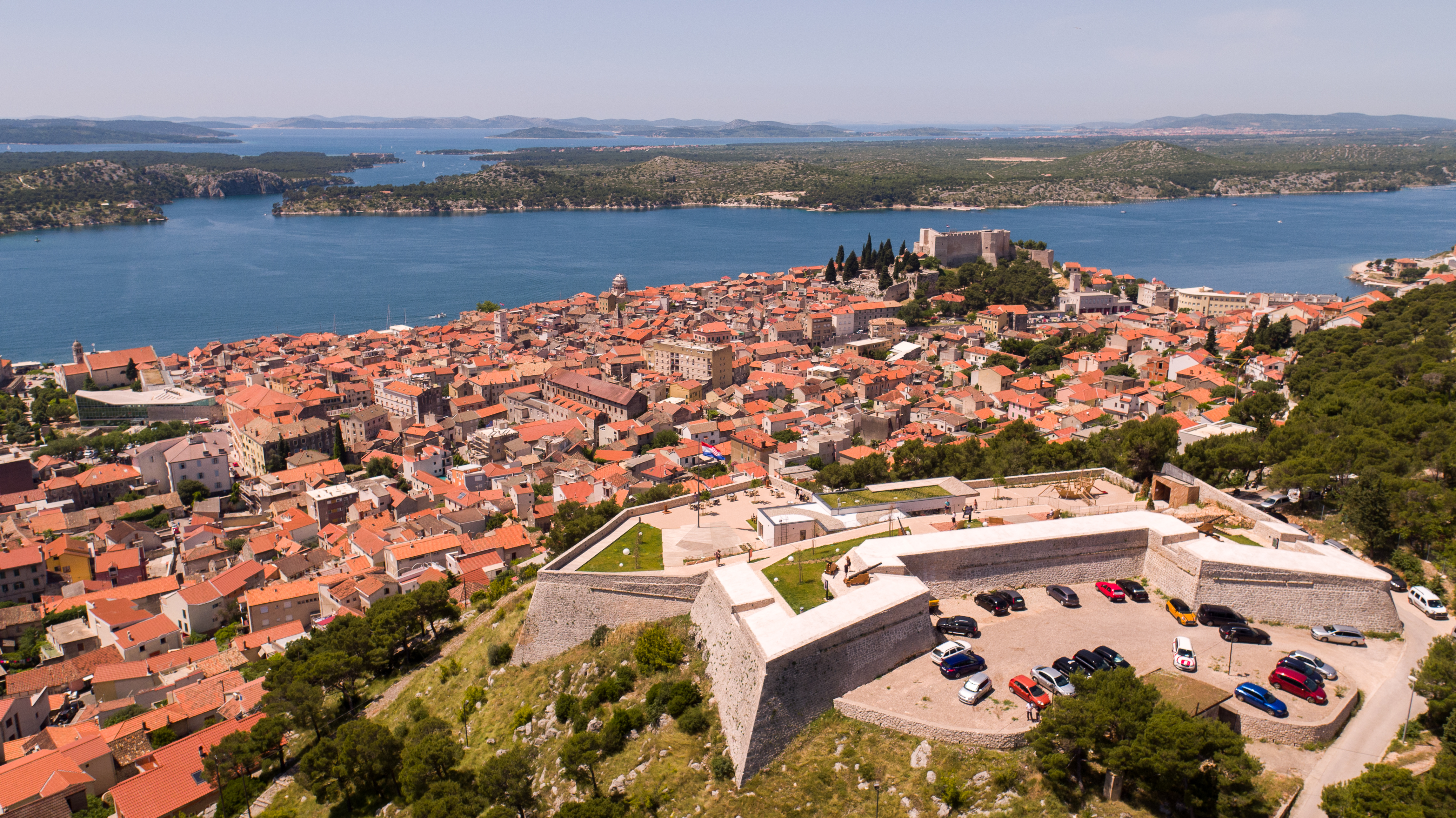 ✦ 81
✦ 81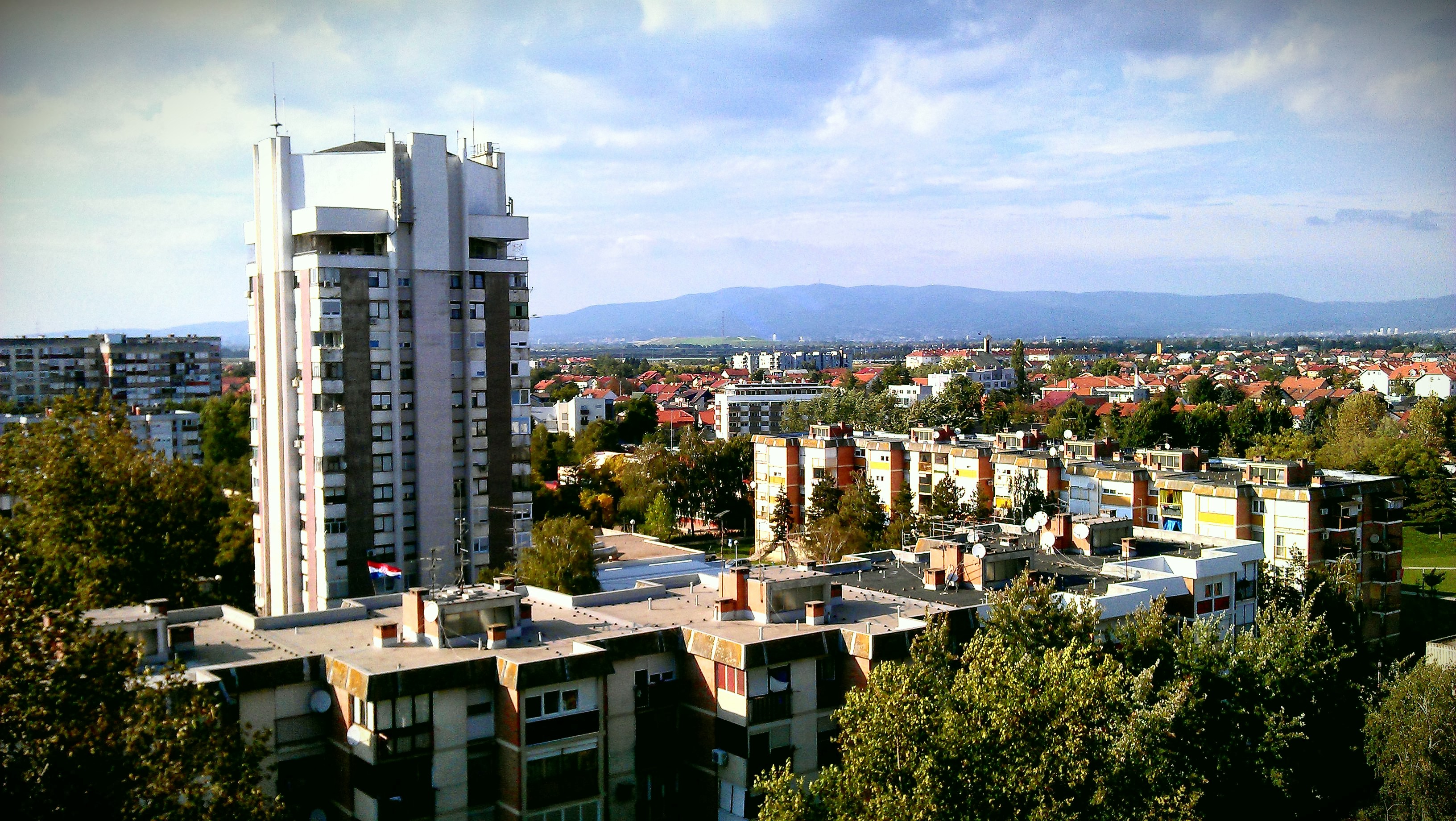 ✦ 81
✦ 81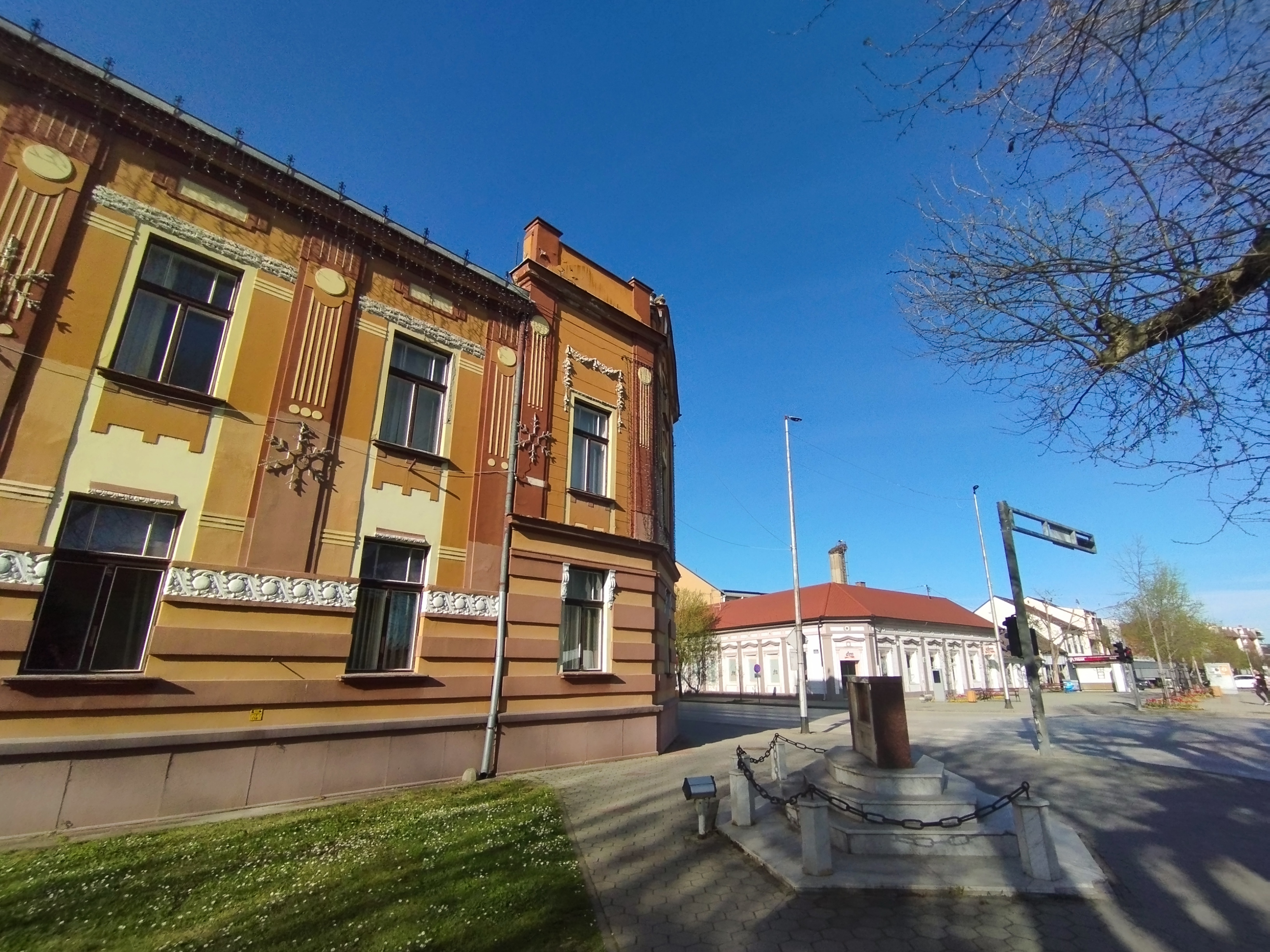 ✦ 91
✦ 91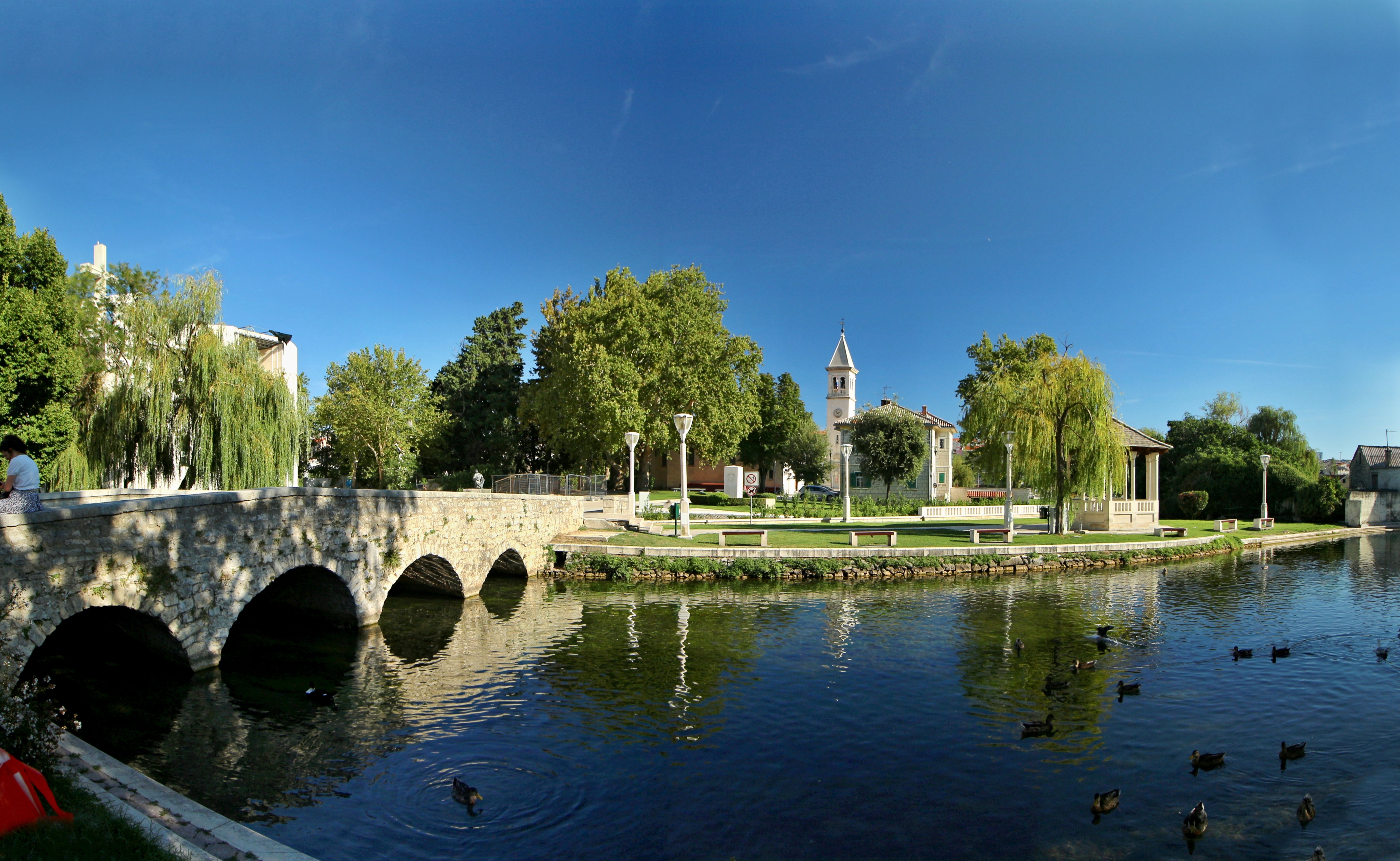 ✦ 82
✦ 82The housing requirement and how people get it wrong
Proof of accommodation sounds like the easiest box to check, and that's exactly why people check it wrong. A confirmed hotel booking or a short Airbnb reservation technically satisfies the paperwork requirement at the point of submission, but it creates a problem a few weeks later when you're expected to register a residential address with the police station covering your Croatian address. A hotel isn't a residential address in the sense the system wants. What you actually need is a lease, and ideally one the landlord is willing to register you against, because Croatian landlords have varying appetites for putting a foreign tenant's residence permit application on their own paperwork trail. Some avoid it entirely due to tax exposure on the rental income, which means the apartment that looked perfect on a listing site quietly stops being an option once the landlord understands what's being asked of them.
The sequencing risk runs the other direction too. Signing a year-long lease before your permit is approved ties up cash and commits you to a city before you know whether the employer's sponsorship will clear. Some applicants split the difference with a shorter initial lease or employer-provided housing, where the company's HR department has already worked out the registration mechanics with a landlord they've used before. If your employer offers this, take it, not because it's cheaper but because it removes an entire category of paperwork friction from your side of the process.
The gap between approval and holding a real permit
An approval letter is not a residence permit, and the distance between the two is where a lot of people lose weeks they didn't budget for. Once the employment-based application clears, you still need to show up in person, submit fingerprints and a signature, and go through the biometric enrollment that produces the physical card. Nothing about this step requires a medical exam or a formal interview, which keeps it lighter than in some other EU systems, but it does require your physical presence at the right window, with the right documents, at a police station tied to your registered address, which is one more reason the accommodation piece has to be solid before this stage.
The permit you receive initially runs for twelve months. That's not a formality, it's the clock that starts your renewal cycle, and it means the employer relationship you built the application around needs to survive at least a year without a gap. If the job ends early, or the contract is restructured in a way that drops you below the salary threshold, the permit's validity doesn't automatically follow. Plan the first year assuming you'll need to prove continuity of the same job, the same qualifying salary, and the same employer relationship when the renewal window arrives, because that's what actually gets checked.
What the long-term path requires in practice
The route to permanent residence here runs five years, and that number gets treated as a countdown when it's really a continuity test. Each renewal along the way costs $82 in administrative fees, which is trivial compared to the actual requirement behind it: an unbroken employment relationship that keeps meeting the qualifying salary threshold, year over year, without gaps that reset the clock. Job changes aren't necessarily fatal, but the paperwork burden of switching Croatian employers mid-cycle, requalifying the new contract, and revalidating the salary threshold against a new company is heavier than most people expect walking in.
What trips people up is assuming the five-year mark is a fixed date rather than a cumulative one. Time spent between employers, time spent below the salary threshold, or gaps where the permit lapsed while a renewal was processed can all complicate the count. The applicants who get through cleanly tend to be the ones who treat every renewal as a mini-version of the original application, not a rubber stamp, because in a real sense that's what it is.
The judgment call against Croatia's own digital nomad permit
Croatia already has a residence option built specifically for remote workers who earn from clients or employers outside the country, and for a lot of the people reading this, that option is the more honest fit. The Blue Card asks you to become an employee of a Croatian company, restructure your income around a local salary, and accept the administrative weight of sponsorship. The digital nomad route asks none of that. It lets you keep working for your US clients or employer exactly as you do now, without inserting a Croatian entity into your income chain at all.
The trade-off is what you give up. The nomad permit doesn't lead anywhere long-term the way the Blue Card does, and if the eventual goal is permanent residence or a durable foothold in the EU, staying on a permit designed to be temporary works against that goal by design. The Blue Card is heavier to get and to maintain, but it's the version of this move that treats Croatia as somewhere you're building toward, not somewhere you're passing through for a year or two of lower costs. If your income is truly portable and you're not interested in restructuring it around a Croatian contract, the nomad route is probably the more honest choice. If the five-year path to permanent residence is actually the point, the Blue Card is worth the heavier lift, but only if you can find an employer willing to do the sponsoring in the first place, which is its own filter most applicants underestimate going in.
Work Permissions
Application Steps
- 1
📋 Secure a job offer from Croatian employer
Variable (depends on job search)
- 2
📄 Gather required identity and employment documents
1-2 weeks
- 3
📄 Obtain health insurance valid in Croatia
3-5 days
- 4
📄 Prepare financial and background documentation
2-4 weeks
- 5
📋 Determine application location and method
Same day
- 6
📬 Submit EU Blue Card application
Same day
- 7
⏳ Wait for processing and approval decision
4-8 weeks
- 8
📅 Obtain Type D visa (if applying from abroad)
1-2 weeks after approval
- 9
🏛️ Register temporary address with local police
Same day
- 10
🏛️ Complete biometric registration and receive residence card
1-2 weeks after address registration
- 11
🏛️ Register with tax authority and employer
1-2 weeks
Compare this visa
Curated comparisons that include this route.
Frequently Asked Questions
Click any question to expand the answer.
Ready to Apply?
Work with trusted visa specialists who handle the paperwork so you can focus on your move.
Get help with this visa →* We may earn a commission if you apply through our link
At a Glance
Last verified: October 9, 2026