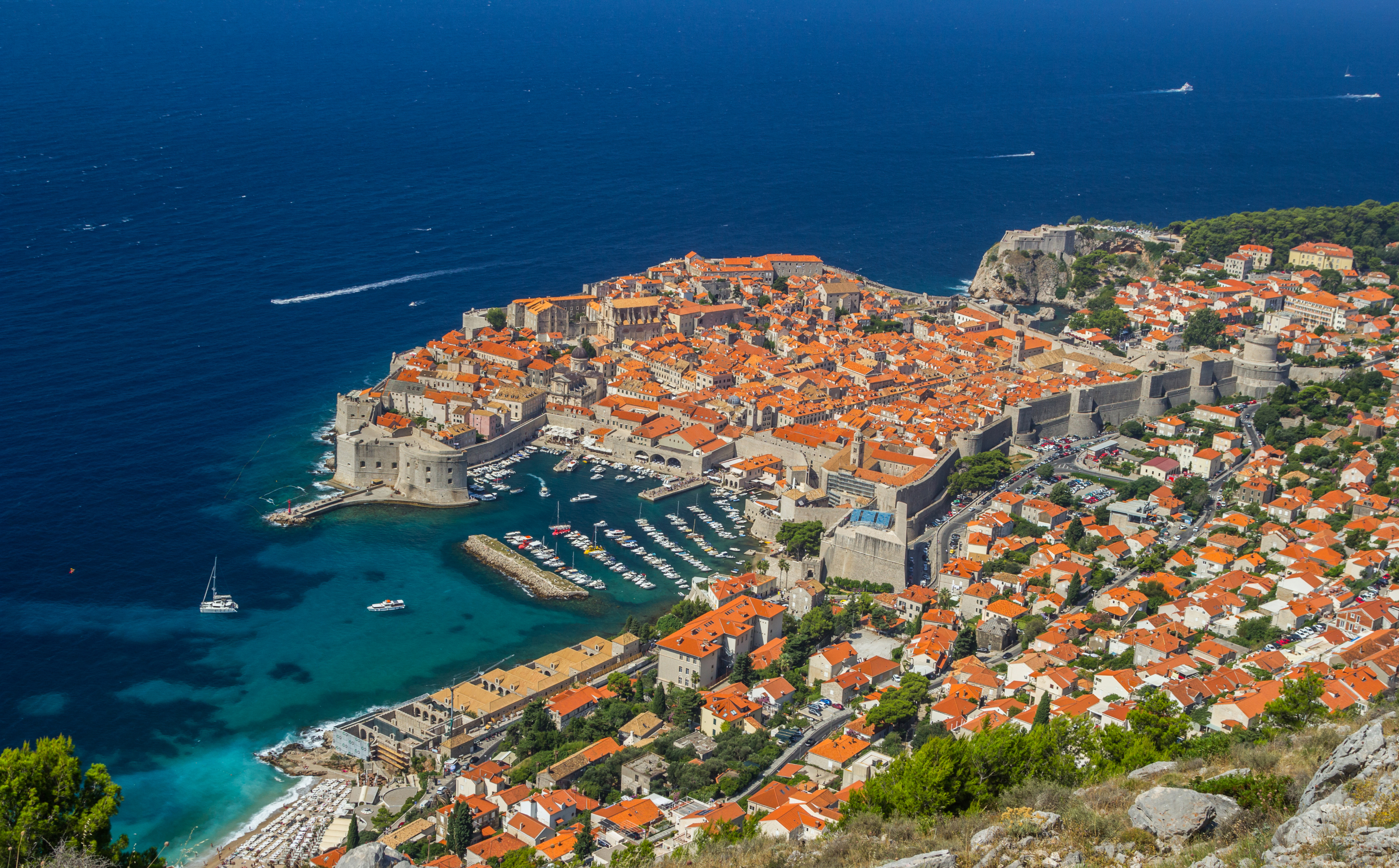
Dubrovnik, Croatia Hero Image
Wikipedia Contributor, CC BY-SA

Dubrovnik, Croatia

🌊 Coastal

Data updated Oct 8, 2026

Follows Croatia Residency Rules. Check Digital Nomad & Retiree Pathways →

📊 Scores

74
FIRE
67
Retiree
75
Digital Nomad

Best fit: Digital Nomad (score: 75)

Dubrovnik sits on Croatia's southern Dalmatian coast, rising 45 meters above sea level in a Mediterranean climate of mild, wet winters and hot, dry summers, with generally good air quality due to limited industrial activity and prevailing sea breezes. The city's 42,000 residents and a large and active expat community cluster in popular neighborhoods like Old Town and Lapad, where English is common in tourist areas and the timezone is Europe/Zagreb.

Living costs in Dubrovnik reflect its status as a sought-after destination. A single adult's monthly cost excluding rent is $880, while a family of four spends $2,950 excluding rent. Renting a one-bedroom in the city center averages $1,467 per month, dropping to $919 outside the center; a three-bedroom in the center runs $2,002, and outside the center it is $1,433. Monthly utilities add $181, internet $43, a mobile phone plan $22, a monthly public transport pass $55, and a gym membership $69. A meal at an inexpensive restaurant costs $20 per person, a three-course meal for two at a mid-range restaurant is $78, and a cappuccino is $4. The average monthly net salary locally is $1,465, and the cost of living index is 55 out of 100 (New York City = 100). Budget-tier total costs for a single adult including rent are $1,018 per month, mid-range $1,651, and comfortable $2,411.

Safety is a standout feature: Dubrovnik has a safety index of 85 out of 100 and a crime index of 15 out of 100 (lower is safer). Healthcare quality is rated good, and the air quality index is 30 (lower is better).

For those looking to stay longer, Croatia offers the Temporary Residence Permit (Privremeni boravak) with a minimum monthly income of $1,000, and the Croatia Digital Nomad Visa requiring a minimum monthly income of $3,762. The nearest airport is DBV, 16 kilometers away. Dubrovnik suits retirees (retiree score 67/100), digital nomads (digital nomad score 75/100), and those pursuing FIRE (FIRE score 74/100), with an overall expat score of 75 out of 100.
Estimate the cost of moving to Dubrovnik, Croatia

Get a free moving cost estimate for moving to Dubrovnik, Croatia. Takes 10 seconds.

How much are you shipping?

When are you moving?

Powered by Sirelo. Free quotes from international movers.

🏚️ Cost of Living

💰 Budgets and Costs

$1,725/mo, one person, rent included
Selected: mid-range lifestyle

Dubrovnik on a mid-range budget comes to about $1,725 a month for one adult, with $919 of that going to rent. Beyond rent the estimate covers $174 on groceries, $196 on dining out, $135 on entertainment and lifestyle, $246 on utilities and connectivity and $55.00 on transport.

Rent

$919/mo

1BR outside the centre

Groceries

$174/mo

Staples basket scaled to a full month

Dining out

$196/mo

10 inexpensive meals

Entertainment & lifestyle

$135/mo

gym, 2 cinema trips, 12 cappuccinos

Utilities & connectivity

$246/mo

utilities, mobile, internet

Transport

$55.00/mo

Monthly pass

Budgets (excl. rent)

Single person$806/mo

Excludes rent. The total above is all-in, rent included.

Estimates for one adult, built from this city's average prices and the usage shown for each tier. Your spending will differ with how often you eat out and where you live.

A 1BR in the center runs about $1466.85/mo. If your income is in another currency, bank FX fees add up. A multi-currency account can cut that cost.

See low-fee transfers

We may earn a commission at no cost to you.

See how Dubrovnik's cost of living compares with Osijek

Be the first to report costs in Dubrovnik

Share

🛡️ Safety & Crime

85
Safety Index

(Higher is safer)

15
Crime Index

(Lower is safer)

Dubrovnik is genuinely safe for expats, with low violent crime and a strong police presence. Petty theft and pickpocketing occur mainly in Old Town tourist areas during peak season—keep valuables secure. Scams are minimal compared to other European destinations. The main consideration is seasonal overcrowding (May-September) which can strain services and increase minor incidents. For a 30-65 year-old considering relocation, this is a secure choice with a relaxed Mediterranean lifestyle, though expect higher costs and limited job opportunities outside tourism and remote work.

🏥 Healthcare

Good
Public Hospitals
Yes
Private Clinics
Yes
English-Speaking Doctors
Available

See how Dubrovnik's healthcare compares with Osijek

🌤️ Climate

Summer Temp
35°C
Winter Temp
-1°C
Humidity
70%
Air Quality Index
30
Annual Rainfall
1973 mm

Best Months

MayJunOct

Climate Notes

Dubrovnik's coastal Mediterranean climate is characterized by mild, wet winters and hot, dry summers, with generally good air quality due to limited industrial activity and prevailing sea breezes.

💻 Digital Nomad

Avg Internet Speed
70.1 Mbps
Internet (monthly)
$43/mo
Coworking Availability
Moderate
Coworking Spaces Nearby
0
Digital Nomad Score
75/100

Community Notes

Ideal for history lovers with a supportive nomad community.

Coworking Spaces

NameNotes
Regus DubrovnikA reliable global brand, Regus offers a professional environment with various workspace options in Dubrovnik; it's a solid choice for those seeking a familiar and structured coworking experience. Located near the city center, it provides easy access to amenities.
Locus WorkspaceLocus Workspace offers a modern and collaborative environment in Dubrovnik, ideal for digital nomads and remote workers. It provides a range of amenities including high-speed internet, meeting rooms, and a communal kitchen, fostering a productive and social atmosphere.
Saltwater WorkspaceSaltwater Workspace is a coworking space designed to foster creativity and collaboration, offering a unique and inspiring work environment. Located in a vibrant area of Dubrovnik, it provides easy access to local cafes and restaurants, making it a convenient choice for digital nomads.

Names, locations and hours can change. Check each space's website before you visit. Places from © OpenStreetMap contributors and Foursquare Open Source Places (Apache 2.0).

Planning to live in Dubrovnik long-term? Croatia Digital Nomad Visa lets remote workers live legally with a minimum income of $3,762/month.

View full requirements →

Working remotely from Dubrovnik? Nomad health insurance covers you across borders, month to month.

See nomad insurance

We may earn a commission at no cost to you.

See how Dubrovnik's digital nomad life compares with Osijek

🧳 Expat Life

English Proficiency
Common in Tourist Areas
Expat Community
Large & Active
Top Neighborhoods
Old Town, Lapad
Banks Nearby
18
ATMs Nearby
75

Expat Life Notes

The pearl of the Adriatic. Massive seasonal expat community, though expensive and crowded.

Pros

  • ✓ Unrivaled beauty
  • ✓ English is ubiquitous
  • ✓ Safety

Cons

  • ✗ Extremely expensive housing
  • ✗ Tourist saturation

🏘️ Neighborhoods in Dubrovnik

Areas of Dubrovnik that expats often consider.

Conditions can change from one block to the next, and these descriptions are general guides, not safety assessments. Before choosing where to stay or live, check current travel advisories, talk to people who live there, and visit in person if you can.

Old Town (Stari Grad)

Historic, bustling, tourist central

The iconic walled city, a UNESCO World Heritage site. Primarily tourists and short-term rentals; very crowded in peak season. High prices and noise levels are drawbacks for long-term living, but the history and beauty are undeniable. Walkable, but limited car access.

Ploče

Scenic views, upscale residential

Located just east of the Old Town, offering stunning Adriatic views. A mix of apartments and villas, popular with wealthier residents and some expats. More residential than the Old Town, but still close to the action. Can be hilly, but walkable to the center.

Lapad

Relaxed, family-friendly, beaches

A peninsula with beaches, hotels, and restaurants. Popular with families and tourists, but also has a significant local population. More affordable than the Old Town, with good bus connections. Offers a more laid-back lifestyle.

Gruž

Port area, local, improving

Dubrovnik's main port, with a local feel and a working-class vibe. More affordable than other areas, but less charming. Improving infrastructure and increasing amenities make it a potential option for budget-conscious expats. Good bus links to the rest of the city.

Page 1 of 2

Could living/working in Dubrovnik cut years off your work life?

With a 1-bedroom in the center at $1467/mo, your FIRE number here might be much lower than you think.

Calculate My FIRE Date →

🛂 Visa Options for Croatia

Many long-stay visas require proof of health insurance. Compare international health plans before you apply.

Compare health insurance

We may earn a commission at no cost to you.

🛂

Earning over $1,477/mo? You may qualify for a Croatia visa.

Answer 11 questions and get a personalized match in under 2 minutes.

Find My Visa →

More Cities to Consider instead of Dubrovnik

FAQ

Frequently Asked Questions about Dubrovnik

Click any question to expand the answer.

Dubrovnik has a population of approximately 41,562 people.
A single person can expect to spend around $3,667 per month in Dubrovnik, including rent. A 1-bedroom apartment in the city center costs approximately $1467/month.
The nearest airport to Dubrovnik is DBV, approximately 15.6km away.
Dubrovnik is considered relatively safe, with a safety index of 85.0. As with any city abroad, expats should research specific neighborhoods before committing to a location.
Dubrovnik has an average internet speed of 70.1 Mbps. It is considered a well-established digital nomad destination.
Realistically, no. Tourism jobs exist but pay €800–1,200/month. Most expats here work remotely or run online businesses. Local wages don't support Western living standards. Unless you're fluent in Croatian and willing to work hospitality, plan on bringing income from abroad.
Not anymore. Rent ($820/mo for 1BR city center) and dining are expensive due to tourism. Groceries cost 20–30% more than mainland Croatia. It's cheaper than London or Paris, but pricier than most Balkans cities. Budget $1,800–2,200/month for comfortable solo living.
Severe. June–September brings cruise ships, crowds, and noise. The Old City becomes impassable midday. Many expats leave or hide indoors. Winter (November–March) is quiet, mild, and genuinely pleasant. If you hate crowds, plan to be elsewhere July–August or accept seasonal disruption.
For stays longer than 90 days, Americans typically need a temporary residence permit. This can be obtained based on various grounds, such as employment, self-employment (owning a business), or retirement with sufficient funds. The process involves applying at a Croatian embassy or consulate and then registering with the local police upon arrival.
Yes, you can find English-speaking doctors in Dubrovnik, especially at private clinics. The quality of healthcare is generally good, but it's advisable to have comprehensive travel or international health insurance. The main hospital, General Hospital Dubrovnik, also has English-speaking staff.
Internet speeds in Dubrovnik are generally reliable, with fiber optic connections available in many areas. You can expect download speeds of 50-100 Mbps, sufficient for most remote work tasks. Check with your landlord or internet provider for specific speeds at your location.
While Dubrovnik doesn't have a huge number of dedicated coworking spaces, a few options exist, and more are emerging. Check online directories for the most up-to-date listings. Many cafes also offer a comfortable working environment with Wi-Fi.
Dubrovnik is considered a very safe city with low crime rates. Petty theft, like pickpocketing, can occur in crowded tourist areas, so it's wise to be vigilant. Violent crime is rare, and overall, you can feel secure walking around at night.
Dubrovnik is very walkable, especially within the Old Town. Public buses are efficient and affordable for reaching areas outside the center. Taxis and ride-sharing services are also available, but can be more expensive. Renting a car is not recommended within the city walls due to limited parking.
Dubrovnik has a relatively small but growing expat community. You'll find most expats are from other European countries, but there's also a small contingent of Americans. Online forums and social media groups are good places to connect with other expats.
Dubrovnik has a Mediterranean climate with hot, dry summers and mild, wet winters. Expect temperatures to range from 25-35°C (77-95°F) in the summer and 5-15°C (41-59°F) in the winter. Spring and autumn offer pleasant weather for exploring.
Groceries are generally more expensive than in the US, especially for imported items. Eating out can range from affordable to pricey, depending on the restaurant. Expect to pay €15-€30 per person for a meal at a mid-range restaurant.
As a US citizen, you're still required to file US taxes even when living abroad. The Foreign Earned Income Exclusion (FEIE) can help you exclude a certain amount of your foreign-earned income from US taxes. You may also need to report foreign bank accounts if the total value exceeds $10,000 (FBAR).
Dubrovnik can be viable for early retirement on $3000 per month, but it requires careful budgeting, especially regarding accommodation. Living outside the city walls, cooking at home, and avoiding peak tourist season will help stretch your budget. It's definitely doable, but less luxurious than some other retirement destinations.
For those seeking proximity to the action, Ploče and Pile (just outside the city walls) are popular but pricier. Lapad offers a more residential feel with beaches and amenities, while Gruž is a more affordable option with good transport links and the main port.
Croatia has a modern banking system. Opening a bank account is relatively straightforward with the right documentation (passport, proof of address). International money transfers can be done through banks or services like Wise (formerly TransferWise), which often offer better exchange rates and lower fees than traditional banks.

Share This Guide