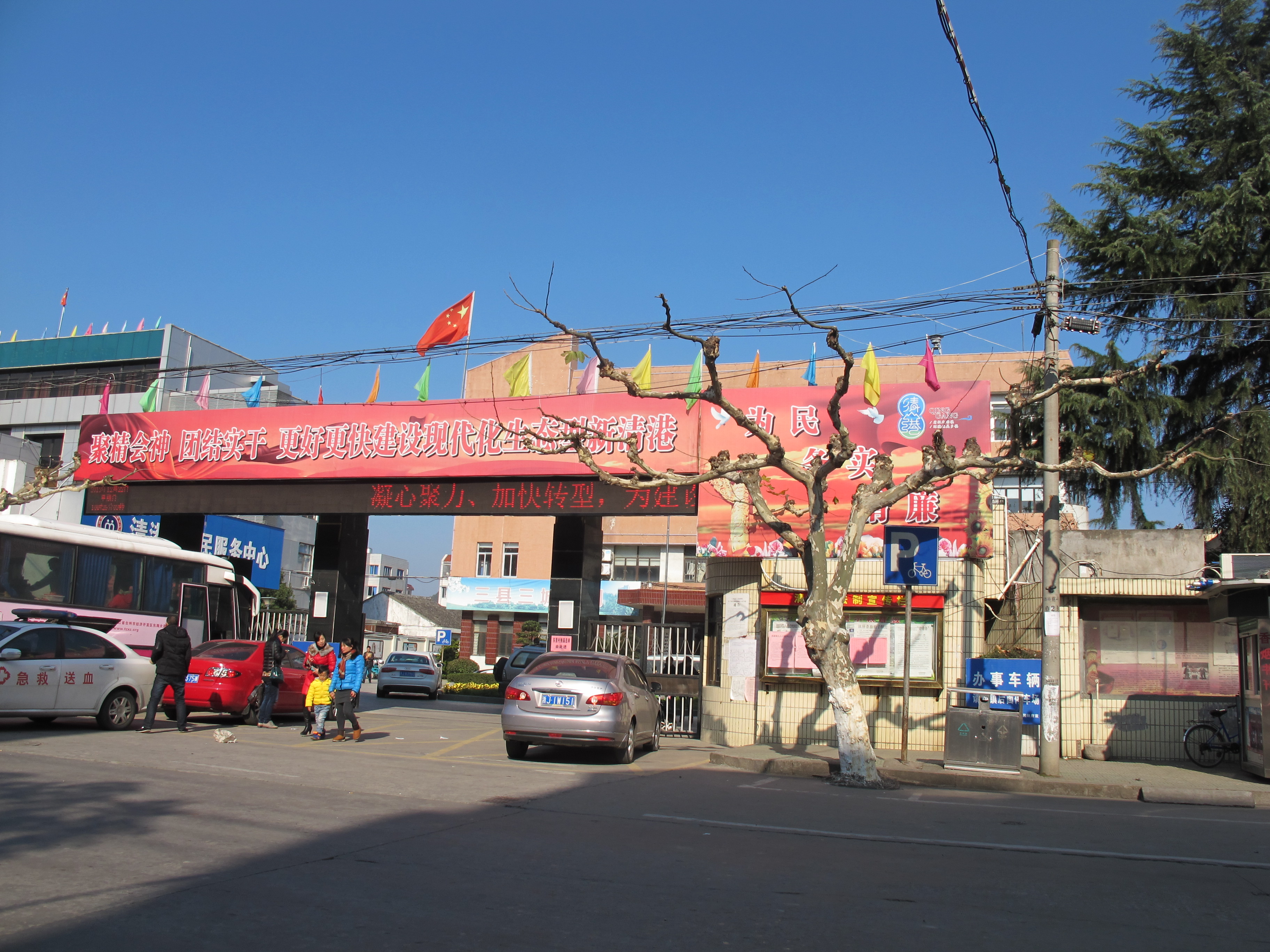
Qinggang sits in a subtropical climate zone at 150 m above sea level, keeping company with the Asia/Shanghai timezone and a population of 64 thousand. Summers run warm and humid while winters stay milder than points farther north, and the pace of the city reflects its modest size. The surrounding terrain and the weather pattern shape daily life more than any single landmark, and newcomers quickly learn to plan around the wet season. The city does not name specific expat neighborhoods, so arrivals tend to sort themselves out by proximity to work, transport, and the services they need most.
Housing is the clearest anchor on the budget. A one-bedroom apartment in the city center rents for $347/mo, while the same unit outside the center drops to $248/mo. A single person can expect monthly costs excluding rent to land around $449/mo, which covers utilities, food, transport, and the ordinary expenses of daily life. Internet runs at an average speed of 30 Mbps, enough for streaming, video calls, and remote work without much friction. The gap between central and outer rents is meaningful, and many residents weigh the tradeoff between a shorter commute and a lower monthly bill.
Safety is one of Qinggang's stronger points. The safety index stands at 70/100, and the crime index, where lower is safer, sits at 30/100. That combination supports a daily routine of walking, cycling, and late errands without much concern. Healthcare quality is rated Fair, which means routine care and common complaints are manageable, while more complex or specialized treatment may require travel to a larger city. Air quality is a weaker spot, with an index of 82, so residents with respiratory sensitivities should pay attention to seasonal conditions and indoor filtration.
Visas follow the standard national framework, and the nearest airport is HYN, 37 km away, making arrivals and departures relatively straightforward. English proficiency is limited, so a few phrases of Mandarin go a long way in shops, offices, and clinics. The overall expat score of 60/100, a retiree score of 62/100, and a digital nomad score of 54/100 suggest a city that works best for people who value low costs and a calm routine over a large international scene. Retirees and budget-conscious remote workers fit most naturally, while those who need extensive English-language services or specialized medical care may find the city limiting.