Baiquan, China Hero Image
Wikipedia Contributor, CC BY-SA

Baiquan, China

Follows China Residency Rules. Check Digital Nomad & Retiree Pathways →

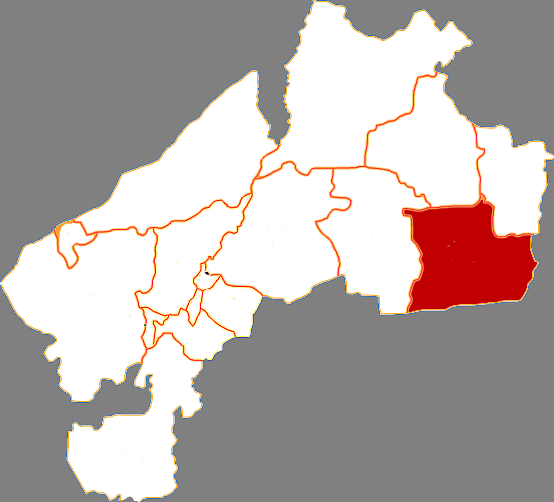
Baiquan sits in Heilongjiang Province in northeastern China, a county of 282 thousand people on the Songnen Plain at 300 m above sea level, keeping time on Asia/Shanghai. Its continental climate delivers sharp seasonal swings, with cold, dry winters and warm, humid summers that shape daily rhythms and travel plans. Foreign residents who settle here overwhelmingly choose Baiquan Center, the one neighborhood that concentrates services, shops, and housing within easy reach of the rest of town. The expat community size is none, so newcomers arrive into a purely local setting rather than an established international scene.

Housing is the clearest bargain. A 1-bedroom apartment in the city center rents for $217/mo, while the same outside the center drops to $157/mo. Beyond rent, a single person spends about $363/mo excluding rent, a figure that covers groceries, transport, utilities, and everyday essentials. A mid-range restaurant meal for two with three courses costs $13, so dining out stays affordable. Internet runs at an average of 80 Mbps, enough for streaming, video calls, and remote work without strain.

Safety is a genuine strength. The safety index stands at 75/100, and the crime index, where lower is safer, is 25/100, so walking home after dark or leaving a bicycle locked outside raises few concerns. Healthcare quality is rated Good, with local hospitals and clinics handling routine care, chronic conditions, and most everyday needs. Air quality sits at 72 on the index, where lower is better, a middling reading that reflects the continental climate and seasonal heating patterns rather than any single source.

Entry requires a visa arranged in advance, and there is no direct international gateway nearby, so most arrivals connect through a larger Chinese city before continuing overland or by domestic flight. Once here, the practical profile is clear: an overall expat score of 61/100, a retiree score of 63/100, and a digital nomad score of 53/100. English proficiency is limited, which means daily life rewards patience and a willingness to learn basic Mandarin. Baiquan suits retirees, budget-conscious long-stayers, and remote workers who value low costs, quiet streets, and a safe, unhurried pace over nightlife or a ready-made international circle.
Estimate the cost of moving to Baiquan, China

Get a free moving cost estimate for moving to Baiquan, China. Takes 10 seconds.

How much are you shipping?

When are you moving?

Powered by Sirelo. Free quotes from international movers.

Be the first to report costs in Baiquan

Share

🛡️ Safety & Crime

75
Safety Index

(Higher is safer)

25
Crime Index

(Lower is safer)

Baiquan is a relatively safe city for expats, with low violent crime and a strong police presence typical of Chinese municipalities. Petty theft and scams targeting foreigners are the primary concerns—watch for overcharging in tourist areas, counterfeit goods, and online fraud. Avoid displaying expensive electronics or jewelry openly. The main risks are bureaucratic hassles rather than physical danger. For an American considering relocation, Baiquan offers solid safety comparable to mid-sized U.S. cities, though you'll need patience navigating language barriers and local regulations.

🏥 Healthcare

Good
Public Hospitals
Yes
Private Clinics
No
English-Speaking Doctors
Limited

See how Baiquan's healthcare compares with Wujing

🌤️ Climate

Climate Zones
Continental
Summer Temp
23°C
Winter Temp
-8°C
Humidity
58%
Air Quality Index
72
Annual Rainfall
719 mm

Best Months

MayJunSepOct

Climate Notes

Baiquan experiences a continental climate with cold, dry winters (December–February) and mild summers (June–August), requiring heavy winter clothing and offering pleasant conditions during summer months.

💻 Digital Nomad

Avg Internet Speed
80 Mbps
Coworking Availability
Limited
Coworking Spaces Nearby
0
Digital Nomad Score
53/100

Community Notes

Emerging destination with potential for digital nomads seeking tranquility.

Coworking Spaces

NameNotes
WeWorkWhile specific Baiquan locations are unavailable, WeWork's global presence and standardized amenities make it a reliable option if they expand nearby. Expect modern facilities, networking opportunities, and a professional atmosphere, likely in a central business district if available.
RegusSimilar to WeWork, Regus offers a consistent coworking experience worldwide. If present in Baiquan or a nearby larger city, it provides serviced offices, meeting rooms, and virtual office services, suitable for remote workers needing a professional business address.

Names, locations and hours can change. Check each space's website before you visit. Places from © OpenStreetMap contributors and Foursquare Open Source Places (Apache 2.0).

Working remotely from Baiquan? Nomad health insurance covers you across borders, month to month.

See nomad insurance

We may earn a commission at no cost to you.

See how Baiquan's digital nomad life compares with Wujing

🧳 Expat Life

English Proficiency
Limited
Expat Community
None
Top Neighborhoods
Baiquan Center
Banks Nearby
0
ATMs Nearby
0

Expat Life Notes

Rural agricultural hub in Heilongjiang with no international social life.

Pros

  • ✓ Low cost

Cons

  • ✗ Severe cold
  • ✗ No English

🏘️ Neighborhoods in Baiquan

Areas of Baiquan that expats often consider.

Conditions can change from one block to the next, and these descriptions are general guides, not safety assessments. Before choosing where to stay or live, check current travel advisories, talk to people who live there, and visit in person if you can.

Baiquan Town Center

Bustling, commercial, convenient living

The heart of Baiquan, offering easy access to shops, restaurants, and transportation. Primarily residential, with a mix of older and newer apartment buildings. Limited English is spoken, so Mandarin skills are essential.

Development Zone

Modern, planned, industrial outskirts

Located on the edge of Baiquan, this area features newer construction and industrial parks. It's less crowded than the town center, but also less walkable. Public transportation is available, but a car might be preferable.

Near Baiquan No. 1 High School

Student-focused, lively, affordable

This area caters to students and teachers, with affordable housing and a variety of small restaurants and shops. It can be noisy and crowded, especially during school hours. English proficiency is low, but the younger population might be more open to learning.

Residential Area near the Park

Quiet, green, family-oriented

A more peaceful residential area, often preferred by families and retirees. Proximity to the park offers opportunities for recreation and relaxation. Limited commercial activity and English speakers.

Page 1 of 2

Could living/working in Baiquan cut years off your work life?

Calculate My FIRE Date →

🛂 Visa Options for China

Many long-stay visas require proof of health insurance. Compare international health plans before you apply.

Compare health insurance

We may earn a commission at no cost to you.

🛂

Not sure which China visa you qualify for?

Answer 11 questions and get a personalized match in under 2 minutes.

Find My Visa →

More Cities to Consider instead of Baiquan

FAQ

Frequently Asked Questions about Baiquan

Click any question to expand the answer.

Baiquan has a population of approximately 282,019 people.
Baiquan is considered relatively safe, with a safety index of 75.0. As with any city abroad, expats should research specific neighborhoods before committing to a location.
Baiquan has an average internet speed of 80 Mbps. It is not yet considered a well-established digital nomad destination.
Living costs are dramatically lower than tier-1 cities. Rent runs ¥800-1,500 monthly, meals cost ¥15-30, but heating bills can reach ¥500+ monthly in winter. Overall monthly expenses for a modest lifestyle run ¥2,500-4,000.
Nearly impossible. English speakers are virtually nonexistent, and all daily interactions—shopping, banking, healthcare, bureaucracy—require Mandarin. Even basic services like ordering food or asking directions need Chinese language skills.
Internet speeds are adequate for basic needs (50-100 Mbps available) but can be unreliable during peak hours. International sites face the usual Chinese firewall restrictions. Mobile coverage is good in town but spotty in rural areas.
You can find a decent one-bedroom apartment in Baiquan for around $200-$350 USD per month, depending on the location and amenities. Expect to pay more for newer buildings or those closer to the city center.
English-speaking medical professionals are rare in Baiquan. While larger hospitals may have some staff with limited English, it's best to have a translation app or a local friend to assist with communication. Consider traveling to a larger city like Harbin for more comprehensive English-language healthcare.
Baiquan is generally considered a safe city with low crime rates. Petty theft can occur, so be mindful of your belongings in crowded areas. There aren't specific areas to actively avoid, but it's always wise to exercise caution at night.
Long-term visa options for Americans in Baiquan are limited and often require employer sponsorship (Z visa for work). Other options include student visas (X visa) or exploring business visas if you plan to start a company. Tourist visas are not suitable for long-term stays.
Eating out in Baiquan is very affordable. A simple meal at a local restaurant can cost as little as $2-$5 USD. More upscale restaurants will be pricier, but still significantly cheaper than in the US.
Public transportation in Baiquan primarily consists of buses, which are inexpensive and cover most of the city. Taxis are also readily available and affordable. Consider using a ride-hailing app like Didi (滴滴出行) with translation features.
Coworking spaces are not common in Baiquan. Your best bet for remote work is likely your apartment or a local cafe. Many cafes offer Wi-Fi, but speeds can vary, so it's wise to test it before settling in for a long work session.
Major international money transfer services like Wise (formerly TransferWise) and Remitly can be used to send money to China. However, receiving money can be more challenging due to Chinese currency controls. Opening a local bank account is recommended for easier transactions, but requires a valid visa.
Baiquan has a continental monsoon climate with cold, dry winters and warm, humid summers. Expect temperatures to drop well below freezing in winter, with occasional snowfall. Summers are pleasant, but can be hot and humid. Spring and autumn are short and mild.
The expat community in Baiquan is very small, likely numbering in the dozens rather than hundreds. Don't expect a large support network of fellow Americans. You'll need to be proactive in building relationships with locals.
Yes, $1500 USD per month is more than sufficient for a comfortable retirement in Baiquan. You can easily cover rent, food, utilities, and local transportation with that budget, leaving room for leisure activities.
As a US citizen, you're still required to file US taxes even when living abroad. You may be able to exclude a significant portion of your income using the Foreign Earned Income Exclusion (FEIE). Also, be aware of FBAR reporting requirements for foreign bank accounts exceeding $10,000 USD.
Respect for elders is paramount in Chinese culture. Public displays of affection are less common than in the West. Bargaining is acceptable in some markets, but not in department stores. Learning basic Mandarin phrases will be greatly appreciated.
Yes, ATMs that accept foreign cards (Visa, Mastercard) can be found in Baiquan, particularly at branches of larger banks like Bank of China or ICBC. However, be prepared for potential transaction fees from both your bank and the local ATM.

Share This Guide