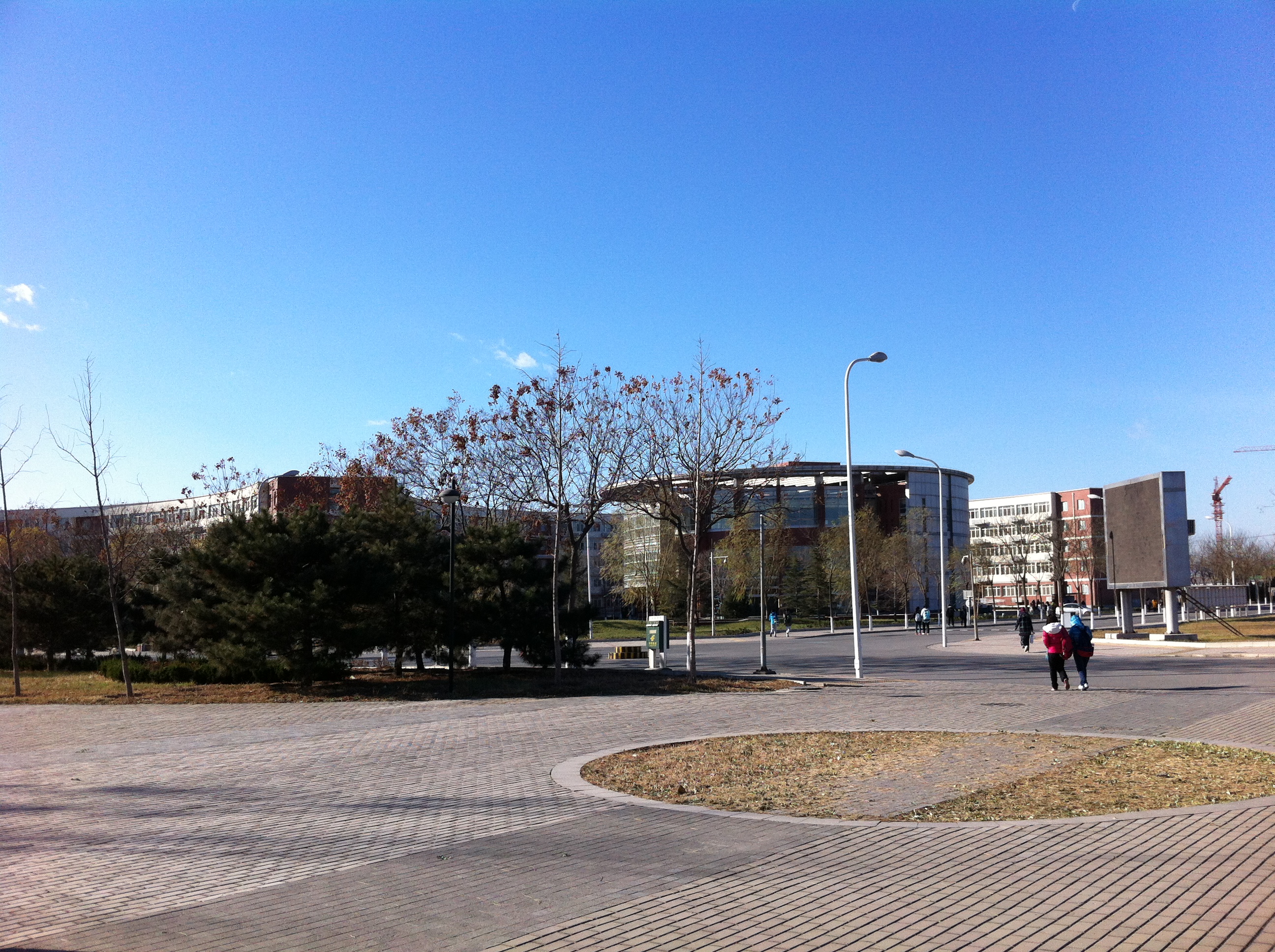
Liangxiang, China Hero Image
Wikipedia Contributor, CC BY-SA

Liangxiang, China

Follows China Residency Rules. Check Digital Nomad & Retiree Pathways →

📊 Scores

81
FIRE
54
Retiree
67
Digital Nomad

Best fit: FIRE / Geoarbitrage (score: 79)

Liangxiang sits at 45 m above sea level in the Asia/Shanghai timezone, a district within a city of 19 million people. Its continental climate delivers hot summers and cold winters, and those extremes can worsen air quality in an industrial context, with an air quality index of 100. Expats who settle here tend to cluster in Liangxiang University Town, the one neighborhood repeatedly named as a popular choice. That concentration gives newcomers a ready-made pocket of familiarity, even though the broader expat community size is small.

Renting a one-bedroom apartment in the city centre runs $600/mo, while the same unit outside the centre drops to $450/mo. Three-bedroom units follow the same pattern: $1,200/mo in the centre and $900/mo outside it. For a single adult, monthly costs excluding rent average $550/mo. A budget tier total, rent included, comes to $1,100/mo, and a comfortable tier total reaches $3,000/mo. Internet speeds average 85 Mbps, which supports remote work without much friction.

Safety is a strong point, with a safety index of 80/100 and a crime index of 20/100, where lower is safer. Healthcare quality is rated Fair, so residents often manage expectations around complex or specialized care. The overall expat score is 79/100, and the digital nomad score is 67/100, reflecting a place that works well for focused, self-directed living. Retirees may find less tailored support, as the retiree score is 54/100.

Visa routes exist for foreign residents, though English proficiency is limited, so patience and preparation help. The nearest airport is NAY, 16 km away, making arrivals and departures relatively quick. Liangxiang suits digital nomads and budget-conscious singles drawn by low rents and a FIRE score of 81/100, while those seeking a large expat network or extensive English-language services may prefer a different base.
Estimate the cost of moving to Liangxiang, China

Get a free moving cost estimate for moving to Liangxiang, China. Takes 10 seconds.

How much are you shipping?

When are you moving?

Powered by Sirelo. Free quotes from international movers.

🏚️ Cost of Living

A 1BR in the center runs about $600/mo. If your income is in another currency, bank FX fees add up. A multi-currency account can cut that cost.

See low-fee transfers

We may earn a commission at no cost to you.

See how Liangxiang's cost of living compares with Shancheng

Be the first to report costs in Liangxiang

Share

🛡️ Safety & Crime

80
Safety Index

(Higher is safer)

20
Crime Index

(Lower is safer)

Liangxiang is a very safe city by global standards, with low violent crime and strong police presence typical of Chinese urban areas. Petty theft and scams targeting foreigners are minimal concerns here. The main risks for expats involve navigating language barriers in emergencies, understanding local regulations, and occasional traffic safety issues. As a smaller satellite city near Beijing, it lacks the tourist-oriented scams found in major hubs. For Americans accustomed to US crime rates, this represents a genuinely safer environment with reliable public order, making it a solid choice for remote workers or retirees seeking stability and low street-level crime.

🏥 Healthcare

Fair
Public Hospitals
Yes
Private Clinics
Yes
English-Speaking Doctors
Limited

See how Liangxiang's healthcare compares with Shancheng

🌤️ Climate

Summer Temp
42°C
Winter Temp
-15°C
Humidity
52%
Air Quality Index
100
Annual Rainfall
641 mm

Best Months

MayJunJulAug

Climate Notes

Liangxiang experiences a continental climate with hot summers and cold winters, potentially exacerbating air quality issues in an industrial context.

💻 Digital Nomad

Avg Internet Speed
85 Mbps
Coworking Availability
Limited
Coworking Spaces Nearby
3
Digital Nomad Score
67/100

Community Notes

Excellent connectivity and proximity to Beijing's amenities.

Coworking Spaces

NameNotes
WeWork China Resources BuildingLocated in nearby Beijing (easy access from Liangxiang), this WeWork offers a reliable, international-standard coworking experience. Expect a modern design, English-speaking staff, and a strong community, making it suitable for expats.
Ucommune (Beijing Daxing Biomedical Industrial Park)While technically in Daxing, it's a commutable option offering a more local Chinese coworking experience. Ucommune provides standard amenities and a focus on supporting startups and small businesses, offering a glimpse into the local business culture.
Regus Beijing Financial StreetAnother option in Beijing, easily accessible from Liangxiang, Regus provides a professional and reliable workspace. It's a good choice for those who prefer a more corporate environment and need administrative support.

Names, locations and hours can change. Check each space's website before you visit. Places from © OpenStreetMap contributors and Foursquare Open Source Places (Apache 2.0).

Working remotely from Liangxiang? Nomad health insurance covers you across borders, month to month.

See nomad insurance

We may earn a commission at no cost to you.

See how Liangxiang's digital nomad life compares with Shancheng

🧳 Expat Life

English Proficiency
Limited
Expat Community
Small
Top Neighborhoods
Liangxiang University Town
Banks Nearby
381
ATMs Nearby
57

Expat Life Notes

Liangxiang is a major educational hub in southern Beijing. The expat community consists mostly of international students and university staff.

Pros

  • ✓ Large student population
  • ✓ Subway access to central Beijing
  • ✓ Affordable local food

Cons

  • ✗ Suburban isolation
  • ✗ Limited entertainment
  • ✗ High-density student housing

🏘️ Neighborhoods in Liangxiang

Areas of Liangxiang that expats often consider.

Conditions can change from one block to the next, and these descriptions are general guides, not safety assessments. Before choosing where to stay or live, check current travel advisories, talk to people who live there, and visit in person if you can.

Liangxiang Town Center

Bustling commercial and residential hub

The heart of Liangxiang, offering convenient access to shops, restaurants, and public transportation. Primarily residential, with a mix of modern apartments and older buildings. Limited English is spoken, so some Mandarin is helpful.

Changyang Technology Park Area

Modern, developing, tech-focused

A newer area with modern apartments and amenities catering to young professionals and tech workers. Some English signage and services are available due to the presence of international companies. Good for those seeking a more contemporary lifestyle, but can feel a bit sterile.

Gaozhuang Village (高庄村)

Traditional, local, budget-friendly

A more traditional village area offering lower rents and a glimpse into local life. Limited English is spoken, and amenities are more basic. Suitable for adventurous expats on a tight budget who are willing to immerse themselves in Chinese culture.

Lize Business District (nearby)

Upscale, modern, business-oriented

While technically not in Liangxiang itself, Lize is a rapidly developing business district a short commute away, offering high-end apartments and international amenities. Many expats working in Beijing choose to live here. Expect higher prices and a more cosmopolitan atmosphere.

Page 1 of 2

Could living/working in Liangxiang cut years off your work life?

With a 1-bedroom in the center at $600/mo, your FIRE number here might be much lower than you think.

Calculate My FIRE Date →

🛂 Visa Options for China

Many long-stay visas require proof of health insurance. Compare international health plans before you apply.

Compare health insurance

We may earn a commission at no cost to you.

🛂

Not sure which China visa you qualify for?

Answer 11 questions and get a personalized match in under 2 minutes.

Find My Visa →

More Cities to Consider instead of Liangxiang

FAQ

Frequently Asked Questions about Liangxiang

Click any question to expand the answer.

Liangxiang has a population of approximately 18,960,744 people.
A single person can expect to spend around $1,500 per month in Liangxiang, including rent. A 1-bedroom apartment in the city center costs approximately $600/month.
The nearest airport to Liangxiang is NAY, approximately 16.3km away.
Liangxiang is considered relatively safe, with a safety index of 80.0. As with any city abroad, expats should research specific neighborhoods before committing to a location.
Liangxiang has an average internet speed of 85 Mbps. It is considered a well-established digital nomad destination.
For long-term stays, you'll likely need a Z visa (work visa) sponsored by a Chinese company or an X1 visa (student visa) if you're studying. Tourist visas are only good for short visits. Consider consulting with a visa agency specializing in China for the most up-to-date requirements and assistance.
While English proficiency isn't widespread, some larger public hospitals like the Fangshan Hospital may have doctors with some English skills. It's always a good idea to have a translation app or a local friend to assist with communication. Consider getting international health insurance for broader coverage.
Liangxiang is generally considered a safe city with a low crime rate. Petty theft can occur, so be mindful of your belongings in crowded areas. Violent crime is rare. As with any city, it's wise to be aware of your surroundings and avoid walking alone late at night in poorly lit areas.
Internet speeds in Liangxiang are generally good, with reliable broadband available. You can expect download speeds of 50-100 Mbps, sufficient for most remote work tasks. However, access to certain websites and services may be restricted due to the Great Firewall, so a VPN is essential.
You can use international money transfer services like Wise (formerly TransferWise) or Remitly to send money to a Chinese bank account. ATMs are widely available, but they may charge fees for foreign card withdrawals. Opening a local bank account can simplify transactions and reduce fees.
Liangxiang has a smaller expat community compared to larger cities like Beijing or Shanghai. Most expats are teachers or work in local businesses. Online groups and language exchange events can help you connect with other foreigners and locals.
Liangxiang has a continental monsoon climate with hot, humid summers and cold, dry winters. Expect temperatures ranging from -5°C (23°F) in January to 30°C (86°F) in July. Air quality can be a concern, especially during the winter months.
While some younger people may speak a little English, relying solely on English will be challenging. Learning basic Mandarin phrases is highly recommended. The metro system has English signage, and ride-hailing apps like Didi offer translation features.
As a US citizen, you're still required to file US taxes even when living abroad. You may be able to exclude a certain amount of your foreign-earned income using the Foreign Earned Income Exclusion (FEIE). You may also need to report foreign bank accounts if they exceed a certain threshold (FBAR). Consult with a tax professional specializing in expats.
Groceries are generally cheaper in Liangxiang than in the US, especially if you shop at local markets. Dining out can be very affordable, with many local restaurants offering meals for under ¥30 (USD $4). Western-style restaurants will be more expensive.
Yes, Liangxiang could be viable for early retirement on $2000 USD per month, but it requires careful budgeting. Rent, food, and local transportation are relatively inexpensive. Healthcare costs can be unpredictable, so factor in health insurance. Entertainment and imported goods will increase your expenses.
Coworking spaces are not as common in Liangxiang as in larger, more international cities. You might find some shared office spaces or business centers, but dedicated coworking facilities are limited. Many digital nomads opt to work from cafes or their apartments.
Expect a slower pace of life compared to major Chinese cities. While the language barrier presents challenges, the locals are generally friendly and helpful. Embrace the local culture, learn some basic Mandarin, and be prepared for a different way of life. The lower cost of living can significantly improve your quality of life.
Be sure to try local specialties like Beijing roast duck (though perhaps not the best version), jianbing (savory crepe), and various noodle dishes. Explore the local street food stalls for authentic and affordable eats. Don't be afraid to try new things!

Share This Guide