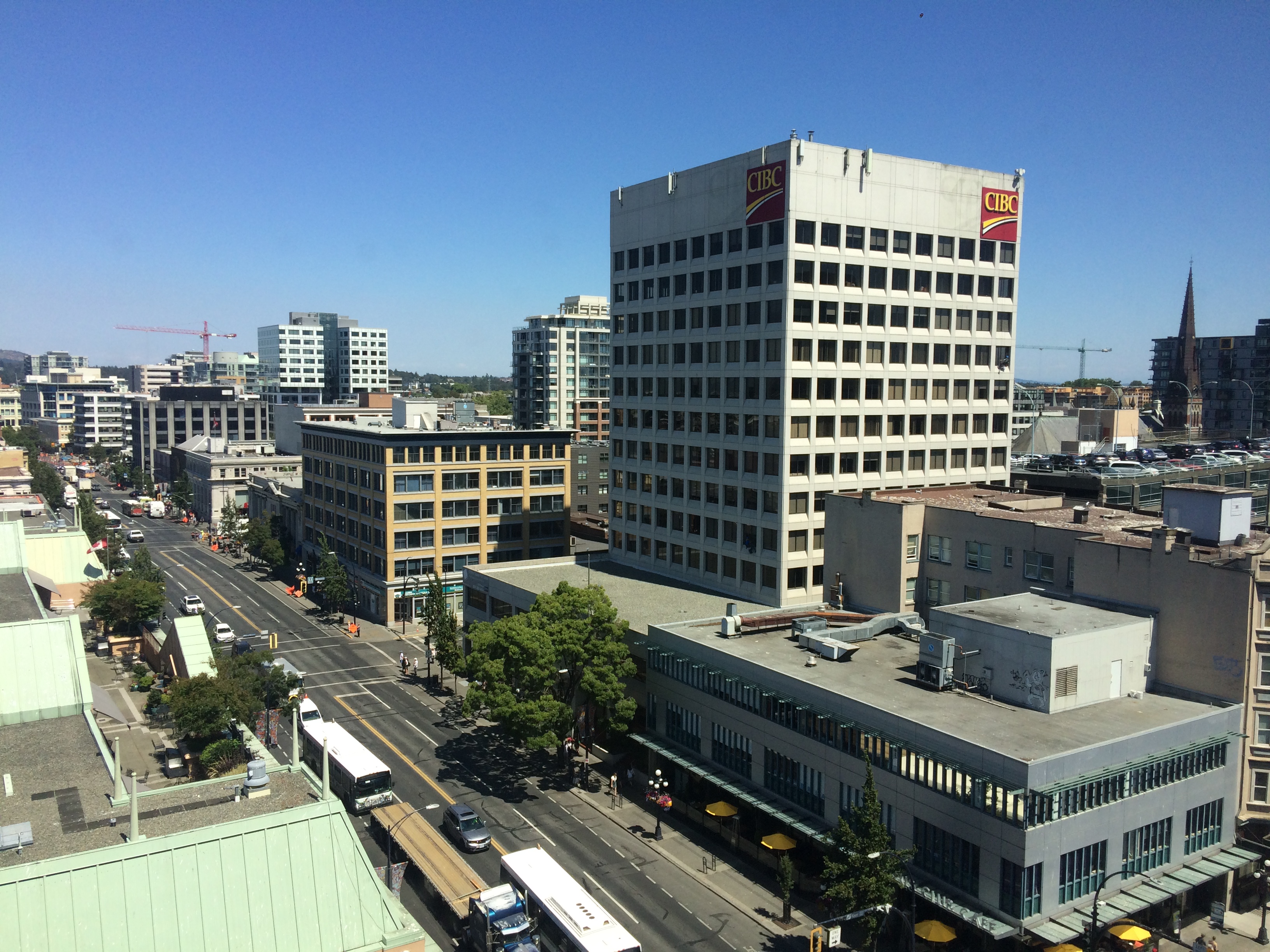
Victoria, Canada Hero Image
Wikipedia Contributor, CC BY-SA

Victoria, Canada

🌊 Coastal

Data updated Oct 8, 2026

Follows Canada Residency Rules. Check Digital Nomad & Retiree Pathways β†’

πŸ“Š Scores

75
FIRE
79
Retiree
87
Digital Nomad

Best fit: Digital Nomad (score: 87)

Victoria sits at 23 m above sea level on the southern tip of Vancouver Island, in the America/Vancouver timezone, where a Mediterranean climate delivers mild, wet winters and warm, dry summers. The city holds a population of 80 thousand, small enough that daily life feels compact yet large enough to sustain a busy expat scene. Newcomers tend to settle in James Bay, Fairfield, and Fernwood, three neighborhoods that mix heritage houses, walkable commercial strips, and easy access to the water. James Bay puts you closest to the inner harbour, Fairfield leans residential and family friendly, and Fernwood carries a quieter, artsy character. English is widely spoken, which smooths the transition for most arrivals, and the expat community is large and active, so finding your footing rarely takes long.

Renting a one bedroom in the city centre runs $1,529/mo, while outside the centre it drops to $1,300/mo. A three bedroom in the centre costs $2,702/mo, and the same size outside the centre comes in at $2,277/mo. Beyond rent, a single person spends about $1,065/mo, and a family of four about $3,956/mo. Utilities add $104/mo, internet $61/mo, and a mobile phone plan $44/mo. A monthly public transport pass is $60/mo and a gym membership $42/mo. Eating out stays modest: an inexpensive restaurant meal is $19 per person, a mid-range three course meal for two is $70, and a cappuccino is $4. The average monthly net salary locally is $3,226/mo, and the cost of living index sits at 66/100 against New York City at 100. Budget tiers for a single adult, rent included, land at $1,324/mo, $2,076/mo, and $2,515/mo across budget, mid-range, and comfortable lifestyles.

Safety is a strong point, with a safety index of 85/100 and a crime index of 15/100, where a lower figure means safer streets. Air quality is good at an index of 35, also lower being better, and average internet speed reaches 120 Mbps, enough for remote work and streaming without strain. Healthcare quality is rated excellent, a meaningful draw for anyone planning a long stay or an eventual retirement. The combination of low crime, clean air, and dependable medical care gives Victoria a settled, low-stress rhythm that appeals to people who want urban amenities without the friction of a larger metropolis.

For longer stays, the Canada Super Visa covers parents and grandparents, while the Canada Digital Nomad Visa suits remote workers. Arrivals typically fly into YWH, just 7 km from the city, making the final transfer short. Victoria scores 87/100 overall for expats, 87/100 for digital nomads, 79/100 for retirees, and 75/100 for those chasing FIRE. It fits remote professionals, retirees, and anyone who values safety, mild weather, and a compact coastal city where the numbers for rent, food, and transport remain workable against a local net salary of $3,226/mo.
Estimate the cost of moving to Victoria, Canada

Get a free moving cost estimate for moving to Victoria, Canada. Takes 10 seconds.

How much are you shipping?

When are you moving?

Powered by Sirelo. Free quotes from international movers.

🏚️ Cost of Living

πŸ’° Budgets and Costs

$2,161/mo, one person, rent included
Selected: mid-range lifestyle

Victoria on a mid-range budget comes to about $2,161 a month for one adult, with $1,300 of that going to rent. Beyond rent the estimate covers $284 on groceries, $193 on dining out, $115 on entertainment and lifestyle, $209 on utilities and connectivity and $60.00 on transport.

Rent

$1,300/mo

1BR outside the centre

Groceries

$284/mo

Staples basket scaled to a full month

Dining out

$193/mo

10 inexpensive meals

Entertainment & lifestyle

$115/mo

gym, 2 cinema trips, 12 cappuccinos

Utilities & connectivity

$209/mo

utilities, mobile, internet

Transport

$60.00/mo

Monthly pass

Budgets (excl. rent)

Single person$861/mo

Excludes rent. The total above is all-in, rent included.

Estimates for one adult, built from this city's average prices and the usage shown for each tier. Your spending will differ with how often you eat out and where you live.

A 1BR in the center runs about $1528.56/mo. If your income is in another currency, bank FX fees add up. A multi-currency account can cut that cost.

See low-fee transfers

We may earn a commission at no cost to you.

See how Victoria's cost of living compares with Holland Landing

Be the first to report costs in Victoria

Share

πŸ›‘οΈ Safety & Crime

85
Safety Index

(Higher is safer)

15
Crime Index

(Lower is safer)

Victoria is genuinely one of Canada's safest cities, with a welcoming expat community and low violent crime rates. Property crime exists but is manageable with standard precautions. Downtown and the Inner Harbour are well-policed and busy; avoid isolated areas late at night. Petty theft and bike theft occur occasionally. The main concern for expats is cost of living rather than safety. Overall, this is an excellent choice for Americans seeking a secure, stable environment with excellent healthcare and quality of life.

πŸ₯ Healthcare

Excellent
Public Hospitals
Yes
Private Clinics
Yes
English-Speaking Doctors
Widely Available

See how Victoria's healthcare compares with Holland Landing

🌀️ Climate

Climate Zones
Mediterranean
Summer Temp
30Β°C
Winter Temp
-4Β°C
Humidity
76%
Air Quality Index
35
Annual Rainfall
812 mm

Best Months

MayJunJulAugSep

Climate Notes

Victoria's climate is characterized by mild, wet winters and warm, dry summers, with minimal extreme weather conditions due to its coastal position.

πŸ’» Digital Nomad

Avg Internet Speed
120 Mbps
Internet (monthly)
$61/mo
Coworking Availability
Abundant
Coworking Spaces Nearby
0
Digital Nomad Score
87/100

Community Notes

Victoria offers vibrant coworking spaces with scenic coastal views.

Coworking Spaces

NameNotes
The Fort CoworkingLocated in downtown Victoria, The Fort offers a vibrant community and modern workspace. It's known for its collaborative atmosphere, making it ideal for expats looking to connect with other professionals.
Regus - Victoria, View StreetA reliable option in the heart of downtown Victoria, Regus provides a professional environment with flexible terms. Its central location offers easy access to amenities and transportation, appealing to remote workers seeking convenience.
WorkSpace VictoriaLocated in the historic Market Square, WorkSpace Victoria offers a unique and inspiring environment. The space is known for its focus on sustainability and community, making it a good choice for environmentally conscious expats.
Vancouver Island Technology Park (VITP)While primarily focused on tech companies, VITP offers coworking options and a supportive ecosystem for innovators. Located a bit outside the downtown core, it's a great option for those seeking a more structured and professional environment with access to specialized resources.

Names, locations and hours can change. Check each space's website before you visit. Places from Β© OpenStreetMap contributors and Foursquare Open Source Places (Apache 2.0).

Planning to live in Victoria long-term? Canada Digital Nomad Visa lets remote workers live legally.

View full requirements β†’

Working remotely from Victoria? Nomad health insurance covers you across borders, month to month.

See nomad insurance

We may earn a commission at no cost to you.

See how Victoria's digital nomad life compares with Holland Landing

🧳 Expat Life

English Proficiency
Widely Spoken
Expat Community
Large & Active
Top Neighborhoods
James Bay, Fairfield, Fernwood
Banks Nearby
9
ATMs Nearby
1

Expat Life Notes

British Columbia's capital is a highly desirable expat destination with a mild climate and high quality of life.

Pros

  • βœ“ Beautiful gardens and coast
  • βœ“ Moderate weather for Canada
  • βœ“ Safe and walkable

Cons

  • βœ— Very high housing costs
  • βœ— Slower pace of life
  • βœ— Limited job market outside government

🏘️ Neighborhoods in Victoria

Areas of Victoria that expats often consider.

Conditions can change from one block to the next, and these descriptions are general guides, not safety assessments. Before choosing where to stay or live, check current travel advisories, talk to people who live there, and visit in person if you can.

Downtown

Vibrant urban core, touristy

The heart of Victoria, offering easy access to shops, restaurants, and attractions. Many condos and apartments cater to a mix of young professionals, tourists, and some expats. Walkable and well-served by public transit, but can be noisy and expensive.

James Bay

Historic, walkable, community-focused

Located just south of downtown, James Bay offers a mix of heritage homes, apartments, and condos. Popular with retirees and families, it's known for its community feel and proximity to Beacon Hill Park. Very walkable, but parking can be challenging.

Fairfield

Residential, leafy, family-friendly

A primarily residential area with a mix of single-family homes and apartments. Popular with families and retirees seeking a quieter environment. Good walkability, especially near Cook Street Village, but less transit access than downtown.

Oak Bay

Upscale, quiet, seaside village

An affluent area known for its beautiful coastline, charming village, and well-maintained homes. Attracts retirees and families seeking a peaceful, upscale lifestyle. Requires a car for convenient access to amenities outside the immediate village area; limited transit.

Page 1 of 2

Could living/working in Victoria cut years off your work life?

With a 1-bedroom in the center at $1529/mo, your FIRE number here might be much lower than you think.

Calculate My FIRE Date β†’

πŸ›‚ Visa Options for Canada

Many long-stay visas require proof of health insurance. Compare international health plans before you apply.

Compare health insurance

We may earn a commission at no cost to you.

πŸ›‚

Not sure which Canada visa you qualify for?

Answer 11 questions and get a personalized match in under 2 minutes.

Find My Visa β†’

More Cities to Consider instead of Victoria

FAQ

Frequently Asked Questions about Victoria

Click any question to expand the answer.

Victoria has a population of approximately 80,032 people.
A single person can expect to spend around $3,821 per month in Victoria, including rent. A 1-bedroom apartment in the city center costs approximately $1529/month.
The nearest airport to Victoria is YWH, approximately 6.8km away.
Victoria is considered relatively safe, with a safety index of 85.0. As with any city abroad, expats should research specific neighborhoods before committing to a location.
Victoria has an average internet speed of 120 Mbps. It is considered a well-established digital nomad destination.
Victoria is ideal for retirees seeking a quiet, scenic lifestyle or tech professionals leveraging its strong industry. Budget-conscious nomads may find it too expensive.
As an American, you'll likely need a visa to stay long-term. Options include a visitor visa (good for up to 6 months), a student visa if you're studying, or a work permit if you have a job offer. Permanent residency is possible through various immigration programs, but it's a complex process best navigated with an immigration lawyer.
British Columbia has a public healthcare system (MSP), but you'll need to apply and there's often a waiting period. Many expats opt for private health insurance to cover the gap. You'll find plenty of English-speaking doctors, and the quality of care is generally very good.
Victoria has a mild, temperate climate. Expect cool, wet winters and warm, dry summers. Snow is rare, but rain is common, especially from October to March. Pack layers and be prepared for occasional drizzle.
For families, consider Oak Bay or Saanich for their good schools and quiet streets. Downtown Victoria is great for singles and young professionals who want to be close to the action. James Bay offers a mix of both, with a walkable, community feel.
Victoria boasts excellent internet connectivity. You can expect fast and reliable broadband speeds throughout the city, making it ideal for remote work. Many cafes and coworking spaces also offer high-speed Wi-Fi.
Yes, Victoria has a growing number of coworking spaces catering to digital nomads and freelancers. Spaces like The Dock and Regus offer various membership options, from hot desks to private offices.
Victoria is a very walkable and bike-friendly city. Public transportation, including buses, is reliable and covers most areas. Taxis and ride-sharing services are also readily available. A car is helpful for exploring Vancouver Island, but not essential for city living.
Victoria has a sizable and welcoming expat community, particularly from the UK and the US. There are various social groups and online forums where you can connect with other expats and share experiences.
Rent in Victoria can be quite high, especially downtown. Expect to pay around CAD $1,800-$2,500 for a one-bedroom apartment. Prices are generally lower in neighborhoods further from the city center, like Langford or Colwood.
Groceries in Victoria are generally comparable to US prices, though some imported items may be more expensive. Eating out can be pricey, especially at upscale restaurants. Expect to pay around CAD $20-30 for a casual meal.
As a US citizen, you're still required to file US taxes even when living abroad. The Foreign Earned Income Exclusion (FEIE) can help you exclude a certain amount of your income from US taxes. Be sure to consult with a tax professional specializing in expat taxes.
Victoria can be a viable option for early retirement, but it depends on your budget. While the quality of life is high, the cost of living is also significant. You'll need to carefully consider your passive income and spending habits to ensure it's sustainable.
While Victoria is generally safe, like any city, there are areas with higher crime rates. Some parts of downtown, particularly late at night, can be a bit sketchy. It's always wise to be aware of your surroundings and take precautions.
While Victoria shares many similarities with the US, you might experience some culture shock. Differences in language (Canadian English), customs, and social norms can take some getting used to. Embrace the differences and be open to learning new things.

Share This Guide