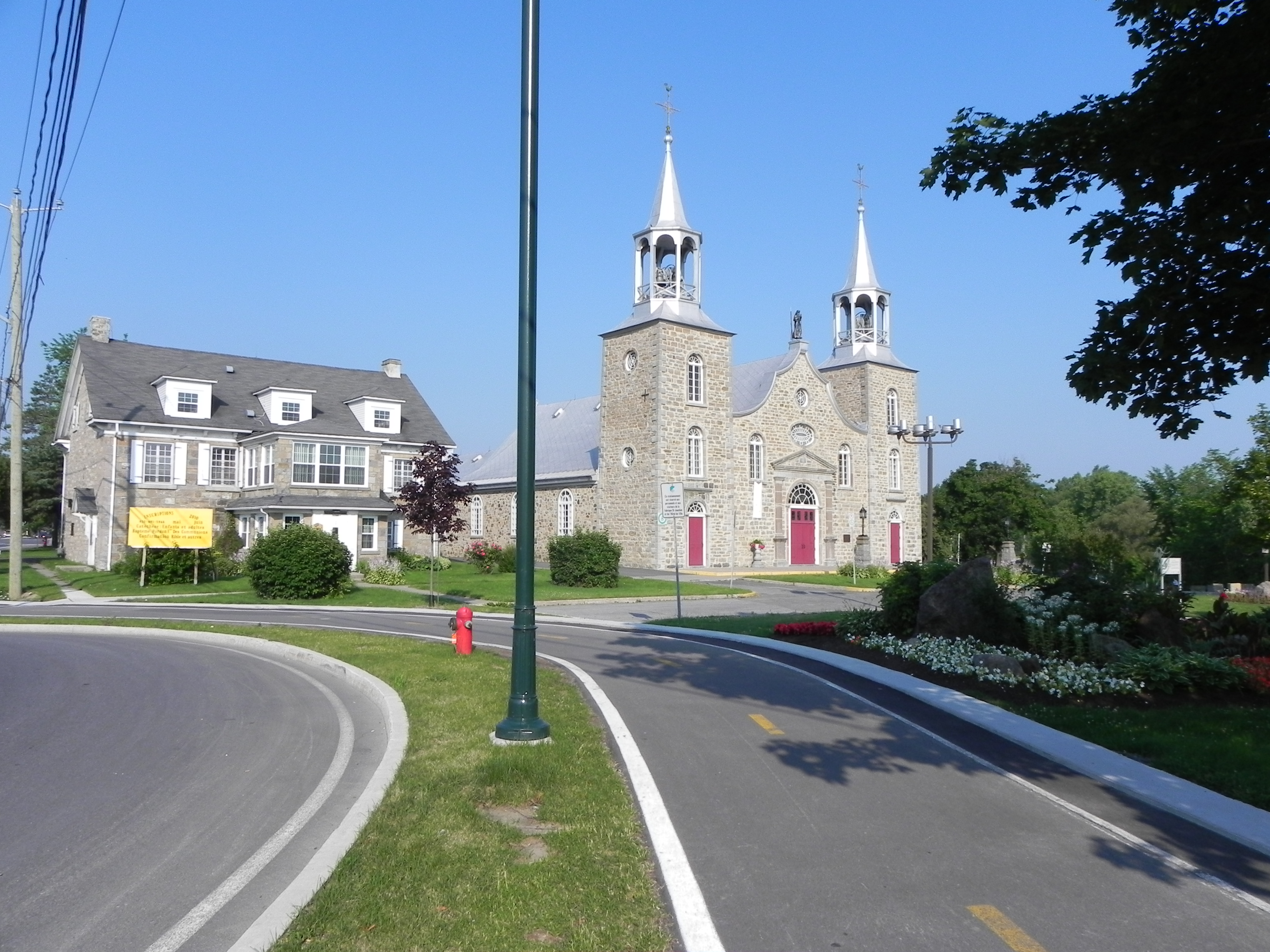
Châteauguay, Canada Hero Image
Wikipedia Contributor, CC BY-SA

Châteauguay, Canada

Follows Canada Residency Rules. Check Digital Nomad & Retiree Pathways →

📊 Scores

65
FIRE
61
Retiree
74
Digital Nomad

Best fit: Digital Nomad (score: 74)

Châteauguay sits in southwestern Quebec at just 21 m above sea level, within the America/Toronto timezone and about 10 km from Montréal-Trudeau International Airport (YUL). The city has a continental climate, with cold winters and warm summers. Its population is around 52 thousand, and the expat community is small. Most newcomers settle in the residential center, which serves as the popular expat neighborhood.

Rents are moderate for the region. A 1-bedroom apartment in the city centre costs $1,050/mo, while outside the centre it is $900/mo. A 3-bedroom in the city centre runs $1,980/mo, and outside the centre it is $1,650/mo. Utilities add $104/mo, and a mobile phone plan is $36/mo. Excluding rent, a single person spends about $1,250/mo, and a family of four spends about $3,250/mo. For a single adult including rent, budget tiers are $2,400/mo, $3,200/mo, and $4,300/mo. The cost of living index is 67/100 (NYC = 100). Everyday costs include $17 for an inexpensive restaurant meal, $54 for a mid-range three-course meal for two, and $4 for a cappuccino. Average internet speed is 150 Mbps.

Safety is a strong point, with a safety index of 85/100 and a crime index of 15/100. Air quality is decent, with an index of 35. Healthcare quality is rated Good. English is widely spoken, which helps newcomers navigate daily life.

For longer stays, the Canada Super Visa (Parents & Grandparents) supports retirement visits, and the Canada Digital Nomad Visa serves remote workers. The nearest airport is YUL, only 10 km away. With an overall expat score of 74/100, a FIRE score of 65/100, a retiree score of 61/100, and a digital nomad score of 74/100, Châteauguay suits budget-conscious singles, remote professionals, and those seeking a calm, safe base near Montreal.
Estimate the cost of moving to Châteauguay, Canada

Get a free moving cost estimate for moving to Châteauguay, Canada. Takes 10 seconds.

How much are you shipping?

When are you moving?

Powered by Sirelo. Free quotes from international movers.

🏚️ Cost of Living

A 1BR in the center runs about $1050/mo. If your income is in another currency, bank FX fees add up. A multi-currency account can cut that cost.

See low-fee transfers

We may earn a commission at no cost to you.

See how Châteauguay's cost of living compares with Fort Frances, Ontario

Be the first to report costs in Châteauguay

Share

🛡️ Safety & Crime

85
Safety Index

(Higher is safer)

15
Crime Index

(Lower is safer)

Châteauguay is a very safe suburban community on Montreal's South Shore with minimal violent crime and strong community policing. Property crime rates are low, and the area feels secure for daily activities. Main concerns are typical for Canadian suburbs: occasional package theft and petty shoplifting rather than serious offenses. No neighborhoods warrant avoidance, and scams are uncommon. For American expats, this is an excellent choice—safer than most comparable U.S. suburbs with reliable emergency services and stable governance. The primary adjustment is winter weather rather than safety.

🏥 Healthcare

Good
Public Hospitals
Yes
Private Clinics
Yes
English-Speaking Doctors
Widely Available

See how Châteauguay's healthcare compares with Fort Frances, Ontario

🌤️ Climate

Climate Zones
Continental
Summer Temp
32°C
Winter Temp
-29°C
Humidity
76%
Air Quality Index
35
Annual Rainfall
1274 mm

Best Months

MayJunSepOct

Climate Notes

Châteauguay experiences a humid continental climate with cold, snowy winters (lows to -29°C) and warm summers (highs to 32°C), offering distinct seasons ideal for those seeking seasonal variety but requiring preparation for harsh winter conditions.

💻 Digital Nomad

Avg Internet Speed
150 Mbps
Coworking Availability
Moderate
Coworking Spaces Nearby
0
Digital Nomad Score
74/100

Community Notes

Châteauguay offers a balanced living environment with good connectivity.

Coworking Spaces

NameNotes
Regus ChâteauguayLocated in a commercial area of Châteauguay, this Regus offers standard coworking amenities like private offices, meeting rooms, and high-speed internet. It's a reliable option for those seeking a professional and established workspace.
Espace Coworking RoussillonLocated in nearby Saint-Constant (close to Châteauguay), Espace Coworking Roussillon provides a more community-focused environment. They offer flexible memberships, private offices, and networking opportunities, making it suitable for expats looking to connect with local professionals.

Names, locations and hours can change. Check each space's website before you visit. Places from © OpenStreetMap contributors and Foursquare Open Source Places (Apache 2.0).

Planning to live in Châteauguay long-term? Canada Digital Nomad Visa lets remote workers live legally.

View full requirements →

Working remotely from Châteauguay? Nomad health insurance covers you across borders, month to month.

See nomad insurance

We may earn a commission at no cost to you.

See how Châteauguay's digital nomad life compares with Fort Frances, Ontario

🧳 Expat Life

English Proficiency
Widely Spoken
Expat Community
Small
Top Neighborhoods
Residential center
Banks Nearby
38
ATMs Nearby
5

Expat Life Notes

A French-speaking suburb of Montreal. Safe and residential.

Pros

  • ✓ Safe and quiet
  • ✓ Family-friendly
  • ✓ Near Montreal

Cons

  • ✗ French essential for social depth
  • ✗ Commuter traffic
  • ✗ Quiet nightlife

🏘️ Neighborhoods in Châteauguay

Areas of Châteauguay that expats often consider.

Conditions can change from one block to the next, and these descriptions are general guides, not safety assessments. Before choosing where to stay or live, check current travel advisories, talk to people who live there, and visit in person if you can.

Châteauguay Centre

Central, convenient, mixed residential

The heart of Châteauguay, offering easy access to shops, restaurants, and services. A mix of apartments and houses, attracting families and young professionals. Good bus connections, but car-dependent for regional travel; generally safe and walkable.

Île de la Visitation

Riverside, quiet, nature-focused living

A more secluded area along the Châteauguay River, offering a peaceful environment. Primarily residential, with single-family homes. Requires a car for most errands; limited public transit. Ideal for those seeking tranquility and outdoor activities.

Belle Vue

Established, family-friendly, residential

A well-established residential area with a mix of housing types. Popular with families due to its schools and parks. While walkable for local amenities, a car is recommended. Offers a suburban feel with good access to the city center.

Labarre

Affordable, developing, up-and-coming

A more affordable option, with ongoing development and new housing. Primarily residential, with a mix of apartments and houses. Public transit is available, but less frequent than in the city center. Good for budget-conscious expats willing to live slightly further from amenities.

Page 1 of 2

Could living/working in Châteauguay cut years off your work life?

With a 1-bedroom in the center at $1050/mo, your FIRE number here might be much lower than you think.

Calculate My FIRE Date →

🛂 Visa Options for Canada

Many long-stay visas require proof of health insurance. Compare international health plans before you apply.

Compare health insurance

We may earn a commission at no cost to you.

🛂

Not sure which Canada visa you qualify for?

Answer 11 questions and get a personalized match in under 2 minutes.

Find My Visa →

More Cities to Consider instead of Châteauguay

FAQ

Frequently Asked Questions about Châteauguay

Click any question to expand the answer.

Châteauguay has a population of approximately 52,320 people.
A single person can expect to spend around $2,625 per month in Châteauguay, including rent. A 1-bedroom apartment in the city center costs approximately $1050/month.
The nearest airport to Châteauguay is YUL, approximately 10.2km away.
Châteauguay is considered relatively safe, with a safety index of 85.0. As with any city abroad, expats should research specific neighborhoods before committing to a location.
Châteauguay has an average internet speed of 150 Mbps. It is considered a well-established digital nomad destination.
English speakers manage better here than most Quebec suburbs (29% speak English at home), but government services, healthcare, and many businesses operate in French. You'll need functional French for bureaucracy and healthcare. English-only living is possible but limiting.
Expect -10°C average lows, heavy snow, and 4–5 months of winter. If you're from a warm climate, it's a shock. If you're from Canada or northern US, it's normal. Snow removal is reliable, but you'll need winter tires and a shovel mentality.
Local jobs are mostly retail, healthcare, and service roles. Serious employment means commuting to Montreal (30–45 minutes by car or train). Remote work is ideal here. If you need local income, Montreal proper has better density and opportunity.
As an American, you can initially visit Canada for up to six months without a visa. For longer stays, you'll need to explore options like a work permit (if you have a job offer), a study permit, or family sponsorship. Permanent residency is possible but requires meeting specific eligibility criteria.
Canada has a universal healthcare system, so once you're a resident, most medical services are free. Finding English-speaking doctors in Châteauguay is generally not a problem, as many healthcare professionals are bilingual. However, wait times for specialists can be long.
Internet speeds in Châteauguay are generally good, with options for high-speed cable and fiber optic connections. You can expect download speeds of 50-100 Mbps or higher, which is sufficient for most remote work needs. Check with providers like Videotron or Bell for specific plans.
While Châteauguay doesn't have a plethora of dedicated coworking spaces, some business centers offer shared office environments. Many residents also opt to work from home or commute to coworking spaces in nearby Montreal, which has more options.
While a car is convenient, Châteauguay has a decent public transportation system with buses connecting different parts of the city. There are also express buses to Montreal, making it feasible to live in Châteauguay and commute for work or leisure. Biking is also popular in warmer months.
Châteauguay has a growing expat community, though it's smaller than in Montreal. You can connect with other expats through online forums, social media groups, and local community events. Montreal's larger expat scene is also easily accessible.
For more affordable options, look at areas further from the waterfront. The newer developments tend to be pricier. The area around the Châteauguay River offers beautiful scenery but comes at a premium.
Opening a bank account in Canada is relatively straightforward with proper identification and proof of address. Major banks like RBC, TD, and BMO have branches in Châteauguay. ATM fees can vary, so compare options. International money transfers can be done through banks or services like Wise.
As a US citizen, you're still required to file US taxes even when living abroad. You may be able to exclude a portion of your income using the Foreign Earned Income Exclusion (FEIE) or claim a Foreign Tax Credit. Don't forget to report foreign bank accounts (FBAR) if they exceed $10,000.
It's possible to retire early in Châteauguay on a budget of, say, $2,500-$3,500 USD per month, especially if you own your home or rent a smaller apartment. This would cover basic living expenses, but you'd need to be mindful of healthcare costs and avoid extravagant spending.
While French is the official language of Quebec, you can comfortably live in Châteauguay speaking primarily English. Most people, especially in customer service roles, are bilingual. However, learning some basic French will greatly enhance your experience and integration into the community.
Châteauguay experiences four distinct seasons. Summers are warm and humid, with temperatures reaching the mid-20s Celsius (70s Fahrenheit). Winters are cold and snowy, with temperatures often dropping below freezing. Spring and fall are mild and pleasant, but can be unpredictable.

Share This Guide