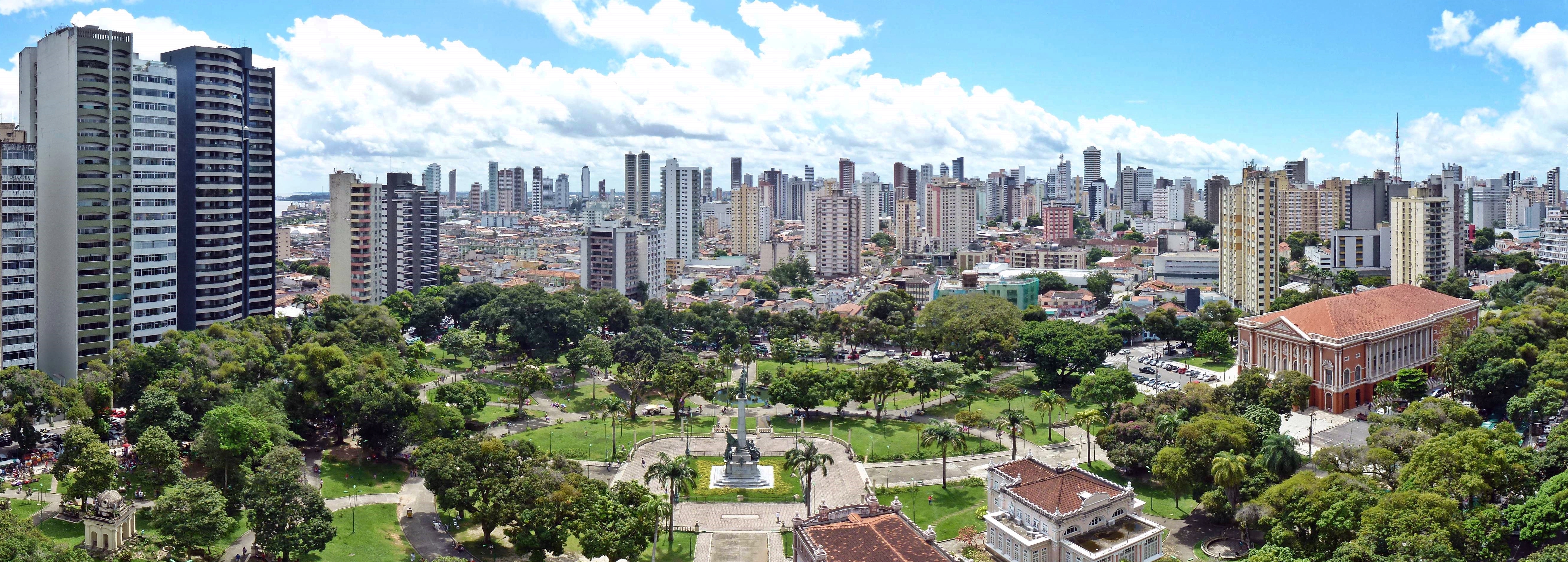
Pacajá sits in the Brazilian state of Pará, at 125 m above sea level and on America/Santarem time, where the tropical monsoon climate keeps the Amazonian environment hot and humid year round. Expats who settle here overwhelmingly choose Pacajá Central, the one neighborhood that appears in relocation conversations. The town is small relative to the state's bigger hubs, but its population of 8.1 million gives it a weight that surprises outsiders who expect a remote outpost.
Housing costs are the main draw. A 1-bedroom apartment in the city centre rents for $150/mo, while the same outside the centre drops to $110/mo. Three-bedroom units run $280/mo in the centre and $210/mo outside it. A single adult can live on a budget tier of $600/mo with rent included, step up to a mid-range tier of $1,000/mo, or settle into a comfortable tier of $1,600/mo. Excluding rent, a single person spends about $330/mo, and a family of four about $950/mo. The cost of living index of 25/100 against NYC = 100 explains why so many long-stay visitors treat Pacajá as a place where their money stretches.
Safety sits at a middle mark: the safety index is 50/100 and the crime index is 50/100, so caution and local advice matter as much as they do in any Amazonian town. Air quality is a strong point, with an index of 25 where lower is better. Healthcare quality is rated Poor, which means serious medical needs usually require travel to larger centers. Internet averages 8 Mbps, fine for messaging and light browsing but not for heavy remote work.
For stays, the retirement visa program is VITEM XIV, requiring a minimum monthly income of $2,000/mo, and the Brazil Digital Nomad Visa requires $1,500/mo. The nearest airport is BEL. Pacajá suits budget-focused long-stayers, retirees who qualify for VITEM XIV, and anyone chasing a low-cost Amazonian base. It is less suited to digital nomads, given the 41/100 digital nomad score, the 43/100 retiree score, and the absence of an expat community. The overall expat score of 75/100 and FIRE score of 77/100 point to a place that rewards those who prioritize cost and climate over convenience and connection.
Estimate the cost of moving to Pacajá, Brazil
Get a free moving cost estimate for moving to Pacajá, Brazil. Takes 10 seconds.
How much are you shipping?
When are you moving?
Powered by Sirelo. Free quotes from international movers.
🏚️ Cost of Living
A 1BR in the center runs about $150/mo. If your income is in another currency, bank FX fees add up. A multi-currency account can cut that cost.
Pacajá presents moderate safety concerns typical of smaller Brazilian towns in Pará state. While violent crime rates are lower than major urban centers, petty theft, robbery, and drug-related activity occur regularly. Avoid displaying valuables, traveling alone at night, and unfamiliar neighborhoods. The town lacks robust infrastructure and emergency services compared to larger cities. Expats should establish local connections quickly, use registered taxis, and maintain situational awareness. It's suitable for those comfortable with modest security challenges, but not ideal for risk-averse retirees seeking a relaxed environment.
Pacajá has a safety index of 50/100. Petty theft and lost belongings are the most common problems for newcomers. Compare travel insurance before you go.
Located on Avenida Paulista, a central and iconic avenue, this WeWork offers a vibrant atmosphere, modern amenities, and easy access to transportation, restaurants, and cultural attractions, making it ideal for expats seeking a convenient and connected workspace.
With multiple locations throughout São Paulo, Plug n' Work offers a more local and affordable coworking option. Their spaces provide a professional environment with good internet, meeting rooms, and a community vibe, suitable for digital nomads looking for a budget-friendly option.
Another option on Paulista Avenue, Spaces offers a stylish and professional environment with a focus on design and community. It's a good choice for those who appreciate a more sophisticated workspace with networking opportunities.
CoolWorking offers a more relaxed and creative atmosphere, with locations in various neighborhoods. They often host events and workshops, making it a good option for those looking to connect with the local startup and creative community.
See how Pacajá's digital nomad life compares with Cristalina
🧳 Expat Life
English Proficiency
Limited
Expat Community
None
Top Neighborhoods
Pacajá Central
Banks Nearby
0
ATMs Nearby
0
Expat Life Notes
Pacajá is a small municipality in Pará. It is a frontier region with no expat focus and limited security.
Pros
✓ Wild nature access
Cons
✗ Poor infrastructure
✗ Security concerns
✗ No English spoken
🏘️ Neighborhoods in Pacajá
Areas of Pacajá that expats often consider.
Conditions can change from one block to the next, and these descriptions are general guides, not safety assessments. Before choosing where to stay or live, check current travel advisories, talk to people who live there, and visit in person if you can.
Belém
Bohemian, historic, riverside charm
Belém is known for its historic architecture, vibrant street art, and riverside location. It attracts artists, students, and those seeking a more alternative lifestyle. While walkable in parts, public transport is essential. Expect some noise and tourist activity, especially around the docks.
Nazaré
Traditional, family-friendly, residential
Nazaré is a more traditional and residential neighborhood, popular with families and those seeking a quieter lifestyle. It's less touristy than Belém but still offers good access to amenities. Portuguese language skills are helpful here.
Umarizal
Upscale, modern, convenient living
Umarizal is one of the more upscale neighborhoods in Belém, with modern apartments, shopping malls, and restaurants. It's well-connected by public transport and offers a convenient lifestyle. Expect higher prices and a more urban environment.
Campina
Commercial, bustling, historic center
Campina is the historic commercial center of Belém, with a mix of colonial architecture and modern businesses. It's a bustling area during the day but can be quieter at night. While centrally located, it can be noisy and crowded.
Telégrafo Sem Fio
Residential, quiet, affordable option
Telégrafo Sem Fio is a more residential and affordable neighborhood located further from the city center. It offers a quieter lifestyle but requires reliance on public transport or a car. Limited English is spoken here.
Marco
Middle-class, residential, developing area
Marco is a middle-class residential neighborhood undergoing development. It offers a mix of older homes and newer apartments. It's less touristy and more affordable than central areas, but may require some Portuguese language skills.
Page 1 of 2
Could living/working in Pacajá cut years off your work life?
With a 1-bedroom in the center at $150/mo, your FIRE number here might be much lower than you think.
Pacajá has a population of approximately 8,120,131 people.
A single person can expect to spend around $375 per month in Pacajá, including rent. A 1-bedroom apartment in the city center costs approximately $150/month.
The nearest airport to Pacajá is BEL, approximately 671km away.
Pacajá is considered moderate in terms of safety, with a safety index of 50.0. As with any city abroad, expats should research specific neighborhoods before committing to a location.
Pacajá has an average internet speed of 8 Mbps. It is not yet considered a well-established digital nomad destination.
Pará state has a safety index of 50, which is middling for Brazil. Pacajá itself is a small, rural municipality where petty crime exists but violent crime targeting foreigners is not a documented pattern. The bigger risks are practical: medical emergencies far from adequate care, road flooding cutting off access, and the general vulnerability of being a visible outsider in a tight-knit community with no expat support network.
Technically yes, practically no. Internet infrastructure in Pacajá is unreliable — expect frequent outages and slow speeds that make video calls and cloud-based work difficult. There is no coworking space, no fiber connection, and no guarantee of consistent power. If remote work is your income source, Pacajá is a serious risk. Belém, roughly 500km away, is the nearest city with infrastructure that can actually support a remote work lifestyle.
Basic public health posts (UBS) exist in Pacajá but are under-resourced. Routine care and minor illnesses can be handled locally, but anything requiring specialist treatment, surgery, or emergency intervention means traveling to Altamira or Belém — a journey that can take many hours and is weather-dependent. Private health insurance is strongly recommended, and you should have a clear evacuation plan before moving here.
Pacajá offers a significantly lower cost of living compared to the US. Expect to pay around $800-$1500 USD per month for rent in neighborhoods like Umarizal or Nazaré, depending on apartment size and amenities. Groceries and dining out are also considerably cheaper, with a decent restaurant meal costing around $10-20 USD.
For longer stays, Americans typically pursue a retirement visa (if receiving pension income) or an investment visa. The retirement visa generally requires proving a stable monthly income of around $2,000 USD. Consult with a Brazilian immigration lawyer for the most up-to-date requirements and application process.
Internet speed in Pacajá is generally good, especially in more developed areas like Batista Campos. You can expect speeds of 50-100 Mbps, sufficient for video conferencing and most remote work tasks. However, outages can occur, so consider having a backup plan like a mobile hotspot.
While Portuguese is the official language, you'll find some English speakers, particularly in tourist areas and among younger generations. However, learning basic Portuguese is highly recommended for daily life and integration. Consider taking classes or using language learning apps before you arrive.
For budget-friendly options, consider neighborhoods like São Brás or Marco. These areas offer more affordable rent and are still relatively safe and well-connected to the city center. You'll find a mix of apartments and houses, with local markets and shops nearby.
Pacajá has a tropical climate, with consistently warm temperatures year-round. Expect high humidity and a distinct wet and dry season. The rainy season typically runs from December to May, while the dry season is from June to November.
Opening a bank account in Brazil can be challenging for foreigners, requiring a CPF (Brazilian tax ID). Consider using international money transfer services like Wise or Remitly for sending money. ATMs are widely available, but fees can be high, so check with your bank beforehand.
As a US citizen, you're still required to file US taxes even when living abroad. You may be able to exclude a significant portion of your income using the Foreign Earned Income Exclusion (FEIE). Also, be aware of FBAR requirements for reporting foreign bank accounts.
Pacajá has a decent public transportation system, including buses and a metro. However, traffic can be heavy, especially during peak hours. Ride-sharing apps like Uber are also readily available and relatively affordable. Walking is feasible in some areas, but be mindful of safety and traffic.
While not as large as in some other Brazilian cities, Pacajá has a growing expat community. You can connect with other expats through online forums and social media groups. Attending local events and language exchange meetups is also a great way to meet people.
Like any large city, Pacajá has areas with higher crime rates. It's best to avoid walking alone at night in less populated areas and to be aware of your surroundings. Keep valuables out of sight and be cautious of petty theft, especially in crowded areas.
Retiring in Pacajá on $2500 USD per month is definitely feasible, offering a comfortable lifestyle. This budget allows for renting a nice apartment, covering healthcare costs, enjoying local cuisine, and participating in social activities. You'll likely have funds left over for travel and leisure.
Yes, Pacajá has several coworking spaces catering to digital nomads and remote workers. Spaces like WeWork and local options offer reliable internet, meeting rooms, and a collaborative environment. Prices vary, but you can typically find monthly memberships to suit your needs.
Finding English-speaking doctors in Pacajá can be a challenge, but not impossible. Private hospitals and clinics in wealthier neighborhoods like Umarizal are more likely to have doctors who speak English. It's always a good idea to have a Portuguese-speaking friend or translator accompany you to appointments.
Cost-of-living and visa updates for Pacajá and the rest of Brazil. Free with RA Postcards.
By submitting your email address, you will receive a free subscription to RA Postcards and special offers from Rewire Abroad and our affiliates. You can unsubscribe at any time, and we encourage you to read more about our Privacy Policy.