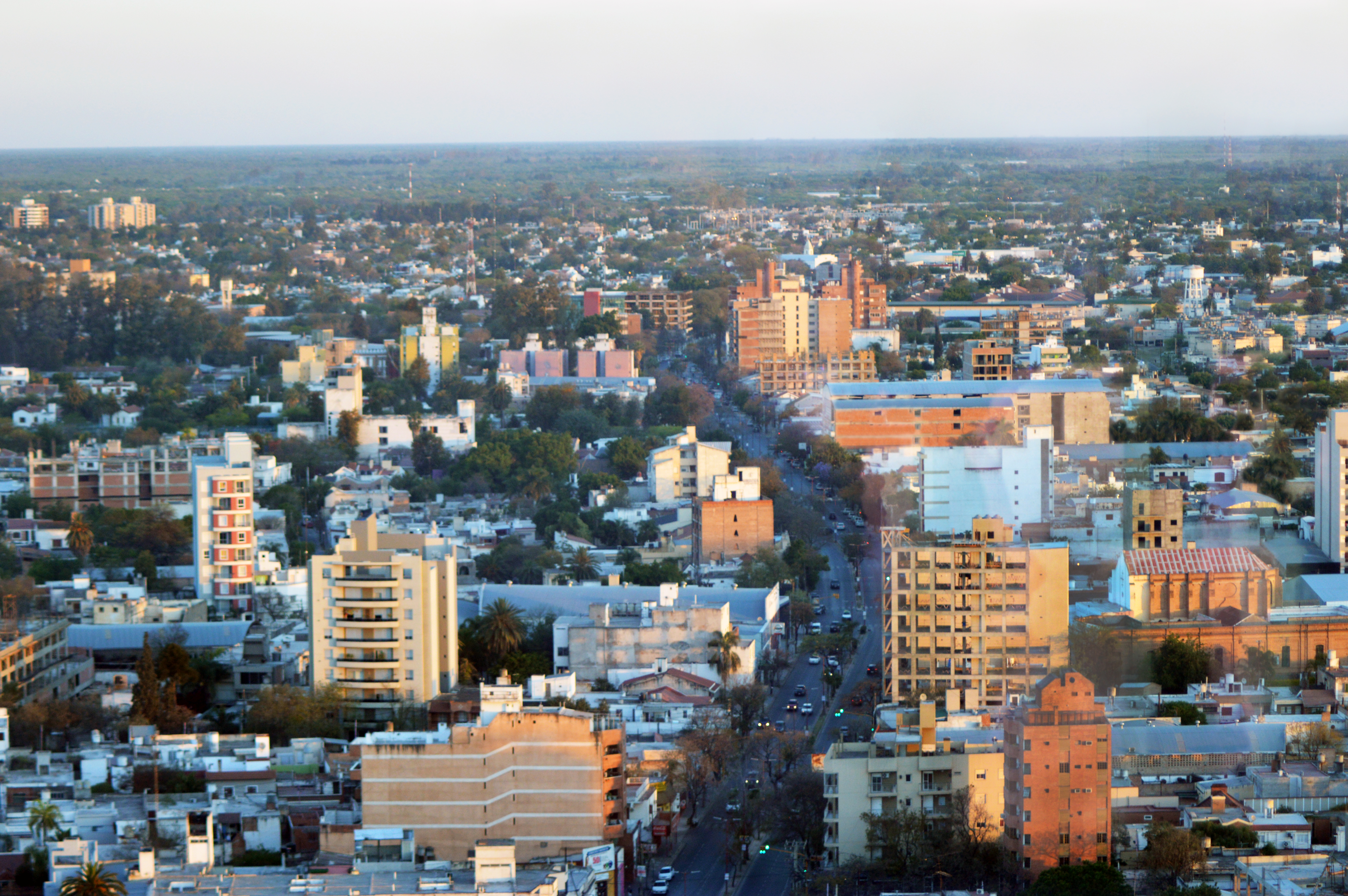
Santiago del Estero, Argentina Hero Image
Wikipedia Contributor, CC BY-SA

Santiago del Estero, Argentina

Data updated Oct 8, 2026

Follows Argentina Residency Rules. Check Digital Nomad & Retiree Pathways →

📊 Scores

78
FIRE
51
Retiree
51
Digital Nomad

Best fit: FIRE / Geoarbitrage (score: 78)

Santiago del Estero, Argentina, sits at 182 meters above sea level in a hot semi-arid subtropical climate zone, where summer temperatures can peak at 44°C and winters are mild, with a pronounced dry season and occasional summer rains. The city, home to 311,000 people, operates on America/Argentina/Cordoba time. Expatriates tend to settle in the Centro neighborhood, though the expat community itself is described as none.

Living costs here are low: a one-bedroom apartment in the city centre rents for $300/mo, while outside the centre it drops to $180/mo; a three-bedroom in the centre costs $520/mo, and outside the centre it is $350/mo. A single adult on a budget tier can expect total monthly expenses of $700/mo including rent, while a mid-range tier runs $1,200/mo and a comfortable tier reaches $2,000/mo. Excluding rent, a single person spends about $500/mo, and a family of four spends $1,450/mo. A gym membership costs $30/mo, and the cost of living index is 37/100 relative to New York City. Average internet speed is 25 Mbps.

The safety index stands at 60/100, with a crime index of 38/100 (lower is safer). Healthcare quality is rated as fair.

Argentina offers two visa programs for longer stays: the Argentina Rentista Visa requires a minimum monthly income of $1,500/mo, and the Argentina Digital Nomad Visa requires $2,000/mo. The nearest airport is SDE, located 5 km away. With an overall expat score of 78/100, a FIRE score of 78/100, a retiree score of 51/100, and a digital nomad score of 51/100, Santiago del Estero suits those seeking a low-cost, quiet base with limited English proficiency and no established expat community.
Estimate the cost of moving to Santiago del Estero, Argentina

Get a free moving cost estimate for moving to Santiago del Estero, Argentina. Takes 10 seconds.

How much are you shipping?

When are you moving?

Powered by Sirelo. Free quotes from international movers.

🏚️ Cost of Living

A 1BR in the center runs about $300/mo. If your income is in another currency, bank FX fees add up. A multi-currency account can cut that cost.

See low-fee transfers

We may earn a commission at no cost to you.

See how Santiago del Estero's cost of living compares with Vincente Lopez

Be the first to report costs in Santiago del Estero

Share

🛡️ Safety & Crime

60
Safety Index

(Higher is safer)

38
Crime Index

(Lower is safer)

Santiago del Estero is moderately safe for expats, with a Safety Index of 60 suggesting manageable risk levels. Main concerns include petty theft, pickpocketing in crowded areas, and occasional armed robbery in peripheral neighborhoods. Avoid displaying valuables, stay alert in the city center after dark, and exercise caution in outlying barrios. The city lacks the organized crime presence of larger Argentine metros. For a 30-65 year-old expat with street awareness and sensible precautions, Santiago del Estero presents acceptable safety conditions—not a top-tier destination but viable for remote work or retirement.

Santiago del Estero has a safety index of 60/100. Petty theft and lost belongings are the most common problems for newcomers. Compare travel insurance before you go.

Compare travel insurance

We may earn a commission at no cost to you.

🏥 Healthcare

Fair
Public Hospitals
Yes
Private Clinics
Yes
English-Speaking Doctors
Limited

See how Santiago del Estero's healthcare compares with Vincente Lopez

🌤️ Climate

Summer Temp
44°C
Winter Temp
4°C
Humidity
61%
Air Quality Index
45

Best Months

AprMaySepOct

Climate Notes

Santiago del Estero has a hot semi-arid subtropical climate with scorching summers (44°C peaks) and mild winters, featuring a pronounced dry season and occasional rainfall concentrated in summer months.

💻 Digital Nomad

Avg Internet Speed
25 Mbps
Coworking Availability
Limited
Coworking Spaces Nearby
0
Digital Nomad Score
51/100

Community Notes

An inland city with limited international connectivity.

Coworking Spaces

NameNotes
La Maquinita Co. (Córdoba)While technically in Córdoba, La Maquinita is a well-known Argentine coworking brand with a location that's accessible from Santiago del Estero (approx. 3 hours by bus). It offers reliable internet, a professional atmosphere, and is a good option for those seeking a more established coworking environment near Santiago del Estero.
Oficina Coworking (Tucumán)Located in nearby Tucumán (approx. 2 hours by bus), Oficina Coworking provides a modern workspace with essential amenities. It's a smaller, independent space that fosters a collaborative community, making it suitable for expats looking to connect with local professionals.

Names, locations and hours can change. Check each space's website before you visit. Places from © OpenStreetMap contributors and Foursquare Open Source Places (Apache 2.0).

Planning to live in Santiago del Estero long-term? Argentina Digital Nomad Visa lets remote workers live legally with a minimum income of $2,000/month.

View full requirements →

Working remotely from Santiago del Estero? Nomad health insurance covers you across borders, month to month.

See nomad insurance

We may earn a commission at no cost to you.

See how Santiago del Estero's digital nomad life compares with Vincente Lopez

🧳 Expat Life

English Proficiency
Limited
Expat Community
None
Top Neighborhoods
Centro
Banks Nearby
16
ATMs Nearby
13

Expat Life Notes

One of Argentina's hottest cities with very little to offer foreign residents.

Pros

  • ✓ Affordable

Cons

  • ✗ Extreme heat
  • ✗ Isolation
  • ✗ No English

🏘️ Neighborhoods in Santiago del Estero

Areas of Santiago del Estero that expats often consider.

Conditions can change from one block to the next, and these descriptions are general guides, not safety assessments. Before choosing where to stay or live, check current travel advisories, talk to people who live there, and visit in person if you can.

Centro

Bustling heart of the city

The city center is where you'll find most shops, restaurants, and historical landmarks. It's generally walkable, but can be noisy and crowded. While convenient, it may lack the tranquility some expats seek for long-term living.

Autonomía

Residential, quiet, family-oriented

A more residential area, Autonomía offers a quieter pace of life. It's further from the main attractions, so having a car or relying on public transport is necessary. This neighborhood is less likely to have English speakers.

Jardín Botánico

Green space, peaceful, residential

Located near the botanical garden, this area offers a more relaxed atmosphere with access to green spaces. It's primarily residential, so amenities are more spread out. Spanish language skills are essential here.

Villa del Carmen

Affordable, local, up-and-coming

A more budget-friendly option, Villa del Carmen is a developing area with a strong local feel. It's further from the city center and may have fewer amenities readily available. Expect to rely on Spanish and local transport.

Page 1 of 2

Could living/working in Santiago del Estero cut years off your work life?

With a 1-bedroom in the center at $300/mo, your FIRE number here might be much lower than you think.

Calculate My FIRE Date →

🛂 Visa Options for Argentina

Many long-stay visas require proof of health insurance. Compare international health plans before you apply.

Compare health insurance

We may earn a commission at no cost to you.

🛂

Earning over $2,000/mo? You may qualify for a Argentina visa.

Answer 11 questions and get a personalized match in under 2 minutes.

Find My Visa →

More Cities to Consider instead of Santiago del Estero

FAQ

Frequently Asked Questions about Santiago del Estero

Click any question to expand the answer.

Santiago del Estero has a population of approximately 311,487 people.
A single person can expect to spend around $750 per month in Santiago del Estero, including rent. A 1-bedroom apartment in the city center costs approximately $300/month.
The nearest airport to Santiago del Estero is SDE, approximately 4.5km away.
Santiago del Estero is considered relatively safe, with a safety index of 60.0. As with any city abroad, expats should research specific neighborhoods before committing to a location.
It’s ideal for expats seeking a slow-paced, affordable lifestyle in Argentina’s rural interior. Not a fit for those craving urban energy or coastal living.
For stays longer than 90 days, you'll need a visa. Options include a tourist visa extension, a temporary residency visa (rentista, pensionado, or work visa if you find employment), or exploring the possibility of a permanent residency visa if you meet the criteria. Consulting with an immigration lawyer familiar with Argentinian law is highly recommended.
Internet speeds are generally reliable in the city center, sufficient for video calls and most remote work tasks. Providers like Telecom Argentina (Personal) offer fiber optic options. However, speeds can be slower and less consistent in more rural areas outside the city.
Santiago del Estero has a subtropical climate with hot, humid summers and mild, dry winters. Expect temperatures to soar in January and February, often exceeding 100°F (38°C). Winters (June-August) are pleasant, with daytime temperatures typically in the 60s and 70s (15-25°C).
English proficiency is not widespread. While you might find some English speakers in tourist-oriented businesses or among younger generations, it's essential to learn basic Spanish to navigate daily life effectively. Consider taking Spanish classes before or after you arrive.
The city center (Centro) offers convenient access to amenities and a vibrant atmosphere. For a quieter, more residential feel, consider neighborhoods like Parque Aguirre or Autonomía. Your budget will influence your choices, as rental prices vary significantly between these areas.
Argentina has a public healthcare system accessible to residents, but many expats opt for private healthcare for shorter wait times and more English-speaking doctors. Private health insurance is relatively affordable. Investigate options like OSDE or Swiss Medical.
Popular options include wire transfers through your bank, online platforms like Wise (formerly TransferWise), or Remitly. Be aware of potential fees and exchange rates. Opening a local bank account can simplify receiving funds once you have residency.
As a US citizen, you're still required to file US taxes even when living abroad. The Foreign Earned Income Exclusion (FEIE) can help you exclude a certain amount of your income from US taxes. Also, be aware of FBAR reporting requirements for foreign bank accounts.
The city has a decent public transportation system consisting of buses (colectivos). Taxis are readily available and relatively inexpensive. Renting a car is an option, but navigating the city's traffic can be challenging. Walking is feasible in the central areas.
No, ATMs in Argentina dispense Argentinian pesos. You'll need to exchange USD for pesos. Banks and official exchange houses (casas de cambio) are the safest options. Be aware of the official exchange rate versus the 'blue rate' (unofficial rate) which may offer a better deal but carries risks.
While manageable, expect a learning curve. Daily tasks like grocery shopping or dealing with utilities will require some Spanish. Embrace the local culture, be patient, and use translation apps when needed. The slower pace of life can be a welcome change for many.
Yes, $1500 USD per month is generally sufficient for a comfortable retirement in Santiago del Estero, especially if you embrace a local lifestyle. This budget should cover rent, groceries, utilities, and some leisure activities. However, it's wise to have a buffer for unexpected expenses or healthcare needs.
Be sure to try locro (a hearty stew), empanadas santiagueñas (baked or fried pastries filled with meat), and asado (barbecue). Dulce de leche is a must-try dessert. Many restaurants offer traditional dishes at affordable prices.

Share This Guide