Min Monthly Income
$2,000
Application Fee
$200
Processing Time
2-3 wks
Difficulty
Moderate
Duration
6 months
Overview
Argentina’s Digital Nomad Visa targets remote workers from countries that already enter visa‑free as tourists, with a minimum monthly income requirement of at least $2,000 USD (as of 2026). Consulates look for proof of an ongoing remote activity and supporting income (contracts, invoices, or employer letters) to verify this threshold. Pension, Social Security, and portfolio income are not mentioned in the official criteria, so a FIRE retiree living entirely on dividends and rental income should assume they do not meet the core “independent work activity” requirement without some form of active remote work.
The permit allows a stay of up to 180 days (6 months) and program rules sets processing at roughly 2–3 weeks once a complete file is in the system. That makes it better suited to medium‑term stints than full relocation; anyone planning a 12‑month stay needs to think in terms of back‑to‑back stays or combining this with regular tourist entries. This is not a structured residency you can treat like a Portugal D7 or Spain’s Non‑Lucrative Visa with clear 183‑day thresholds, since Argentina does not publish formal physical presence or day‑count requirements for maintaining status.
No official path from this 6‑month stay to temporary or permanent residency is defined, and there is no set timeline to permanent residency or citizenship via this route. Unlike Uruguay’s straightforward 2–3 year PR/citizenship track once you become a resident, Argentina’s digital nomad framework is framed as a time‑limited stay permit, not a residency ladder. The visa is renewable (as of 2026), though anyone with a 5–10 year plan in Argentina still needs a separate strategy (work, study, investor, or retirement residence permits) since this permit doesn't offer a residency ladder.
Friction is relatively low on paper: program rules show no FBI background check and no medical exam requirement, though a local bank account, apostilled documents, and an in‑person interview are required. Still, consulates can request extra documents, and processing only starts after all documents and the $200 USD visa fee (as of 2026) are paid. You should still plan around the 2–3 week decision window and the official advice to file well before travel, especially if you need translations into Spanish.
This setup makes most sense if you already earn at least a few thousand US dollars per month from verifiable remote work and want a single 3–6 month Argentina base without worrying about long‑term residency or local tax planning. It is a poor fit if your $4,000–$8,000/month cash flow is entirely passive (dividends, bond interest, rental income, pensions) and you are hunting for a multi‑year, PR‑eligible structure where passive income alone is enough to qualify.
Eligibility Requirements
Argentina restricts this Digital Nomad Visa to nationals who already have visa‑free access as tourists, which is a policy choice tied to existing bilateral entry agreements rather than income level or OECD membership. The logic is simple: if Argentine immigration already admits you for 90 days without a visa, you can extend that logic to a 180‑day digital nomad stay with added documentation but without redesigning border policy.
The eligible pool therefore tracks Argentina’s visa‑exempt list maintained by Dirección Nacional de Migraciones. This includes the US, Canada, the UK, the entire EU/Schengen Area, Australia, New Zealand, Japan, South Korea, and most of Latin America, among others. In practice, the typical applicant is a US, Canadian, British, German, French, Spanish, Italian, Australian, or New Zealander passport holder with an existing right to enter Argentina visa‑free as a tourist.
If your nationality requires a traditional tourist visa to visit Argentina—such as many African, Asian, and Middle Eastern passports—you cannot use this specific Digital Nomad Visa route. There is no published “upgrade” path from a visa‑required nationality into this program, apart from acquiring a second passport from an eligible country through ancestry, naturalization elsewhere, or an investment migration program, and then applying using that eligible passport.
Argentina’s visa‑exempt list has been relatively stable in recent years but is not immune to geopolitical shifts or sanctions; countries like Russia, Iran, and certain others have seen changing treatment across different jurisdictions, even if Argentina’s own list has moved slowly. Any change in the underlying visa‑free tourist list can ripple directly into digital nomad eligibility.
Before assembling documents, confirm your status directly on the Dirección Nacional de Migraciones website or via the nearest Argentine consulate, as consular posts apply the current list, not what appears on third‑party blogs. If your passport is borderline or your situation is complex (dual citizenship, recent naturalization), a $150–$300 consultation with an Argentina‑focused immigration lawyer is often cheaper than a rejected application built on outdated assumptions.
Min Income
$2,000
Application Fee
$200
Duration
6 months
Requirements Checklist
0 of 18 documents in hand
0%These take the longest, so start them first.
Request these while the slow items are in progress.
You only need these on the day you submit.
Extra requirements for this visa
- Apostille required on official documents
- In-person interview required
How and where to apply
Apply in-country at the National Directorate of Migration (email [email protected] for CABA residents or visit local offices) if already in Argentina on tourist entry, or start remotely outside via the Electronic Entry Processing – TIE 24H portal for pre-authorization upon arrival. Visa-exempt nationals can enter as tourists first and convert. Pay fees through the official platform after presenting documents.
Tax Information
Local tax picture for Argentina digital nomads
Argentina uses a worldwide income system for tax residents rather than a territorial or remittance‑based regime. In practical terms, once you are considered tax resident, Argentina can tax your global income: remote salary from a foreign employer, freelance or consulting income, ETF and stock dividends from a foreign brokerage, pension and Social Security payments, and rental income from property abroad. The Digital Nomad Visa itself does not create a special tax regime, though Argentina's general tax law provides a 5-year exemption on foreign-source income for individuals who become tax residents for the first time.
Capital gains treatment on foreign investments held abroad (for example, selling Vanguard or iShares ETFs in a US brokerage) falls outside Argentina's schedular regime for listed securities and is generally taxed as ordinary income at progressive rates up to 35% for Argentine tax residents; if you become an Argentine tax resident, you should assume capital gains on foreign securities are at least reportable and potentially taxable until a local advisor tells you otherwise in writing.
For many nomads, the most important question is when tax residency is triggered. Argentina commonly uses a 12‑month presence test (often 183 days) plus ties such as a habitual home or family, though there is no exact physical presence threshold or specific tax status deadline tied to this visa. Grant of the Digital Nomad Visa does not automatically mean you are a tax resident on day one, but if you spend most of those 180 days in‑country and start building local ties, you can drift into tax residency under general rules. There is a 5-year exemption from Argentine tax on foreign-source income for individuals who become tax residents for the first time, though it is a general tax-law provision rather than something linked specifically to this visa.
Local filing requirements for Digital Nomad Visa holders are not fixed by the visa itself. In practice, once you cross into tax residency you should expect to register with AFIP (Administración Federal de Ingresos Públicos), obtain a tax ID (CUIT or CUIL), and file an annual return, but the precise deadlines and thresholds for your situation need local confirmation.
Argentina does not have an income tax treaty with the United States. That means you cannot assume the existence of a double tax treaty or a totalization agreement to protect US Social Security or to reduce withholding on dividends; you must work from US domestic law plus Argentina’s domestic law, and only treat any treaty relief as a bonus if a professional specifically confirms it applies.
For US Citizens and Green Card Holders
US citizens and green card holders on the Argentina Digital Nomad Visa stay fully within the US tax net. All income remains taxable to the IRS, and Argentina adds a potential second layer once you drift into Argentine tax residency.
For earned income from remote work (salary from a foreign employer, 1099 consulting, freelance income), the Foreign Earned Income Exclusion via Form 2555 can shield up to $132,900 of 2026 earned income per person. To claim FEIE, you must either meet the Physical Presence Test (330 full days abroad in any 12‑month period, with days in Argentina counting as foreign days) or the Bona Fide Residence Test. Given this visa’s 180‑day duration and lack of a clear long‑term residency path, most nomads will lean on the Physical Presence Test rather than bona fide residence.
For income that FEIE cannot touch, dividends from ETFs, interest, capital gains, US rental income, pension distributions, and Social Security, you rely on the Foreign Tax Credit via Form 1116. FTC only helps if you are actually paying Argentine tax on that same income at a meaningful effective rate. If you structure your life so you never become Argentine tax resident, your Argentine tax on foreign‑source income is effectively zero, and Form 1116 will not reduce your US bill; your passive income remains fully exposed to US rates.
Foreign accounts trigger separate US reporting. If you open an Argentine bank or brokerage account (often required in practice for this visa) and your aggregate foreign balances exceed $10,000 at any point in the year, you must file an FBAR (FinCEN 114). On top of that, Form 8938 (FATCA) can apply once your foreign financial assets exceed $50,000 for single filers or $100,000 for joint filers at year‑end (higher thresholds for expats). Non‑willful FBAR penalties start around $16,700 per violation (as of 2026), so “forgetting” the account is an expensive mistake.
In year one, the smart setup is to engage two specialists: a US CPA who focuses on expat returns (FEIE vs. FTC modeling, FBAR/FATCA, and estimated payments) and a local Argentine tax advisor for residency status, AFIP registration, and local filings if required. The $1,500–$3,000 you spend on this combined advice is usually recouped through optimized elections, correct use of Form 2555 and 1116, and avoiding penalties that can easily exceed those fees.
Living in Argentina
COL Index vs NYC
35.7
Monthly Cost (excl. rent)
$752
1BR Rent (City Center)
$600
Safety Index
36.6
Healthcare Index
68.0
Quality of Life Index
118.0
Time Zone
UTC-03:00
Capital
Buenos Aires
Population
46.0M
Official Languages
Spanish
Avg Internet Speed
110 Mbps
Public Transit Quality
Good
With a budget covering rent and living costs, you'd need roughly $1,352/mo for a comfortable single-person lifestyle in Argentina.See how far your money goes →
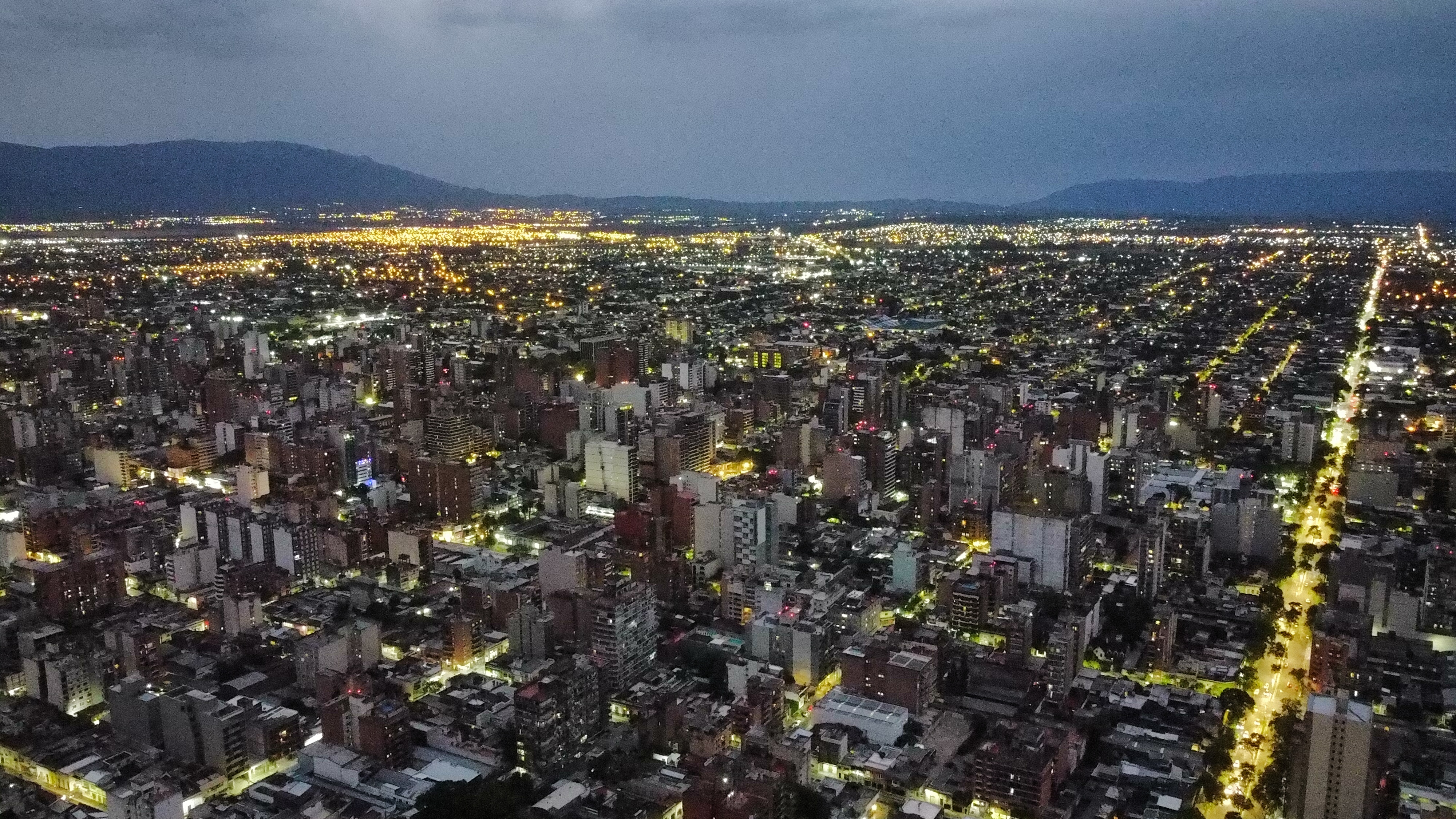
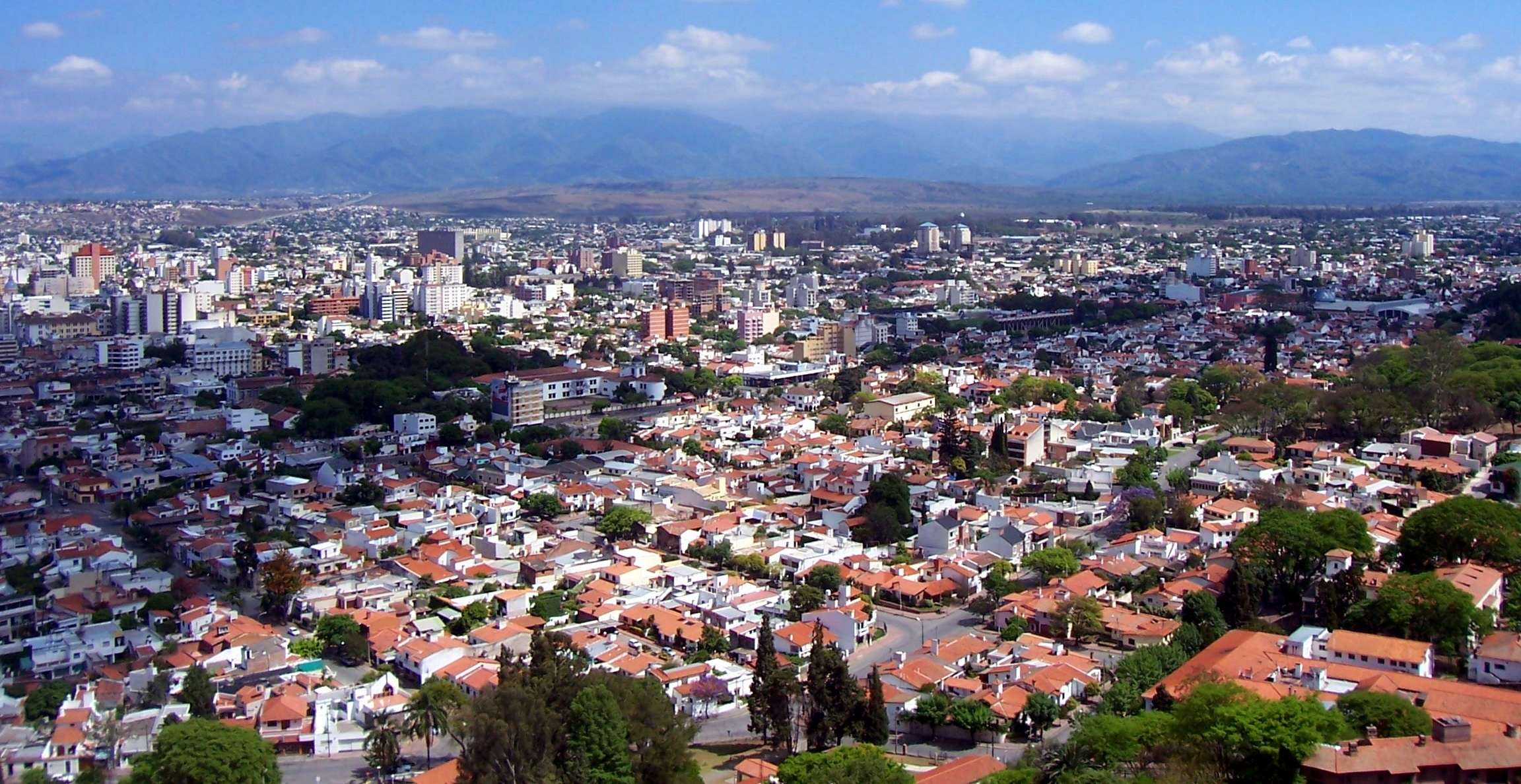
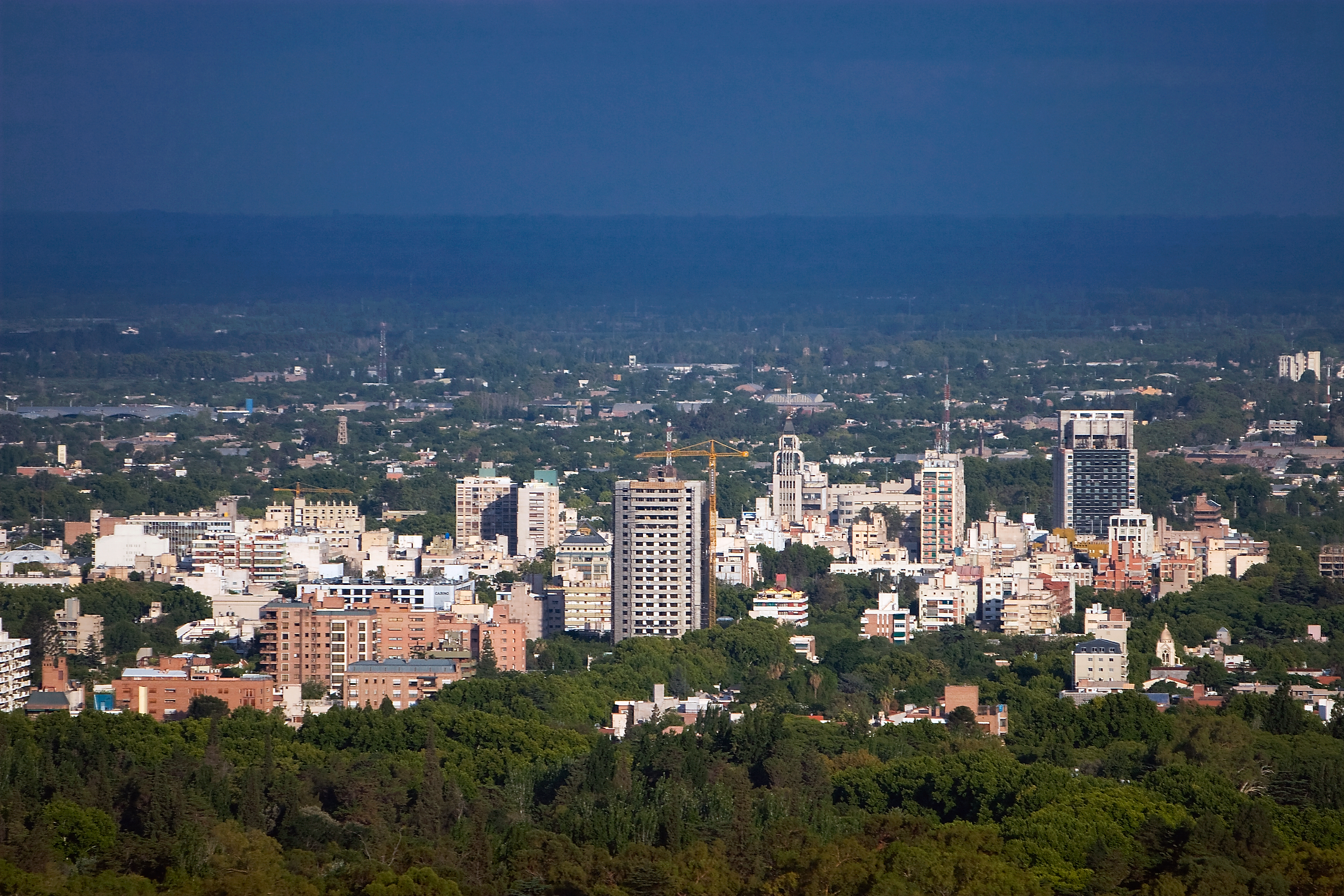
🏙️ Best Cities in Argentina for Digital Nomads

Getting the income story straight before you apply
The $2,000/month threshold as of 2026 is not the hard part. The hard part is making six months of bank statements tell a story that matches your contract, your invoices, and your personal statement without anyone at the consulate having to connect dots you left unconnected.
Officers reviewing these files aren't auditing your income, they're checking whether your paperwork agrees with itself. If your contract says you're a full-time remote employee but your bank statements show four different deposit sources with inconsistent amounts, that's a freelancer's income pattern wearing an employee's paperwork, and it invites questions you don't want asked in an interview setting. If you're self-employed, the invoices and the deposits need to line up in timing and amount closely enough that a skim-reader doesn't have to slow down.
The more common error is sequencing, not substance. People pull their six months of statements too early, before they've stabilized a clean pattern, and then have to explain a gap or a dip from three months back that has nothing to do with their current situation but still needs explaining. If you know you're applying, start treating your account like evidence about ninety days out. Consolidate where the money lands. Avoid the month where a friend pays you back for a shared trip and it shows up as an unexplained $1,800 deposit sitting next to your client payments.
Self-employed applicants should also expect more scrutiny than salaried remote employees, simply because the paper trail is thinner by nature: a contract is one document, invoices are many, and many documents means many places for a mismatch to hide. If you invoice under a business name that doesn't match your personal bank account, resolve that before you submit, not during the interview when you're explaining it live.
The apostille and certified-translation requirement adds a step people underestimate on timing. Documents issued outside Argentina, if not in Spanish, need certified translation, and foreign-issued documents need apostille or consular legalization. Neither of these happens overnight, and both need to happen before the rest of the file makes sense to submit.
The housing requirement people get wrong
Proof of a residential address sounds like a formality until you're standing in a migration office trying to explain why your address on file doesn't match anything else in your file. This is where a surprising number of otherwise clean applications stall.
The mistake is booking a short-term rental or hostel for the first week, using that address to satisfy the entry requirement, and then quietly moving to a different apartment once something better turns up, without updating anything. Migration paperwork doesn't care that you found a nicer place. It cares that the address on your application matches the address you can actually document if asked. A lease under your name, a utility bill, even a formal letter from a landlord confirming the arrangement, these carry weight that a booking confirmation from a rental platform doesn't carry the same way.
The people who handle this cleanly do one of two things. Either they secure a lease before or immediately upon arrival and use that from the start, or they accept that they'll apply from a temporary address and are prepared to update it formally once they've settled, rather than letting the paperwork quietly go stale. What doesn't work is treating the address field as a box to check once and never revisit.
There's a related trap around bank accounts. A local account is required, and people sometimes open one with a temporary address, then move, and end up with a bank record and a migration record that disagree about where they live. Untangling that after the fact costs more time than getting it right up front would have. If you're going to move within your first months, do the address paperwork twice properly rather than once carelessly.
None of this is about proving you have great housing. It's about proving your paperwork is internally consistent, which is the theme running under almost every rejection story with this visa.
After approval, the six months that actually start the clock
The gap that catches people is between having an approved visa and holding something you can actually use day to day. Depending on whether you started the process from outside Argentina through the pre-authorization portal or converted from a tourist entry already in the country, the sequence of steps to finish differs, but the endpoint is the same: an initial permit lasting six months, renewable rather than automatically extending.
If you began outside the country, pre-authorization gets you cleared to enter and finish the process on arrival, it does not hand you a finished permit before you land. If you were already in Argentina on a tourist entry and converted in-country, you're dealing with the National Directorate of Migration directly, and the paperwork you present at that stage needs to be the same clean, consistent file described above, because this is where it gets checked against reality rather than against a checklist.
Processing generally runs two to three weeks once your file is in, which is fast by the standards of most digital nomad visas globally, but that window starts only once everything is actually submitted correctly, not from the day you decide to apply. People who treat the two-to-three-week window as their total runway and book flights accordingly sometimes find themselves waiting on a missing translation or an apostille that didn't arrive in time, and the visa clock hasn't started yet because the file wasn't complete.
Once the initial six months are up, renewal is its own submission, not an extension you request by email. Whatever changed in your income documentation, your address, or your client list needs to be reflected honestly in the renewal file, because it's evaluated close to fresh. Treating renewal as a rubber stamp because the first approval went smoothly is a mistake worth avoiding out loud: it wasn't automatic the first time either, it just felt that way because the file was clean.
The long-term path, and why the paper version overstates it
On paper, a renewable visa sounds like a runway toward something more permanent. In practice, this visa is not built as a bridge to residency in the way some countries structure their nomad programs. It resets in six-month blocks, and nothing in its structure requires that the government treat cumulative time on it as progress toward permanent status.
That doesn't mean permanent residency is impossible in Argentina, it means this specific visa isn't the vehicle for it in any way you should plan around before it's confirmed. If your actual goal is a path to settling permanently, budget your decision-making around the idea that this visa buys you time in the country, not standing toward a longer-term status. People who assume otherwise tend to find out only when they go looking for the next step and discover the ladder doesn't connect the way they assumed.
This matters most for people financing their move around a specific multi-year plan, retirement relocations especially. If your five-year plan requires a country where a set number of years on your current visa converts cleanly into permanent status, build that plan around a different visa category or a different country, and treat the digital nomad visa as what it actually is: a comfortable, low-friction way to spend a year or two somewhere before deciding what comes next. For a lot of the remote workers this page is written for, that's an honest fit. For someone already committed to Argentina long-term, it's worth having the harder conversation about which visa category actually gets them there before investing a year into this one.
Argentina versus the obvious alternative
The comparison most people run in their head is Argentina against a European digital nomad visa, usually Portugal or Spain, because those show up in every "best countries for remote work" list. The honest version of that comparison isn't about lifestyle, it's about what each government is actually asking of you on paper and what it's giving back.
Argentina's income bar, $2,000/month as of 2026, is low relative to what most of the European options require, and the fee, $200 as of 2026, is modest by comparison too. That's the appeal for someone whose income sits toward the lower end of the $4,000 to $10,000 range this page assumes, or someone who wants to test a country without a heavy financial commitment. The interview requirement and the apostille and translation burden add friction on the front end, but that friction is procedural, not financial. It costs time and organization, not money.
Where Argentina asks for less is exactly where it gives back less. A six-month permit that renews rather than accumulates means you're recommitting on a shorter cycle than most European nomad visas, which more often run a year or longer between renewals and sometimes count toward residency in ways this one doesn't. If your priority is minimizing how often you have to reassemble a document file, a longer initial permit elsewhere might be worth the higher income threshold it demands.
The decision comes down to what you're optimizing for in the next year. If it's low commitment, low cost, and a genuine test run in a country with a strong case for quality of life relative to price, Argentina's terms make sense as they stand. If you're already fairly sure you want multiple years somewhere and would rather do the paperwork less often, the renewal cadence here is the detail that should push you toward comparing the alternative seriously rather than defaulting to whichever country has better marketing.
Work Permissions
Application Steps
- 1
📋 Confirm nationality eligibility
1 day
- 2
📄 Gather proof of remote work
1-2 weeks
- 3
📄 Secure Argentine address proof
3-7 days
- 4
📄 Legalize foreign documents
1-2 weeks
- 5
📬 Submit application online or in-country
Same day
- 6
⏳ Wait for processing approval
2-3 weeks
- 7
🏛️ Complete in-country registration
1-2 days
This visa requires proof of health insurance. Compare international plans before you apply.
Compare health insuranceWe may earn a commission at no cost to you.
Compare this visa
Curated comparisons that include this route.
Frequently Asked Questions
Click any question to expand the answer.
Ready to Apply?
Work with trusted visa specialists who handle the paperwork so you can focus on your move.
Get help with this visa →* We may earn a commission if you apply through our link
At a Glance
Last verified: October 9, 2026