Difficulty
Moderate
Duration
12 months
Overview
Argentina’s Rentista Visa targets people who can prove at least 1,500 USD/month in passive income from outside Argentina, such as rental income, stock or ETF dividends, interest, or royalties. Local employment is not allowed: you cannot work for an Argentine employer, but you can own a business or work independently for non‑Argentine clients, fitting the “owner” and “self_employed” categories listed in the visa’s rules. A retiree drawing 2,500 USD/month from a US brokerage account or rental property qualifies on paper; earned salary from a foreign employer does not align with the “passive” income requirement and is risky as a primary proof source.
Status is a 12‑month temporary residence, renewable (“Renewable: Yes”) as long as the 1,500 USD/month threshold and documentation are maintained. The program leads to permanent residency after 2 years, so a FIRE couple who maintains qualifying income through two renewals can position themselves for PR relatively quickly compared to systems like Portugal’s old D7 (which often took 5 years). Years to citizenship aren't fixed, so anyone targeting an Argentine passport has to treat that as an open‑ended horizon rather than a firm 5‑ or 10‑year plan.
Physical presence rules require at least 183 days per year, and maximum consecutive absence is not specified. Practically this makes the visa less predictable for someone planning to split time, say 6 months in Argentina and 6 months in Mexico, because the immigration side requires at least 183 days of physical presence per year. Anyone trying to ride the edge of presence requirements has to get written guidance locally, especially if permanent residency at the 2‑year mark matters.
Friction is moderate: the bureaucracy score is 1.425 / 5, so paper‑chasing is present but not extreme. FBI background check, medical exam, and interview are not required, though apostilles and a local bank account are required, which sets Argentina apart from programs like Costa Rica’s Rentista that demand both apostilles and large 2‑year deposits. Processing time can vary, so you cannot anchor planning on a 30‑ or 90‑day promise; anecdotal reports suggest you should be psychologically prepared for a few months of back‑and‑forth.
This path makes most sense if you have at least 1,500–3,000 USD/month in verifiable foreign passive income, do not need local employment, and value a 2‑year route to permanent residency over ultra‑fast processing. It is a poor fit if your main income is active remote salary, you need the legal ability to work for an Argentine employer, or you cannot tolerate uncertainty around exact physical presence thresholds.
Eligibility Requirements
Any nationality can apply for the Argentina Rentista Visa in principle, as the structured rules list nationality restrictions as “all,” meaning there is no published country list that is excluded. Applicants from sanctioned or diplomatically tense countries such as Iran, Syria, North Korea, Cuba, or Russia can still be theoretically eligible, but they often encounter practical issues opening Argentine bank accounts, moving funds through correspondent banks, or getting a consulate to accept and process applications smoothly. Before assembling a full document package, confirm current eligibility and consular practice with Dirección Nacional de Migraciones (Argentina’s national immigration authority) or the specific Argentine consulate where you intend to file.
Min Age
18 yrs
practical
Duration
12 months
Physical Presence
183 days/yr
Passive / Investment Income
Business Owner · Self-Employed
Max 0% from local sources
Requirements Checklist
0 of 23 documents in hand
0%These take the longest, so start them first.
Request these while the slow items are in progress.
You only need these on the day you submit.
How and where to apply
Applications can be submitted at Argentine consulates abroad or in-country at Dirección Nacional de Migraciones offices after entering on a tourist visa. Many expats apply in-country for convenience. No nationality restrictions apply universally.
Tax Information
Local tax picture
Argentina uses a worldwide income tax regime for tax residents, despite many relocation blogs casually describing it as territorial. That means an Argentina tax resident is, by law, taxable on global income: foreign rental profits, ETF dividends from a US brokerage, bond interest, and foreign pension distributions all fall into the tax net in principle, even though enforcement in practice is uneven. Local employment income, self‑employment income connected to Argentina, and Argentine‑source business income are fully taxable under normal rules.
Capital gains on foreign investments, such as selling index funds or ETFs held in a US or Canadian brokerage, are in scope for Argentina tax residents under the worldwide regime. Public English‑language guidance on the exact rates and brackets for foreign portfolio capital gains is fragmented and not publicly specified in a clean, authoritative way, so you have to treat these gains as potentially taxable rather than exempt under any territorial logic. Anyone planning to harvest large gains after becoming resident should get written Argentine tax advice before doing so.
Tax residency is generally triggered once you meet an Argentina domestic definition of residence, which conventionally uses a 183‑day presence threshold, but the structured facts here do not publicly specify the exact day count or mechanics. Residency can also be inferred from establishing a permanent home or center of vital interests in Argentina, so relying purely on a day‑counter app is unsafe if you move your life there. Local procedures usually involve obtaining a CUIT or CUIL tax number and registering with AFIP; filing deadlines and first‑year declaration requirements are not disclosed in the provided data and must be confirmed on the ground.
No tax treaty status is recorded in the facts (marked “unknown”), so you cannot assume a comprehensive US–Argentina income tax treaty that would, for example, reduce withholding on dividends or allocate taxation rights on pensions. There is no Social Security totalization agreement between the US and Argentina, so US Social Security contributions and eligibility continue under US rules only. In practice, this “unknown” treaty status means you should expect normal US withholding and no automatic relief through a bilateral treaty until you have specific confirmation.
For US Citizens and Green Card Holders
US citizens and green card holders remain fully taxable on worldwide income regardless of the Argentina Rentista Visa or local tax status. For earned income from remote work, consulting, or self‑employment, the Foreign Earned Income Exclusion (FEIE) via Form 2555 can shelter up to 126,500 USD of earned income in 2024, indexed for inflation in later years. FEIE does not apply to passive income: ETF dividends, capital gains, interest, rental income, pension distributions, or Social Security benefits remain fully taxable to the IRS even if Argentina taxes them as well.
To use FEIE, you must meet either the Physical Presence Test (330 full days outside the US in any 12‑month period) or the Bona Fide Residence Test. The Rentista Visa can support a bona fide residence argument if you genuinely relocate and center your life in Argentina, but many FIRE users with this visa also travel heavily, so the 330‑day physical presence route is often the more reliable safe harbor. Remote‑workers using this visa need to track days carefully if they want FEIE on consulting income while spending part of the year in the US.
Foreign Tax Credits (FTC) via Form 1116 matter when Argentina effectively taxes the same income stream that the US taxes, at a meaningful rate. If Argentina ends up taxing your foreign dividends, capital gains, or rental income as a tax resident, FTC can offset US tax on those same items, up to the US rate. If, in practice, your Argentina effective rate on foreign passive income is near zero—because you are not yet treated as tax resident or have little reportable income there—the FTC gives no relief, and the US bill on those income streams stands.
FBAR (FinCEN Form 114) reporting kicks in once the aggregate balance of your non‑US financial accounts exceeds 10,000 USD at any point in the year, regardless of income. If you open an Argentine bank account or brokerage as part of living on this visa, those balances count toward the 10,000 USD threshold. Form 8938 (FATCA) may also apply at higher thresholds (starting at 50,000 USD for many single filers), and non‑willful FBAR penalties start at 10,000 USD per year, per violation, making compliance non‑optional.
A US person using the Argentina Rentista Visa should budget for two specialists: a US expat‑focused CPA who understands FEIE, FTC, FBAR, and Form 8938, and a local Argentine tax advisor who can clarify residency triggers, registration with AFIP, and actual treatment of foreign passive income. The 1,500–3,000 USD spent in year one on that combined advice generally pays for itself in avoided penalties, correct elections, and a coherent cross‑border plan for dividends, capital gains, and retirement withdrawals.
Living in Argentina
COL Index vs NYC
35.7
Monthly Cost (excl. rent)
$752
1BR Rent (City Center)
$600
Safety Index
36.6
Healthcare Index
68.0
Quality of Life Index
118.0
Time Zone
UTC-03:00
Capital
Buenos Aires
Population
46.0M
Official Languages
Spanish
Avg Internet Speed
110 Mbps
Public Transit Quality
Good
With a budget covering rent and living costs, you'd need roughly $1,352/mo for a comfortable single-person lifestyle in Argentina.See how far your money goes →
🏙️ Best Cities in Argentina for Passive Income Residents
 61
61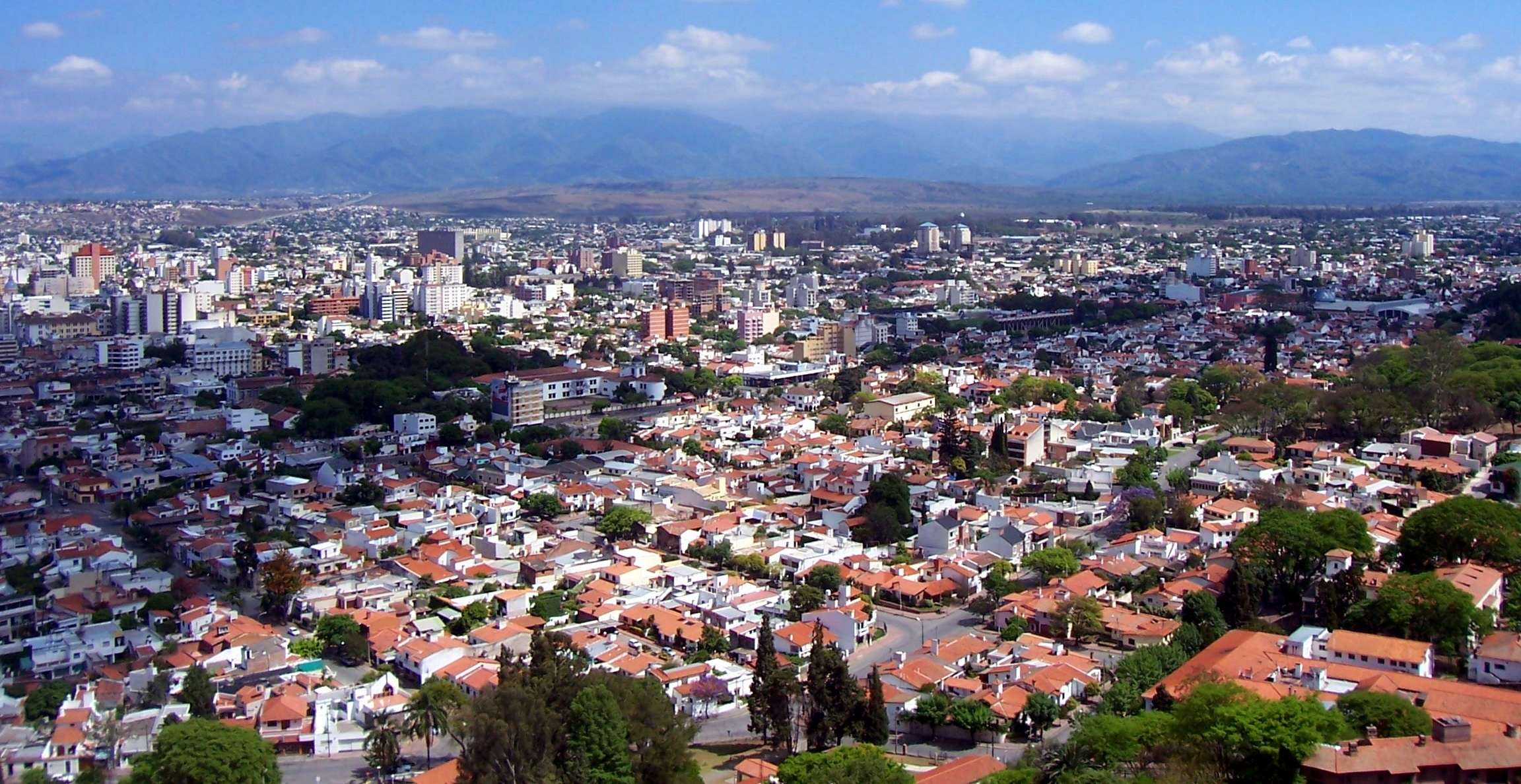 63
63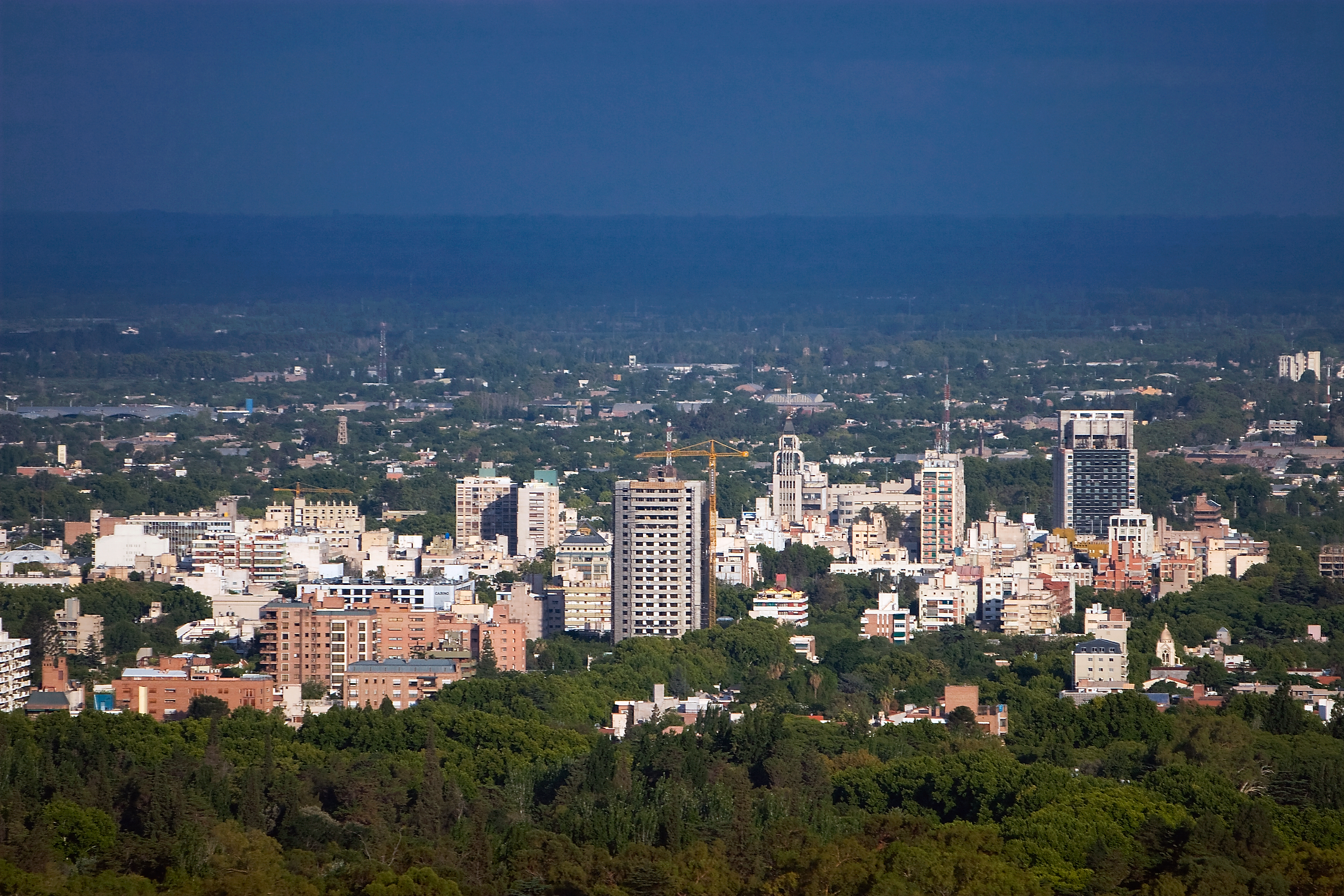 68
68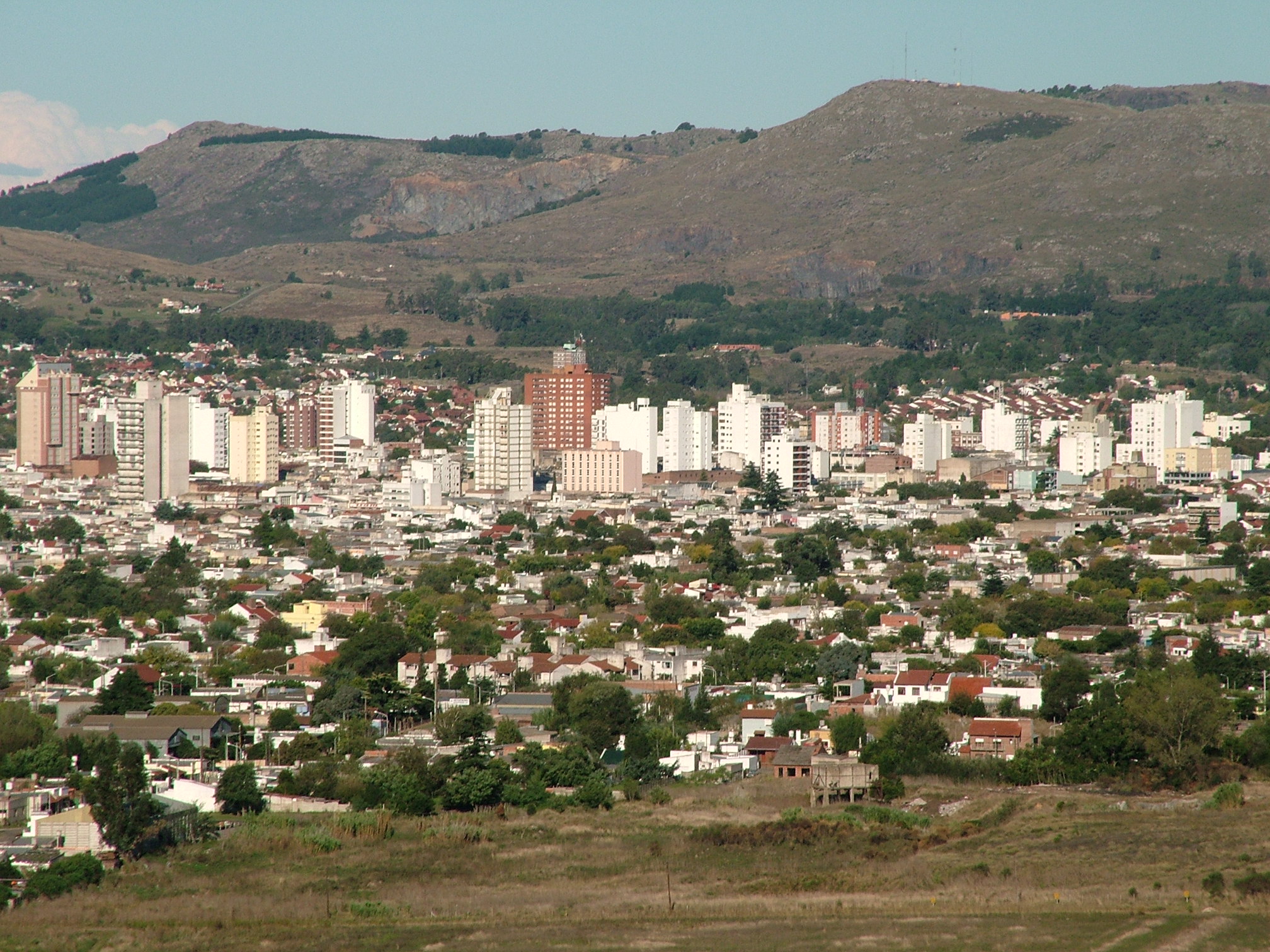 63
63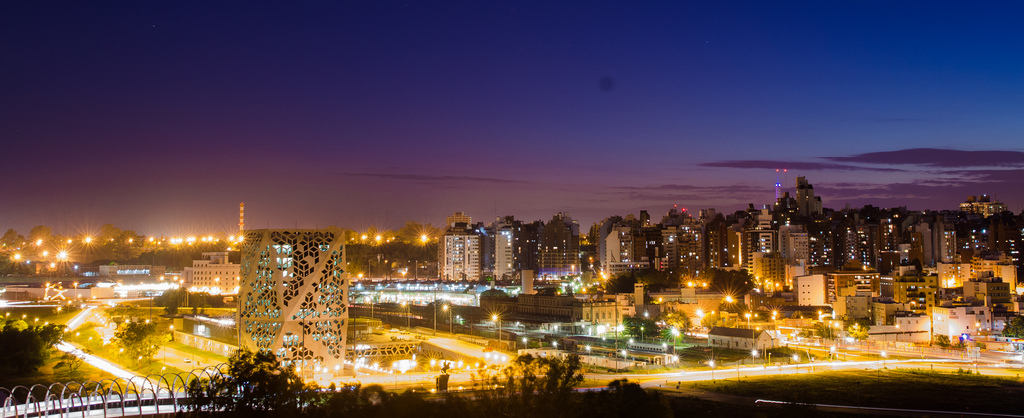 72
72The accommodation requirement and how people get it wrong
Where you file changes what "accommodation" actually means, and this is the detail that trips up more applicants than the income threshold does. File at a consulate before you leave the US, and you're being asked to prove an address in a country you haven't lived in yet, which usually means a lease signed sight unseen or a landlord letter for a property you've never seen in person. File in-country after entering on a tourist visa, which is what a lot of people end up doing, and the address requirement becomes something you can walk into a rental office and solve in a week.
The mistake shows up most with people who treat a hotel booking as sufficient proof of address because it's technically a place they're staying. It satisfies the letter of the requirement in some cases, but immigration offices reviewing an application meant to establish residency want something that looks like residency, not tourism. A short-term corporate rental with a real lease, even a three-month one, holds up better than a hotel confirmation stretched to cover the filing window. If your accommodation is a friend's or partner's apartment, the support letter from them needs to read like it's confirming a living arrangement, not doing you a favor for the paperwork.
The Certificado de Domicilio, when requested, adds another layer that people underestimate: it's issued locally and requires you to already be established at the address in question, which means it can't be rushed the week before your appointment. Anyone planning to file in-country should treat securing housing as the first move after landing, not something to sort out once the visa paperwork is underway. The two processes run better in that order than in parallel.
What actually happens after you land
Applicants can go two routes, and the one you pick shapes the entire experience of the next twelve months. Filing through an Argentine consulate abroad means dealing with the full document set before you ever set foot in the country, which is slower but gets you arriving with residency already in motion. Filing in-country, after entering on a tourist visa, is what a large share of people choose, largely because it lets you handle banking, housing, and the local non-criminal record certificate on the ground instead of by mail or courier from another continent.
Neither route requires an interview, which removes one of the more stressful variables other residency programs build in. What you get at the end of a successful filing is a temporary residence permit valid for twelve months. That's not a formality stamp, it's the actual legal status you'll be living under for the first year, and it needs active renewal before it lapses. The renewal isn't automatic, and letting it slide because you're mid-move or traveling is the kind of oversight that turns a smooth residency into a legal mess.
Local work isn't permitted under this status, which matters more than it sounds like it should. If your passive income dips or you're tempted to take on paid work locally to bridge a gap, doing so puts the whole basis of your residency in question, since the visa exists specifically because you're not supposed to need local income. People underestimate how literally this gets enforced. The permit is built around a declared income source, and that source is expected to keep functioning exactly as documented, not evolve into something else once you're settled.
The long-term path, on paper and in practice
Two years is the number that shows up for both permanent residency and citizenship, which looks unusual on paper and trips people up when they assume one has to precede the other by a longer stretch. In practice, the number that actually governs your timeline isn't the calendar, it's the presence requirement. Argentina expects you physically in the country roughly 183 days each year to maintain your status, and that requirement is the one people blow past the calendar milestone on. Someone who spends half the year in Buenos Aires and the other half hopping between the US and a third country on paper meets the two-year mark but hasn't actually satisfied the presence behind it, and that gap surfaces at renewal or at the permanent residency application, not before.
This is where the rentista visa quietly filters for a certain kind of applicant. It rewards people who are actually relocating, not people optioning a legal foothold while living somewhere else most of the year. If the plan involves treating Argentina as a home base you touch a few months a year, the timeline to permanent residency and eventually citizenship stretches out indefinitely, regardless of what the paperwork says is possible. Anyone serious about the two-year path should think of it less as a waiting period and more as a residency requirement with a filing deadline attached.
Dependents included on the visa follow the same clock, which is worth factoring in for a family where the timeline itself is part of the decision, school years and lease commitments included.
The judgment call against Portugal's D7
Portugal's D7 is the visa most people weighing Argentina's rentista against, and the comparison usually comes down to what you're optimizing for. Portugal buys EU access and Schengen mobility, which matters enormously if the plan involves treating Europe as a base for further movement. Argentina buys a lower income bar, no interview, and a path that in practice moves faster for people who file in-country and are willing to commit to actual presence.
Where Argentina loses the comparison is exactly where the presence requirement bites: if your life still runs partly on US time zones and periodic travel back for family or work reasons, 183 days is a real constraint that a Schengen-based option handles more flexibly given the surrounding countries you can dip into without leaving the zone. Where Argentina wins is speed to a livable outcome. No interview means fewer points of failure, and a market with lower housing costs relative to income means the same passive income stretches considerably further day to day.
The honest way to make this call isn't which country has better weather or lower taxes, it's whether you're building a residency you intend to actually live inside for a couple of years or a legal option you want to hold loosely while your life stays mobile. Argentina rewards the former. It punishes the latter slowly, through renewal friction and a presence requirement that doesn't bend, rather than through an outright rejection at the border.
Work Permissions
Application Steps
- 1
📋 Research eligibility and gather info
1-2 days
- 2
📄 Collect identity and financial documents
1-2 weeks
- 3
📅 Book immigration appointment
1 week
- 4
📬 Submit visa application
1 day
- 5
⏳ Wait for approval
- 6
🏛️ Register upon arrival in Argentina
1-2 weeks
- 7
📋 Plan for renewal after 12 months
1 month prior
This visa requires proof of health insurance. Compare international plans before you apply.
Compare health insuranceWe may earn a commission at no cost to you.
Compare this visa
Curated comparisons that include this route.
Frequently Asked Questions
Click any question to expand the answer.
Ready to Apply?
Work with trusted visa specialists who handle the paperwork so you can focus on your move.
Get help with this visa →* We may earn a commission if you apply through our link
At a Glance
Last verified: October 9, 2026