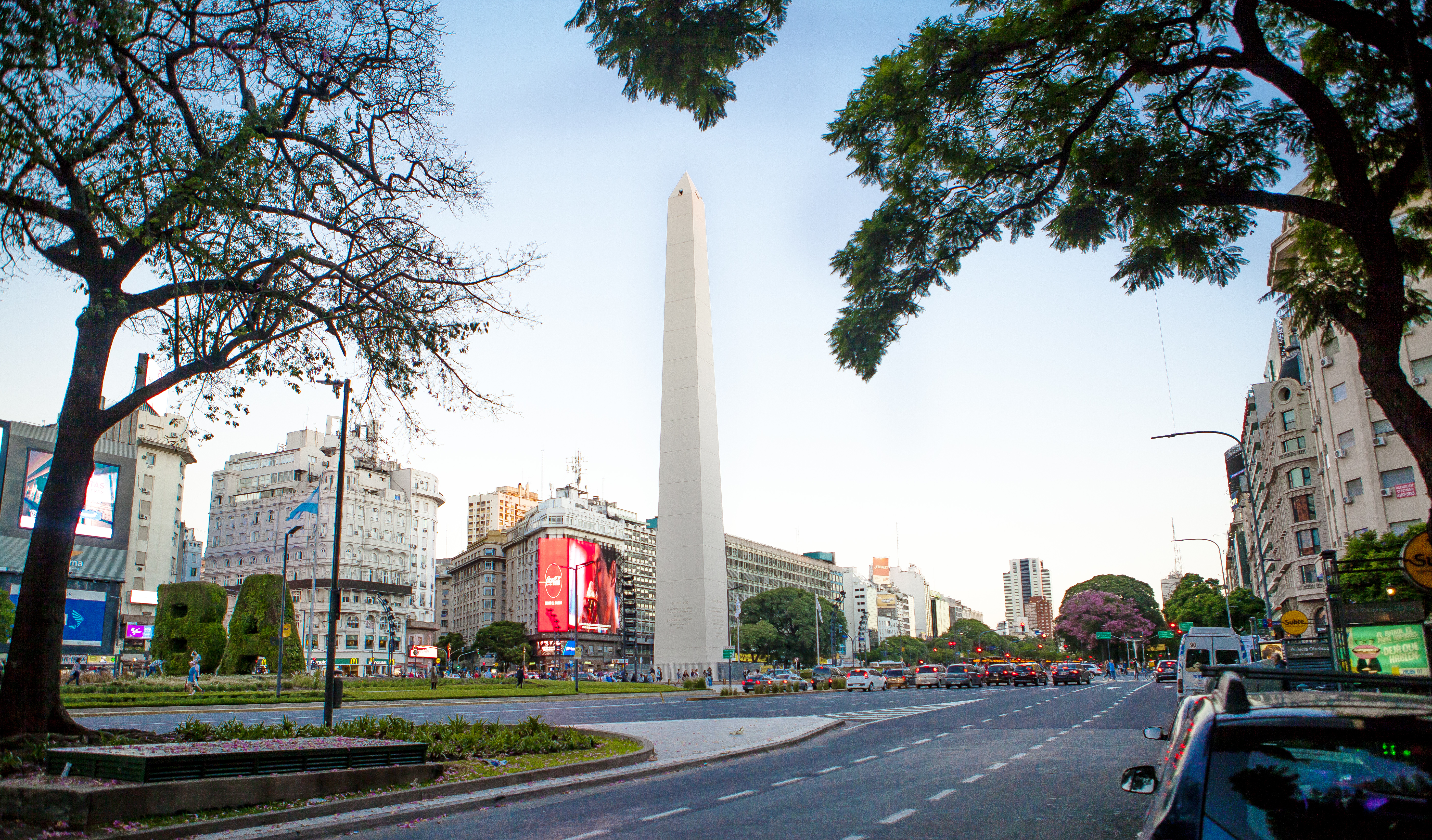
Buenos Aires, Argentina Hero Image
Wikipedia Contributor, CC BY-SA

Buenos Aires, Argentina

🏛️ Capital City🌊 Coastal

Data updated Oct 8, 2026

Follows Argentina Residency Rules. Check Digital Nomad & Retiree Pathways →

📊 Scores

70
FIRE
59
Retiree
73
Digital Nomad

Best fit: Digital Nomad (score: 73)

Buenos Aires sits on the western shore of the Río de la Plata at just 25 m above sea level, a sprawling capital of 3.1 million people in a humid subtropical climate with hot summers and mild, damp winters. The timezone is America/Argentina/Buenos_Aires, and the city's rhythm shifts with the seasons, from sweltering January afternoons to cool, misty July mornings. Expats tend to cluster in Palermo, Recoleta, and Belgrano, three neighborhoods that offer a mix of tree-lined streets, cafes, and easy access to public transport. Palermo draws a younger, creative crowd, Recoleta has a more polished, historic feel, and Belgrano is quieter and family-friendly. Wherever you land, the city's 78 Mbps average internet speed keeps remote work practical.

Living costs here are moderate by global standards, with a cost of living index of 51/100 against New York City at 100. A one-bedroom apartment in the city centre rents for $771/mo, while outside the centre it drops to $510/mo. Three-bedroom units run $1,572/mo in the centre and $1,186/mo outside it. For a single adult, a budget tier totals $794/mo including rent, a mid-range tier $1,232/mo, and a comfortable tier $1,699/mo. Excluding rent, a single person spends about $750/mo and a family of four about $2,200/mo. Utilities average $212/mo, internet $31/mo, and a mobile phone plan $25/mo. A monthly public transport pass costs $28/mo and a gym membership $50/mo. Eating out is affordable: an inexpensive restaurant meal is $19 per person, a mid-range three-course meal for two is $65, and a cappuccino is $4. Local wages, however, are modest, with an average monthly net salary of $938/mo, so many expats earn in foreign currency or work remotely.

Safety in Buenos Aires is a mixed picture. The safety index is 45/100 and the crime index is 55/100, meaning petty theft and street crime require vigilance, especially in crowded areas and at night. Air quality is decent, with an index of 42 where lower is better. Healthcare quality is rated Good, and the city has a large and active expat community that can help newcomers navigate the system. English proficiency is common in tourist areas, though Spanish remains essential for daily life and bureaucracy. The overall expat score is 73/100, with a digital nomad score of 73/100, a FIRE score of 70/100, and a retiree score of 59/100.

For longer stays, Argentina offers the Argentina Rentista Visa, which requires a minimum monthly income of $1,500/mo, and the Argentina Digital Nomad Visa, which requires $2,000/mo. The nearest airport is EPA, 17 km from the city. Buenos Aires suits remote workers, digital nomads, and budget-conscious expats who want a European-style capital at a fraction of Western costs, though retirees may find the safety index and local wages less appealing. With a large expat network and a cost of living index of 51/100, it rewards those who arrive with a flexible income and a willingness to adapt.
Estimate the cost of moving to Buenos Aires, Argentina

Get a free moving cost estimate for moving to Buenos Aires, Argentina. Takes 10 seconds.

How much are you shipping?

When are you moving?

Powered by Sirelo. Free quotes from international movers.

🏚️ Cost of Living

💰 Budgets and Costs

$1,320/mo, one person, rent included
Selected: mid-range lifestyle

Buenos Aires on a mid-range budget comes to about $1,320 a month for one adult, with $510 of that going to rent. Beyond rent the estimate covers $206 on groceries, $190 on dining out, $117 on entertainment and lifestyle, $269 on utilities and connectivity and $28.00 on transport.

Rent

$510/mo

1BR outside the centre

Groceries

$206/mo

Staples basket scaled to a full month

Dining out

$190/mo

10 inexpensive meals

Entertainment & lifestyle

$117/mo

gym, 2 cinema trips, 12 cappuccinos

Utilities & connectivity

$269/mo

utilities, mobile, internet

Transport

$28.00/mo

Monthly pass

Budgets (excl. rent)

Single person$810/mo

Excludes rent. The total above is all-in, rent included.

Estimates for one adult, built from this city's average prices and the usage shown for each tier. Your spending will differ with how often you eat out and where you live.

A 1BR in the center runs about $770.79/mo. If your income is in another currency, bank FX fees add up. A multi-currency account can cut that cost.

See low-fee transfers

We may earn a commission at no cost to you.

See how Buenos Aires's cost of living compares with Medellín

Be the first to report costs in Buenos Aires

Share

🛡️ Safety & Crime

45
Safety Index

(Higher is safer)

55
Crime Index

(Lower is safer)

Buenos Aires feels relatively cosmopolitan and walkable in central neighborhoods like Recoleta, San Telmo, and Palermo, but petty theft, pickpocketing, and bag snatching are genuine concerns—especially on public transport and in crowded areas. Avoid La Boca, Villa Miseria, and outer southern zones after dark. Violent crime against expats is uncommon, but scams targeting foreigners (fake taxis, ATM skimming, rental fraud) are frequent. The city's economic instability and occasional protests can disrupt daily life. For a 30-65 expat with street awareness and sensible precautions, it's manageable; it's not a high-risk posting, but it requires vigilance and isn't as secure as Western Europe.

Buenos Aires has a safety index of 45/100. Petty theft and lost belongings are the most common problems for newcomers. Compare travel insurance before you go.

Compare travel insurance

We may earn a commission at no cost to you.

🏥 Healthcare

Good
Public Hospitals
Yes
Private Clinics
Yes
English-Speaking Doctors
Available

See how Buenos Aires's healthcare compares with Medellín

🌤️ Climate

Summer Temp
29°C
Winter Temp
8°C
Humidity
72%
Air Quality Index
42

Best Months

AprMaySepOct

Climate Notes

Humid subtropical climate with hot summers and mild, damp winters.

💻 Digital Nomad

Avg Internet Speed
78 Mbps
Internet (monthly)
$31/mo
Coworking Availability
Abundant
Coworking Spaces Nearby
28
Digital Nomad Score
73/100

Community Notes

A bustling Latin American hub with vibrant coworking spaces.

Coworking Spaces

NameNotes
Area TresLocated at 5218 Godoy Cruz, Palermo. Hours: Mo-Fr 08:30-20:00.
Freedom CoworkLocated at Av. Santa Fé 2459, Buenos Aires.
Hit CoworkLocated at 3550 Avenida Dorrego, Buenos Aires.
Hit CoworkLocated at 8620 Avenida Del Libertador, Núñez.
Hit CoworkingLocated at Av. del Libertador 8620, Buenos Aires.
Huerta CoworkingLocated at Tucumán 439, Buenos Aires.
HUERTA CoworkingLocated at 815 Humboldt, Buenos Aires.
JOIN COWORKINGLocated at Cuba 2737, Nuñez.
Page 1 of 4

Names, locations and hours can change. Check each space's website before you visit. Places from © OpenStreetMap contributors and Foursquare Open Source Places (Apache 2.0).

Planning to live in Buenos Aires long-term? Argentina Digital Nomad Visa lets remote workers live legally with a minimum income of $2,000/month.

View full requirements →

Working remotely from Buenos Aires? Nomad health insurance covers you across borders, month to month.

See nomad insurance

We may earn a commission at no cost to you.

See how Buenos Aires's digital nomad life compares with Medellín

🧳 Expat Life

English Proficiency
Common in Tourist Areas
Expat Community
Large & Active
Top Neighborhoods
Palermo, Recoleta, Belgrano
Banks Nearby
556
ATMs Nearby
133

Expat Life Notes

The Paris of the South. A culturally rich city that is currently very affordable for those earning in USD/EUR.

Pros

  • ✓ Beautiful architecture
  • ✓ Vibrant nightlife
  • ✓ Lower cost of living currently

Cons

  • ✗ Economic instability
  • ✗ Safety issues (pickpocketing)
  • ✗ Bureaucracy

🏘️ Neighborhoods in Buenos Aires

Areas of Buenos Aires that expats often consider.

Conditions can change from one block to the next, and these descriptions are general guides, not safety assessments. Before choosing where to stay or live, check current travel advisories, talk to people who live there, and visit in person if you can.

Palermo

Trendy, vibrant, diverse, walkable

Palermo is Buenos Aires' largest and most popular neighborhood for expats and digital nomads. It's known for its trendy restaurants, bars, boutiques, and green spaces. While generally safe, petty theft can be an issue, and prices are often higher than in other areas.

Recoleta

Elegant, upscale, European-style

Recoleta is one of the city's most affluent neighborhoods, characterized by its grand architecture, parks, and cultural attractions like the Recoleta Cemetery. It's a good choice for retirees seeking a quieter, more refined environment, but expect higher living costs. Excellent public transportation options are available.

Belgrano

Residential, family-friendly, green spaces

Belgrano is a large, primarily residential neighborhood with a mix of apartments and houses. It's popular with families and offers a more relaxed atmosphere than Palermo or San Telmo. It has good transportation links and plenty of parks, making it a comfortable option for long-term living.

Villa Crespo

Up-and-coming, authentic, less touristy

Villa Crespo is a rapidly developing neighborhood with a more local feel than Palermo. It offers a mix of traditional businesses and trendy cafes and restaurants. It's a good option for those seeking a more authentic Buenos Aires experience at a slightly lower cost, but English proficiency is less common.

Page 1 of 2

Could living/working in Buenos Aires cut years off your work life?

With a 1-bedroom in the center at $771/mo, your FIRE number here might be much lower than you think.

Calculate My FIRE Date →

🛂 Visa Options for Argentina

Many long-stay visas require proof of health insurance. Compare international health plans before you apply.

Compare health insurance

We may earn a commission at no cost to you.

🛂

Earning over $2,000/mo? You may qualify for a Argentina visa.

Answer 11 questions and get a personalized match in under 2 minutes.

Find My Visa →

More Cities to Consider instead of Buenos Aires

FAQ

Frequently Asked Questions about Buenos Aires

Click any question to expand the answer.

Buenos Aires has a population of approximately 3,121,707 people.
A single person can expect to spend around $1,927 per month in Buenos Aires, including rent. A 1-bedroom apartment in the city center costs approximately $771/month.
The nearest airport to Buenos Aires is EPA, approximately 16.9km away.
Buenos Aires is considered moderate in terms of safety, with a safety index of 45.0. As with any city abroad, expats should research specific neighborhoods before committing to a location.
Buenos Aires has an average internet speed of 78 Mbps. It is considered a well-established digital nomad destination.
Buenos Aires has a safety index of 45, which is middling — petty theft and phone snatching are common in most neighborhoods, and you'll need to stay alert in crowded areas and on public transit. Violent crime exists but is concentrated in specific outer districts. Most expats in Palermo, Recoleta, or Belgrano report feeling reasonably safe with basic precautions, though the situation can shift with economic downturns.
Argentina has multiple exchange rates, and the official rate is significantly worse than the 'blue dollar' (informal) rate, which has historically been 50–100% higher. Most expats exchange dollars informally through legal-gray-area methods like 'cuevas' or crypto platforms. This is how dollar-earners stretch their money so far. The rules change frequently with each government, so you need current, on-the-ground advice — not information that's six months old.
Argentina is relatively open to granting residency — there are pathways for retirees, remote workers, and those with Argentine-born relatives — but the process is slow and document-heavy. Expect apostilled documents, certified translations, multiple in-person appointments at Migraciones, and waits of six months to over a year. Many expats live on tourist visa runs (90-day stays) for years before formalizing. A local immigration lawyer costs $300–600 and is worth every peso.
Buenos Aires can be very affordable, especially if you're earning in USD. Expect to pay around $800-$1500 USD per month for rent in a nice neighborhood like Palermo or Recoleta, and groceries are significantly cheaper than in the US. Dining out is also very reasonable, with excellent meals available for $10-$20 USD.
Argentina doesn't have a specific digital nomad visa yet, but many remote workers enter as tourists and then explore residency options. You can stay for 90 days as a tourist, which can be extended for another 90 days. Some people pursue a rentista visa, which requires proof of sufficient passive income.
The healthcare system in Buenos Aires is generally very good, with both public and private options. Many doctors speak English, especially in private clinics and hospitals in areas like Palermo and Belgrano. Private health insurance is relatively affordable and provides access to a wider range of specialists.
Generally, neighborhoods like Recoleta, Palermo, and Belgrano are considered safe for expats. However, petty theft can be an issue in touristy areas, so it's always wise to be aware of your surroundings. Avoid walking alone late at night in less well-lit areas.
While learning some Spanish will greatly enhance your experience, it's possible to get by in Buenos Aires with English, especially in tourist areas and expat communities. Many restaurants and shops have English-speaking staff, but you'll likely need Spanish for more everyday interactions.
ATMs are readily available, but fees can be high, and withdrawal limits are often low. It's best to use ATMs from major banks like Banco Nación or HSBC. Consider opening a local bank account if you plan to stay long-term, but be aware of the paperwork involved.
Internet speed in Buenos Aires is generally good, especially in more modern neighborhoods. You can expect speeds suitable for video conferencing and other remote work tasks. Coworking spaces are also available with reliable internet and a professional environment.
Buenos Aires has a large and active expat community, making it easy to connect with other foreigners. There are numerous Facebook groups, meetups, and social events catering to expats. You'll find plenty of opportunities to make friends and build a social network.
Buenos Aires has a temperate climate with four distinct seasons. Summers (December-February) are hot and humid, while winters (June-August) are mild. Spring and autumn are pleasant, with comfortable temperatures. Be prepared for rain throughout the year.
Buenos Aires has an excellent public transportation system, including buses (colectivos), subways (subte), and trains. The SUBE card is required for payment. It's an affordable and efficient way to get around the city, although it can be crowded during peak hours.
As a US citizen, you're still required to file US taxes even when living abroad. You may be able to exclude a certain amount of your foreign-earned income using the Foreign Earned Income Exclusion (FEIE). Also, be aware of FBAR reporting requirements for foreign bank accounts.
Yes, retiring early in Buenos Aires on $2,500 USD per month is definitely feasible, and you could have a comfortable lifestyle. You'd likely be able to afford a nice apartment, healthcare, and enjoy dining out regularly. It's all about budgeting and taking advantage of the favorable exchange rate.
The quality of life in Buenos Aires is generally high, even if you're not fluent in Spanish. The city offers a vibrant culture, delicious food, and a relaxed pace of life. While some interactions may require patience or translation apps, you can still enjoy a fulfilling and enjoyable experience.
To maximize savings, focus on renting outside the most touristy areas like Palermo Soho. Shop at local markets (ferias) for fresh produce. Take advantage of free cultural events and activities. Cook at home more often, and explore local transportation options instead of taxis.
Argentina's investment climate can be volatile, so proceed with caution. Some FIRE individuals explore real estate investments, but it's crucial to understand the local market and regulations. Investing in USD-denominated assets can provide a hedge against currency fluctuations.

Share This Guide