Central Xangongo
Bustling commercial and residential
The heart of Xangongo, offering access to markets, shops, and government services. Primarily Angolan residents; limited English spoken. Walkable for daily errands, but expect noise and traffic.
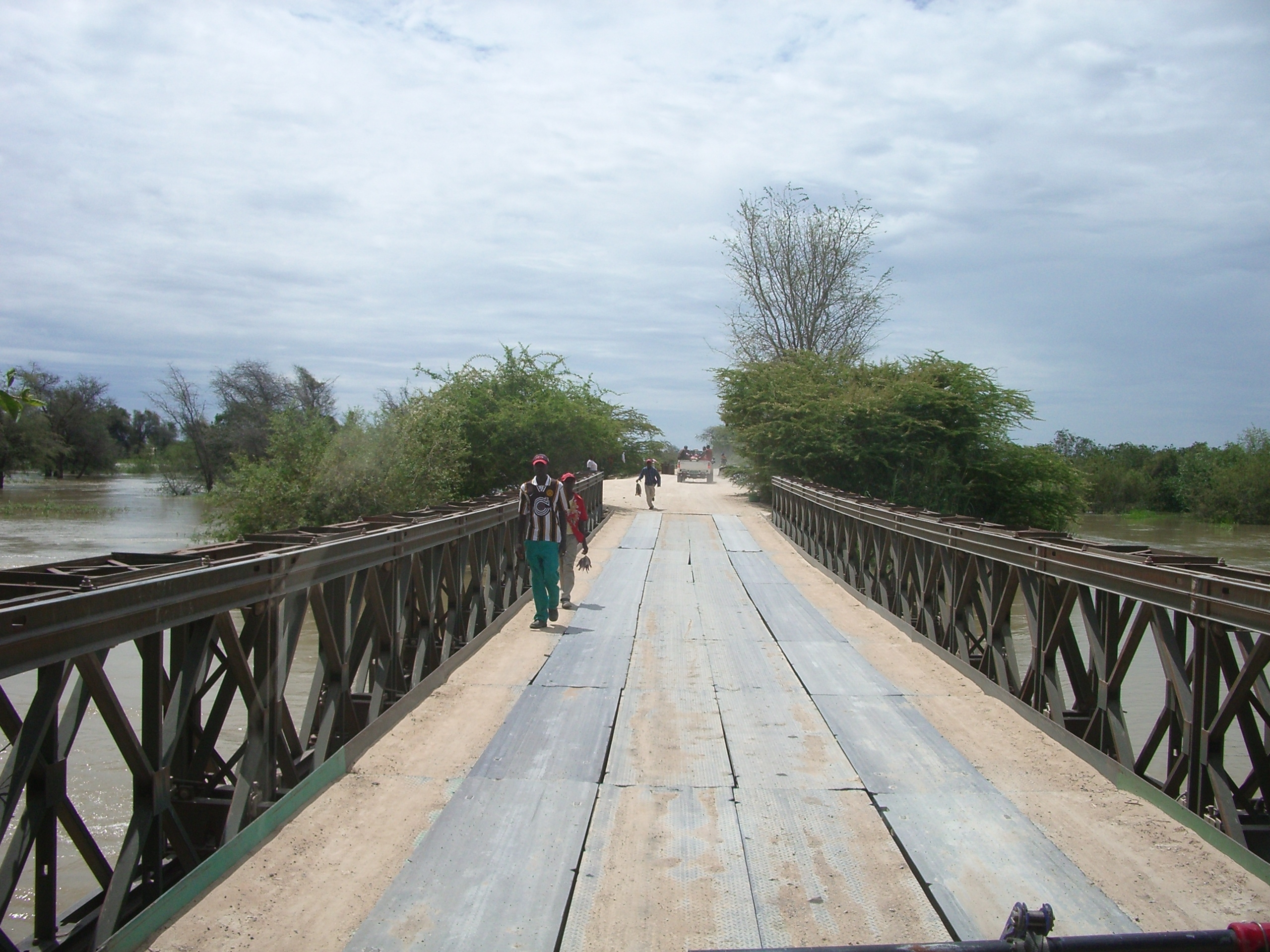
Best fit: FIRE / Geoarbitrage (score: 71)
Xangongo sits in southern Angola at 1,050 m above sea level, where the climate is arid and the timezone is Africa/Luanda. The population is 35 thousand. The nearest airport is XGN, 10 km away. Expats who settle here tend to choose neighborhoods based on proximity to the town center, though specific neighborhood names are not part of the available information.
Living costs are low by global standards. A one-bedroom apartment in the city centre rents for $280/mo, while a three-bedroom in the same area goes for $520/mo. A single person can expect monthly costs excluding rent of $480/mo, and a family of four faces $1,550/mo excluding rent. The cost of living index is 30/100, with New York City set at 100. Average internet speed is 13 Mbps.
Safety requires attention. The safety index is 35/100, and the crime index is 65/100, where lower is safer. Healthcare quality is poor. The air quality index is 45, where lower is better.
Visas are subject to standard immigration rules, and no specific programs are named here. Arrival is via XGN, 10 km from town. With an overall expat score of 71/100, a FIRE score of 73/100, a retiree score of 39/100, and a digital nomad score of 46/100, Xangongo suits budget-focused expats and those pursuing financial independence, while retirees and digital nomads may find the limited English proficiency and poor healthcare challenging.
Get a free moving cost estimate for moving to Xangongo, Angola. Takes 10 seconds.
How much are you shipping?
When are you moving?
Powered by Sirelo. Free quotes from international movers.
A 1BR in the center runs about $280/mo. If your income is in another currency, bank FX fees add up. A multi-currency account can cut that cost.
See low-fee transfersWe may earn a commission at no cost to you.
See how Xangongo's cost of living compares with Luau
(Higher is safer)
(Lower is safer)
Xangongo is a small, remote city in southern Angola with limited infrastructure and significant safety concerns for expats. Petty theft, armed robbery, and carjacking occur, particularly after dark and in less developed areas. Gang activity and occasional violent crime are present. Medical emergencies and security incidents can be difficult to address due to limited resources. Expats should avoid displaying wealth, use trusted transportation, and maintain low visibility. This city is not recommended for those seeking a comfortable, secure retirement or remote work environment.
Xangongo has a safety index of 35/100. Petty theft and lost belongings are the most common problems for newcomers. Compare travel insurance before you go.
Compare travel insuranceWe may earn a commission at no cost to you.
See how Xangongo's healthcare compares with Luau
Xangongo experiences a hot semi-arid climate with significant temperature variations between summer and winter, and limited air quality concerns due to low industrial activity.
Remote and challenging area, suitable for adventurous nomads.
| Name | Notes |
|---|---|
| Regus Lubango | While technically in Lubango (a larger city nearby), Regus offers a reliable coworking option with standard amenities like high-speed internet and meeting rooms. It's a good choice for those seeking a professional environment and a familiar brand, even if it requires a commute from Xangongo. |
| Ideas Hub Lubango | Located in Lubango, Ideas Hub provides a more community-focused coworking experience. It's a good option for digital nomads looking to connect with local entrepreneurs and creatives, offering a more affordable alternative to Regus. Check their Facebook page for the most up-to-date information. |
Names, locations and hours can change. Check each space's website before you visit. Places from © OpenStreetMap contributors and Foursquare Open Source Places (Apache 2.0).
Working remotely from Xangongo? Nomad health insurance covers you across borders, month to month.
See nomad insuranceWe may earn a commission at no cost to you.
See how Xangongo's digital nomad life compares with Luau
Areas of Xangongo that expats often consider.
Conditions can change from one block to the next, and these descriptions are general guides, not safety assessments. Before choosing where to stay or live, check current travel advisories, talk to people who live there, and visit in person if you can.
Bustling commercial and residential
The heart of Xangongo, offering access to markets, shops, and government services. Primarily Angolan residents; limited English spoken. Walkable for daily errands, but expect noise and traffic.
Scenic, relaxed, developing area
Areas close to the river offer a more relaxed atmosphere and potential for scenic views. Development is ongoing, so infrastructure may be limited. Primarily residential, with fewer amenities compared to the center.
Quiet, affordable, local living
The outskirts offer the most affordable housing options and a glimpse into local Angolan life. Transportation is essential as walkability is low. Expect limited services and minimal English spoken.
Residential, practical, community-focused
Proximity to the hospital means relatively better infrastructure and access to basic services. Predominantly residential, with a strong sense of community. Limited English, but a practical choice for long-term living.
With a 1-bedroom in the center at $280/mo, your FIRE number here might be much lower than you think.
Click any question to expand the answer.
Cost-of-living and visa updates for Xangongo and the rest of Angola. Free with RA Postcards.
By submitting your email address, you will receive a free subscription to RA Postcards and special offers from Rewire Abroad and our affiliates. You can unsubscribe at any time, and we encourage you to read more about our Privacy Policy.