Difficulty
Moderate
Duration
12 months
Overview
Orientation Year (Zoekjaar) in the Netherlands is a 12‑month residence permit aimed at highly educated non‑EU graduates who want to work, freelance, or start a business locally. From a financial-qualification standpoint, no minimum income or savings threshold has been published for this visa, though the IND requires proof of sufficient funds, generally around one year of living expenses,, and no investment amount is disclosed. The application fee is set at 280 USD, and health insurance is required from day one, but there is no legal requirement to open a Dutch bank account. That makes it attractive if your main constraint is bureaucratic rather than financial.
Once granted, the permit runs for 12 months and is explicitly not renewable: you get one 1‑year shot per completed degree or research track, then you must move to another Dutch residence category (such as highly skilled migrant, startup, self‑employed, or regular employment) or leave. This permit does not count toward permanent residence or Dutch citizenship, nor any “years to PR” or “years to citizenship” timeline. Treat this as a bridge-year: viable as an entry ramp, not as a long‑term residency solution by itself.
Work rights are a core differentiator: local work is allowed, and the permitted employment types are unusually broad for a 12‑month permit. You can be on payroll (w2 equivalent), work as a contractor, own a Dutch company, or operate as self‑employed. There is no disclosed cap on local income. The Netherlands does not publicly restrict income sources under this visa, so you can combine local earnings with foreign dividends, rental income, or pensions, but only the local work angle is explicitly structured into this permit type.
On the process side, the bureaucracy score is a low 1.05 / 5, which reflects how light the documented requirements are: no FBI background check, no apostille, no medical exam, and no interview requirement Applications are handled by the IND, with an indicative processing time of up to 12 weeks, so this is not a last‑minute move. You need valid health insurance but not a Dutch bank account, and the permit is valid for a fixed 12‑month duration with no extension.
For a concrete fit: this makes the most sense if you’re a non‑EU graduate willing to commit one full year in the Netherlands to convert that into a longer‑term permit via local work or entrepreneurship, while paying 280 USD and tolerating up to 12 weeks of processing. It is a poor fit if your plan is a 5–10‑year geo‑arbitrage stay with no intention of switching into a follow‑on residence category once the 12 months are up.
Eligibility Requirements
EU and EEA citizens do not need the Netherlands Orientation Year Visa (Zoekjaar); they rely on free‑movement rights to live and work in the Netherlands without this permit. The target pool for this visa is non‑EU nationals: Americans, Canadians, Australians, New Zealanders, Britons post‑Brexit, as well as Indians, other Asian nationals, and Latin Americans who meet the education criteria.
EEA countries (Norway, Iceland, Liechtenstein) and Switzerland often cause confusion. For Dutch immigration purposes, Norway, Iceland, and Liechtenstein are treated like EU, and Swiss citizens enjoy similar free‑movement‑type rights; they do not normally use this orientation‑year category. By contrast, UK nationals lost EU free movement after Brexit and now sit squarely in the non‑EU group that can apply for Zoekjaar if they meet the academic conditions.
Dual nationals who hold any EU or EEA citizenship (for example US–Irish, Canadian–Italian, or Australian–German) should present and use their EU passport for Dutch residency. That route bypasses this 12‑month visa entirely, removes the 280 USD application fee and 12‑week processing constraint, and plugs you directly into the more flexible EU free‑movement framework, which is the stronger legal position for living and working in the Netherlands long term.
Duration
12 months
W2 Employee (foreign employer) · 1099 Contractor · Business Owner · Self-Employed
Requirements Checklist
0 of 11 documents in hand
0%These take the longest, so start them first.
Request these while the slow items are in progress.
You only need these on the day you submit.
How and where to apply
If you already live legally in the Netherlands, apply directly online through the IND (Immigration and Naturalisation Service) portal at ind.nl. If you have completed your education abroad and are still living there, you must first apply for a provisional residence permit (MVV) through the Dutch embassy or consulate in your country of residence, then submit your residence permit application together with the MVV application. Once you receive approval, you collect your residence card from the designated IND office in the Netherlands.
Tax Information
Local tax picture
The Netherlands taxes residents on worldwide income under a residence‑based regime, not a territorial or remittance system. Once you are considered a Dutch tax resident during your 12‑month Orientation Year (Zoekjaar), local salary from a Dutch employer, contractor fees for work performed from the Netherlands, and self‑employment income are all fully taxable under the Dutch box system. Foreign passive income (dividends from ETFs in a US brokerage, rental income from property abroad, foreign bank interest) is also brought into scope for residents through the wealth‑tax‑style rules, rather than being exempt as in territorial systems.
For FIRE readers: if you sell index funds or ETFs held in a foreign brokerage while tax‑resident in the Netherlands, the treatment falls under Dutch rules for investment/wealth rather than a simple capital‑gains schedule, and there is no blanket exemption for foreign capital gains; they are not exempt under territorial rules. Box 3 taxes deemed investment returns at a flat 36% rate, with an exempt threshold of EUR 59,357 per person for 2026. Non‑residents who only hold the visa but never trigger Dutch tax residence are taxed more narrowly, mainly on Netherlands‑source income.
The Netherlands does not use the visa itself as an automatic tax-residency trigger. In practice, the 183‑day presence rule, plus where your primary home and economic interests are, determines residency. Someone spending most of the 12‑month duration physically in the Netherlands, working and renting housing locally, should assume Dutch tax residency. Registration with the municipality (for a BSN) normally leads to tax obligations, and you are expected to file an income tax return if you have Dutch‑source or worldwide income while resident.
The Netherlands and the United States have an income tax treaty to prevent double taxation and fiscal evasion. The Netherlands in reality has a broad tax treaty network, treaty protection specifically covers Social Security, dividends, and pensions under Article 17 and related provisions.
For US Citizens and Green Card Holders
US citizens and green card holders on an Orientation Year visa remain taxable by the US on worldwide income, regardless of Dutch status. Three tools matter:
- Foreign Earned Income Exclusion (FEIE, Form 2555)
- Foreign Tax Credit (FTC, Form 1116)
- Foreign account reporting (FBAR, FinCEN 114, plus FATCA Form 8938 where applicable)
FEIE via Form 2555 only shields earned income: Dutch salary, contractor payments, and self‑employment income you generate while in the Netherlands. For 2026, the exclusion cap is 132,900 USD. It does not cover ETF dividends, capital gains when you rebalance or liquidate your portfolio, US pension distributions, or Social Security benefits. Because the Orientation Year is a pure 12‑month residence, the Physical Presence Test (330 full days abroad in any rolling 12‑month window) is often easier to satisfy than the more subjective Bona Fide Residence Test, but many FIRE users staying nearly the full year could arguably qualify under either if they commit to the Netherlands as their main base.
Form 1116 Foreign Tax Credit only helps where Dutch tax on a given income stream is greater than zero and higher than the corresponding US tax. If you are tax‑resident in the Netherlands and paying Dutch income/wealth taxes on salary and investments, FTC will often be more valuable than FEIE for high earners above 132,900 USD. For foreign passive income that the Netherlands actually taxes, FTC can offset US liability; if some income is untaxed in the Netherlands (for instance before you become resident), there are no Dutch credits to claim, so FTC does nothing.
FBAR (FinCEN 114) kicks in once your aggregate foreign financial accounts exceed 10,000 USD at any point in the calendar year. The visa rules indicate a local bank account is not legally required, but most residents still open at least one Dutch account for payroll or rent; that, plus any foreign brokerage or savings accounts, count towards the 10,000 USD threshold. Non-willful FBAR penalties start at approximately 16,700 USD per violation (2026 inflation-adjusted figure), separate from income tax issues. FATCA Form 8938 has higher thresholds but often applies for FIRE‑level portfolios.
In practice, anyone combining this 12‑month Dutch stay with significant ETF holdings, rental properties, or business income should coordinate between two professionals: a US CPA who specializes in expat returns, FEIE, FTC, FBAR, and FATCA, and a Dutch tax advisor who can handle registration and local filings. The 1,500–3,000 USD spent in year one on this cross‑border planning typically pays for itself through avoided penalties and a more efficient FEIE/FTC mix.
Living in Netherlands
COL Index vs NYC
60.5
Monthly Cost (excl. rent)
$1,177
1BR Rent (City Center)
$1,674
Safety Index
73.1
Healthcare Index
79.3
Quality of Life Index
211.3
Time Zone
UTC+01:00
Capital
Amsterdam
Population
18.5M
Official Languages
Dutch
Avg Internet Speed
344 Mbps
Public Transit Quality
Excellent
With a budget covering rent and living costs, you'd need roughly $2,851/mo for a comfortable single-person lifestyle in Netherlands.See how far your money goes →
🏙️ Best Cities in Netherlands for Digital Nomads
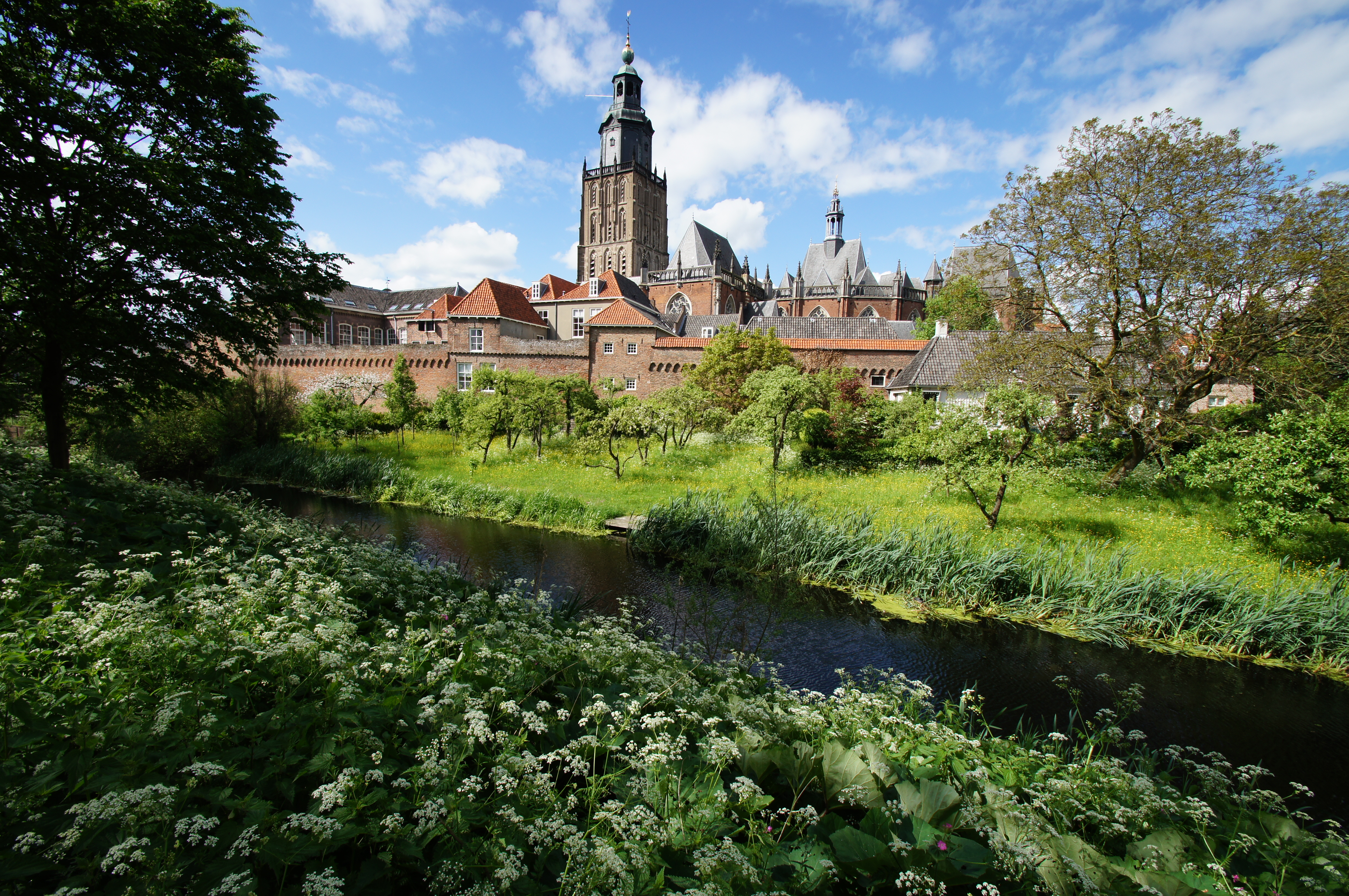 ✦ 81
✦ 81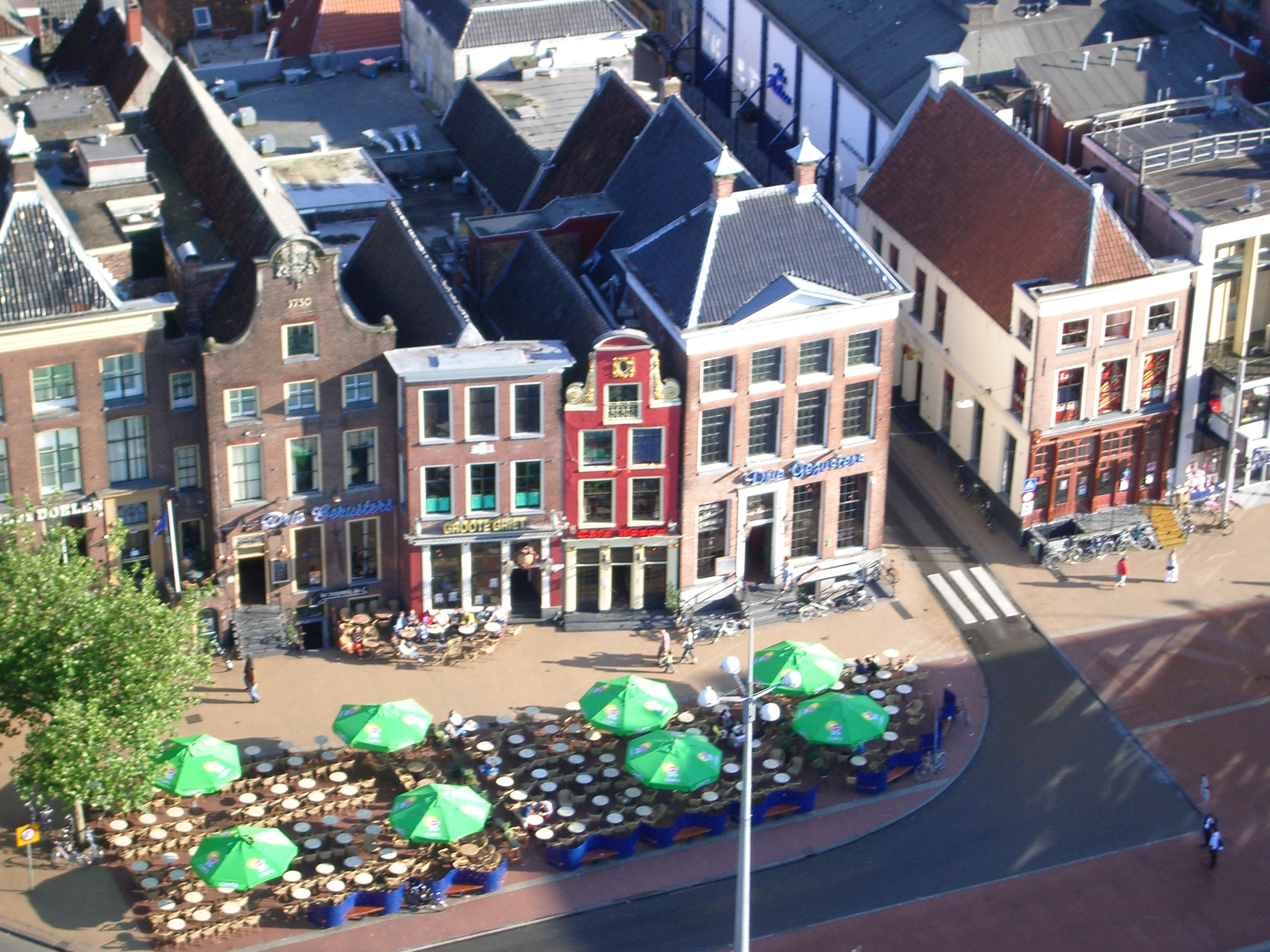 ✦ 82✦ 81
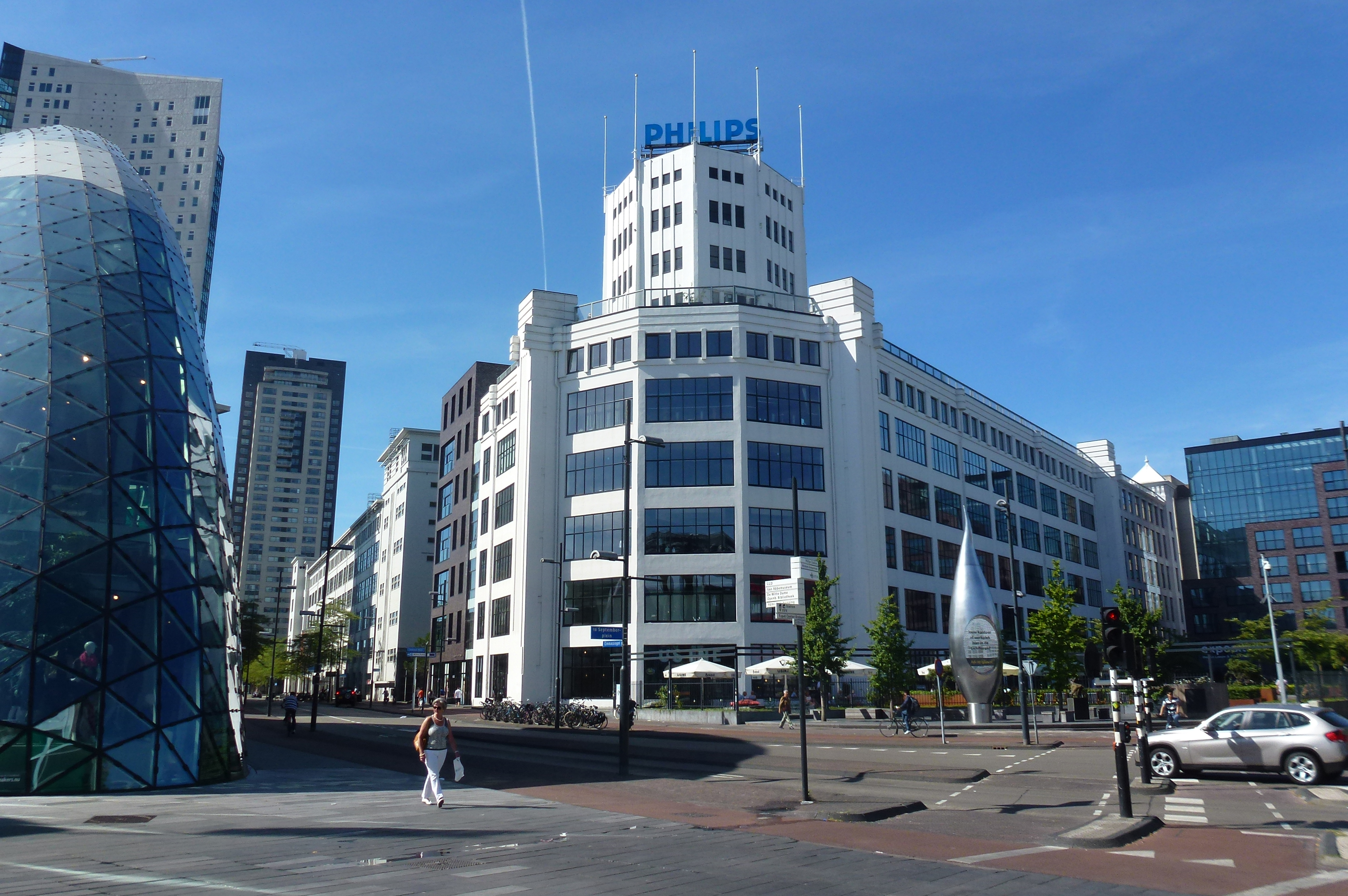 ✦ 84
✦ 84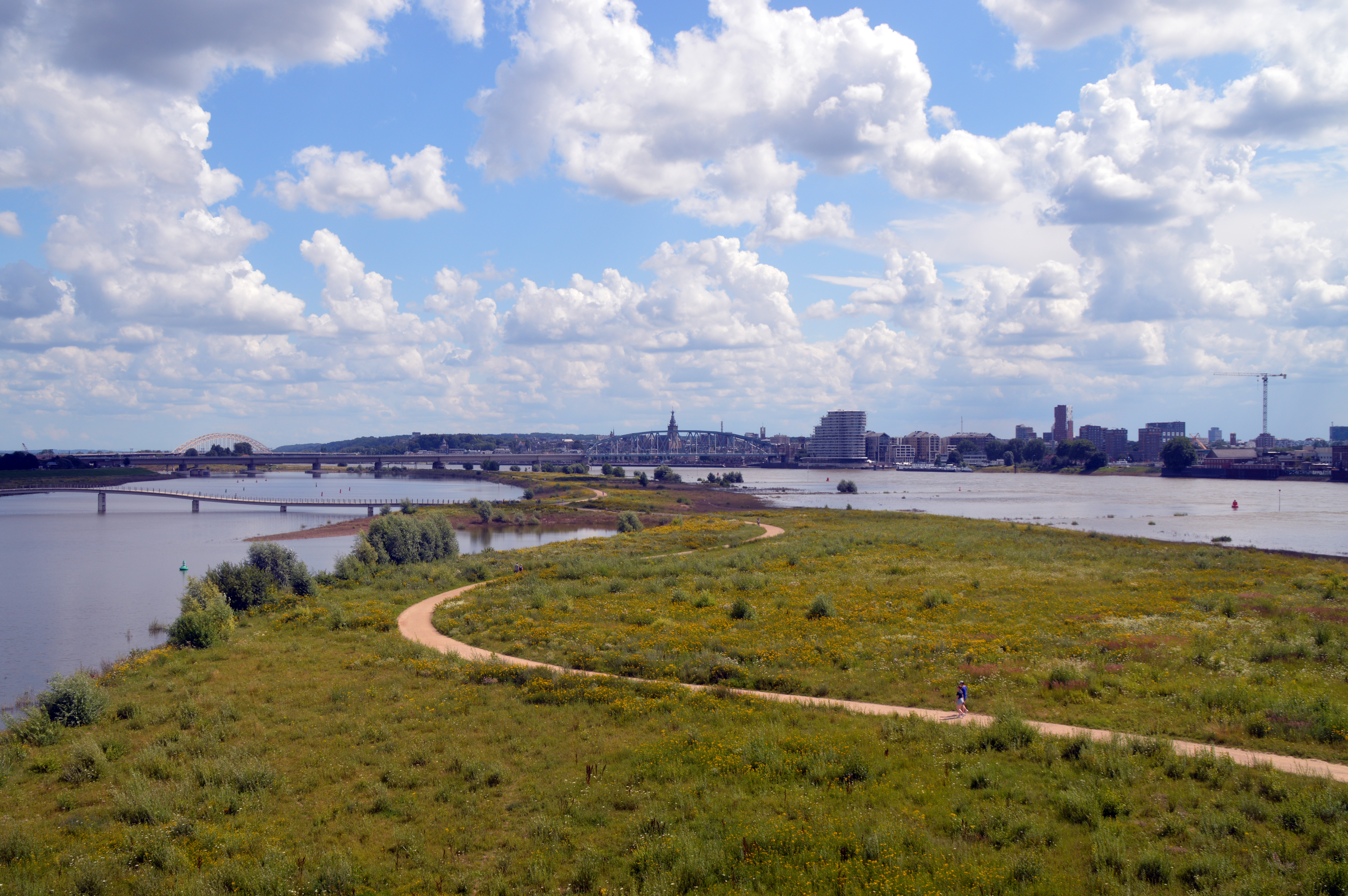 ✦ 86
✦ 86 ✦ 79
✦ 79The housing requirement and how people get it wrong
Accommodation proof for this visa is conditional, requested rather than mandatory in every case, which means applicants tend to swing to one extreme or the other. Some sign a twelve-month lease from abroad before they've set foot in the country, locking themselves into a rental in a city they haven't confirmed will have the job market they're hoping for. Others show up with nothing lined up at all, assuming they'll sort housing out once the visa clears and figuring the IND won't ask.
Neither instinct serves you well. A signed long lease looks tidy on paper but creates a mismatch if your actual arrival date shifts, which happens constantly with MVV processing timelines. A host declaration or a short-term, address-registered arrangement, the kind that gets you through BRP registration without committing you to a year of rent in a city you might leave, tends to hold up better and gives you room to move once you're actually job hunting on the ground.
The real rejection point isn't usually the accommodation document itself, it's the mismatch between what the address proof claims and what your travel or registration timeline actually shows. A rental confirmation dated for a start date that doesn't line up with your MVV collection window, or a host letter written in a language outside the accepted set without a certified translation attached, creates exactly the kind of paperwork friction that stalls a file even when nothing about the underlying situation is actually a problem. Get the timeline internally consistent across every document before you submit, not just each document individually correct.
What actually happens after you land
Approval of the residence permit isn't the finish line, and treating it as one is where people lose weeks they didn't plan for. If you're applying from outside the Netherlands, the sequence runs through an MVV at the embassy or consulate in your country of residence first, submitted alongside the residence permit application itself. Only after that clears do you travel, and only once you're physically in the Netherlands do you collect the actual residence card from a designated IND office. There's a real gap between "the MVV came through" and "I am holding the card that lets me register, open accounts, and function normally," and that gap is where people underestimate how much dead time they're building into their first weeks.
If you're already living in the Netherlands legally on another basis, the process is more direct: you apply through the IND portal without the embassy step. That route removes one layer of sequencing risk but doesn't remove the waiting. There's no interview built into this process, which sounds like a convenience and mostly is one, but it also means there's no moment where a caseworker talks to you and can clear up a small paperwork inconsistency on the spot. Everything gets resolved through the portal or by mail, so a document that raises a question can sit for a while before anyone flags it back to you.
Budget for the twelve weeks of minimum processing time as a floor, not a target, and don't book flights or notify a landlord back home until the MVV or permit decision is actually in hand.
What the long-term path requires in practice
On paper, the orientation year is exactly what its name says: twelve months, not renewable, no route to permanent residency built into it. What that means in practice is that the entire visa is a countdown to a different application, one governed by rules that have nothing to do with the orientation year itself. You need a job offer, and that offer needs to come from an employer positioned to sponsor whatever permit you're converting into, typically the highly skilled migrant route or another employer-tied permit with its own salary thresholds and sponsorship requirements.
The sequencing mistake is starting that search too late. Job hunting takes months in most markets, and Dutch hiring cycles are not fast. If you spend the first several months settling in, registering, finding your footing, and only start seriously job hunting at month six or seven, you're compressing a process that already runs tight into an unworkable window. The people who make this work start applying for roles before they've even collected their residence card, and they start pre-qualifying employers on whether they're set up to sponsor a work permit at all, because plenty of otherwise reasonable Dutch employers have never sponsored anyone and don't want to start with you.
There's also no cushion once the twelve months run out. This isn't a visa where you can quietly extend while you finish out an interview process. If the follow-on permit application isn't filed and moving before the clock runs down, you're leaving, offer or no offer.
The call against the more obvious alternative
If you already have a job offer in hand from a Dutch employer willing to sponsor you, skip the orientation year entirely and go straight for the work permit tied to that offer. It's a more direct route, it doesn't burn a non-renewable, non-permanent year first, and it puts you on a status that's actually building toward something rather than counting down. The orientation year only makes sense for the specific situation where you have the qualifying degree but not yet the offer, and where being physically present in the Dutch job market, going to interviews in person, networking locally, matters more to your odds than applying blind from abroad.
For someone earning steady income from US clients who's weighing this against just staying remote and untethered, the calculation is different again. This visa doesn't reward remote work, it tolerates it while you look for something else. If the goal is actually to keep working remotely indefinitely rather than transition into Dutch employment, this is the wrong tool, and a visa built around ongoing remote income rather than a graduate job search will serve you better. The orientation year is a bet on getting hired locally within a fixed window, not a lifestyle visa, and it should only be chosen by people making that specific bet.
Work Permissions
Application Steps
- 1
📋 Verify your eligibility and gather proof
1-2 weeks
- 2
📄 Prepare required documents and financial proof
1-2 weeks
- 3
📅 Obtain provisional residence permit if applying from abroad
4-8 weeks
- 4
📬 Submit application to IND online portal
Same day
- 5
📅 Attend biometric appointment at IND office
2-4 weeks after submission
- 6
⏳ Wait for IND decision and approval
12 weeks
- 7
🏛️ Collect residence card and register locally
Same day to 1 week
- 8
🏛️ Open Dutch bank account and register for taxes
1-2 weeks
- 9
🏛️ Begin job search or business development
Ongoing throughout year
- 10
🏛️ Secure employment or finalize business registration
Before month 12
This visa requires proof of health insurance. Compare international plans before you apply.
Compare health insuranceWe may earn a commission at no cost to you.
Compare this visa
Curated comparisons that include this route.
Frequently Asked Questions
Click any question to expand the answer.
Ready to Apply?
Work with trusted visa specialists who handle the paperwork so you can focus on your move.
Get help with this visa →* We may earn a commission if you apply through our link
At a Glance
Last verified: October 9, 2026