Application Fee
$1,000
Difficulty
Moderate
Duration
120 months
Overview
Who this visa is actually built for
The Mauritius Occupation Permit for the self-employed isn't a remote-work visa wearing a fancier name. It's a business-registration instrument that happens to let you keep working with clients anywhere in the world. The $50,000 (USD) capital requirement is the tell: this permit assumes you're bringing money to deploy in Mauritius, not just a laptop and a client roster. If your plan is to keep freelancing for the same three US companies you've always billed and simply relocate your body, this permit will still process, but you're leaving most of its value on the table.
The real trade-off is time versus commitment. An initial permit running 120 months is a long runway by any regional standard, long enough that you stop thinking about renewal cycles the way you would on a one or two year nomad visa. In exchange, Mauritius wants to see that the $50,000 is doing something: seeding a business, funding equipment, covering early operating costs, not sitting untouched as a balance-check formality. Officers reviewing these applications are used to seeing capital that arrived a week before filing and never moved again. That pattern reads as a workaround, and it invites the kind of follow-up questions you'd rather not answer twice.
The two things that most change your odds aren't on any checklist. First is whether your income story and your capital story are told separately and convincingly, since one proves you can sustain yourself and the other proves you're investing, and conflating them muddies both. Second is whether your business registration in Mauritius looks like an actual operating entity with a purpose, rather than a shell stood up the week of your application. Pension income doesn't count here, and social security contributions from home don't either, so the entire case rests on a business narrative you have to build, not one you can borrow from a previous employer's paperwork.
This fits someone with capital to deploy and a business idea flexible enough to run from Port Louis or Grand Baie, not someone looking for the lightest-touch nomad pass available.
Eligibility Requirements
Min Savings
$50,000
Min Investment
$50,000
Application Fee
$1,000
Min Age
18 yrs
Duration
120 months
Business Income
Business Owner · Self-Employed
Requirements Checklist
Tax Information
How Mauritius Taxes Money You Already Earn Elsewhere
Once you hold the Occupation Permit and settle in Mauritius, the tax authority treats you as a resident on worldwide income, not just Mauritius-source income. That's the fact that reshapes everything else: freelance billing, US brokerage gains, dividends from a US-listed fund, rent from a property back in Ohio, all of it lands in the same net. As of the 2025/26 income year Mauritius runs a simplified three-bracket system: 0% on the first Rs 500,000 of chargeable income (about $11,100), 10% on the next Rs 500,000 (up to roughly $22,200 total), and 20% on everything above that. Foreign dividends and foreign rental income get taxed at those same progressive rates, though a credit for tax already paid abroad softens the bite.
Two pieces of this work in your favor, one doesn't. Mauritius levies no capital gains tax on individuals at all, so selling appreciated stock or a rental property triggers zero local tax, only US tax. Dividends paid by Mauritius-resident companies are exempt from ordinary income tax too, though they still count toward "leviable income" for two surtaxes that mostly hit high earners: a 25% Solidarity Levy above Rs 3,000,000 (about $66,700) and a temporary 15% Fair Share Contribution above Rs 12,000,000 (about $266,700), running through the 2027/28 income year under the Finance Act 2025. For a self-employed remote worker under those thresholds, what actually bites is ordinary progressive tax on freelance income and foreign investment income, not the surtaxes.
The Occupation Permit itself isn't a flat-rate expat scheme, standard rates apply to your self-employment income like anyone else's. But holders of an Occupation Permit or the companion Premium Visa can access an 80% partial exemption on certain foreign-source dividend and interest income, meaning only a fifth of that income enters your Mauritius tax base instead of the full amount. That matters if you're living off a diversified portfolio, less so if your income is mainly freelance invoices, since the exemption targets investment income rather than earned income. No fixed enrollment window attaches to it in current guidance, but the eligibility rules and documentation shift often enough that confirming your standing with a Mauritius-licensed tax advisor before your first filing is worth the conversation.
What the IRS Still Wants From You
Mauritius residency doesn't touch your US filing obligation. The IRS taxes citizens and green card holders on worldwide income no matter where they live, and the Foreign Earned Income Exclusion lets you exclude up to $132,900 of 2026 earned income, which covers self-employment billing and remote salary earned under the permit. It does nothing for the categories that tend to matter most to people who choose Mauritius, though: dividends, capital gains, rental income, pension distributions, and Social Security all stay fully taxable on the US return regardless of the exclusion.
The Foreign Tax Credit picks up some of that slack. Because Mauritius taxes ordinary income up to 20% as of the 2025/26 bracket structure, tax paid there on freelance income or foreign dividends generates a credit against US liability on the same income, though at Mauritius's comparatively low rates that credit rarely wipes out the US bill entirely once earnings run well past the FEIE threshold. A US-Mauritius tax treaty has been in force since 1989, and it does specific work: US Social Security benefits paid to a Mauritius resident stay taxable only in the US, sparing a second layer of local tax on those payments. The treaty's savings clause means the US still taxes its own citizens regardless of treaty language elsewhere, so what the treaty actually does is reposition specific income types, not release anyone from filing.
The Occupation Permit process runs through a local bank, typically MCB or SBM, and that account becomes a reportable foreign account the moment your combined foreign balances exceed $10,000 at any point during the year. FinCEN Form 114 isn't optional once you cross that line. The non-willful penalty for missing it sits at a statutory $10,000 per violation, adjusted for inflation to roughly $16,700 for 2026, and it climbs again the following year.
Three specific decisions go wrong without help: choosing between the Bona Fide Residence and Physical Presence tests for the FEIE, since Mauritius imposes no practical day-count barrier to hitting the 330-day threshold once you're settled on the permit and the choice becomes about optimizing your filing year rather than fighting the calendar; skip
Living in Mauritius
COL Index vs NYC
35.6
Monthly Cost (excl. rent)
$586
1BR Rent (City Center)
$460
Safety Index
62.4
Healthcare Index
60.1
Quality of Life Index
138.9
Time Zone
UTC+04:00
Capital
Port Louis
Population
1.3M
Official Languages
English, French, Mauritian Creole
Avg Internet Speed
96 Mbps
Public Transit Quality
Good
With a budget covering rent and living costs, you'd need roughly $1,046/mo for a comfortable single-person lifestyle in Mauritius.See how far your money goes →
🏙️ Best Cities in Mauritius for Freelancers
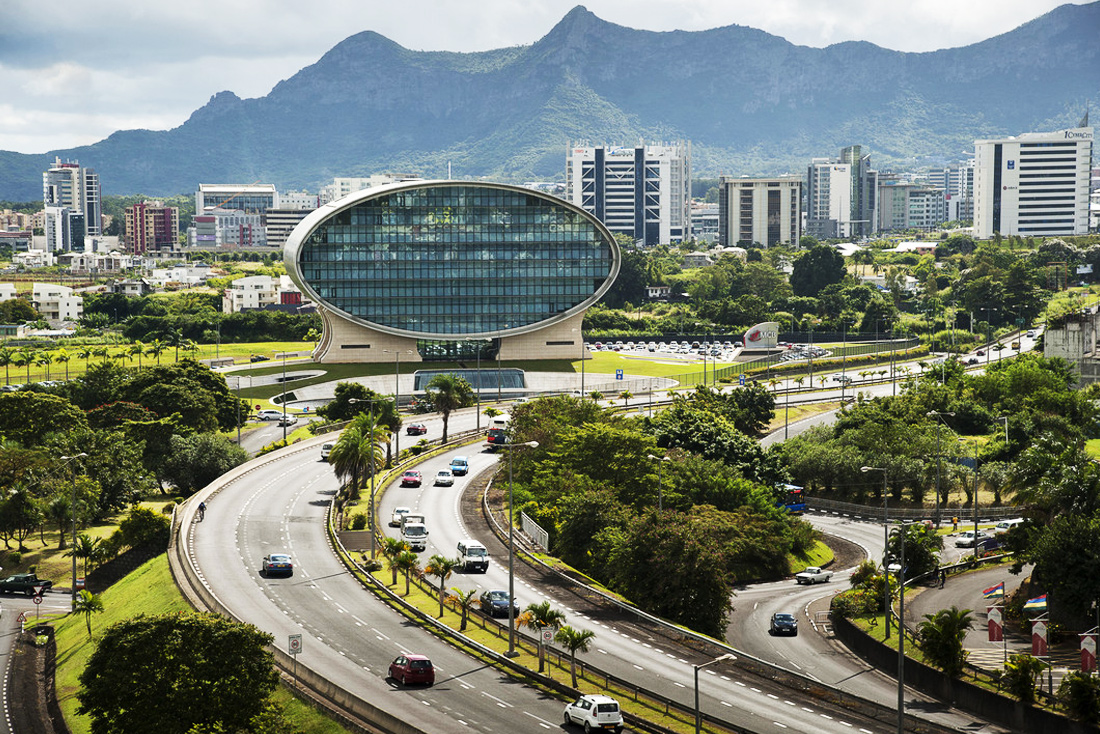 ✦ 75
✦ 75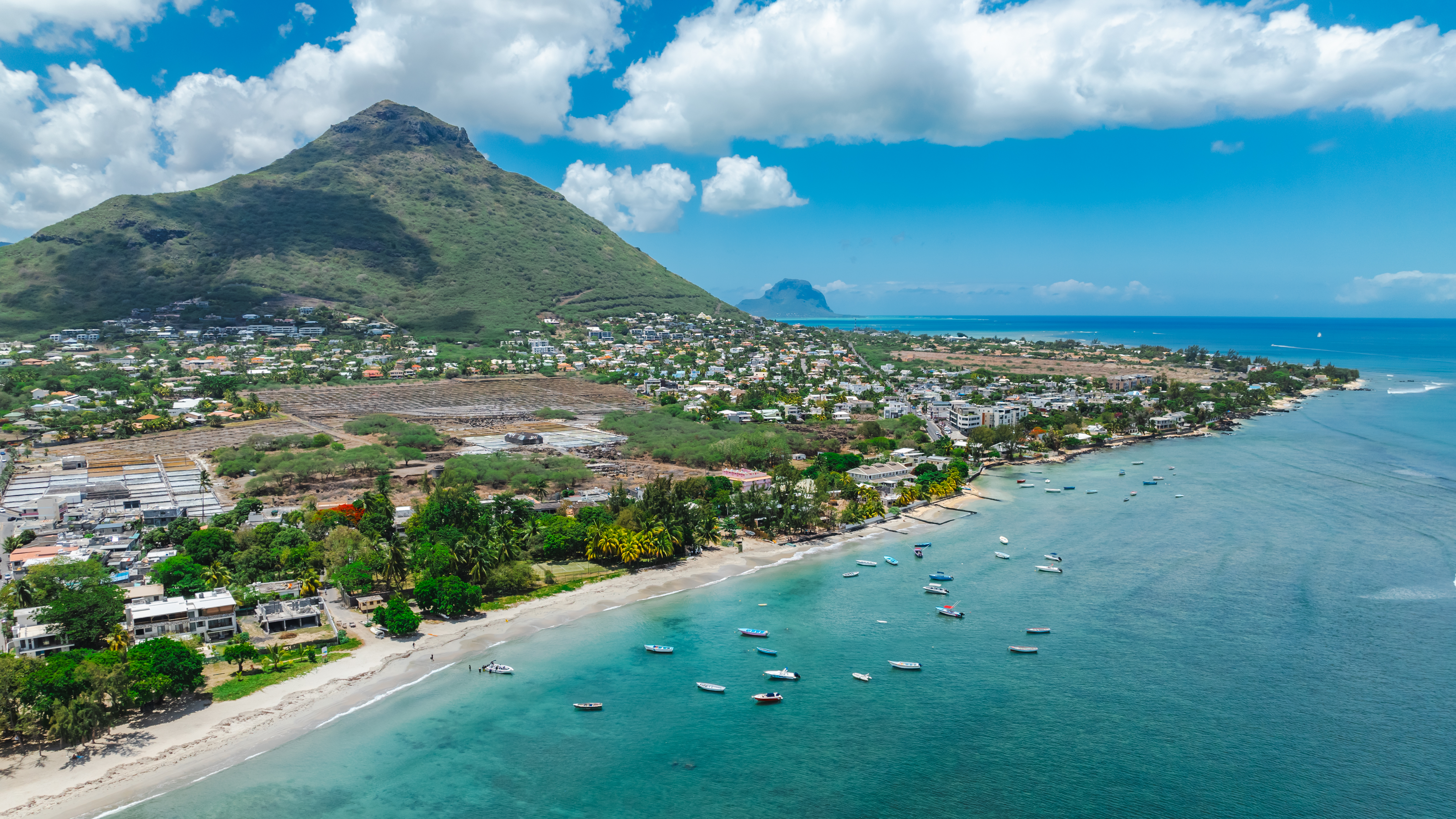 72
72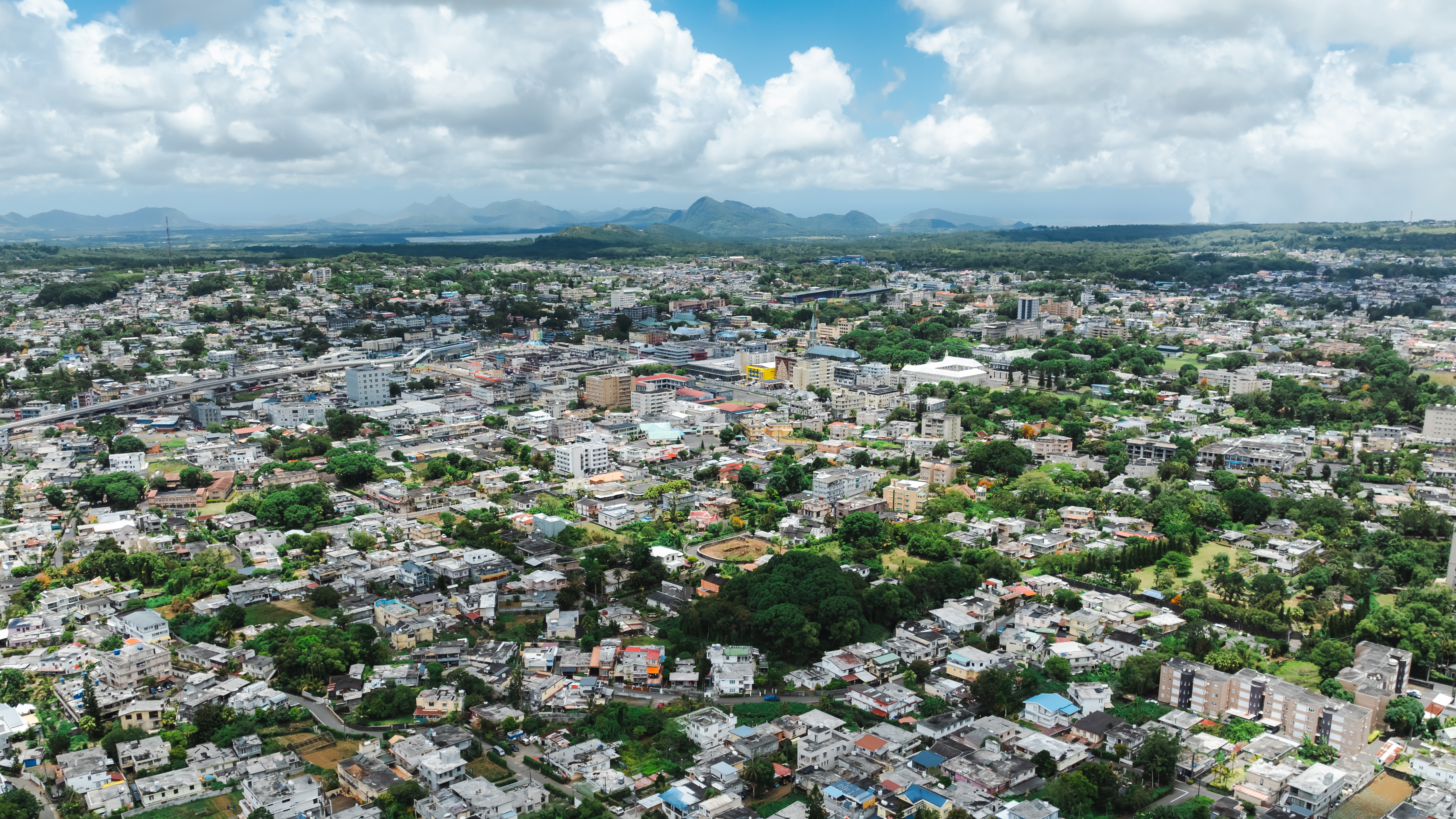 70
70Getting the income documentation story straight before applying
Most rejections in this category aren't about the money not being there. They're about the money not telling a coherent story. You're being asked to prove two separate things that feel similar but aren't: that you have $50,000 in investment capital (as of 2026), and that your self-employment activity generates enough ongoing income to live on and run a business. Treat these as two files, not one.
The investment capital needs a paper trail that predates your application by a meaningful margin. Funds that appear in an account a few weeks before filing, especially in a single deposit, get read as staged, and staged money invites deeper questions about where it actually came from. Better to show the balance building or sitting steady over months, sourced from something traceable, a business sale, accumulated savings, a liquidated investment.
The income side is where US freelancers tend to underprepare. Invoices to two or three clients look thin next to a Mauritian officer's expectation of an operating business. Bring more than bank statements. Bring the contracts, the invoicing history, a description of what the business actually does and how it will operate once you're resident. Because pension income isn't recognized in this category, retirees trying to route retirement income through a self-employment structure will find the paperwork doesn't map cleanly onto what they're actually receiving. This permit wants active business income, and if your income is passive, the mismatch shows up early in review.
One sequencing mistake shows up constantly: people gather their income documentation first, feel confident, and only then think about how to evidence the capital. Reverse that order. Get the $50,000 sourced, seasoned, and documented before you touch the income file, because the capital story is slower to build credibly and everything else depends on it holding up.
The accommodation question people underestimate
Nobody fails this application over where they're going to live, but plenty of applicants create unnecessary friction by treating accommodation as an afterthought they'll sort out once they land. That's backwards. A local bank account is required to hold and move funds once you're resident, and opening one is meaningfully easier with a Mauritian address already attached to your name, whether that's a signed lease or a letter from a property owner. Trying to open the account before you have anywhere to put on the form slows down a step that should be fast.
The other mistake is assuming a short-term rental or hotel booking will read the same as a lease to anyone reviewing your file later. It won't, not because anyone checks obsessively, but because your permit is meant to anchor a business and a life on the island for years, and a thirty-day booking doesn't support that. If you're coming with dependents, this matters more: family members attached to your permit need an address that looks like a household, not a placeholder.
Health insurance sits next to this and gets treated the same way, as a box to tick rather than a decision that affects daily life. Since it's required as part of the permit, the policy you choose shapes what kind of care you can actually access once you're there, and switching providers after arrival is more hassle than choosing carefully before you file. People sometimes buy the cheapest policy that satisfies the requirement on paper, then discover it barely covers anything once they need it. Given that no medical exam is required to get the permit approved, insurance is doing work here that a health screening would otherwise do elsewhere, and it's worth treating that seriously rather than as a formality to clear.
What happens between approval and actually settling in
Getting the permit approved is not the same as having your life in Mauritius set up, and the gap between the two trips people who assume the hard part is over once the letter arrives. There's no interview to prepare for and no medical exam to schedule, which removes two of the usual friction points other countries build into their process. That absence tends to make applicants underestimate what's left.
What's left is mostly administrative but sequence-dependent. You need the local bank account open, which as noted depends on having an address to attach to it. You need health insurance active before you're relying on Mauritian healthcare for anything beyond routine care. And because local work is permitted under this permit without a separate authorization, there's no second work-permit process to chase once you land, which is one less bureaucratic layer than applicants sometimes brace themselves for. No apostille requirement and no FBI-level background check demand also mean the document chain into Mauritius is shorter than for many comparable programs, which cuts real weeks off the pre-departure phase.
Where people lose time is treating the approval letter as the finish line and only then starting to think about local logistics: registering the business locally in a way that matches what was described in the application, getting the bank account functional enough to actually run payments through, confirming the insurance policy covers what you need day one. None of this is dramatic, but it's real time, and running it in parallel with your move rather than after it lands you in Mauritius functional instead of still assembling pieces.
The long game, and the honest read on where this leads
Here's where expectations need adjusting early. This permit is renewable, and its ten-year initial term means you're not on the treadmill of annual or even three-year renewals that a lot of comparable programs put people through. That's a genuine advantage if your business and your life plans in Mauritius are stable. But don't build your five-year plan around an assumed route to permanent settlement, because the permit itself is the mechanism, not a stepping stone to something else automatically. Renewal, not conversion, is the frame to plan around.
That changes how you should think about the decision now. If your goal is eventually holding a different, more permanent status in Mauritius, treat this permit as what it is on its own terms, useful for as long as your business and income keep qualifying it for renewal, rather than assuming a guaranteed next step. Build your renewal file continuously from day one: keep the business income documentation current, keep the capital story clean, keep the bank account and insurance active without gaps. A renewal application built from a decade of consistent business activity is a very different file from one built from a business that went quiet for two years and is now being reconstructed from memory.
The honest version of the long-term plan is that you're committing to Mauritius as a place you'll keep re-qualifying for, not a place you're sprinting toward a permanent status in. For a lot of the people this permit fits, that's fine, since ten years without a renewal scramble is more stability than most freelancer-oriented programs anywhere else offer. For someone specifically chasing a fast path to a different long-term status, this isn't the vehicle, and it's worth being clear-eyed about that before the capital is committed.
The decision against a lighter-touch nomad visa
The comparison that actually matters isn't between Mauritius and some other specific country's occupation permit. It's between this permit and the broader category of digital nomad visas that ask for monthly income proof and nothing more. Most of those programs want to see $3,000 to $5,000 or so coming in reliably every month, no capital requirement, no business registration, often a shorter validity that you renew every year or two. They're built for someone who wants to keep working exactly as they do now, just from a different address.
Mauritius is asking for something structurally different. The $50,000 capital requirement means you're not just proving income, you're committing money to a jurisdiction, and that only makes sense if you actually want a footprint there: a business entity, a bank relationship, insurance and residence built for years rather than a season. If your remote income is solid but you have no interest in deploying capital locally, a straightforward nomad visa elsewhere will get you a beach, decent internet, and none of the capital-sourcing scrutiny this permit demands.
Where Mauritius wins the decision is duration and depth. A ten-year initial permit against a typical one or two year nomad visa is not a close call if you already know you want to be somewhere for the long haul and you have the capital sitting around anyway, maybe from a business sale or a liquidity event, looking for somewhere to work. Where it loses is flexibility. Committing $50,000 to a specific country is a much bigger decision than committing to a lease and an income statement, and it should be treated with the seriousness of a business decision, not a lifestyle one. Someone earning $6,000 a month from two US clients with no appetite to open a local business is better served elsewhere. Someone with capital already in motion and a genuine interest in Mauritius as a base for the next decade is exactly who this was built for.
Work Permissions
Application Steps
- 1
Research
Verify all requirements for this visa type and country
- 2
Gather documents
Obtain all required documents (passport, financial statements, health insurance, etc.)
- 3
Complete application
Fill out the official application form
- 4
Submit application
Submit all documents to the appropriate consulate or online portal
- 5
Pay fees
Complete payment of application and visa fees
- 6
Attend interview
If required, attend any scheduled interviews
- 7
Wait for decision
Processing times vary from weeks to months
- 8
Travel and activate
Once approved, travel to the country and complete any activation requirements
Compare this visa
Curated comparisons that include this route.
Frequently Asked Questions
Click any question to expand the answer.
Ready to Apply?
Work with trusted visa specialists who handle the paperwork so you can focus on your move.
Get help with this visa →* We may earn a commission if you apply through our link
At a Glance
Last verified: October 9, 2026