Min Monthly Income
$3,362
Application Fee
$126
Processing Time
2-4 wks
Difficulty
Moderate
Duration
41 months
Path to Citizenship
No
Overview
Hungary’s White Card asks for EUR 3,000 net income per month, as of 2026, for the last six months, plus proof of at least EUR 10,000 in savings, as of 2026. That income has to come from work done for an employer or clients outside Hungary; local employment is barred, and the program also show the local income limit at 0% of total income. Social Security does not count, pension income is not recognized, and the permitted income sources are remote work and business income tied to w2, contractor, owner, or self-employed arrangements.
The permit runs for 12 months and is renewable once, so the ceiling is 2 years. This visa does not lead to permanent residence or citizenship, and physical presence requires at least 90 days per year in Hungary, and the hard planning constraint here is not just a day-count test but the fact that this status does not build toward PR. Someone splitting time between Hungary and another country still has to stay within the 12-month validity and the one-time renewal structure.
The friction is in the document stack, not the concept. Hungary wants a health insurance policy, proof of accommodation, proof of exit, bank statements for the last 6 months, proof of current bank balance, proof of income, and a facial photograph. The application fee is USD 126, as of 2026. Apostille is required for foreign-issued documents under the program rules, FBI background check is not required, medical exam is not required, and interview is not required. Non-Hungarian/non-English documents need certified Hungarian translation, and apostille certification is required for foreign-issued documents that are not already in Hungarian or English.
This makes most sense if you earn USD 3,000–USD 8,000 a month remotely, can document the last 6 months cleanly, and want a 12-month stay without taking Hungarian clients or opening a local income stream. It is a poor fit if your retirement plan depends on Social Security, pension income, or a residence status that can mature into permanent residence after a few years.
The White Card also fits poorly for anyone who wants to monetize in Hungary: local work is not permitted, dependents are allowed, and there is no local income allowance at all. A remote employee paid in USD, EUR, or another hard currency can use it; a person trying to build a long-term multi-generational relocation path cannot.
Eligibility Requirements
EU citizens do not need Hungary’s White Card; this route is for non-EU nationals only, and the visa rules define eligibility as non_eu. That means Americans, Canadians, Australians, British passport holders, and other third-country nationals are the core applicant pool, while an Irish, French, German, Italian, or Spanish citizen uses free movement instead of this permit.
The common edge cases sit on the border between EU, EEA, and Switzerland. Norway, Iceland, and Liechtenstein are EEA countries, but they are still outside the EU; Switzerland is also outside the EU. For this program, the structured eligibility key is non-EU, so applicants from those countries are in the same outside-the-EU bucket as the UK after Brexit, even if their broader European travel rights differ elsewhere.
Dual nationals with an EU passport should use the EU passport and skip the White Card entirely. That is faster, cheaper, and avoids spending USD 110 on a permit that the EU nationality makes unnecessary.
Min Income
$3,362
Min Savings
$11,419
Application Fee
$126
Renewal Cost
$124/yr
Min Age
18 yrs
Duration
41 months
Physical Presence
90 days/yr
Min Lease
12 months
Remote Work / Freelance · Business Income
W2 Employee (foreign employer) · 1099 Contractor · Business Owner · Self-Employed
Max 0% from local sources
Requirements Checklist
0 of 16 documents in hand
0%These take the longest, so start them first.
Request these while the slow items are in progress.
You only need these on the day you submit.
Extra requirements for this visa
- Apostille required on official documents
How and where to apply
Non-EU/EEA nationals from visa-required countries should first apply for a Type D national visa at a Hungarian consulate or embassy abroad, then obtain the White Card in Hungary. Visa-free entrants or those on short stays can apply directly in-country via the Enter Hungary online portal (enterhungary.gov.hu). In-country applications cost HUF 24,000 online; consulate fees are ~$110 USD.
Tax Information
Local tax picture
Hungary taxes residents on a resident basis, not a territorial basis. For a White Card holder, that means foreign salary from remote work, ETF dividends from a foreign brokerage, pension distributions, and rental income from property abroad can all fall into the Hungarian tax net once the person becomes a Hungarian tax resident. The visa itself does not create tax residency, so the key issue is whether the person crosses Hungary’s tax-residency rules under local law.
Foreign investment gains are not given a special exemption in the visa rules. For a FIRE reader who sells index funds or ETFs held at a foreign brokerage, those gains fall under Hungary's flat 15% personal income tax on capital gains, with an additional 13% social contribution tax (szocho) applying to securities gains, bringing the combined rate to about 28% in those cases, so it should not be assumed to be exempt, remittance-based, or preferentially taxed without checking Hungarian personal tax rules on the actual holding and residence facts. The US-Hungary tax treaty was terminated as of January 2024, so no treaty-based shortcut should be assumed from the visa alone.
Local filing and registration
The visa rules identify the regime as resident, which means a White Card holder who becomes tax resident should expect local registration and filing obligations under Hungarian law. Those specifics should be confirmed against current Hungarian tax administration rules before relying on the visa status for planning.
For US Citizens and Green Card Holders
- FEIE uses Form 2555 and covers earned income only: remote work, self-employment, and consulting up to $132,900 for 2026. - FEIE does not cover dividends, capital gains, pension distributions, or Social Security. - Because the White Card is a residence permit that can support a Hungarian tax-resident position, the Physical Presence Test is more likely to be relevant than a Bona Fide Residence claim, but the test still depends on actual day counts, including time spent in Hungary. - FTC uses Form 1116. If Hungary taxes an income stream at a rate higher than the US rate, the credit can matter; if the local rate on foreign income is zero or unavailable, FTC does not shelter that stream. - FBAR (FinCEN 114) is required once foreign financial accounts exceed $10,000 at any point in the year, separate from FATCA Form 8938. - If a Hungarian bank account is opened or foreign accounts are maintained for accommodation, proof of funds, or daily spending, those balances can create FBAR exposure even when the visa itself does not require a local bank account.
For a US filer on this visa, the practical duo is a US CPA who works on FEIE, FTC, and FBAR, plus a Hungarian tax advisor who can map resident filing and registration. The first-year cost of $1,500–$3,000 in guidance is often less expensive than fixing a missed Form 2555/1116 election or an FBAR penalty later.
Living in Hungary
COL Index vs NYC
46.9
Monthly Cost (excl. rent)
$753
1BR Rent (City Center)
$575
Safety Index
66.3
Healthcare Index
54.3
Quality of Life Index
144.6
Time Zone
UTC+01:00
Capital
Budapest
Population
9.7M
Official Languages
Hungarian
Avg Internet Speed
237 Mbps
Public Transit Quality
Excellent
With a budget covering rent and living costs, you'd need roughly $1,328/mo for a comfortable single-person lifestyle in Hungary.See how far your money goes →
🏙️ Best Cities in Hungary for Digital Nomads
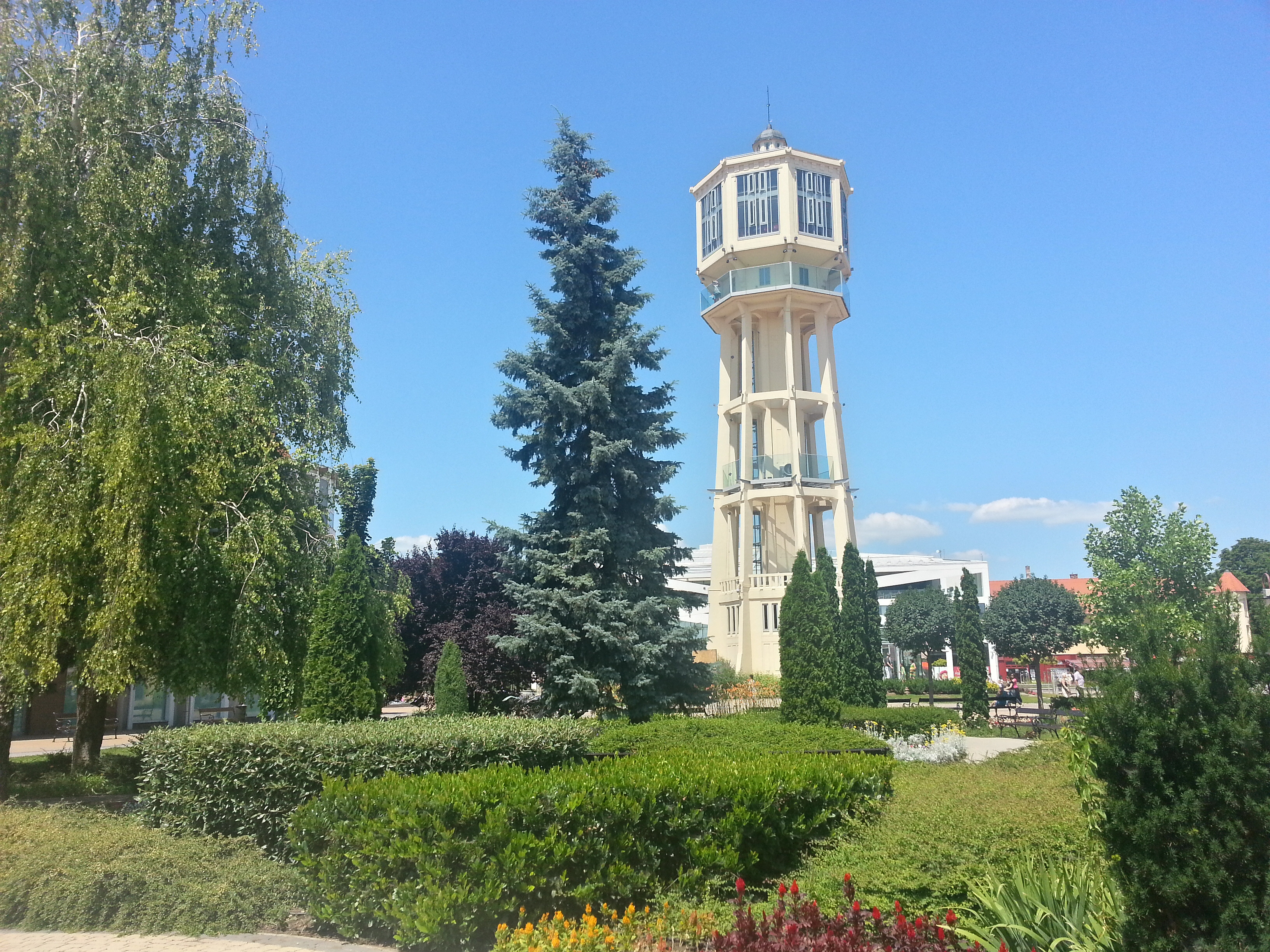 71
71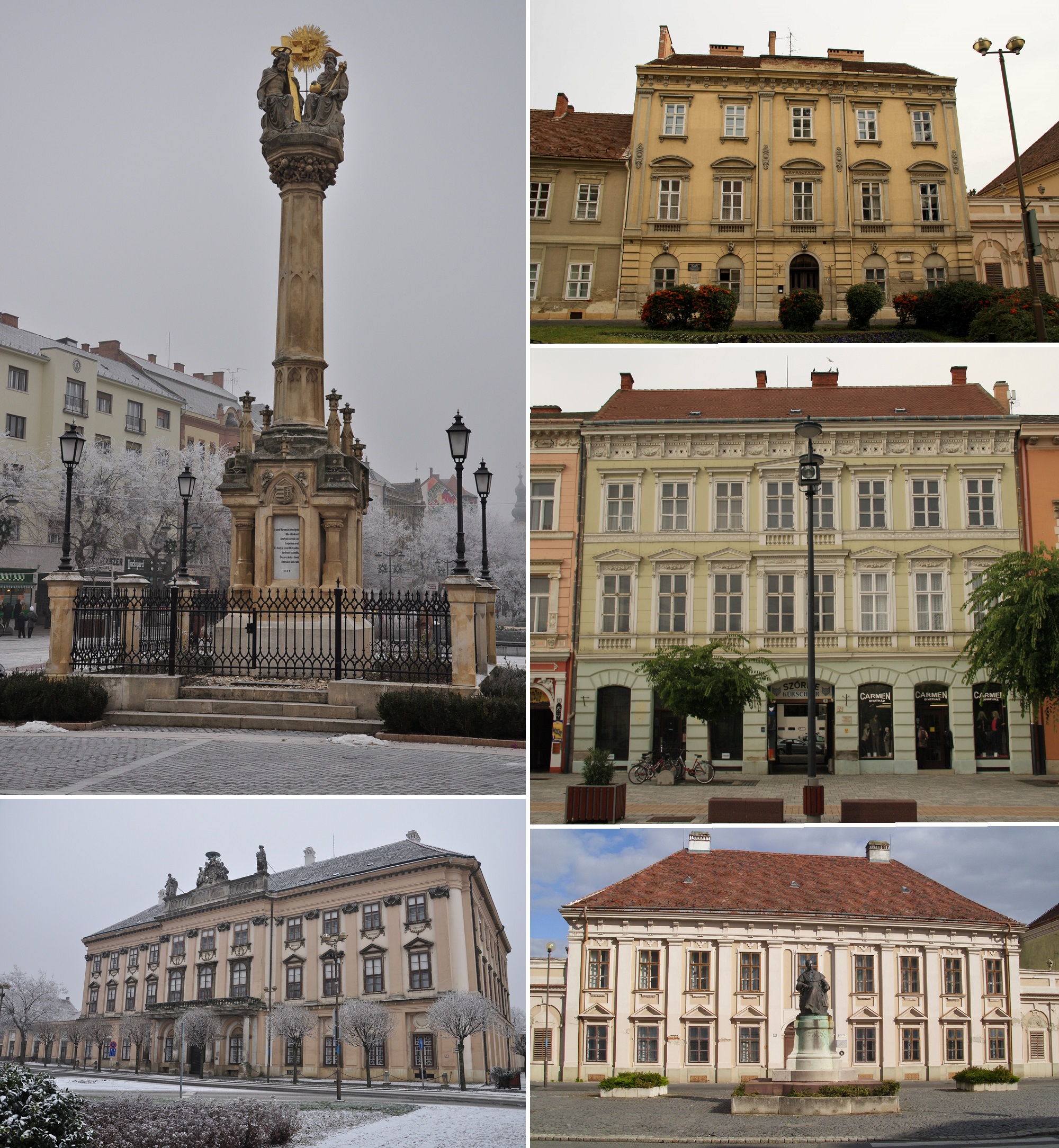 70
70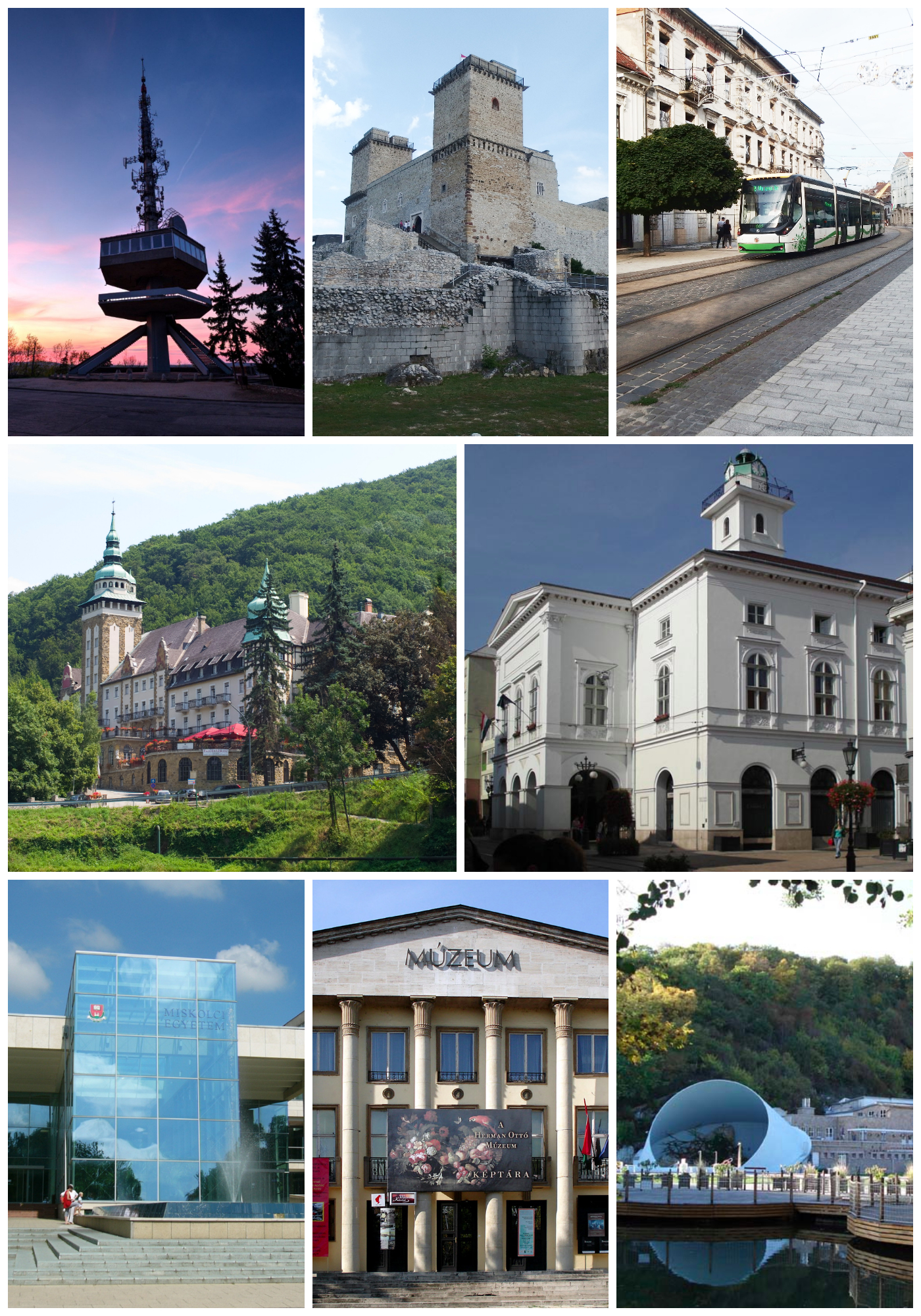 67
67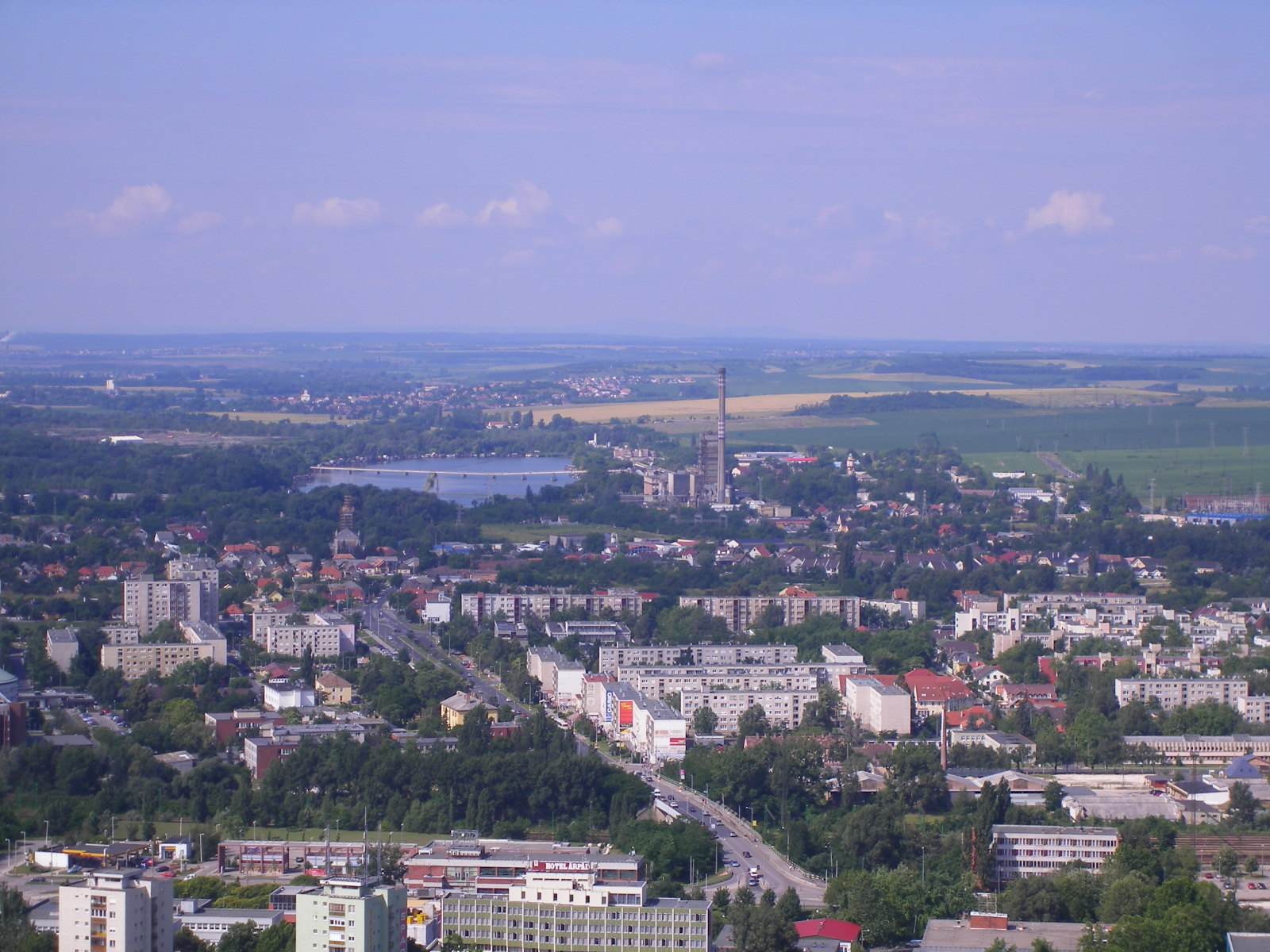 70
70Getting the income documentation story straight before applying
The income floor itself, $3,426/month as of 2026, is not usually what gets an application rejected. What gets rejected is the six months of bank statements that don't match the story the rest of the file is telling. If you're a freelancer invoicing three clients, the deposits need to look like three clients paying on their own schedules, not a lump sum that arrived two weeks before you started the application. If you're on an employment contract with a US company, the pay needs to be recognizable as payroll, consistent intervals, consistent amounts, employer name matching the contract you're submitting elsewhere in the file.
Self-declared freelancers have the harder version of this problem. A self-declaration confirming your ability to work remotely, paired with invoices, needs internal consistency: dates on invoices should roughly track deposits in the bank statements, and the client names on the contracts should be the same names showing up as payment sources. Consulates and the domestic authority processing White Card applications are not auditing your business model, but they are pattern-matching against thousands of other files, and anything that looks staged, a sudden six-figure deposit right before the minimum savings threshold gets checked, invites a request for more documents rather than a straightforward approval.
The savings requirement, separate from the income requirement, is where people get sloppy. $11,419 (roughly, converted) sitting in an account you can prove you control is not the same as showing that amount plus enough income flow to demonstrate it isn't your only cushion. Treat the savings figure as a floor you clear with room, not a number you hit exactly the week you file. And keep the currency and account ownership documentation clean, joint accounts with a spouse not on the application create questions that a single-name account avoids entirely.
The lease requirement and how people get it wrong
A twelve-month lease is not a formality here, it's the accommodation proof the application actually leans on, and the mistake most applicants make is signing one before they've spent any real time in the city they're moving to. Booking a short-term stay and using that as interim proof, where accepted, is the smarter sequence for someone who hasn't lived in Hungary before: it buys time to actually see neighborhoods, compare rents, and avoid locking into a full year in a building or district you'd have avoided if you'd known better.
The paperwork problem shows up on the other end. A rental agreement submitted with the application needs to hold up as a real lease, landlord information consistent, lease term matching or exceeding the visa period you're requesting, and if you're relying on a property deed instead of a lease because you bought or are staying with someone who owns, that ownership documentation needs to be unambiguous and, where it wasn't issued in Hungarian or English, translated and notarized before submission. Apostille requirements catch people who assume a plain translation is enough; it isn't, and getting a document apostilled after a consulate has already flagged it as missing adds real time to a process that otherwise moves in one to three weeks.
Dependents complicate the lease question in a way people underestimate. A one-bedroom that reads as adequate housing for a single applicant may draw questions if you're bringing a spouse and a child, since the accommodation has to plausibly house everyone listed on the application, not just satisfy a minimum lease length. Sort out the actual living arrangement before you sign anything, not after the lease is already in the file.
What happens after you land
Getting the White Card approved is not the same as holding your final residence document, and the sequencing depends heavily on where you're applying from. If you're a non-EU national from a visa-required country, the process runs through a Hungarian consulate abroad first: you apply for a Type D national visa there, and only after entering Hungary on that visa do you convert it into the actual White Card residence permit domestically. That two-step structure means your consulate appointment is really the first of two approvals, not the final one, and treating it as the finish line is a common misread.
If you're visa-free or on a short stay already inside the country, the process is more direct: you apply through the Enter Hungary portal in-country, and the online application fee runs lower than the consulate route. Processing itself, once the file is complete, moves fast by the standards of most residency programs, somewhere between roughly a week and a half and three weeks. There's no interview and no medical exam attached to either path, which removes two of the most common delay points other countries build into their residency processes.
What this means practically: budget your travel and any lease start date around the slower of the two possible paths, not the faster one, especially if your passport requires the consulate route. Someone who books a flight assuming the fastest possible turnaround and then discovers they need a Type D visa appointment first can end up with a signed lease sitting empty for weeks while the consulate step plays out. The card itself, once issued, is what actually lets you register locally and access the healthcare and banking access tied to residency, not the initial visa stamp.
What the long-term path requires versus what it looks like on paper
Here's the part that needs saying plainly: this visa does not lead to permanent residency, and it carries no defined path toward citizenship at all. You can renew it, and the renewal itself is comparatively cheap at $124, but renewing an already-temporary status year after year doesn't accumulate into anything more permanent under this program. If your five-year plan involves eventually holding European permanent residency or a Hungarian passport, the White Card is not the vehicle for that plan, no matter how many consecutive years you spend on it.
This matters for two practical reasons beyond the obvious one. Time spent under the White Card doesn't count toward Hungarian social security, so anyone hoping years of residency here might eventually contribute to a pension or social insurance record is working against a structure that was never built for that. And because local work is prohibited under the visa's terms, there's no route from White Card to a Hungarian work permit that carries different settlement rights, the kind of ladder some other countries build between temporary and permanent status. The White Card sits by itself.
None of that makes the visa a bad choice, it just means the decision to use it should be made with the ceiling already priced in. Someone using this for a one or two year stint abroad, income intact, no local employment ambitions, gets exactly what the program promises: fast entry, light bureaucracy, straightforward renewal. Someone using it as a foothold toward eventual EU settlement is solving the wrong problem with the wrong tool, and no amount of careful paperwork changes that.
The Hungary versus everywhere else decision
Compare this against the digital nomad and remote-work visas other EU countries have built, and the honest framing is that Hungary optimized for speed and simplicity while several competitors optimized for eventual settlement. If what you want is a fast, low-hassle base with minimal bureaucratic friction and you have zero interest in eventually holding an EU passport, Hungary's White Card wins on almost every operational metric: no interview, no medical exam, quick processing, comparatively modest fees. If settlement is even a soft goal five years out, the calculation flips, because you'd be spending a year or more accumulating exactly nothing toward that goal while a program elsewhere might have counted the same year.
The other factor worth weighing honestly is what this visa forecloses while you're on it. No local work means no testing the Hungarian job market, no picking up local clients if remote income dries up, no flexibility if your situation changes mid-stay. A visa structure that allows even limited local income, common in some competing programs, gives you an exit ramp if your remote arrangement falls apart. Hungary's doesn't, and it's not a flaw so much as a design choice consistent with the program's purpose: this is a visa for people who are staying tied to income outside the country for the full duration, full stop.
If you're choosing between Hungary and a country whose remote-work visa explicitly counts toward permanent residency, the decision isn't really about lifestyle or cost of living at all, it's about what you want this particular year abroad to build toward. Hungary answers "can I live here comfortably for a defined period without giving up my outside income." It does not answer, and isn't trying to answer, "can this become permanent." Decide which question you're actually asking before you file anything.
Work Permissions
Application Steps
- 1
📋 Research eligibility and gather basics
1-2 weeks
- 2
📄 Collect financial proof documents
1-2 weeks
- 3
📄 Secure accommodation and insurance
1 week
- 4
📬 Register and submit online via Enter Hungary
1-2 days
- 5
📅 Attend biometrics if required
Same day
- 6
⏳ Wait for approval letter
2-3 months
- 7
🏛️ Travel to Hungary if applying abroad
1-2 weeks
- 8
🏛️ Complete address registration
1-2 days
This visa requires proof of health insurance. Compare international plans before you apply.
Compare health insuranceWe may earn a commission at no cost to you.
Compare this visa
Curated comparisons that include this route.
Frequently Asked Questions
Click any question to expand the answer.
Ready to Apply?
Work with trusted visa specialists who handle the paperwork so you can focus on your move.
Get help with this visa →* We may earn a commission if you apply through our link
At a Glance
Last verified: October 9, 2026