Difficulty
Difficult
Overview
Getting the income documentation story straight before applying
The auto-entrepreneur visa asks something specific of you: prove that a real freelance practice already exists and that its income keeps coming from outside France. That second part trips people up more than the first. Because local work isn't permitted under this visa, the file you build has to show, invoice by invoice, that your client base sits abroad and stays there. Consultants who've spent years billing a mix of US and French clients sometimes assume they can just keep doing what they've been doing once they land. They can't, not under this category, and reworking a client roster after approval is a far worse position than doing it before you apply.
The mistake shows up in sequencing. People register as auto-entrepreneur, get their SIRET number, and only then start worrying about whether their invoicing pattern will read as foreign income to a reviewing officer. Flip that order. Build six months of consistent, foreign-billed invoices before you touch the application, so the paper trail predates the visa rather than scrambling to match it.
There's a second group this visa quietly excludes: retirees living on pension income. Pension income isn't recognized here, which makes sense once you remember this is a working visa, not a passive-income one, but it catches people who've seen France mentioned alongside retirement destinations and assumed any steady income would qualify. If your income is a pension, this isn't your lane regardless of how strong the number looks.
For everyone else, the honest test is whether your invoicing would survive a skeptical read. Contracts with vague scopes, single-client dependency, or invoices that just started appearing a month before the application all read the same way to a reviewer: someone trying to look self-employed rather than someone who already is. The income doesn't need to be enormous. It needs to be old, consistent, and unmistakably not French-sourced. Get that history built early and the rest of the documentation is mostly formatting.
Eligibility Requirements
Requirements Checklist
Tax Information
Tax obligations vary by country and visa type. Most countries require visa holders to pay income tax on income earned within the country.
Some countries offer favorable tax regimes for remote workers and digital nomads, with reduced rates or tax exemptions for foreign-sourced income.
Consult a tax professional familiar with both your home country's laws and the host country's regulations.
Living in France
COL Index vs NYC
58.0
Monthly Cost (excl. rent)
$1,074
1BR Rent (City Center)
$891
Safety Index
44.6
Healthcare Index
77.7
Quality of Life Index
166.3
Time Zone
UTC+01:00
Capital
Paris
Population
67.4M
Official Languages
French
Avg Internet Speed
535 Mbps
Public Transit Quality
Good
With a budget covering rent and living costs, you'd need roughly $1,965/mo for a comfortable single-person lifestyle in France.See how far your money goes →
🏙️ Best Cities in France for Freelancers
 ✦ 80
✦ 80 ✦ 80
✦ 80 ✦ 79
✦ 79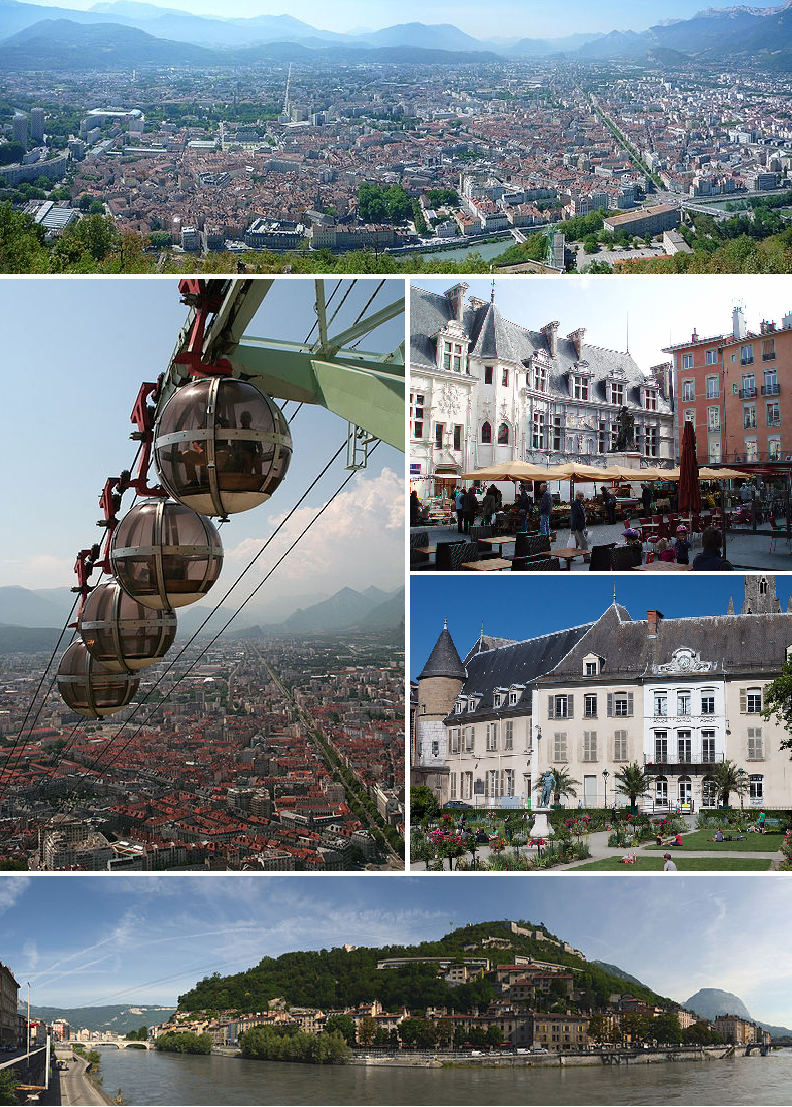 ✦ 81
✦ 81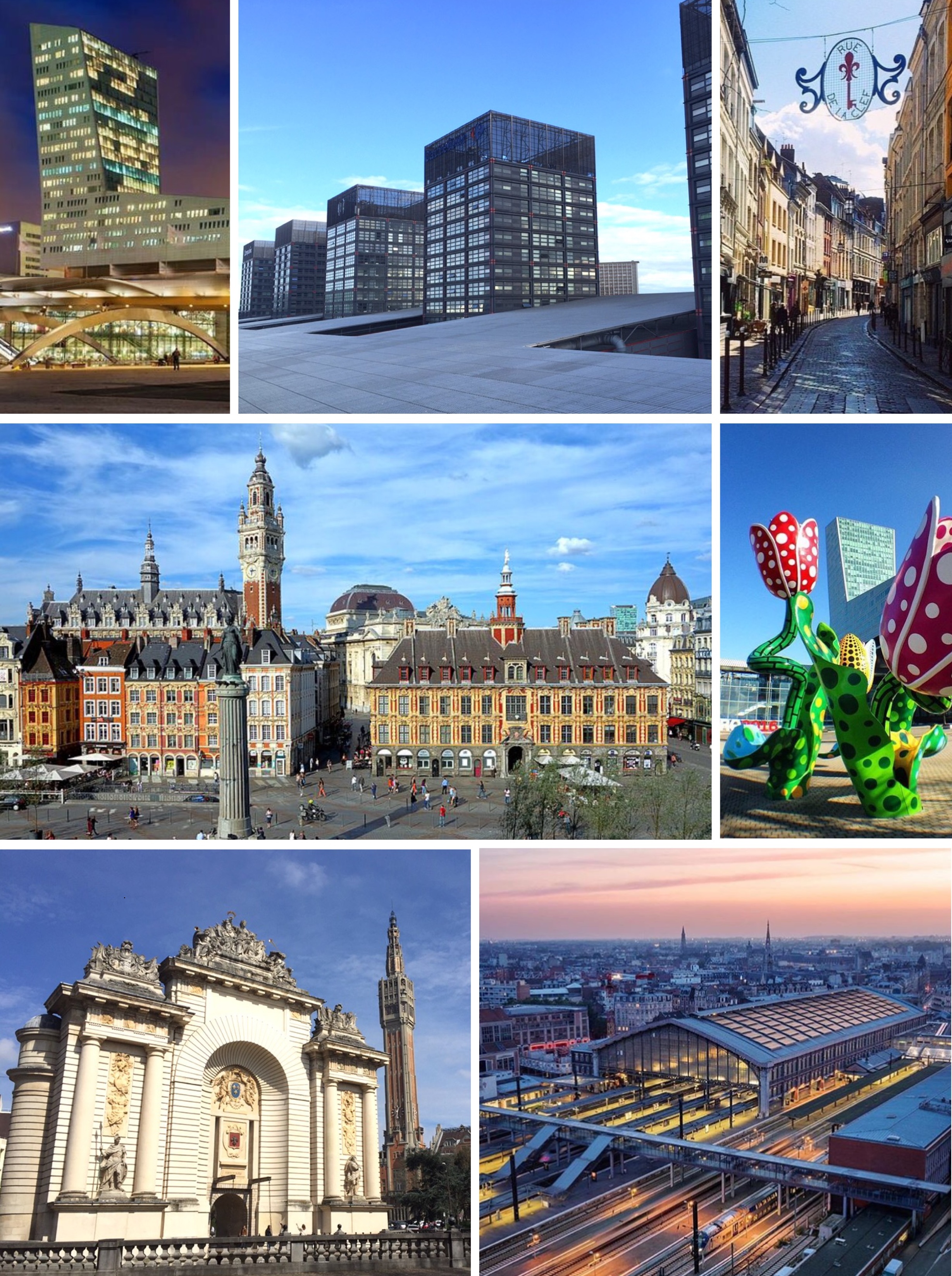 ✦ 77
✦ 77The housing requirement and how people get it wrong
Every long-stay application needs a place to land, and the instinct is to book something flexible, a short-term rental with a cancellation option, because committing to a full year on a lease you haven't seen in person feels risky. That instinct is exactly what causes problems. Reviewers want to see accommodation that matches the length of the stay you're requesting, and a booking that expires in eight weeks doesn't do that even if you plan to extend it later.
The cleaner move is to secure something that actually covers your intended stay, even if it costs more upfront or means signing a lease sight unseen through an agent. A lease under a name that doesn't match your application, or a family member's address offered as your own without documentation showing you're actually permitted to live there, causes more delay than almost anything else in this part of the file. If a relative or friend is hosting you, that needs to be formalized in writing, not implied.
There's also a quieter failure mode: people secure housing that technically satisfies the requirement but doesn't match the rest of their story. A studio listed as accommodation for someone applying with a partner and two kids raises questions that have nothing to do with the lease itself. Match the housing to the household you've declared, not just to the paperwork checklist.
The gap between an approved visa and an actual permit to stay
Approval feels like the finish line, and for a lot of applicants it functions that way emotionally even though it isn't one. No interview and no medical exam stand between you and getting the visa itself, which is unusual generosity by the standards of most long-stay categories, and it can create a false sense that the hard part is over once the sticker goes in your passport.
What the visa gives you is entry and initial status. Nothing about the process removes the ongoing obligations that come with it, particularly around health insurance, which has to stay valid and sufficient for the entire period you're in the country, not just at the moment of application. Because coverage here doesn't tie into a broader social security framework, there's no safety net assumption to lean on if a policy lapses or gets swapped for something thinner. People who treat the insurance requirement as a one-time box to check, rather than a standing obligation, are the ones who run into trouble at renewal.
The renewal itself is where the visa's real character shows. It's built to be renewed, which is good news if your income and living situation stay stable, but every renewal is a fresh review of whether the same conditions that got you in still hold. Income that drops, clients that shift local, or insurance that's quietly expired all resurface at that point. Treat the months between renewals as an ongoing audit of your own file, not a settled status you can stop thinking about.
What the long-term path actually requires
Here's the part that catches people off guard: this visa doesn't lead to permanent residency. Years of renewal accumulate stability, and they accumulate a life, but they don't accumulate toward a settled card the way people often assume long-stay visas eventually do. If the plan going in was to renew for a few years and then transition into something permanent, that plan needs a different legal basis, not just patience with this one.
That's not necessarily a reason to avoid the visa. Plenty of people want exactly what it offers: a renewable, livable status in France without folding permanently into the system. But it does mean the long-term thinking has to happen at the start, not five years in. If permanent residency or citizenship is truly the goal, the visa category itself needs to change at some point, and that's a decision worth making with a French immigration lawyer well before your first renewal, not after you've built years of routine around the current one.
The people who end up frustrated with this visa are usually the ones who never asked the permanence question upfront. They assumed renewability was a synonym for a path forward. It's closer to a lease with an option to keep leasing.
The call against the more bureaucratic alternative
The most obvious alternative to this route is a country that runs a heavier freelance or digital nomad visa process, more documents, an in-person interview, sometimes a background check and apostille requirement stacked on top of the income proof. France's version is lighter on paperwork by comparison: no interview, no medical exam, no apostille, no background check, and dependents can come with you.
That lightness is the trade for the path it doesn't offer. Countries that put you through more friction at the front end often do it because that friction is connected to a residency track on the back end, the paperwork is heavier because it's building toward something more permanent. France's auto-entrepreneur route asks less of you upfront and gives back correspondingly less structural progress toward staying for good.
So the actual decision isn't about which country is easier. It's about what you're optimizing for over a five-year horizon. If the plan is truly a few years in France, doing meaningful work, with no fixed intention of settling permanently, the lighter file and faster approval are worth taking. If permanent residency is the real goal, the extra paperwork elsewhere is buying something this visa structurally can't sell you, no matter how smooth the renewal process feels along the way. Decide which one you actually want before you decide which application is more tolerable to fill out.
Work Permissions
What's typically permitted:
Application Steps
- 1
Research
Verify all requirements for this visa type and country
- 2
Gather documents
Obtain all required documents (passport, financial statements, health insurance, etc.)
- 3
Complete application
Fill out the official application form
- 4
Submit application
Submit all documents to the appropriate consulate or online portal
- 5
Pay fees
Complete payment of application and visa fees
- 6
Attend interview
If required, attend any scheduled interviews
- 7
Wait for decision
Processing times vary from weeks to months
- 8
Travel and activate
Once approved, travel to the country and complete any activation requirements
Frequently Asked Questions
Click any question to expand the answer.
Ready to Apply?
Work with trusted visa specialists who handle the paperwork so you can focus on your move.
Get help with this visa →* We may earn a commission if you apply through our link
At a Glance
Last verified: June 7, 2026