Min Monthly Income
$1,170
Application Fee
$35
Difficulty
Easy
Overview
Cambodia’s so‑called Digital Nomad Visa is functionally the E‑class (Type‑E) entry visa used by remote workers and foreign employees. The minimum monthly income is $1,170 USD as of 2026, with financial documentation required. An American or Canadian with $3,800/month from rental income and ETF dividends, or a remote salary from a foreign employer, can qualify as long as they meet the $1,170/month minimum and standard entry criteria and obtain the correct E‑class sticker visa and subsequent extension.
The upfront friction is low and transparent: a $35 USD application fee for the E‑class visa, no apostille required, no FBI background check, no medical exam, and no consular interview required. The Washington D.C. embassy confirms the visa is a single‑entry sticker, valid to enter within 3 months of issue, with an initial 30‑day stay and the option to extend inside Cambodia at the Immigration Department. Processing times at the embassy run about 7–10 working days, and third-party reports suggest you should budget a few hundred dollars per year for ongoing extensions.
Residency mechanics are where trade‑offs appear. There is no officially published pathway from this E‑class digital‑nomad use case to permanent residency or citizenship. If you are planning a 10‑year relocation, you’re effectively committing to a rolling short‑stay regime rather than a codified multi‑year residence permit with a clear PR or passport timeline.
Cambodia’s labor authorities have made it clear that foreigners performing work in‑country on long‑term E‑class statuses, including EB (business) extensions, are treated as part of the foreign workforce and expected to obtain a work permit. That expectation now explicitly extends to self‑employed digital nomads and freelancers, even when all clients and payers are abroad, which matters for anyone planning to base a remote business or high‑income consulting practice there.
This arrangement makes most sense if you want a low‑paperwork, sub‑$100 entry route, are comfortable with annual extensions and an unclear PR/citizenship horizon, and earn at least a few thousand USD/month from foreign sources. It is a poor fit if your non‑negotiable goal is a clearly documented path to permanent residency and a second passport within a set number of years, or if you are unwilling to deal with Cambodia’s tightening work‑permit enforcement while physically working online from within the country.
Eligibility Requirements
Any nationality can apply in principle for Cambodia’s E‑class digital‑nomad use, as the visa rules list nationality restrictions as “all” and the Cambodian embassies process Type‑E visas for a wide range of passports. In practice, citizens of sanctioned or diplomatically sensitive states such as Iran, North Korea, Syria, and sometimes Russia or Cuba can encounter consular refusals, enhanced screening, or banking hurdles even where the law does not explicitly bar them. Before assembling a full application package or booking flights, verify your specific eligibility directly with Cambodia’s Ministry of Foreign Affairs and International Cooperation (MFAIC) or the nearest Royal Cambodian Embassy or Consulate, as those authorities apply the current policy at the visa‑issuance level.
Min Income
$1,170
Application Fee
$35
Requirements Checklist
0 of 10 documents in hand
0%Request these while the slow items are in progress.
You only need these on the day you submit.
How and where to apply
Apply at Cambodian embassies or consulates (e.g., walk-in or mail to Washington DC embassy) from your home country or residence. Submit no earlier than 2 months before travel. In-country extensions for the initial 30-day stay occur at Immigration Department; no online e-class portal specified.
Tax Information
Local tax regime and what it means for you
Cambodia operates a source‑based system that functions in practice like a territorial regime: tax is focused on Cambodian‑sourced income, while foreign‑sourced income of individuals has historically not been actively taxed unless it is clearly connected to Cambodian activities. The visa rules for this digital_nomad visa do not specify a formal “tax regime type”, so you should assume standard Cambodian rules apply, not a special expat regime. If you are a remote employee of a US or EU company, a freelancer billing clients abroad, or an investor living off ETF dividends in a foreign brokerage and US/Canadian rental income, the legal question is whether that income is treated as “Cambodian‑sourced” once you are physically working from Cambodia, which the Ministry of Labor increasingly argues it is for labor‑law purposes.
Capital gains on foreign investments, such as selling index funds or ETFs in a US brokerage account, are not addressed in the visa rules and Cambodia’s published individual‑tax guidance remains light. There is no clearly codified preferential rate for such gains for E‑class holders. In practice, those gains are generally treated as foreign‑sourced and outside the Cambodian tax net if the investments and payers are abroad and you are not trading as a local business, but there is no explicit statutory exemption that targets digital nomads, so high‑volume traders should get local advice.
Tax residency usually hinges on presence and connection, and Cambodia commonly uses a 182–183 day threshold in practice, though the visa rules for this visa do not disclose an official day‑count or a separate registration requirement. Once you are considered tax resident, you can be assessed on Cambodian‑sourced income regardless of where it is paid, and you may be expected to obtain a tax ID and file annual returns. Filing deadlines and registration steps are not specified in the visa rules, so long‑term E‑class holders should plan an initial consultation with a Phnom Penh tax practitioner to clarify when to register, how to declare remote‑work income linked to Cambodian work days, and whether any local business or value‑added tax exposure exists.
The visa rules list the US–Cambodia tax treaty status as unknown. That means you cannot assume there is a comprehensive income tax treaty covering dividends, interest, pensions, or Social Security, and there is no widely used totalization agreement for Social Security contributions. Americans, Canadians, Australians, and Europeans should treat Cambodian tax as additive and plan their structures without relying on treaty relief between Cambodia and their home jurisdiction.
For US Citizens and Green Card Holders
US persons on the Cambodia Digital Nomad Visa remain fully taxable by the IRS on worldwide income. Form 2555, the Foreign Earned Income Exclusion, can shelter up to $126,500 of earned income in 2024 (remote salary, self‑employment, consulting), but it does nothing for ETF dividends, capital gains, rental income, pensions, or Social Security. The Physical Presence Test (330 full days abroad in any 12‑month period) is the most straightforward fit if you are bouncing around ASEAN while using Cambodia as a base, while the Bona Fide Residence Test is harder to rely on here because the E‑class/extension structure does not create a clean multi‑year residency status with a long, stable permit.
Form 1116, the Foreign Tax Credit, matters only where Cambodia actually taxes you. If Cambodian effective tax on your remote‑work income is low or zero under source‑of‑income rules, there will be little or no foreign tax to credit against US liabilities, so the FTC won’t reduce your US bill on that income. If you are classified locally as self‑employed under an E‑class EB extension and start paying Cambodia income tax and possibly social contributions, those amounts can generate meaningful FTCs, but you must document them carefully.
FBAR (FinCEN 114) kicks in if the aggregate balance of your non‑US financial accounts exceeds $10,000 at any point in the year; this includes Cambodian bank accounts and mobile‑money wallets. It is separate from FATCA Form 8938, which has higher thresholds but overlaps conceptually. While the visa rules do not require a local bank account for the visa, long‑stay nomads almost always open one, making FBAR reporting relevant. Non‑willful FBAR penalties start at $10,000 per violation, so this is not an administrative detail to ignore.
In practice, you need two professionals for a clean setup: a US CPA who specializes in expat taxation and understands FEIE vs. FTC vs. self‑employment tax for remote workers, and a Cambodian tax advisor who is familiar with E‑class long‑stay foreigners and work‑permit enforcement. The $1,500–$3,000 spent in year one on those advisors is usually recovered in optimized FEIE/FTC elections, avoiding double taxation on remote income, and sidestepping four‑ and five‑figure penalties on US forms like FBAR and local work‑permit non‑compliance.
Living in Cambodia
COL Index vs NYC
33.9
Monthly Cost (excl. rent)
$576
1BR Rent (City Center)
$416
Safety Index
52.7
Healthcare Index
25.8
Quality of Life Index
93.8
Time Zone
UTC+07:00
Capital
Phnom Penh
Population
16.7M
Official Languages
Khmer
Avg Internet Speed
81 Mbps
Public Transit Quality
Fair
With a budget covering rent and living costs, you'd need roughly $992/mo for a comfortable single-person lifestyle in Cambodia.See how far your money goes →
🏙️ Best Cities in Cambodia for Digital Nomads
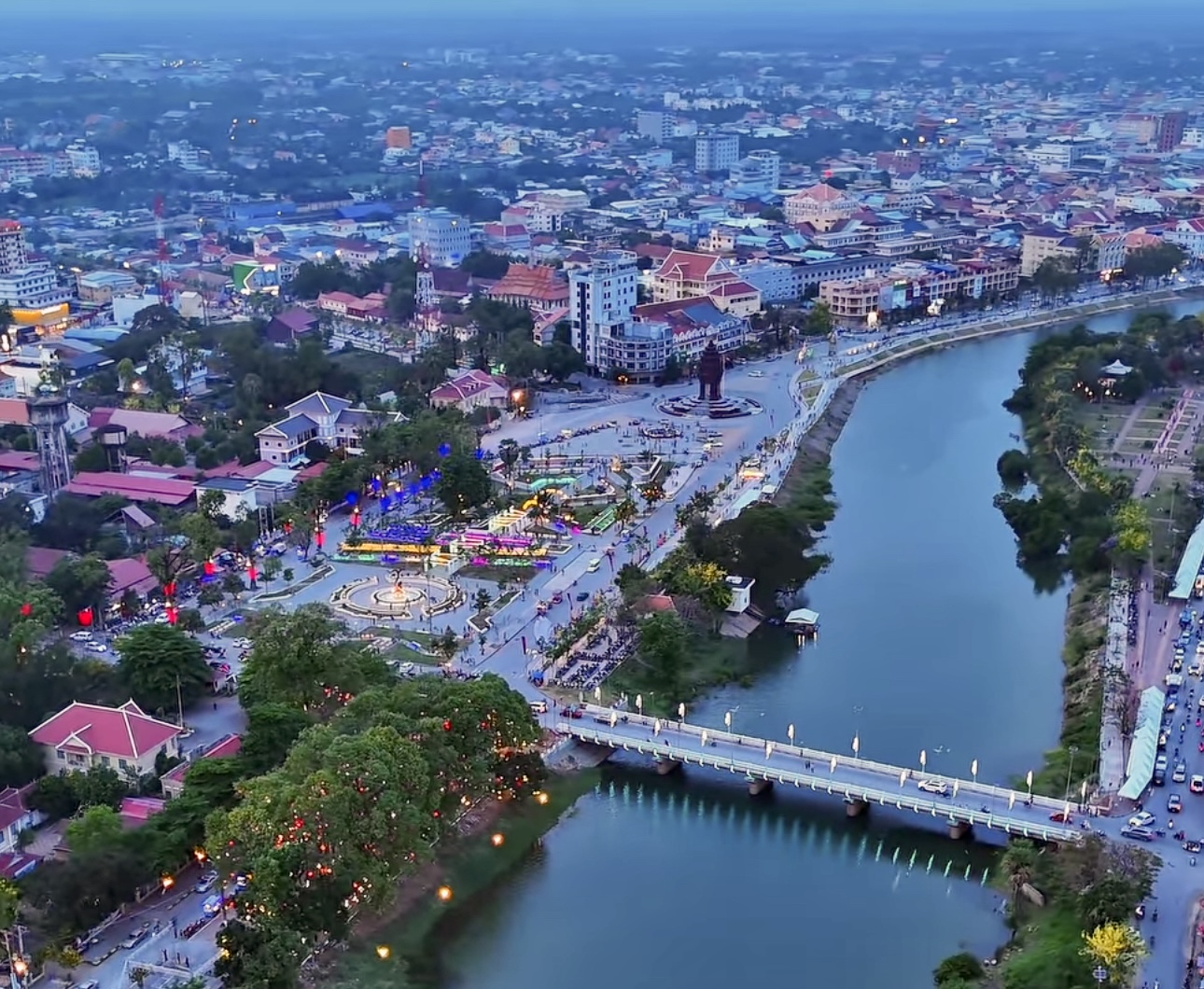 53
53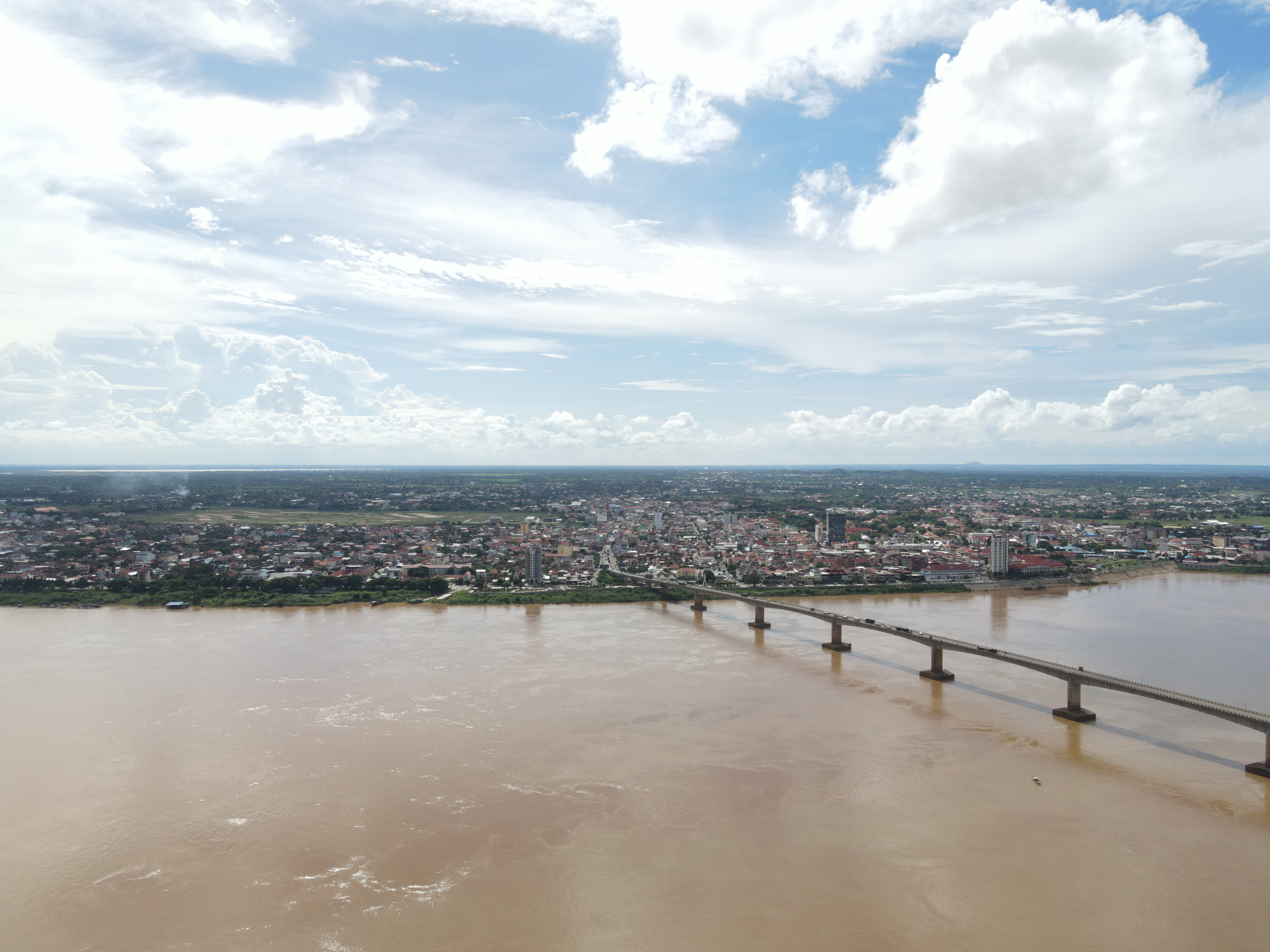 53
53 68
68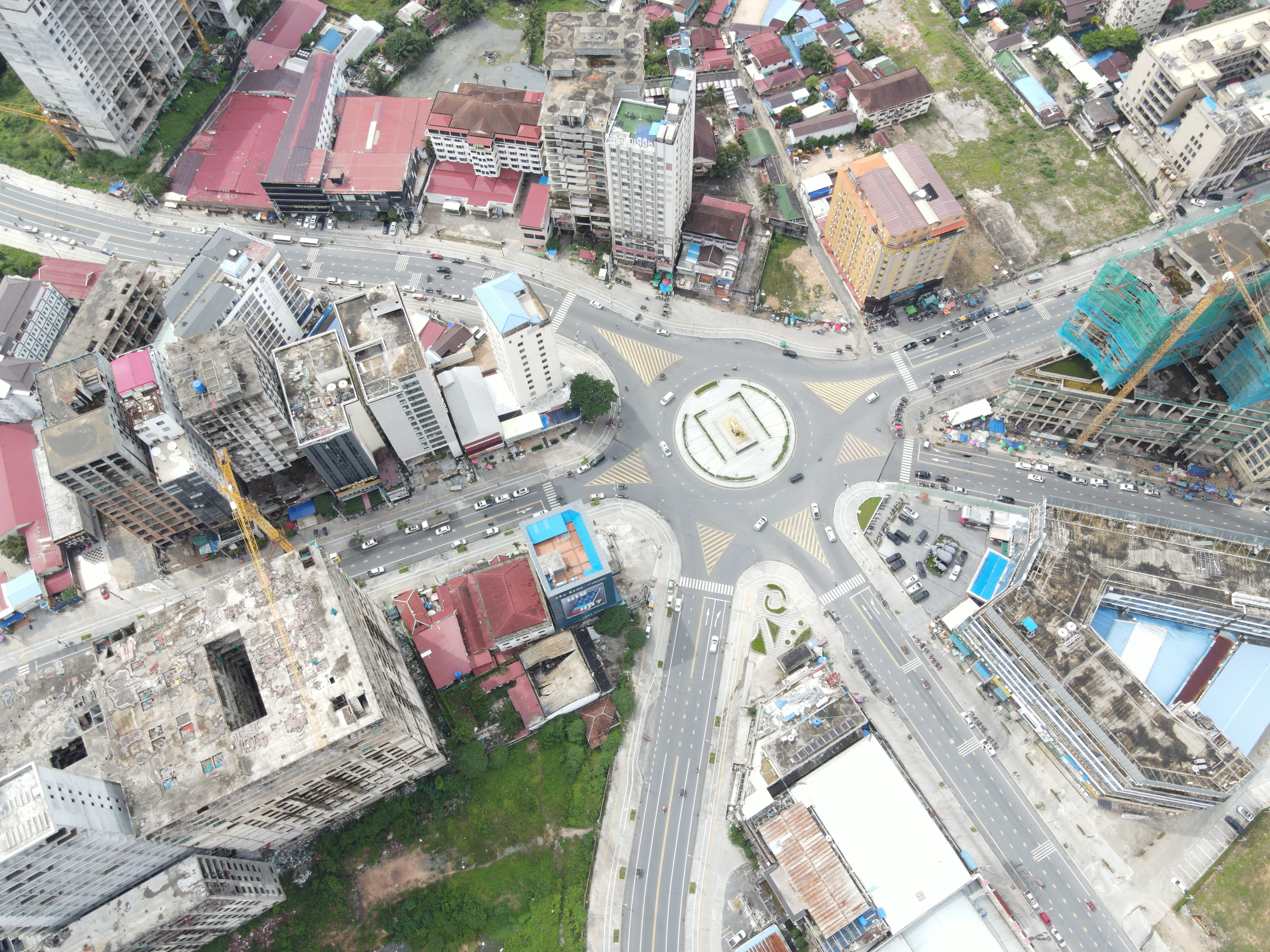 68
68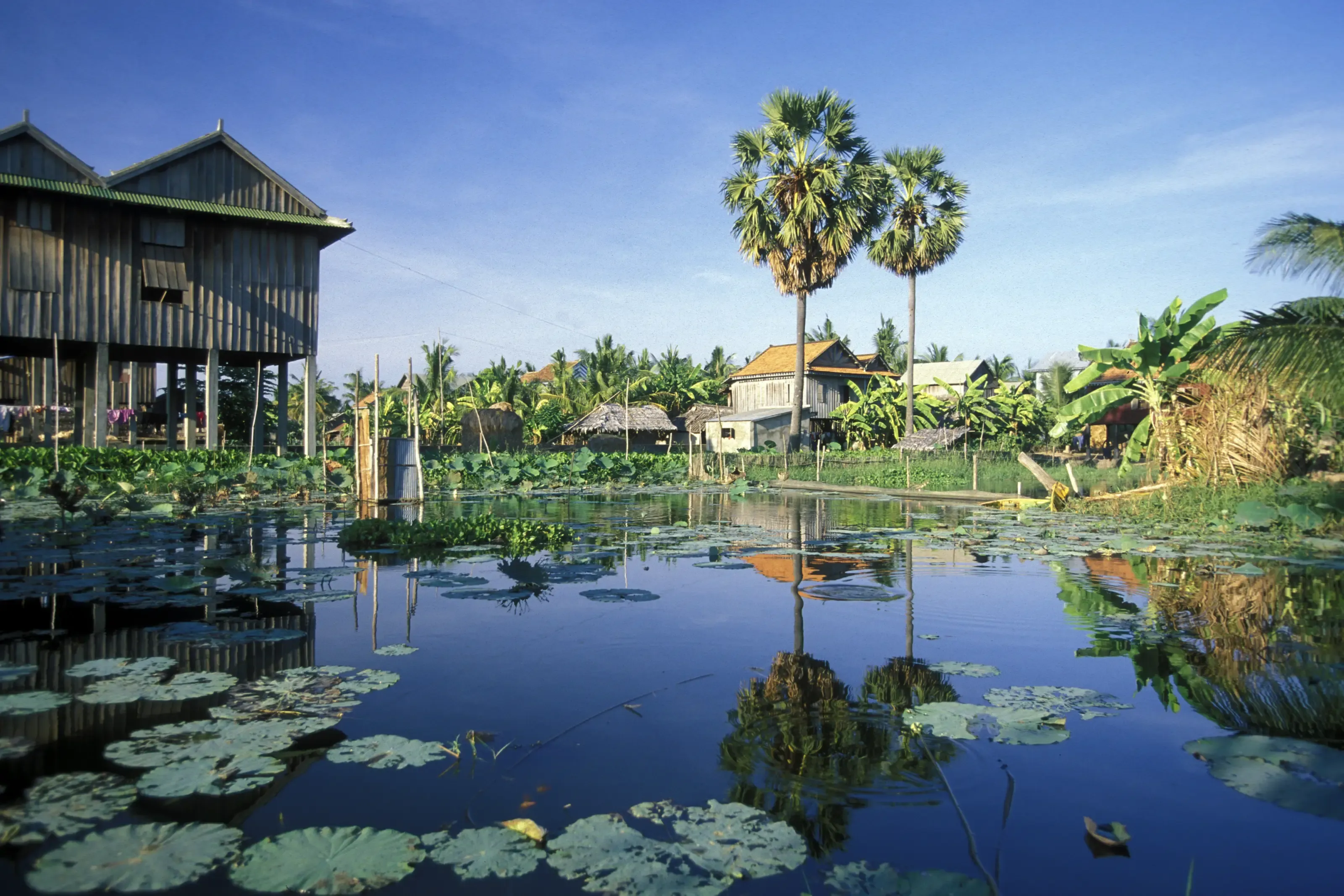 68
68After Landing: The Gap Between a 30-Day Stamp and a Real Stay
The e-class visa gets you into the country with an initial 30-day permission to stay. That part is straightforward. What happens next is where people assume continuity and run into a wall of bureaucracy they didn’t plan for.
Extensions happen at the Immigration Department in Phnom Penh, and you handle them in person. There’s no online portal for e-class extensions. You’ll line up and present your documents, sometimes to an officer who asks for details that didn’t appear on the original application. Bank statements that felt fresh back home are now a couple of months old, and you’ll need to show them again, along with proof of your address in Cambodia and the passport pages with the entry stamp.
Applicants who arrive without a local phone number or a residential address they can document lose time. A hotel booking isn’t sufficient for the first extension. You need a rental agreement or a letter from a landlord. That piece catches people who intended to sort out housing after landing, only to discover the extension clock is already ticking.
The process itself isn’t adversarial. It’s repetitive and paper-based, and the timeline depends on how organized your folder is. A cover letter tailored for the extension, reaffirming the same remote-work arrangement, can shorten the interaction. Officers will check that your circumstances haven’t changed and that you’re not angling to work for a local entity. Your original employment documents get pulled out and compared, so any discrepancy between your initial application and the extension filing creates suspicion.
You’ll pay the extension fee in cash, in US dollars. Bring clean, undamaged notes. The Immigration Department has been known to reject bills with small tears, and a rejected payment can mean you come back the next day with fresh cash and a reset queue.
The visa doesn’t come with a work permit for the local market. That’s not a problem if you stay remote, but if you slip into consulting for a Cambodian company, even for a short project, the extension filing becomes legally fraught. Officers don’t audit your laptop, but patterns matter. An extension can be denied if your activities suggest you’ve crossed the line the initial cover letter drew.
Why You Pick This Over the Alternatives in the Region
Southeast Asia is crowded with digital nomad visas, each bundling a different set of friction points. Cambodia’s e-class asks for none of the things that make those others feel heavy. No interview. No medical exam. No FBI background check. No apostille. No certificate of coverage for health insurance. The documents list is short, and the threshold at $1,170 a month is the floor, not a barrier.
That absence of checkpoints creates a path that’s more accessible to someone who doesn’t want to assemble a binder of notarized forms. The application moves on the strength of your financials and your cover letter, not on third-party verifications you have to chase. For a freelancer whose clients don’t issue employer letters in corporate language, that’s a meaningful difference. You can write your own explanation and pair it with bank statements, and that combination is what gets reviewed.
The trade-off is that the visa is renewable but doesn’t build toward permanent residency or citizenship directly. In a region where some visas market a multi-year stay with a path to a passport, Cambodia’s offer is quieter. It’s a renewable one-year arrangement, with annual visits to Immigration. People who want a five-year plan in a spreadsheet often look elsewhere. People who want to land cheaply, live well on foreign income, and not get tangled in paperwork choose this one.
Price also tilts the decision. The application fee is $35. There’s no upfront investment of thousands of dollars in a visa agent or a government fund. The low cost means you can change your mind without financial regret, which isn’t true of destinations where the visa fee alone is four figures.
Cambodia’s tax treatment of foreign-sourced income, combined with its lack of a presence requirement for maintaining the visa, keeps the arrangement light. No minimum days in-country, no quarterly reporting. You can come and go, and the visa doesn’t punish you for leaving. That flexibility matches the way many remote workers already live.
The alternative isn’t one country. It’s the pattern of applying somewhere else and getting bogged down in a process that feels like a job interview for a life you already have. That’s the comparison that keeps the e-class in the conversation.
The Cover Letter That Carries More Weight Than It Lets On
Most applications get approved or denied before an officer ever reaches the financials. The cover letter is where that decision leans, and a surprising number of submitted letters read like an afterthought.
The consulate isn’t looking for persuasion. It’s looking for clarity. State your purpose plainly: remote work for companies outside Cambodia, all income foreign-sourced, no services rendered locally. Then show the link between that statement and the documents attached. The letter should reference your employer or clients by name, confirm the remote arrangement, and tie the income deposits to the bank statements provided. When an officer can trace the logic without flipping back and forth, the application moves.
A common mistake is treating the cover letter as a formality and submitting a template. But the officer reads several a day and can spot generic language immediately. A line that says “I work remotely for a US company” paired with bank deposits from a payment processor like Wise or PayPal demands an explanation. The letter should preempt that question. Something as simple as “Payments from my client arrive via Wise and are reflected in my bank statements under the descriptor TransferWise” connects the dots before the officer starts looking for them.
Another misstep is oversharing. A cover letter that volunteers travel plans, personal motivations, or admiration for Cambodian culture invites scrutiny that has nothing to do with the visa criteria. Keep it functional. The length should cover what’s needed and stop.
Self-employed applicants who run their own businesses need to spell out the ownership structure and the nature of the work. If your company registration is in your name but the bank account is under a trading name, that’s the detail that gets flagged. A short sentence clarifying the entity-bank relationship prevents a request for incorporation documents you might not have.
The letter also serves as the container for statements you can’t make elsewhere in the application. If your income fluctuates seasonally, explain the pattern. If you’re funded by savings rather than active income, articulate that and point to the account balances. You don’t need to justify your life. You need to remove the ambiguity that would otherwise stall the file.
The person reading the letter is not your advocate. They’re evaluating whether your presence in Cambodia will create problems for local labor or public resources. The letter is your one chance to quietly answer that question before a doubt even forms.
Work Permissions
Application Steps
- 1
📋 Research E-class eligibility
1-2 days
- 2
📄 Download visa application form
Same day
- 3
📄 Prepare passport and fee
1 day
- 4
📬 Submit at embassy or by mail
Same day
- 5
⏳ Wait for processing
7-10 working days
- 6
🏛️ Enter Cambodia and extend
1 day
- 7
🏛️ Apply for work permit
1-2 weeks
Planning a long stay? Compare international health plans for Cambodia.
Compare health insuranceWe may earn a commission at no cost to you.
Compare this visa
Curated comparisons that include this route.
Frequently Asked Questions
Click any question to expand the answer.
Ready to Apply?
Work with trusted visa specialists who handle the paperwork so you can focus on your move.
Get help with this visa →* We may earn a commission if you apply through our link
At a Glance
Last verified: October 9, 2026