The Climate Migration FIRE Guide: Retire Early While Escaping Extreme Weather
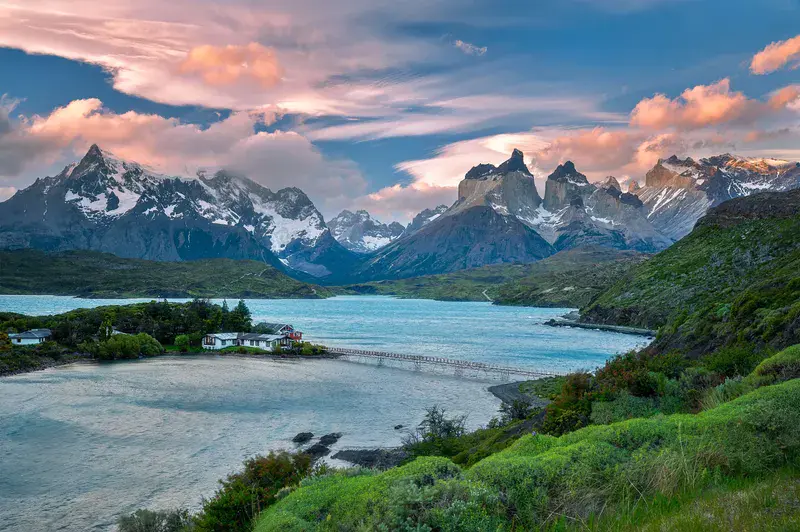
You: 🧘♀️ sipping cappuccino in Slovenia, mountain views on deck.
Your portfolio: 📈 up 40% faster thanks to geoarbitrage and lower costs.
Your friends back home: sandbagging their driveway again.
This isn’t a fantasy vacation—it’s the new FIRE reality. As climate migration accelerates (think: 216 million by 2050), you have a window to plant roots in places that won’t burn, flood, or financially wreck you.
This playbook walks you through how to get ahead—where to go, what it costs, and how to retire earlier and smarter.
The Climate Migration Opportunity: Why This Changes Everything for FIRE
The intersection of climate change and financial independence creates a perfect storm of opportunity for strategic early retirees. An estimated 1.2 billion people could be displaced due to climate-related disasters by 2050, while extreme weather events have already caused more than 765,000 deaths worldwide between 1993 and 2022.
Here's what this means for your FIRE strategy:
The Early Mover Advantage 📈
- Climate-safe destinations are still affordable before mass migration drives up costs
- Real estate prices in climate havens will likely appreciate significantly
- First-mover residents often receive preferential visa treatment
- Infrastructure development follows early expat communities
The Compound Savings Effect While Americans spend increasingly more on climate adaptation (higher insurance, cooling costs, storm damage), climate migrants enjoy:
- 40-70% lower living costs in many climate-safe destinations
- Stable energy costs year-round
- Minimal weather-related property damage
- Healthcare systems not overwhelmed by climate-related illnesses
Climate-Proof FIRE Destinations: The Data-Driven Analysis
I've analyzed dozens of potential destinations using climate resilience data, cost of living metrics, and FIRE-specific factors. Here are the standout winners:
Tier 1: The Climate FIRE Champions
Destination | Monthly FIRE Budget | Climate Risk Score | Visa Difficulty | FIRE Timeline Impact | Key Climate Advantage |
|---|---|---|---|---|---|
$2,400 | Very Low | Medium | -6 years | Alpine cooling, stable water | |
Northern Portugal | $2,200 | Low | Low | -5 years | Maritime buffer, reliable rain |
Tasmania, Australia | $2,800 | Very Low | High | -4 years | Island isolation, cool temps |
Coastal Chile | $1,800 | Low | Medium | -7 years | Pacific moderation, mountain protection |
New Zealand South Island | $3,200 | Very Low | High | -3 years | Temperate climate, low disaster risk |
Slovenia: The Hidden European Gem
After spending six months researching climate data and three weeks on the ground in Ljubljana, Slovenia emerges as the ultimate climate FIRE destination. Here's why it's perfect for climate-conscious early retirees:
Climate Advantages:
- Alpine location provides natural cooling and stable water supply
- Minimal extreme weather events compared to most of Europe
- Sustainable energy infrastructure (60% renewable)
- No hurricane, tornado, or significant flood risk
FIRE Benefits:
- Monthly budget: $2,400 for comfortable lifestyle
- EU membership provides access to excellent healthcare
- Digital nomad visa pathway for remote workers
- Real estate prices 60% below Western European averages
Real Example: Sarah and Mike from Phoenix relocated to Ljubljana in 2023 after their home insurance tripled due to extreme heat. Their monthly expenses dropped from $4,200 to $2,400, while their quality of life improved dramatically. They calculate reaching FIRE 6 years earlier than staying in Arizona.
Check out our detailed Slovenia living guide for complete relocation information.
Northern Portugal: Atlantic Resilience
The northern regions of Portugal, particularly around Porto and Braga, offer exceptional climate stability combined with affordable living:
Climate Profile:
- Maritime climate buffers against extreme temperatures
- Reliable rainfall patterns (not drought-prone like southern regions)
- Minimal wildfire risk compared to interior areas
- Stable agricultural regions indicate long-term sustainability
FIRE Breakdown:
- Monthly expenses: $2,200 (including housing, food, transport, healthcare)
- D7 visa provides straightforward residency path
- EU healthcare access through Portuguese system
- Growing expat community but not yet oversaturated
The complete Portugal FIRE guide covers visa strategies, tax implications, and city-by-city cost breakdowns.

Coastal Chile: South American Surprise
Chile's coastal regions, particularly around Valparaíso and La Serena, offer remarkable climate stability at budget-friendly costs:
Why Chile Works for Climate FIRE:
- Pacific marine climate moderates temperatures year-round
- Andes mountains provide natural disaster protection
- Stable political environment with strong institutions
- Modern infrastructure in coastal cities
Financial Reality:
- Monthly budget: $1,800 for excellent lifestyle
- Temporary residence visa available for pensioners/remote workers
- Private healthcare costs 70% less than US
- Real estate purchase rights for foreigners
The Climate Migration FIRE Calculator: Your Timeline Transformation
Let's calculate the exact impact of climate migration on your FIRE timeline using real scenarios:
Scenario 1: Phoenix to Ljubljana
Current Phoenix Reality (2025):
- Monthly expenses: $4,500
- Annual FIRE number needed: $1,350,000 (25x rule)
- Current savings rate: 25% of $85,000 income
- Years to FIRE: 22 years
Ljubljana Climate Migration:
- Monthly expenses: $2,400
- Annual FIRE number needed: $720,000
- Same income (remote work)
- Increased savings rate: 45% due to lower costs
- Years to FIRE: 14 years
- Timeline improvement: 8 years earlier retirement 🎯
Scenario 2: Miami to Northern Portugal
Miami Baseline:
- Monthly expenses: $3,800 (rising with insurance costs)
- Increasing climate risks and costs
- Years to FIRE: 18 years
Northern Portugal Migration:
- Monthly expenses: $2,200
- EU healthcare and stability
- Years to FIRE: 12 years
- Timeline improvement: 6 years plus protection from climate risks

Use our FIRE calculator to model your specific climate migration scenario.
The Hidden Costs: What Climate Migration Really Requires
While the long-term benefits are enormous, successful climate migration requires upfront investment and planning:
Climate Migration Cost Breakdown by Destination
Expense Category | Northern Portugal | Coastal Chile | Budget Range | |
|---|---|---|---|---|
Visa & Legal | €1,200 | €800 | $1,500 | $500-2,000 |
Document Prep | €400 | €300 | $600 | $300-800 |
International Move | €4,500 | €3,200 | $5,000 | $3,000-8,000 |
Temporary Housing | €2,400 | €1,800 | $2,200 | $2,000-4,000 |
Setup Costs | €2,000 | €1,500 | $2,800 | $2,000-5,000 |
Total Investment | €10,500 | €7,600 | $12,100 | $8,000-23,000 |
Payback Period | 14 months | 12 months | 16 months | 12-18 months |
This might seem significant, but consider: many Americans now spend $5,000-15,000 annually on climate adaptation (higher insurance, emergency repairs, cooling costs). The ROI on climate migration often pays back within 2-3 years.
Climate Risk Assessment: Current vs Future Costs
Understanding your current climate exposure helps justify migration costs:
US Climate Risk Zones | Current Annual Costs | 2030 Projected Costs | 10-Year Increase | Climate Migration Savings |
|---|---|---|---|---|
Phoenix/Southwest | $8,200 | $15,600 | $74,000 | $112,000 (vs Slovenia) |
Miami/Southeast | $6,800 | $12,400 | $56,000 | $86,000 (vs Portugal) |
California Wildfire | $9,500 | $17,200 | $77,000 | $115,000 (vs Chile) |
Gulf Coast Hurricane | $7,200 | $13,800 | $66,000 | $94,000 (vs Tasmania, Australia) |
Midwest Tornado Alley | $4,800 | $8,600 | $38,000 | $52,000 (vs New Zealand) |
Costs include: insurance premiums, energy bills, storm damage, emergency prep, health impacts
Key Insight: Even expensive climate migrations pay for themselves within 3-5 years through avoided climate costs alone.
Step-by-Step Climate Migration FIRE Implementation
Phase 1: Research and Planning (Months 1-6)
Climate Risk Assessment:
- Analyze your current location's climate projections for 2030-2050
- Calculate increasing costs (insurance, utilities, disaster preparedness)
- Identify personal climate priorities (temperature, precipitation, natural disasters)
Destination Selection:
- Use our country search tool to filter by climate criteria
- Cross-reference with visa pathway options
- Model costs using our geo-arbitrage calculator
Phase 2: Financial Preparation (Months 6-12)
Income Optimization:
- Transition to remote work or location-independent income
- Our remote income for FIRE guide provides detailed strategies
- Build 6-12 months emergency fund for relocation period
Investment Strategy:
- Consider international tax implications for your portfolio
- Research global retirement tax havens
- Optimize for currency diversification if moving to non-USD economy
Phase 3: Visa and Legal Preparation (Months 9-15)
Documentation:
- Apostille all necessary documents
- Obtain required translations
- Gather financial proof for visa applications
Visa Application:
- Apply for appropriate visa category (digital nomad, temporary residence, retirement)
- Prepare for potential in-person appointments
- Factor processing times into timeline
Phase 4: Relocation Execution (Months 12-18)
Soft Landing:
- Plan 2-4 week reconnaissance trip
- Test daily life logistics (banking, shopping, healthcare)
- Connect with expat communities and local resources
Full Relocation:
- Arrange international move for belongings
- Set up local banking and services
- Register with local authorities as required
Real-World Climate Migration FIRE Stories
Case Study 1: The Phoenix Escape
Background: David and Maria, both 38, worked in tech in Phoenix. Rising temperatures (115°F+ for weeks) and tripling electricity bills motivated their move.
Strategy: Relocated to Ljubljana, Slovenia in 2024
- Old Phoenix budget: $4,800/month
- New Ljubljana budget: $2,600/month
- Savings increase: $26,400 annually
- FIRE acceleration: 7 years earlier retirement
Quote: "We initially worried about the cultural adjustment, but the Alpine summers averaging 75°F versus Phoenix's 110°F made the lifestyle change worth every challenge. Our heating bills are lower than our old AC bills."
Case Study 2: The Hurricane Refugees
Background: Jennifer, single mother of two, lost her Florida home to Hurricane Ian in 2022.
Strategy: Insurance payout funded relocation to northern Portugal
- Florida housing costs: $2,800/month rent + $800 insurance
- Porto housing costs: $1,200/month + negligible insurance
- Additional savings: Healthcare costs dropped 60%
- FIRE timeline: Advanced by 5 years while providing children better opportunities
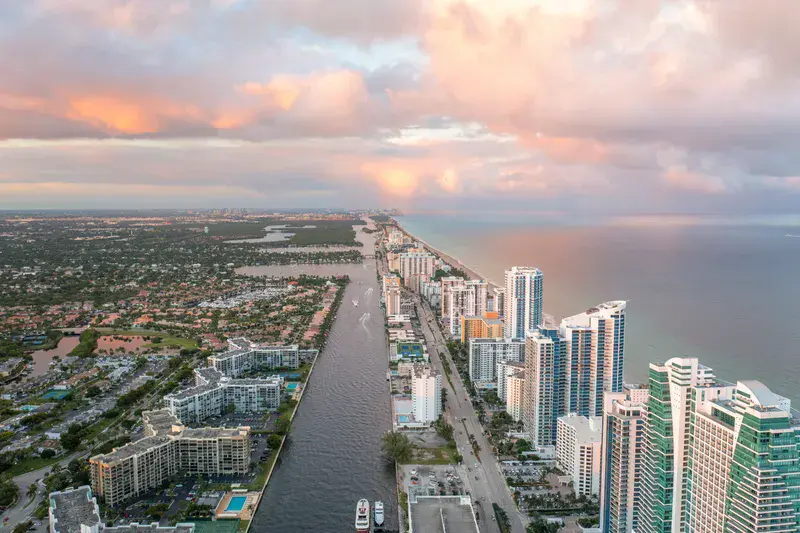
Update: Jennifer's children are now bilingual and excelling in Portuguese schools. She works remotely for a US company while living 10 minutes from the beach.
More inspiring stories in our FIRE abroad real stories collection.
Climate-Specific Healthcare and Insurance Considerations
Climate migration affects your healthcare needs and insurance costs dramatically:
Healthcare Advantages in Climate-Safe Destinations
Reduced Climate-Related Health Risks:
- Lower heat stress and cardiovascular strain
- Reduced respiratory issues from wildfires and pollution
- Decreased mental health impacts from climate anxiety
- Fewer emergency room visits for weather-related injuries
Cost Comparisons: Most climate-safe FIRE destinations offer superior healthcare at fraction of US costs:
- Slovenia: $150/month for comprehensive coverage
- Portugal: $200/month for private insurance (public option available)
- Chile: $120/month for excellent private coverage
Pros and Cons of Climate Migration FIRE
Advantages:
- Future-proofed location against climate disasters
- Dramatically lower living costs in most destinations
- First-mover advantage before mass migration
- Accelerated FIRE timeline through geographic arbitrage
- Improved quality of life and stress reduction
- Access to better healthcare in many destinations
Challenges:
- Language barriers in non-English speaking countries
- Distance from family and established support networks
- Visa complexity and ongoing compliance requirements
- Currency fluctuation risk affecting long-term budgets
- Cultural adaptation period and potential isolation
- Healthcare system differences requiring research and adjustment
Healthcare Cost Comparison: US vs Climate Havens
Healthcare Factor | US Average | ||||
|---|---|---|---|---|---|
Monthly Insurance | $456 | $150 | $200 | $120 | $180 |
Doctor Visit | $250 | $45 | $60 | $35 | $55 |
Specialist Consult | $400 | $80 | $100 | $70 | $90 |
Emergency Room | $1,200 | $200 | $150 | $180 | $250 |
Annual Physical | $350 | $60 | $80 | $50 | $75 |
Prescription Drugs | 100% | 30% | 25% | 40% | 35% |
Climate Health Risk | Increasing | Stable | Stable | Low | Very Low |
Percentages show cost relative to US baseline
Our overseas health coverage guide details specific options by country.
Insurance Cost Evolution
US Climate Insurance Trends:
- Home insurance increases 10-20% annually in high-risk areas
- Flood insurance becoming mandatory in previously safe zones
- Health insurance premiums rising due to climate-related claims
Climate Haven Advantages:
- Stable property insurance rates
- Lower natural disaster premiums
- Reduced need for emergency preparedness costs
Explore comprehensive comparisons in our healthcare abroad vs US guide.
Advanced Climate Migration Strategies
The Climate Arbitrage Portfolio Approach
Instead of full relocation, consider the "climate arbitrage" strategy:
Multi-Base Strategy:
- Summer base in climate-cool location (Slovenia, northern Portugal)
- Winter base in stable warm location (coastal Chile, northern Argentina)
- US base for family/business needs
Financial Benefits:
- Optimize for seasonal cost differences
- Maintain US investment accounts easily
- Spread climate risk across multiple locations
Implementation:
- Tourist visas for short-term stays
- Rental arrangements in each location
- Digital nomad visas for longer stays
Learn more about long-term international living in our Slowmad FIRE guide.
The Climate FIRE Real Estate Strategy
Smart climate migrants can benefit from real estate appreciation in climate havens:
Investment Thesis:
- Climate-safe areas will see massive demand increases
- Early investment in infrastructure-ready areas provides upside
- Rental income from climate refugees supplements FIRE income
Target Markets:
- Small cities with existing infrastructure (Ljubljana, Porto, Valparaíso)
- Areas with climate advantages but current affordability
- Regions with pro-immigration policies encouraging growth

Technology and Climate Migration
Leverage technology to optimize your climate migration:
Climate Monitoring:
- Use climate projection databases to verify destination safety
- Monitor air quality, temperature trends, and precipitation patterns
- Set up alerts for any concerning climate developments
Remote Work Optimization:
- Ensure reliable internet in climate-safe destinations
- Consider time zone implications for US clients/employers
- Test video conferencing quality before committing
Financial Management:
- Use international-friendly banking and investment platforms
- Leverage apps for currency exchange and international transfers
- Monitor tax implications with specialized software
Potential Challenges and Mitigation Strategies
Visa Pathway Comparison for Climate Migrants
Understanding visa options helps plan your climate migration strategy:
Country | Digital Nomad Visa | Retirement Visa | Investment Visa | Remote Work Option | Processing Time |
|---|---|---|---|---|---|
€500/year | N/A | €250k minimum | Self-employment visa | 3-6 months | |
€280/year | D7 (passive income) | €350k real estate | D7 visa | 2-4 months | |
$100/year | Pensioner visa | $180k investment | Temporary residence | 4-8 months | |
Work visa only | Parent/investor | $3M+ investment | Work to residence | 6-12 months | |
Tasmania (Australia) | Same as Australia | Investor visa | $2.5M+ investment | Skilled migration | 8-18 months |
Check our visa pathways tool for detailed requirements and current processing times.
Challenge 1: Visa Uncertainty
Risk: Visa policies can change, affecting long-term residency plans.
Mitigation:
- Pursue multiple visa pathways simultaneously
- Develop relationships with local immigration attorneys
- Consider investment-based visa options for added security
- Maintain eligibility for backup destinations
Challenge 2: Currency Fluctuation
Risk: Exchange rate changes can dramatically affect living costs.
Mitigation:
- Diversify income streams across currencies
- Use forward contracts for major expenses
- Maintain emergency funds in local currency
- Consider currency-hedged investment options
Challenge 3: Family and Social Connections
Risk: Distance from family and established social networks.
Mitigation:
- Plan regular visits with family (budget 2-3 trips annually)
- Leverage technology for maintaining relationships
- Connect with expat communities in destination
- Consider bringing extended family for shared experience
Challenge 4: Healthcare System Navigation
Risk: Unfamiliarity with foreign healthcare systems.
Mitigation:
- Research healthcare options thoroughly before moving
- Identify English-speaking doctors and facilities
- Understand insurance requirements and claim processes
- Maintain emergency contact with US-based physician
Ready to Rewire your Life?
Sign up to receive updates and insights.
By submitting your email address, you will receive a free subscription to RA Postcards and special offers from Rewire Abroad and our affiliates. You can unsubscribe at any time, and we encourage you to read more about our Privacy Policy.
Climate Migration Timeline: When to Make Your Move
The optimal timing for climate migration depends on multiple factors:
Personal Readiness Indicators
Financial Readiness:
- 6-12 months expenses saved for transition
- Remote income established or pension/investment income sufficient
- Debt minimized to reduce financial complexity
Career Readiness:
- Remote work arrangement secured
- Professional skills adapted for international market
- Network established for international business development
Life Stage Considerations:
- Children's education requirements addressed
- Family health needs accommodated in destination
- Retirement planning optimized for international living
Climate Migration FIRE Timeline by Life Stage
Different life stages require different approaches to climate migration timing:
Life Stage | Optimal Timeline | Key Considerations | Recommended Destinations | FIRE Impact |
|---|---|---|---|---|
20s-Early 30s | 1-2 years | Career flexibility, adventure | +8-10 years | |
30s-40s (Kids) | 2-3 years | School systems, family adaptation | New Zealand, Tasmania (Australia), Slovenia | +5-7 years |
40s-50s (Peak Career) | 1-3 years | Remote work transition | +4-6 years | |
Pre-Retirement (55+) | 6-18 months | Healthcare access, visa simplicity | +3-5 years | |
Retired | 3-12 months | Healthcare, cost optimization | All destinations | Immediate benefit |
Market Timing: The Climate Migration Window
Optimal Window: 2025-2028
- Climate-safe destinations still affordable
- Visa policies generally welcoming
- Infrastructure development following early expats
- Technology supporting remote work maturation
Warning Signs for Urgency:
- Increasing natural disasters in your current location
- Insurance costs becoming prohibitive
- Local infrastructure failing under climate stress
- Property values declining due to climate risks
Use our FIRE procrastination calculator to understand the cost of delaying your climate migration strategy.
The Climate Migration FIRE Community
Successfully executing climate migration FIRE benefits enormously from community support:
Building Your Network
Before You Move:
- Connect with expat communities online
- Join location-specific Facebook groups and forums
- Attend virtual meetups for your target destination
After Arrival:
- Participate in local expat organizations
- Join hobby groups and language classes
- Volunteer with local charities or environmental organizations
Contributing to Climate Solutions
Many climate migrants find purpose in contributing to climate resilience in their new homes:
Opportunity Areas:
- Sustainable agriculture and permaculture
- Renewable energy projects
- Climate education and awareness
- Environmental conservation efforts
This creates additional income streams while building meaningful connections with local communities.
Key Climate FAQs ❓
Click any question to expand the answer.
Final Thoughts: Your Climate-Safe FIRE Future
Climate migration FIRE represents more than just geographic arbitrage—it's about positioning yourself for a future where climate resilience becomes increasingly valuable. With 216 million people expected to migrate due to climate change by 2050, early movers will benefit from affordable housing, welcoming policies, and first-mover advantages in infrastructure development.
The math is compelling: most climate migrants can accelerate their FIRE timeline by 5-8 years while dramatically improving their quality of life and future security. Countries like Slovenia and northern Portugal offer the perfect combination of climate stability, affordable living, and expat-friendly policies.
But timing matters. Every year of delay means higher costs as climate havens become more popular and expensive. The window for optimal climate migration FIRE is open now, but it won't stay that way forever.
Your Next Steps:
- Assess your climate risk using local climate projections and cost trends
- Model your timeline with our FIRE calculator for different destinations
- Research destinations using our country directory and visa pathways tool
- Plan your reconnaissance trip to your top 2-3 destinations
- Connect with our community for ongoing support and insights
The climate is changing whether we like it or not. The question isn't whether to adapt—it's whether you'll adapt proactively or reactively. Climate migration FIRE lets you turn the greatest challenge of our time into your greatest financial opportunity.
Ready to escape extreme weather while accelerating your path to financial independence? Explore our complete roadmap for thriving overseas and start building your climate-safe FIRE future today. 🌍🔥
The data shows the window for optimal climate migration is 2025-2028. Don't let procrastination cost you years of your financial independence—and your peace of mind about the future.