Financial services dominate the modern economy here, with major banks and insurance companies establishing regional offices to tap into lower costs than London while maintaining good transport links. Tourism still employs thousands during peak season, from hotel staff to beach vendors, though it's heavily seasonal work. Bournemouth University brings steady employment in education and research, particularly in media and health sectors. The job market leans heavily toward service industries — you'll find work in finance, hospitality, or education more easily than manufacturing or tech.
Expect to pay around £1,000 ($1,350) monthly for a one-bedroom in the city center, with cheaper options further from the beach. The NHS provides healthcare access, though GP appointments can take weeks to secure. Public transport relies mainly on buses — no underground here — and many residents cycle or walk given the compact size. English fluency is obviously essential for most jobs. Council bureaucracy moves at typical British pace, meaning weeks for simple permits, though online services have improved significantly in recent years.
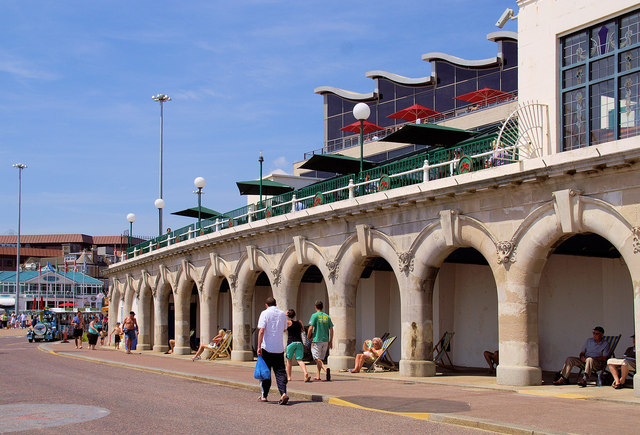
The seven-mile beach stretch genuinely delivers year-round appeal, though British weather means you'll appreciate it most from May through September. Victorian architecture gives the town character beyond typical seaside tackiness. The student population keeps nightlife active, while retirees dominate daytime café culture. Weekend options include coastal walks, Premier League football at AFC Bournemouth, or day trips to the New Forest. This suits people wanting seaside living with decent amenities but not London prices or pace.