Mariupol, Ukraine
Data updated Oct 9, 2026
📊 Scores
Best fit: FIRE / Geoarbitrage (score: 49)
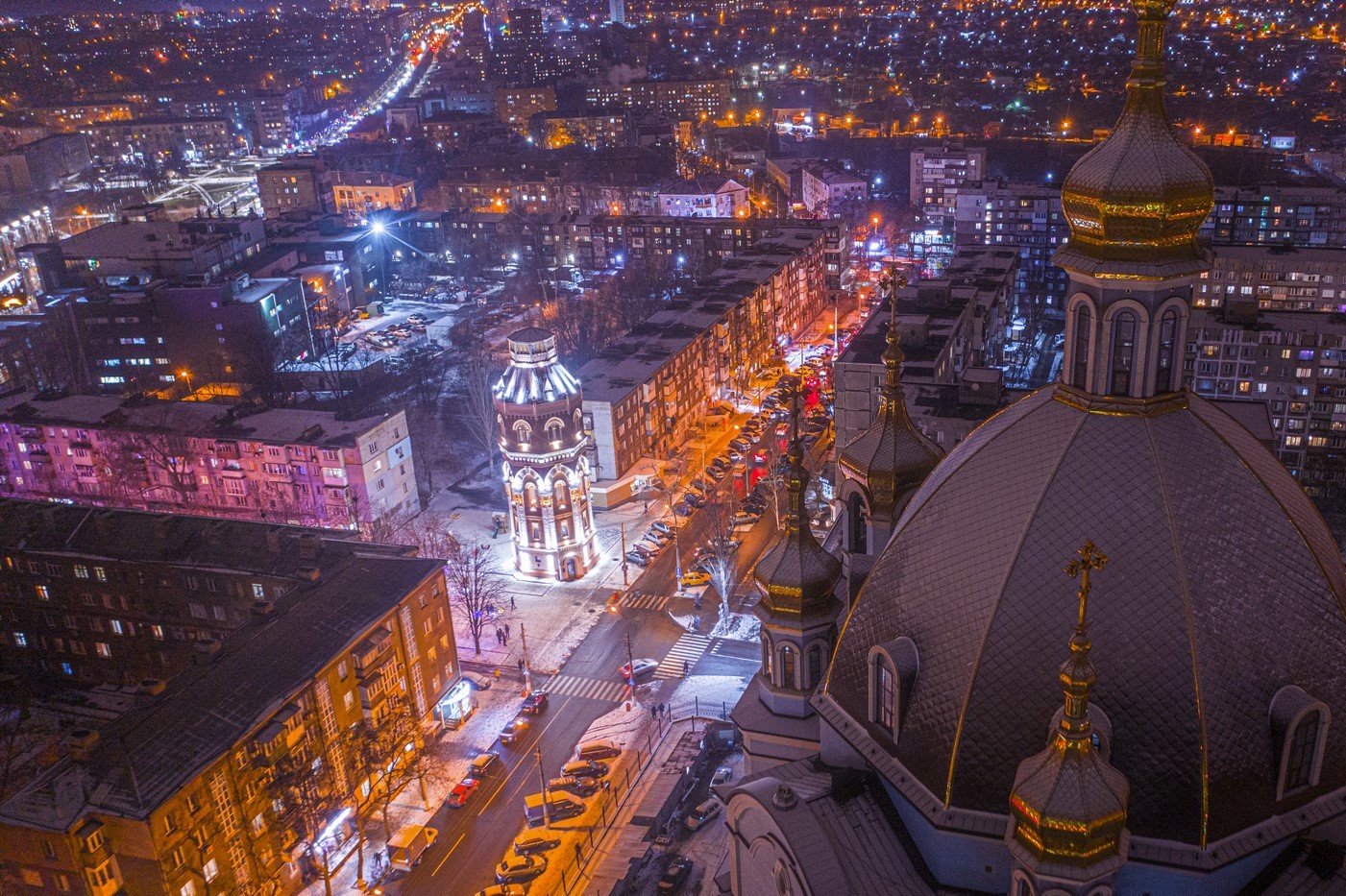
Mariupol sits on the northern coast of the Sea of Azov in southeastern Ukraine, a port city of 446,000 people at just 10 meters above sea level. Its continental climate brings hot, dry summers and cold, windy winters, with the sea moderating extremes near the coast. The city center, with its wide boulevards and Soviet-era blocks, is the most practical choice for newcomers, though there are no established expat neighborhoods to speak of. Most foreigners who settle here rent in the central districts for proximity to services and the waterfront, while those prioritizing lower costs look to the outer residential areas, where the urban grid quickly gives way to industrial zones and open steppe.
Living costs in Mariupol are remarkably low, especially when measured against local wages. A one-bedroom apartment in the city center rents for $250/mo, dropping to $180/mo outside the center, while a three-bedroom in the center costs $450/mo and $300/mo on the outskirts. A single adult can live on a budget tier total of $342/mo, a mid-range tier of $534/mo, or a comfortable tier of $731/mo, all including rent. Excluding housing, a single person spends about $380/mo, and a family of four about $1,100/mo. Utilities run $109/mo, internet $6/mo, a mobile plan $6/mo, and a monthly public transport pass $13/mo. An inexpensive restaurant meal costs $13, a three-course meal for two at a mid-range restaurant runs $33, and a cappuccino is just $1. The average monthly net salary is $467/mo, which means that even a modest local income covers the essentials, though the cost of living index of 22/100 (New York City = 100) makes the city one of the cheapest in Europe.
Safety and healthcare are the two biggest concerns for anyone considering Mariupol. The safety index sits at 30/100, and the crime index at 70/100, with lower being safer for the latter, indicating a higher-than-average risk of petty crime and instability. The healthcare quality is rated as poor, so expats and retirees should plan for serious medical needs to be handled elsewhere, perhaps in Kyiv or abroad. The air quality index is 75, which is moderate but not ideal for those with respiratory conditions. English is widely spoken, which helps in daily interactions, but the expat community size is listed as none, meaning you will largely be on your own when it comes to building a social network.
For visas, Ukraine offers the Digital Nomad Visa, which requires a minimum monthly income of $2,000/mo, a threshold well above the local average salary. Getting to Mariupol is straightforward via the nearest airport, MPW, located just 8 km from the city center. This city suits budget-conscious travelers and digital nomads who can meet the visa income requirement and who are comfortable with a lower level of safety and healthcare. The FIRE score of 74/100 is strong, reflecting the low cost of living, while the retiree score of 39/100 is weak due to healthcare and safety concerns. The digital nomad score of 60/100 is moderate, and the overall expat score of 49/100 suggests that Mariupol is a niche choice, best for those who prioritize affordability over comfort and security.
Estimate the cost of moving to Mariupol, Ukraine
Get a free moving cost estimate for moving to Mariupol, Ukraine. Takes 10 seconds.
How much are you shipping?
When are you moving?
Powered by Sirelo. Free quotes from international movers.
🏚️ Cost of Living
💰 Budgets and Costs
Mariupol on a budget budget comes to about $460 a month for one adult, with $180 of that going to rent. Beyond rent the estimate covers $80.00 on groceries, $51.00 on dining out, $16.00 on entertainment and lifestyle, $120 on utilities and connectivity and $13.00 on transport.
Rent
$180/mo
1BR outside the centre
Groceries
$80.00/mo
75% of mid-range grocery spend
Dining out
$51.00/mo
4 inexpensive meals
Entertainment & lifestyle
$16.00/mo
1 cinema trip, 8 cappuccinos
Utilities & connectivity
$120/mo
utilities, mobile, internet
Transport
$13.00/mo
Monthly pass
Budgets (excl. rent)
Excludes rent. The total above is all-in, rent included.
Mariupol on a mid-range budget comes to about $573 a month for one adult, with $180 of that going to rent. Beyond rent the estimate covers $106 on groceries, $128 on dining out, $26.00 on entertainment and lifestyle, $120 on utilities and connectivity and $13.00 on transport.
Rent
$180/mo
1BR outside the centre
Groceries
$106/mo
Staples basket scaled to a full month
Dining out
$128/mo
10 inexpensive meals
Entertainment & lifestyle
$26.00/mo
2 cinema trips, 12 cappuccinos
Utilities & connectivity
$120/mo
utilities, mobile, internet
Transport
$13.00/mo
Monthly pass
Budgets (excl. rent)
Excludes rent. The total above is all-in, rent included.
Mariupol on a comfortable budget comes to about $756 a month for one adult, with $250 of that going to rent. Beyond rent the estimate covers $149 on groceries, $177 on dining out, $47.00 on entertainment and lifestyle, $120 on utilities and connectivity and $13.00 on transport.
Rent
$250/mo
1BR in the centre
Groceries
$149/mo
140% of mid-range grocery spend
Dining out
$177/mo
6 inexpensive meals + 6 mid-range meals
Entertainment & lifestyle
$47.00/mo
4 cinema trips, 20 cappuccinos
Utilities & connectivity
$120/mo
utilities, mobile, internet
Transport
$13.00/mo
Monthly pass
Budgets (excl. rent)
Excludes rent. The total above is all-in, rent included.
Estimates for one adult, built from this city's average prices and the usage shown for each tier. Your spending will differ with how often you eat out and where you live.
A 1BR in the center runs about $250/mo. If your income is in another currency, bank FX fees add up. A multi-currency account can cut that cost.
See low-fee transfersWe may earn a commission at no cost to you.
See how Mariupol's cost of living compares with Kolomyia (Kolomyya)
Be the first to report costs in Mariupol
🛡️ Safety & Crime
(Higher is safer)
(Lower is safer)
Mariupol is currently unsafe for expat relocation due to ongoing conflict. The city was heavily damaged during the 2022 Russian invasion and remains under Russian control with active military presence. Day-to-day life involves checkpoints, curfews, and restricted movement. Nighttime is particularly dangerous, and walkability is severely compromised by infrastructure damage and security concerns.
Beyond conventional crime, the primary risks are military-related: shelling, unexploded ordnance, and arbitrary detention by occupying forces. Petty theft and scams exist but are secondary concerns. Solo travelers of any gender face heightened vulnerability. Kidnapping and forced conscription are documented risks. Essential services, medical care, and communication infrastructure remain compromised.
Mariupol is under Russian military occupation following the 2022 invasion, making it a geopolitical hotspot with no functional civilian governance. Corruption is endemic, police are unreliable, and international law protections are minimal. For an American considering relocation, this city is not viable—it presents extreme security risks including potential detention, lack of consular support, and active conflict zones. Strongly advise against any move here.
Mariupol has a safety index of 30/100. Petty theft and lost belongings are the most common problems for newcomers. Compare travel insurance before you go.
Compare travel insuranceWe may earn a commission at no cost to you.
🏥 Healthcare
See how Mariupol's healthcare compares with Kolomyia (Kolomyya)
🌤️ Climate
Best Months
Climate Notes
Humid continental climate with hot summers and industrial air quality impact.
💻 Digital Nomad
Community Notes
Undergoing reconstruction with limited infrastructure.
Coworking Spaces
| Name | Notes |
|---|---|
| IQ Coworking | Located in the city center, IQ Coworking offers a modern workspace with reliable internet, meeting rooms, and a collaborative atmosphere. It's a good option for digital nomads seeking a professional environment in a central location. |
| Creative Space Spalah | While primarily a creative hub and educational center, Spalah often provides coworking options. It's known for its community events and workshops, making it suitable for expats looking to connect with local creatives and entrepreneurs. |
Names, locations and hours can change. Check each space's website before you visit. Places from © OpenStreetMap contributors and Foursquare Open Source Places (Apache 2.0).
Planning to live in Mariupol long-term? Ukraine Digital Nomad Visa lets remote workers live legally with a minimum income of $2,000/month.
View full requirements →Working remotely from Mariupol? Nomad health insurance covers you across borders, month to month.
See nomad insuranceWe may earn a commission at no cost to you.
See how Mariupol's digital nomad life compares with Kolomyia (Kolomyya)
🧳 Expat Life
Expat Life Notes
Mariupol is currently a war zone and not a viable relocation target.
Cons
- ✗ Extreme safety risk
- ✗ Total infrastructure collapse
🏘️ Neighborhoods in Mariupol
Conditions can change from one block to the next, and these descriptions are general guides, not safety assessments. Before choosing where to stay or live, check current travel advisories, talk to people who live there, and visit in person if you can.
Neighborhood guides for this city are being reviewed. In the meantime, see the safety section and check current travel advisories before choosing where to stay.
Could living/working in Mariupol cut years off your work life?
With a 1-bedroom in the center at $250/mo, your FIRE number here might be much lower than you think.
🛂 Visa Options for Ukraine
Many long-stay visas require proof of health insurance. Compare international health plans before you apply.
Compare health insuranceWe may earn a commission at no cost to you.
Earning over $2,000/mo? You may qualify for a Ukraine visa.
Answer 11 questions and get a personalized match in under 2 minutes.
More Cities to Consider instead of Mariupol
Frequently Asked Questions about Mariupol
Click any question to expand the answer.
Share This Guide
Mariupol won't stay this cheap forever.
Cost-of-living and visa updates for Mariupol and the rest of Ukraine. Free with RA Postcards.
By submitting your email address, you will receive a free subscription to RA Postcards and special offers from Rewire Abroad and our affiliates. You can unsubscribe at any time, and we encourage you to read more about our Privacy Policy.