Fort Portal, Uganda
Data updated Oct 9, 2026
📊 Scores
Best fit: FIRE / Geoarbitrage (score: 53)
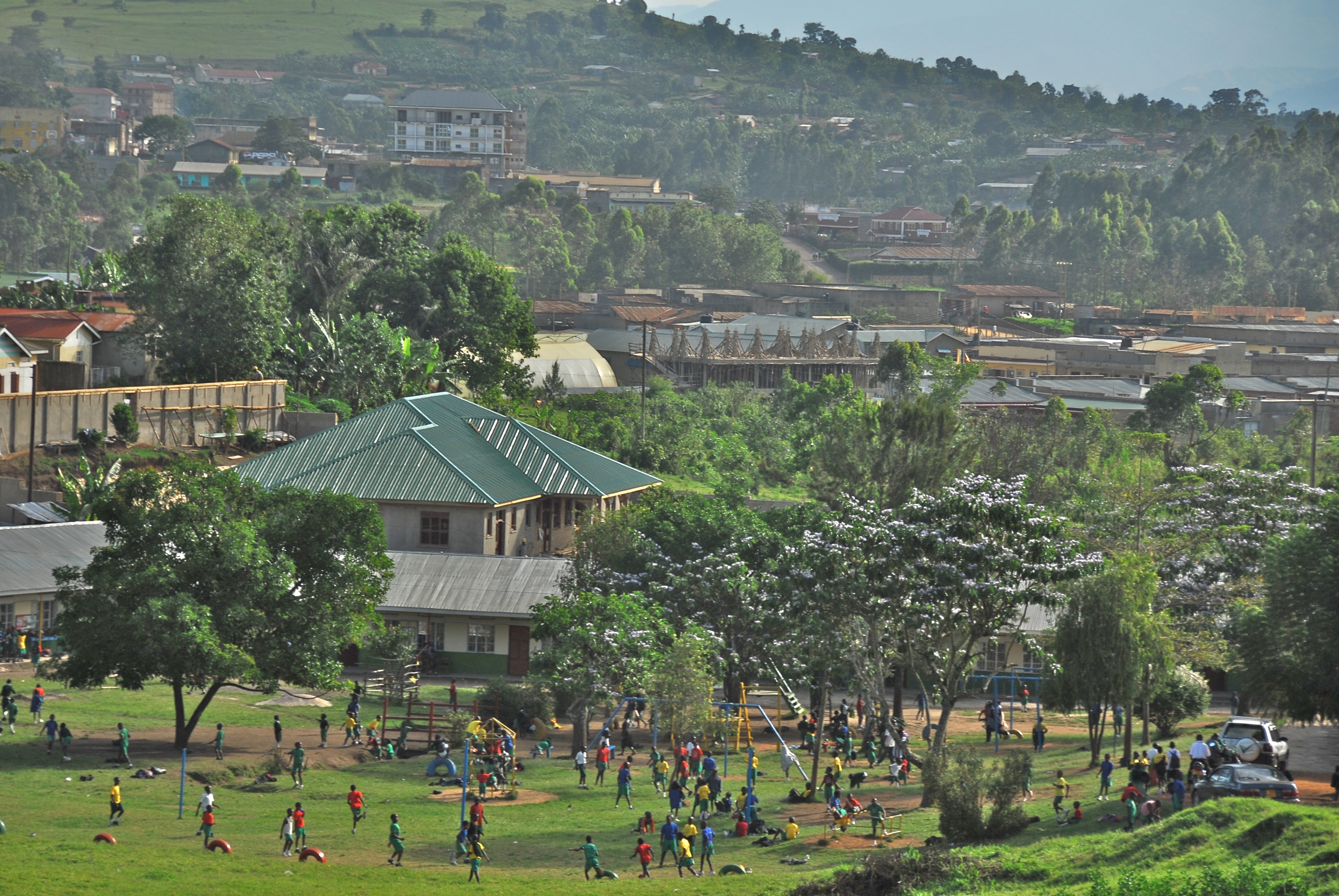
Fort Portal sits at 1,500 meters above sea level in western Uganda, a tropical town of 138,000 people that feels a world away from the capital's chaos. Its elevation keeps the climate pleasantly mild, a relief from the lowland heat. Expats who do settle here tend to cluster in the Fort Portal Town Center, where daily errands are walkable, or on the slopes of Kabarole Hill, which offers more space and a quieter vibe. The expat community is very few, so don't expect a large social scene, but the town's small size makes it easy to become a familiar face.
Living costs here are remarkably low, even by regional standards. A single person's total budget, including rent, runs from $332/mo on a tight budget to $446/mo for mid-range and $594/mo for a comfortable lifestyle. Rent outside the center is a steal: $200/mo for a one-bedroom, $400/mo for a three-bedroom, while the center commands $300/mo and $600/mo respectively. Utilities run $69/mo, internet is $34/mo, and a mobile plan costs $12/mo. A meal at an inexpensive restaurant sets you back just $2, and a cappuccino is $3. The catch is local wages: the average monthly net salary is $250/mo, so most residents live on far less than what a foreigner might spend.
Safety in Fort Portal is a mixed bag. The safety index sits at 50/100, and the crime index is also 50/100, meaning you should take standard precautions, especially at night. Healthcare quality is rated poor, so for anything beyond basic needs, you'll likely travel to Kampala or abroad. The air quality index is 35, which is decent, but the lack of reliable medical facilities is a real consideration for longer stays.
For long-term stays, the Certificate of Residence (Due to Long stay) is the retirement visa program available. Getting to Fort Portal requires a flight into EBB, the nearest airport, which is 251 km away, followed by a drive or bus ride. This town suits budget-conscious travelers, especially those interested in FIRE, given its 78/100 FIRE score. It's less ideal for digital nomads, with a score of 47/100 and average internet speeds of 12 Mbps, or for retirees, who score 48/100 due to healthcare concerns. If you're drawn to a quiet, affordable base in Uganda's highlands, Fort Portal offers a unique, if challenging, lifestyle.
Estimate the cost of moving to Fort Portal, Uganda
Get a free moving cost estimate for moving to Fort Portal, Uganda. Takes 10 seconds.
How much are you shipping?
When are you moving?
Powered by Sirelo. Free quotes from international movers.
🏚️ Cost of Living
💰 Budgets and Costs
Fort Portal on a budget budget comes to about $413 a month for one adult, with $200 of that going to rent. Beyond rent the estimate covers $61.00 on groceries, $10.00 on dining out, $27.00 on entertainment and lifestyle and $115 on utilities and connectivity.
Rent
$200/mo
1BR outside the centre
Groceries
$61.00/mo
75% of mid-range grocery spend
Dining out
$10.00/mo
4 inexpensive meals
Entertainment & lifestyle
$27.00/mo
1 cinema trip, 8 cappuccinos
Utilities & connectivity
$115/mo
utilities, mobile, internet
Budgets (excl. rent)
Excludes rent. The total above is all-in, rent included.
Fort Portal on a mid-range budget comes to about $465 a month for one adult, with $200 of that going to rent. Beyond rent the estimate covers $81.00 on groceries, $24.00 on dining out, $45.00 on entertainment and lifestyle and $115 on utilities and connectivity.
Rent
$200/mo
1BR outside the centre
Groceries
$81.00/mo
Staples basket scaled to a full month
Dining out
$24.00/mo
10 inexpensive meals
Entertainment & lifestyle
$45.00/mo
2 cinema trips, 12 cappuccinos
Utilities & connectivity
$115/mo
utilities, mobile, internet
Budgets (excl. rent)
Excludes rent. The total above is all-in, rent included.
Fort Portal on a comfortable budget comes to about $696 a month for one adult, with $300 of that going to rent. Beyond rent the estimate covers $113 on groceries, $88.00 on dining out, $80.00 on entertainment and lifestyle and $115 on utilities and connectivity.
Rent
$300/mo
1BR in the centre
Groceries
$113/mo
140% of mid-range grocery spend
Dining out
$88.00/mo
6 inexpensive meals + 6 mid-range meals
Entertainment & lifestyle
$80.00/mo
4 cinema trips, 20 cappuccinos
Utilities & connectivity
$115/mo
utilities, mobile, internet
Budgets (excl. rent)
Excludes rent. The total above is all-in, rent included.
Estimates for one adult, built from this city's average prices and the usage shown for each tier. Your spending will differ with how often you eat out and where you live.
A 1BR in the center runs about $300/mo. If your income is in another currency, bank FX fees add up. A multi-currency account can cut that cost.
See low-fee transfersWe may earn a commission at no cost to you.
See how Fort Portal's cost of living compares with Mpigi
Be the first to report costs in Fort Portal
🛡️ Safety & Crime
(Higher is safer)
(Lower is safer)
Fort Portal feels moderately safe for expats during daylight hours, with a relaxed, walkable town center. However, nighttime safety is limited—most expats avoid walking alone after dark and use taxis instead. The city's small expat community generally reports feeling secure in established residential areas, though the overall safety perception is mixed and depends heavily on situational awareness and local knowledge.
Petty theft and pickpocketing occur, particularly in crowded markets and around the bus station. Violent crime against expats is rare but not unheard of. Avoid displaying valuables, walking alone at night, and the outskirts of town after sunset. Solo female travelers should exercise extra caution; harassment is occasional but manageable with standard precautions. Scams targeting foreigners are uncommon but do happen.
Uganda's political environment is generally stable, though corruption among police is notable—bribery requests from officers are possible. Fort Portal itself sees minimal political unrest compared to Kampala. Healthcare and emergency services are basic; serious medical issues may require travel to Kampala. For Americans considering relocation, Fort Portal is safer than many African cities but requires realistic expectations about infrastructure and consistent vigilance. It suits those comfortable with moderate risk and willing to adapt to local norms.
Fort Portal has a safety index of 50/100. Petty theft and lost belongings are the most common problems for newcomers. Compare travel insurance before you go.
Compare travel insuranceWe may earn a commission at no cost to you.
🏥 Healthcare
See how Fort Portal's healthcare compares with Mpigi
🌤️ Climate
Best Months
Climate Notes
Fort Portal has a tropical highland climate with warm, humid conditions year-round and two rainy seasons (March-May and September-November), making it consistently green but requiring adaptation to frequent rainfall.
💻 Digital Nomad
Community Notes
Fort Portal offers rich cultural experiences but suffers from minimal digital amenities.
Coworking Spaces
| Name | Notes |
|---|---|
| Mountains of the Moon University Innovation Hub | Located within Mountains of the Moon University, this hub offers a collaborative environment with reliable internet, making it suitable for remote workers seeking a budget-friendly option and a connection to the local academic community. It's a bit outside the city center but easily accessible. |
| Fort Portal Public Library - ICT Center | While primarily a library, the ICT center provides internet access and a quiet workspace. It's an extremely affordable option in the heart of Fort Portal, ideal for budget-conscious travelers who need basic amenities. |
Names, locations and hours can change. Check each space's website before you visit. Places from © OpenStreetMap contributors and Foursquare Open Source Places (Apache 2.0).
Working remotely from Fort Portal? Nomad health insurance covers you across borders, month to month.
See nomad insuranceWe may earn a commission at no cost to you.
See how Fort Portal's digital nomad life compares with Mpigi
🧳 Expat Life
Expat Life Notes
Fort Portal is a scenic town in western Uganda near the Rwenzori Mountains and Queen Elizabeth National Park. English is Uganda's official language. Tourism and NGO workers form the primary expat base in this increasingly popular eco-tourism gateway.
Pros
- ✓ English official language
- ✓ Stunning Rwenzori and crater lake scenery
- ✓ Growing eco-tourism
Cons
- ✗ Remote
- ✗ Limited infrastructure
- ✗ Few expat services
🏘️ Neighborhoods in Fort Portal
Conditions can change from one block to the next, and these descriptions are general guides, not safety assessments. Before choosing where to stay or live, check current travel advisories, talk to people who live there, and visit in person if you can.
Neighborhood guides for this city are being reviewed. In the meantime, see the safety section and check current travel advisories before choosing where to stay.
Could living/working in Fort Portal cut years off your work life?
With a 1-bedroom in the center at $300/mo, your FIRE number here might be much lower than you think.
More Cities to Consider instead of Fort Portal
Frequently Asked Questions about Fort Portal
Click any question to expand the answer.
Share This Guide
Fort Portal won't stay this cheap forever.
Cost-of-living and visa updates for Fort Portal and the rest of Uganda. Free with RA Postcards.
By submitting your email address, you will receive a free subscription to RA Postcards and special offers from Rewire Abroad and our affiliates. You can unsubscribe at any time, and we encourage you to read more about our Privacy Policy.