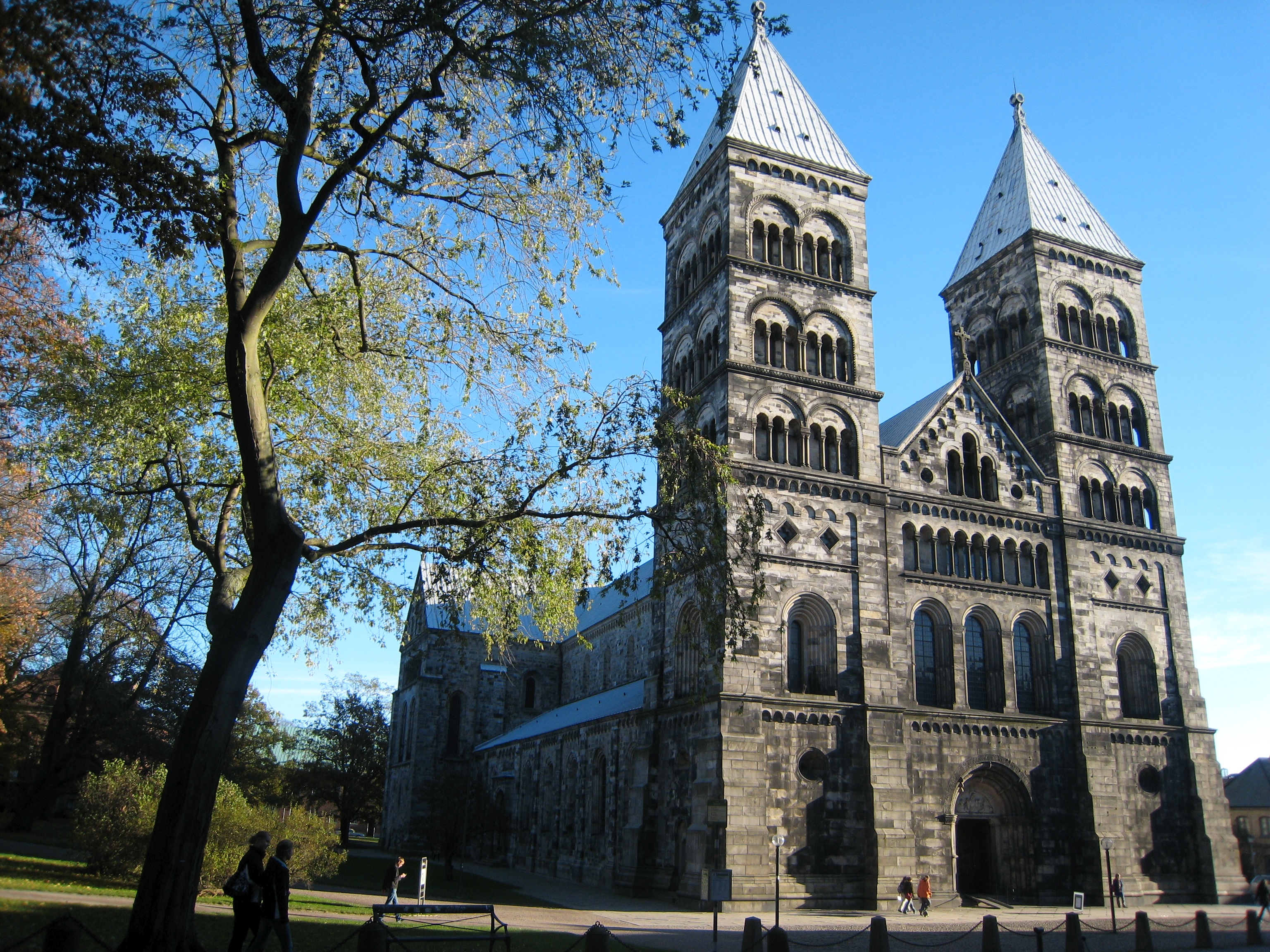
Lund sits in southern Sweden at just 43 m above sea level, in the Europe/Stockholm timezone, with a temperate climate that brings four distinct seasons to a compact city of 98 thousand people. Expats tend to settle in the City Center or Klostergården, and the expat community here is large and active, which makes it easier to find your footing whether you arrive for a semester, a career move, or a longer stay. English is widely spoken, so daily errands, social plans, and neighborly conversations rarely require Swedish to get started.
The numbers tell a story that rewards planning. A one-bedroom apartment in the city center runs $845/mo, while the same outside the center drops to $673/mo. Three-bedroom units go for $1,722/mo in the center and $1,395/mo outside it. Utilities add $78/mo, internet $41/mo, and a mobile phone plan $29/mo. A monthly public transport pass costs $63/mo and a gym membership $38/mo. Budget-tier single adults can manage on $848/mo with rent included, mid-range on $1,304/mo, and comfortable on $1,655/mo. Excluding rent, a single person spends about $976/mo and a family of four about $3,672/mo. Everyday extras stay modest: $13 for an inexpensive restaurant meal, $90 for a three-course mid-range meal for two, and $5 for a cappuccino. Against an average monthly net salary of $2,909/mo and a cost of living index of 61/100 against New York City, Lund offers a rare combination of small-city scale and workable finances.
Safety is a genuine strength. The safety index stands at 80/100 and the crime index at 18/100, where lower is safer, so walking home after dark or leaving a bike locked overnight rarely feels like a gamble. Air quality is good at an index of 28, where lower is better, and healthcare quality is rated excellent. Those three factors together, personal safety, clean air, and strong medical care, do a lot of quiet work in the background of daily life.
Getting to Lund is straightforward by rail from larger Scandinavian hubs and by road from the continent, and the visa process follows national rules that depend on your citizenship and purpose of stay. Internet averages 105 Mbps, which keeps remote work comfortable. The city scores 83/100 overall for expats, 85/100 for digital nomads, 78/100 for retirees, and 77/100 on the FIRE measure. That mix suits students and academics, remote professionals who want a calm base with reliable infrastructure, couples seeking a safe and walkable place to settle, and retirees who value excellent healthcare and a low-stress pace without giving up easy connections to bigger cities.