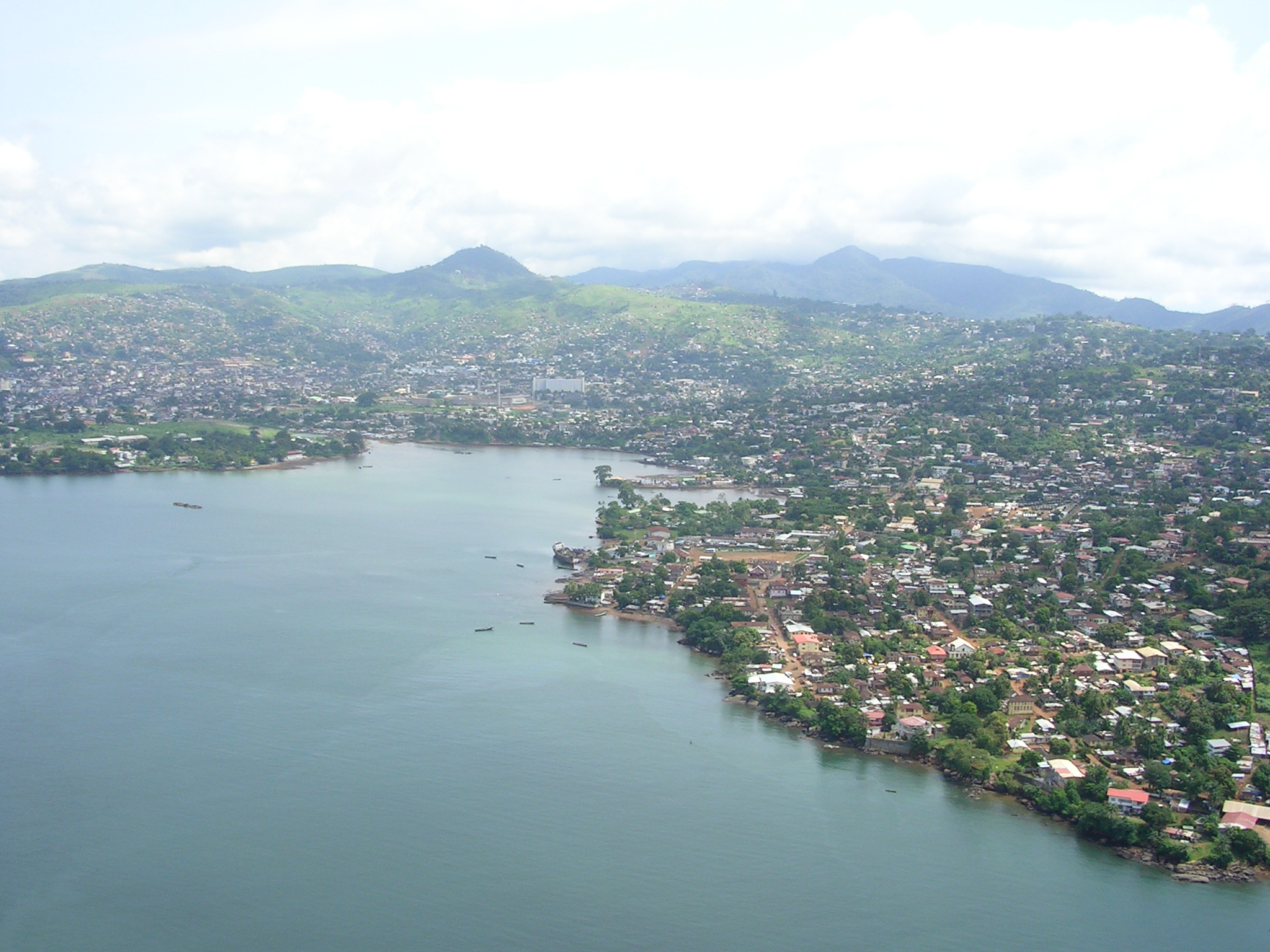
The deep-water harbor is the economic spine of this city — one of the largest natural ports on the Atlantic, it drives shipping, logistics, and import-export trade that employs a significant chunk of the formal workforce. Banking, government, and NGOs round out the white-collar job market, and international aid organizations maintain a notable presence given Sierra Leone's development context. For remote workers or digital nomads, reliable infrastructure is the real obstacle: power cuts are frequent, internet is inconsistent, and the formal economy offers little for outsiders without institutional backing.
A one-bedroom in the city center runs around $600/month — expensive relative to local salaries, and you'll pay more for anything imported, which is most things. The Lungi Airport situation is a genuine daily-life problem: it sits across the estuary, meaning every international trip requires a ferry (roughly 45 minutes, weather-dependent) or a pricey helicopter. Healthcare is limited; serious medical issues mean evacuation to Dakar or London. English is the official language, so the language barrier is low, but bureaucracy is slow and corruption in administrative processes is a documented reality.
Temperatures hold steady at 26–28°C year-round, but the rainy season from May to October brings heavy, sustained downpours that flood roads and disrupt logistics. Beaches like Lumley are genuinely good — accessible, uncrowded by regional standards. The expat community is small and skews heavily toward NGO workers and diplomats rather than lifestyle migrants or FIRE retirees. Weekends involve beach bars, a modest restaurant scene, and not much else. Freetown suits people on assignment with an organization, not those chasing financial independence or a low-friction remote work base.
Estimate the cost of moving to Freetown, Sierra Leone
Get a free moving cost estimate for moving to Freetown, Sierra Leone. Takes 10 seconds.
How much are you shipping?
When are you moving?
Powered by Sirelo. Free quotes from international movers.
🏚️ Cost of Living
A 1BR in the center runs about $928.33/mo. If your income is in another currency, bank FX fees add up. A multi-currency account can cut that cost.
Freetown's safety profile is mixed and requires realistic expectations. While violent crime against expats is relatively uncommon, petty theft and opportunistic crime are frequent, especially in crowded areas and after dark. Daytime walkability in central business districts is generally acceptable, but nighttime movement should be minimized or done with trusted local contacts. The city's reputation as unsafe is partially outdated but not entirely unwarranted—it's manageable with situational awareness rather than genuinely dangerous.
Common risks include pickpocketing, bag snatching, and home burglaries, particularly in expat-heavy neighborhoods like Wilkinson Road and Lumley. Scams targeting foreigners (overcharging, fake goods, advance-fee schemes) are routine. Avoid displaying valuables, walking alone at night, and traveling to peripheral areas like Kroo Bay without local guidance. Solo female travelers should exercise extra caution; harassment and theft targeting women occur regularly. Use registered taxis or ride-sharing apps rather than street hailing.
Sierra Leone's political environment is relatively stable post-civil war, but corruption among police and officials remains systemic—don't expect reliable law enforcement for minor crimes. Occasional protests occur but rarely target expats directly. The healthcare system is weak, which compounds safety concerns for medical emergencies. For Americans considering relocation, Freetown is viable with proper precautions, established expat networks, and realistic risk acceptance. It's suitable for experienced expats or those with strong local connections, less so for first-time abroad movers seeking a relaxed retirement.
Freetown has a safety index of 45/100. Petty theft and lost belongings are the most common problems for newcomers. Compare travel insurance before you go.
A tech hub and coworking space located in Freetown. It offers a collaborative environment, internet access, and is ideal for digital nomads seeking a community and resources.
Located in the heart of Freetown, The Hub offers a flexible workspace solution with reliable internet and a supportive community. It's a good option for remote workers looking for a central location.
Innovation SL provides a collaborative workspace and resources for entrepreneurs and remote workers. It's a good option for those seeking a budget-friendly coworking space in Freetown.
See how Freetown's digital nomad life compares with Poudre D'or
🧳 Expat Life
English Proficiency
Limited
Expat Community
Small
Top Neighborhoods
Aberdeen, Lumley, Juba
Banks Nearby
41
ATMs Nearby
18
Expat Life Notes
Freetown is a high-energy coastal capital. The expat community is small but tight, primarily involved in mining and aid.
Pros
✓ Friendly people and beaches
✓ Official English language
✓ Vibrant nightlife
Cons
✗ Very poor infrastructure
✗ Health and sanitation risks
✗ Unreliable electricity and water
🏘️ Neighborhoods in Freetown
Areas of Freetown that expats often consider.
Conditions can change from one block to the next, and these descriptions are general guides, not safety assessments. Before choosing where to stay or live, check current travel advisories, talk to people who live there, and visit in person if you can.
Aberdeen
Upscale, coastal, relaxed living
Aberdeen is known for its beautiful beaches, upscale residences, and relatively quiet atmosphere. Many expats and wealthier Sierra Leoneans reside here. Transportation relies on private vehicles or taxis, and while generally safe, petty theft can occur.
Lumley
Bustling, commercial, beach access
Lumley is a vibrant area along Lumley Beach, offering a mix of residential and commercial properties. It's popular with expats due to its proximity to the beach and various restaurants and bars. Expect noise and traffic, especially on weekends.
Wilberforce
Residential, hilly, diplomatic presence
Wilberforce is a more residential area, located on the hills overlooking Freetown. It's home to several embassies and international organizations, making it popular with expats seeking a quieter environment. Transportation can be challenging due to the hilly terrain.
Coker Town
Historic, central, local culture
Coker Town is a historic neighborhood in central Freetown, offering a glimpse into the city's past. It's a densely populated area with a strong local vibe. While affordable, it may not be as comfortable for expats due to limited English spoken and fewer amenities catering to foreigners.
Murray Town
Quiet, residential, family-friendly
Murray Town is a residential neighborhood located west of central Freetown. It's generally quieter than other areas and is popular with families. While not as expat-centric as Aberdeen or Lumley, it offers a more authentic Sierra Leonean experience.
Kissy
Industrial, port access, affordable
Kissy is primarily an industrial area with port access and is generally more affordable than other neighborhoods. It's not typically an area where expats choose to reside due to its industrial nature and distance from amenities. Safety can be a concern.
Brookfields
Commercial, central, lively atmosphere
Brookfields is a central commercial area with a lively atmosphere. It offers a mix of shops, restaurants, and businesses. It's relatively expat-friendly due to its central location and access to amenities, but can be noisy and crowded.
Page 1 of 2
Could living/working in Freetown cut years off your work life?
With a 1-bedroom in the center at $928/mo, your FIRE number here might be much lower than you think.
Freetown has a population of approximately 853,651 people.
A single person can expect to spend around $2,321 per month in Freetown, including rent. A 1-bedroom apartment in the city center costs approximately $928/month.
The nearest airport to Freetown is FNA, approximately 4.9km away.
Freetown is considered moderate in terms of safety, with a safety index of 45.0. As with any city abroad, expats should research specific neighborhoods before committing to a location.
Freetown has an average internet speed of 25 Mbps. It is not yet considered a well-established digital nomad destination.
You take a ferry across the estuary, which takes around 45 minutes and runs on a schedule that doesn't always align with flight times. Helicopter services exist but cost significantly more. Road access via a bridge does not currently exist, making every international arrival a multi-step journey — factor this into any plans.
Honestly, no — not currently. Power outages are frequent, internet reliability is poor, and the cost of living is high relative to what you get. Most expats here are on organizational contracts with employers covering housing and logistics. If you're self-funded and location-independent, there are far more practical bases in West Africa, including Dakar or Accra.
Freetown can be surprisingly affordable. Expect to pay $500-$1200 USD per month for rent depending on the neighborhood (like Aberdeen or Lumley), and groceries are significantly cheaper than in the US if you shop at local markets. Dining out ranges from $5 for local food to $20+ at expat-oriented restaurants.
For extended stays, you'll likely need a residence permit. Start with a tourist visa, then apply for a residence permit through the Sierra Leone Immigration Department; this usually requires proof of employment or investment. Consult the Sierra Leone embassy in the US for the most up-to-date requirements.
Healthcare in Freetown is limited, and it's advisable to have comprehensive international health insurance. While some private clinics have English-speaking doctors, particularly in the Aberdeen area, serious medical issues may require evacuation to another country.
Aberdeen is a popular choice due to its proximity to the beach, restaurants, and expat-oriented amenities. Lumley Beach Road also offers a mix of housing options and is relatively safe. For a more local experience, consider areas like Wilberforce, but be prepared for fewer Western conveniences.
Internet connectivity can be spotty. Mobile data is generally more reliable than fixed-line connections, with Africell and Orange being the main providers. Expect speeds sufficient for basic work tasks, but video conferencing can be challenging at times.
Coworking spaces are limited, but some hotels and cafes offer decent Wi-Fi. Check out the internet situation at places like Gigibonta or some of the hotels along Lumley Beach Road before committing to work there regularly.
Public transportation mainly consists of poda-podas (minibuses) and kekes (auto rickshaws). They are cheap but can be crowded and unreliable. Taxis are a better option for comfort and safety, but negotiate the fare beforehand.
Freetown has a tropical climate with a distinct wet and dry season. The rainy season runs from May to November, bringing heavy rainfall and humidity. The dry season (December to April) is hot and sunny, making it the most pleasant time to visit or live there.
The expat community is relatively small but active, consisting mainly of NGO workers, diplomats, and business professionals. Online groups like InterNations and Facebook groups for expats in Freetown are good places to connect.
Banking can be challenging. Ecobank and Standard Chartered are the most reliable banks for expats. ATMs are available in major areas, but it's wise to carry cash, especially when venturing outside the city center. Be aware of ATM fees and potential card skimming.
Yes, $2,000 USD per month is very doable for a comfortable retirement in Freetown, allowing you to live well and even employ household staff. You'll need to budget carefully for healthcare and potential emergencies, but it's a viable option for FIRE.
As a US citizen, you're still required to file US taxes even while living abroad. The Foreign Earned Income Exclusion (FEIE) can help you exclude a certain amount of your income from US taxes. Also, be aware of FBAR requirements for reporting foreign bank accounts.
While Freetown is generally safe, petty theft can be an issue, especially in crowded areas. Avoid walking alone at night in less-lit areas and be cautious with your belongings. Areas like Kroo Bay are best avoided due to high crime rates.
Cost-of-living and visa updates for Freetown and the rest of Sierra Leone. Free with RA Postcards.
By submitting your email address, you will receive a free subscription to RA Postcards and special offers from Rewire Abroad and our affiliates. You can unsubscribe at any time, and we encourage you to read more about our Privacy Policy.