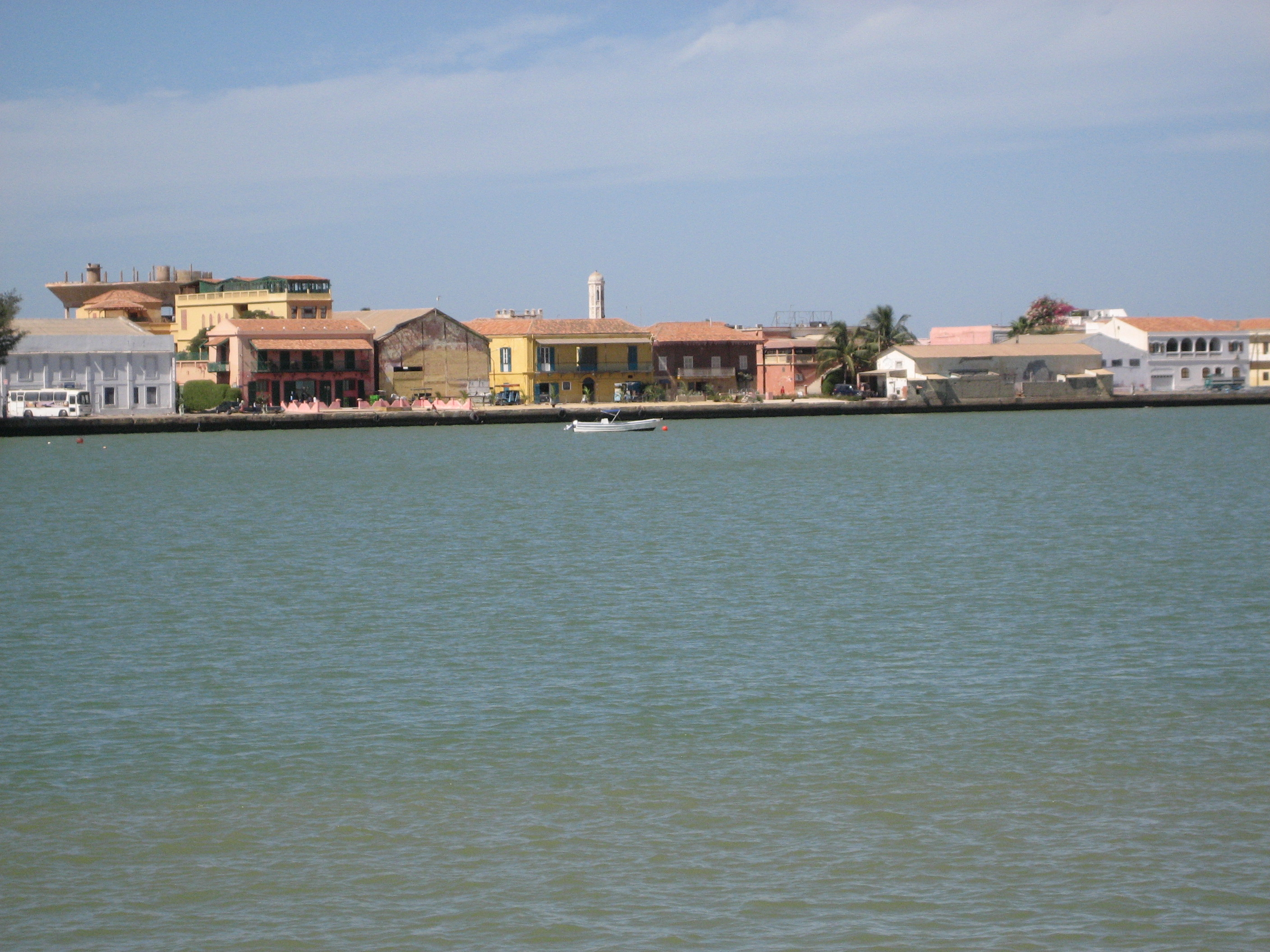
Saint-Louis sits on the northwest coast of Senegal, just a few miles from the mouth of the Senegal River, at an elevation of only 5 meters above sea level. The climate is arid, with a long dry season and a brief, intense rainy period, so expect sun-baked days and warm nights for most of the year. The city's historic heart is the Isle of Saint-Louis, a narrow island that feels like a step back in time, and it's here that most expats choose to settle, drawn by the colonial architecture and the lively waterfront. Beyond the island, the mainland neighborhoods offer a quieter, more local rhythm, but the expat community remains small, so you'll quickly get to know the other foreigners in town.
Estimate the cost of moving to Saint-Louis, Senegal
Get a free moving cost estimate for moving to Saint-Louis, Senegal. Takes 10 seconds.
How much are you shipping?
When are you moving?
Powered by Sirelo. Free quotes from international movers.
🏚️ Cost of Living
A 1BR in the center runs about $320/mo. If your income is in another currency, bank FX fees add up. A multi-currency account can cut that cost.
Saint-Louis feels moderately safe for expats during daylight hours, with a relaxed colonial atmosphere and walkable neighborhoods. However, nighttime safety is more variable—solo walks after dark are not recommended, particularly in less-developed areas. The city's reputation is better than many West African capitals, but this reflects a lower baseline rather than genuine security; expats report a cautious but manageable daily experience.
Petty theft and pickpocketing are the primary concerns, especially in crowded markets and near the port. Scams targeting foreigners—inflated taxi fares, fake tour guides, currency exchange fraud—are common. Violent crime against expats is rare but not unheard of. Solo female travelers should avoid isolated areas after sunset and exercise caution in the Medina district. Robbery at gunpoint is uncommon but has occurred; avoid displaying valuables or large cash amounts.
Senegal is politically stable compared to regional neighbors, and Saint-Louis benefits from this. Police presence is visible but corruption is endemic; don't expect reliable protection in disputes. Occasional protests occur but rarely target expats directly. The main risk is petty crime and opportunistic theft rather than systemic danger. For a 30-65 American considering relocation, Saint-Louis is feasible with standard expat precautions—secure housing, local networks, and situational awareness—but it's not a 'set and forget' destination.
Saint-Louis has a safety index of 50/100. Petty theft and lost belongings are the most common problems for newcomers. Compare travel insurance before you go.
See how Saint-Louis's healthcare compares with Ziguinchor
🌤️ Climate
Climate Zones
Arid
Summer Temp
28°C
Winter Temp
21°C
Humidity
72%
Air Quality Index
45
Annual Rainfall
173 mm
Best Months
NovDecJanFeb
Climate Notes
Saint-Louis has a hot, dry Saharan climate with a brief rainy season (July–September) bringing relief from intense heat, while November–May offers cooler, more comfortable conditions ideal for expats.
💻 Digital Nomad
Avg Internet Speed
8.5 Mbps
Coworking Availability
Limited
Coworking Spaces Nearby
1
Digital Nomad Score
49/100
Community Notes
Saint-Louis has a laid-back vibe but limited coworking spaces for digital nomads.
While technically in Dakar, Impact Hub is a well-known coworking brand and a likely option for digital nomads in Saint-Louis willing to travel or connect with a larger community. It offers a professional environment, networking opportunities, and various membership options. It is located in Dakar, but is the most established coworking brand in Senegal.
Ker Thiossane is a cultural center that may offer workspace options. It provides a unique, creative environment, potentially appealing to those seeking a more authentic Senegalese experience. Located in the Medina neighborhood.
Similar to Impact Hub, ProOffice is located in Dakar but offers a professional coworking environment with various services. It's a viable option for those willing to commute or who need a more corporate setting. They offer private offices and coworking spaces.
See how Saint-Louis's digital nomad life compares with Ziguinchor
🧳 Expat Life
English Proficiency
Limited
Expat Community
Small
Top Neighborhoods
Isle of Saint-Louis
Banks Nearby
33
ATMs Nearby
2
Expat Life Notes
A historic colonial city with a laid-back vibe; foreign presence is mostly in tourism or academia.
Pros
✓ Rich colonial architecture
✓ Unique music scene
✓ Affordable
Cons
✗ Limited English spoken (French essential)
✗ Inconsistent infrastructure
✗ Basic healthcare
🏘️ Neighborhoods in Saint-Louis
Areas of Saint-Louis that expats often consider.
Conditions can change from one block to the next, and these descriptions are general guides, not safety assessments. Before choosing where to stay or live, check current travel advisories, talk to people who live there, and visit in person if you can.
Île de Saint-Louis
Historic, charming, touristy, vibrant
The heart of Saint-Louis, a UNESCO World Heritage site. Beautiful colonial architecture, restaurants, and hotels cater to tourists. Walkable, but can be noisy and more expensive than other areas. Popular with expats and tourists due to its beauty and amenities.
Guet Ndar
Bustling fishing village, authentic
A vibrant and densely populated fishing community. Offers an authentic Senegalese experience, but can be overwhelming for some. Limited English spoken, and basic amenities. Not typically an expat area, but good for budget travelers seeking cultural immersion.
Hydrobase
Residential, quiet, local feel
A more residential area on the mainland, offering a quieter environment. Less touristy than the island, with a more local feel. Requires transport to reach the island's attractions. Good for those seeking a more authentic experience away from the tourist crowds.
Sor
Developing, affordable, local life
Located further from the city center, Sor offers more affordable housing options. It's a developing area with a strong local presence. Transportation is essential, and amenities are more basic. Suitable for budget-conscious expats seeking a less touristy environment.
Pikine
Lively, local, budget-friendly
A bustling area with a strong local vibe and affordable living. It's further from the main tourist attractions but offers an authentic Senegalese experience. Expect limited English and basic amenities. Good for adventurous expats on a tight budget.
Diamaguene
Residential, modernizing, growing area
A developing residential area with newer construction. It's becoming more popular with locals and offers a mix of housing options. Transportation is needed to reach the island and other parts of the city. A good option for those seeking a more modern living environment outside the historic center.
Page 1 of 2
Could living/working in Saint-Louis cut years off your work life?
With a 1-bedroom in the center at $320/mo, your FIRE number here might be much lower than you think.
Saint-Louis has a population of approximately 237,563 people.
A single person can expect to spend around $800 per month in Saint-Louis, including rent. A 1-bedroom apartment in the city center costs approximately $320/month.
The nearest airport to Saint-Louis is XLS, approximately 4km away.
Saint-Louis is considered moderate in terms of safety, with a safety index of 50.0. As with any city abroad, expats should research specific neighborhoods before committing to a location.
Saint-Louis has an average internet speed of 8.5 Mbps. It is not yet considered a well-established digital nomad destination.
French is essential for banking, healthcare, and any government bureaucracy. Wolof dominates daily market interactions and social life. Basic French gets you by, but fluency significantly improves quality of life and integration opportunities.
Île de Saint-Louis offers historic charm but can be pricier. Areas like Sor, just across the bridge, provide more affordable housing options while still being relatively close to the city center. Look for apartments or houses near the university for potentially lower rents.
Internet speeds in Saint-Louis can be inconsistent. While fiber optic is available in some areas, expect speeds to be slower and less reliable than in major US cities. Consider investing in a local SIM card with a data plan as a backup.
Coworking spaces are limited in Saint-Louis. You might find a few small business centers offering shared office space, but dedicated coworking facilities are not common. Many expats work from cafes or their accommodations.
Saint-Louis has a hot, semi-arid climate. Expect a long dry season from November to May with Harmattan winds bringing dust from the Sahara. The rainy season is short, from July to September, with high humidity.
Taxis are readily available and affordable in Saint-Louis. 'Cars rapides' (shared minibuses) are a cheap but crowded option for getting around. Walking is feasible in the city center, but be prepared for heat and uneven sidewalks.
The expat community in Saint-Louis is relatively small but welcoming. You'll find a mix of aid workers, researchers, and retirees. Social events are often organized through online groups and word-of-mouth.
As a US citizen, you're still required to file US taxes even when living abroad. The Foreign Earned Income Exclusion (FEIE) can help you exclude a certain amount of your income from US taxes. Also, be aware of FBAR reporting requirements for foreign bank accounts.
Healthcare in Saint-Louis is basic. While there are hospitals and clinics, the quality of care may not be up to US standards. Finding English-speaking doctors can be challenging, so it's wise to have a phrasebook or translator app handy.
Saint-Louis offers a significantly lower cost of living than the US, allowing your retirement income to go further. Focus on local markets for groceries and consider living outside the main tourist areas to save on rent.
Like any city, Saint-Louis has its share of petty crime. Be aware of pickpockets, especially in crowded areas. Avoid walking alone at night in poorly lit areas and be cautious when using ATMs.
Opening a bank account can be challenging and requires patience. You'll typically need a copy of your passport, visa, proof of address, and sometimes a letter of introduction from a local contact. Expect some bureaucratic hurdles.
While it's possible to get by with English, learning some basic French or Wolof will greatly enhance your experience. Daily interactions will be easier, and you'll be able to connect with locals on a deeper level. Embrace the slower pace of life and be prepared for cultural differences.
US citizens can enter Senegal visa-free for up to 90 days. For longer stays, you'll need to apply for a long-stay visa or residency permit. This often requires demonstrating financial stability, having a local sponsor, or investing in the country.
Yes, $2,000 USD per month is generally sufficient for a comfortable lifestyle in Saint-Louis, especially if you embrace local living and avoid overly touristy areas. This budget should cover rent, food, transportation, and some leisure activities.
Cost-of-living and visa updates for Saint-Louis and the rest of Senegal. Free with RA Postcards.
By submitting your email address, you will receive a free subscription to RA Postcards and special offers from Rewire Abroad and our affiliates. You can unsubscribe at any time, and we encourage you to read more about our Privacy Policy.