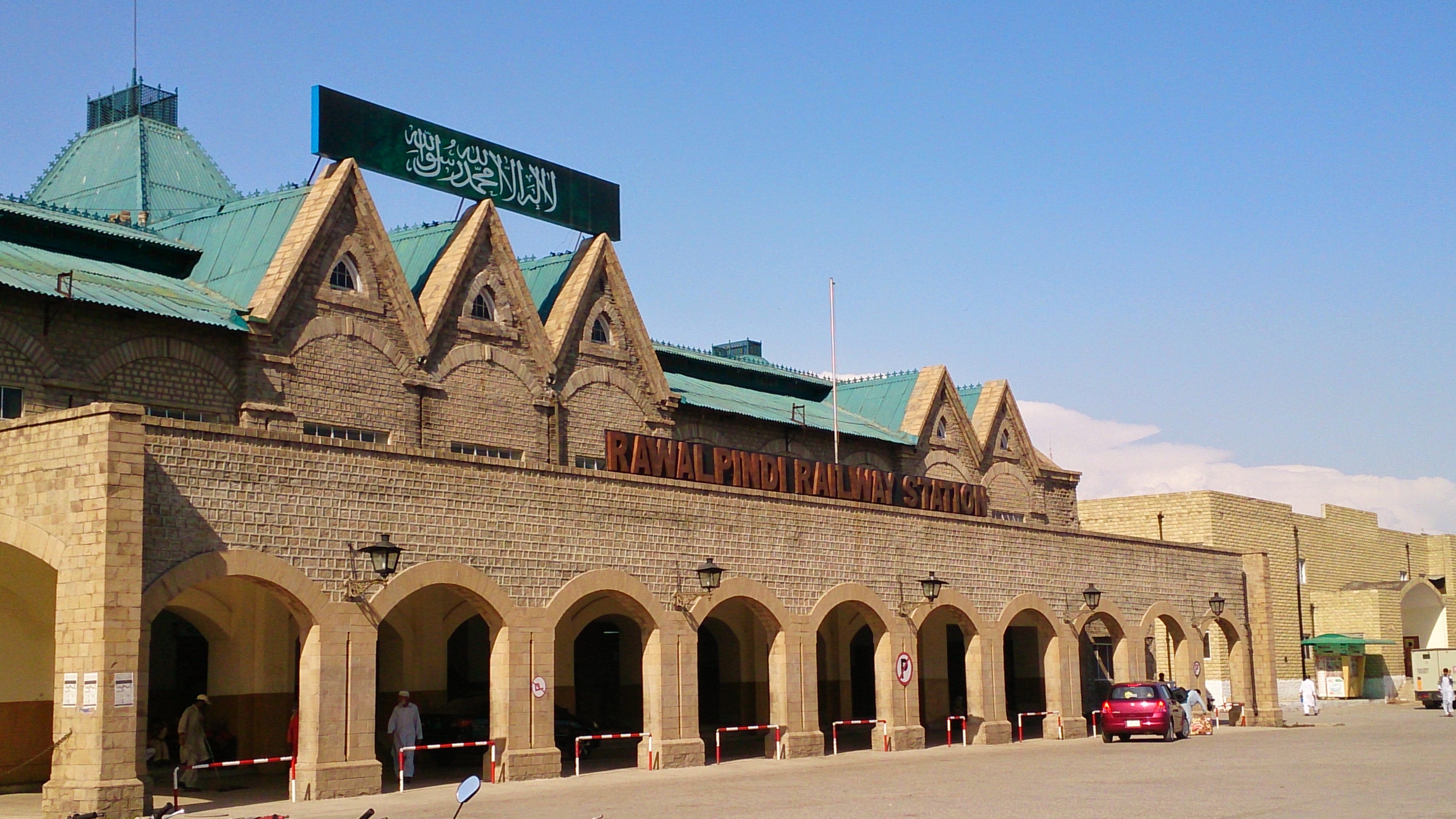
Anchored by the Pakistan Army's General Headquarters, the military is the single most dominant economic force here — shaping employment, real estate, and even which roads get paved. Beyond defense, the economy runs on logistics (the M-1 and M-2 motorways make Rawalpindi a northern distribution hub), retail trade, and the overflow of government and services work from neighboring Islamabad. The twin-city dynamic is real: many residents commute daily to Islamabad for white-collar jobs, while Rawalpindi handles the warehousing, wholesale markets, and blue-collar economy that keeps the capital fed and supplied.
A one-bedroom in the city center runs around $180/month, and you can find decent places in outer neighborhoods for $80–120. That's the headline advantage. The friction comes fast after that: a safety index of 45 is mediocre, Urdu and Punjabi dominate almost entirely (English gets you through hotels and some offices, nowhere else), and bureaucratic processes — visas, residency, utility hookups — are slow and opaque without a local fixer. Healthcare has private hospitals like Benazir Bhutto Hospital, but serious conditions mean a trip to Islamabad. Air quality during summer and post-monsoon periods is genuinely poor.
Summers are brutal — sustained heat above 40°C from May through July, followed by a monsoon that brings relief and flooding simultaneously. Winters are mild to cold, and October through March is when the city is actually livable. Food is a genuine strength: cheap, meat-heavy Punjabi cooking, solid street food around Raja Bazaar, and proximity to Islamabad's restaurant scene. The expat community is tiny and mostly tied to NGOs or diplomatic circles based in Islamabad. Weekends mean day trips to Taxila, Murree, or the start of the Karakoram Highway. This city suits budget-conscious adventurers using it as a base for northern Pakistan exploration, not people seeking expat infrastructure.
Estimate the cost of moving to Rawalpindi, Pakistan
Get a free moving cost estimate for moving to Rawalpindi, Pakistan. Takes 10 seconds.
How much are you shipping?
When are you moving?
Powered by Sirelo. Free quotes from international movers.
🏚️ Cost of Living
💰 Budgets and Costs
$316/mo, one person, rent included
Selected: budget lifestyle
Rawalpindi on a budget budget comes to about $316 a month for one adult, with $83.00 of that going to rent. Beyond rent the estimate covers $58.00 on groceries, $8.00 on dining out, $20.00 on entertainment and lifestyle, $137 on utilities and connectivity and $10.00 on transport.
Rent
$83.00/mo
1BR outside the centre
Groceries
$58.00/mo
75% of mid-range grocery spend
Dining out
$8.00/mo
4 inexpensive meals
Entertainment & lifestyle
$20.00/mo
1 cinema trip, 8 cappuccinos
Utilities & connectivity
$137/mo
utilities, mobile, internet
Transport
$10.00/mo
Monthly pass
Budgets (excl. rent)
Single person$233/mo
Excludes rent. The total above is all-in, rent included.
$372/mo, one person, rent included
Selected: mid-range lifestyle
Rawalpindi on a mid-range budget comes to about $372 a month for one adult, with $83.00 of that going to rent. Beyond rent the estimate covers $77.00 on groceries, $21.00 on dining out, $44.00 on entertainment and lifestyle, $137 on utilities and connectivity and $10.00 on transport.
Rent
$83.00/mo
1BR outside the centre
Groceries
$77.00/mo
Staples basket scaled to a full month
Dining out
$21.00/mo
10 inexpensive meals
Entertainment & lifestyle
$44.00/mo
gym, 2 cinema trips, 12 cappuccinos
Utilities & connectivity
$137/mo
utilities, mobile, internet
Transport
$10.00/mo
Monthly pass
Budgets (excl. rent)
Single person$289/mo
Excludes rent. The total above is all-in, rent included.
$586/mo, one person, rent included
Selected: comfortable lifestyle
Rawalpindi on a comfortable budget comes to about $586 a month for one adult, with $201 of that going to rent. Beyond rent the estimate covers $108 on groceries, $61.00 on dining out, $69.00 on entertainment and lifestyle, $137 on utilities and connectivity and $10.00 on transport.
Rent
$201/mo
1BR in the centre
Groceries
$108/mo
140% of mid-range grocery spend
Dining out
$61.00/mo
6 inexpensive meals + 6 mid-range meals
Entertainment & lifestyle
$69.00/mo
gym, 4 cinema trips, 20 cappuccinos
Utilities & connectivity
$137/mo
utilities, mobile, internet
Transport
$10.00/mo
Monthly pass
Budgets (excl. rent)
Single person$385/mo
Excludes rent. The total above is all-in, rent included.
Estimates for one adult, built from this city's average prices and the usage shown for each tier. Your spending will differ with how often you eat out and where you live.
A 1BR in the center runs about $200.79/mo. If your income is in another currency, bank FX fees add up. A multi-currency account can cut that cost.
Rawalpindi feels moderately unsafe for expats, particularly after dark. While daytime movement in commercial areas is generally manageable, nighttime walkability is limited and taxis are the norm. The city has a significant military presence, which provides some order, but petty crime and opportunistic theft remain common. Expats report a cautious rather than relaxed daily experience, with most avoiding solo evening outings.
Petty theft, bag snatching, and motorcycle robberies are the primary concerns—violent crime against foreigners is rare but not unheard of. Avoid displaying valuables, using ATMs alone at night, and wandering unfamiliar neighborhoods after sunset. Solo female travelers face additional harassment and should dress conservatively; traveling with companions is strongly advised. Scams targeting foreigners, particularly around currency exchange and rental agreements, are documented.
Rawalpindi sits in Punjab province and is generally more stable than Pakistan's frontier regions, but political tensions, occasional protests, and police corruption are realities. The military cantonment influence provides some security infrastructure, but police reliability varies. For Americans considering relocation, this is a manageable but not relaxed posting—suitable only for those with prior expat experience, security awareness, and realistic expectations about constraints on freedom of movement.
Rawalpindi has a safety index of 45/100. Petty theft and lost belongings are the most common problems for newcomers. Compare travel insurance before you go.
Located in Bahria Town, The Hive offers a professional environment with good internet, meeting rooms, and a supportive community. It's a solid option for expats seeking a reliable workspace outside the city center.
While technically in Islamabad, The Centaurus location is easily accessible from Rawalpindi and offers the reliable Regus standard: professional environment, business services, and a prestigious address. Good for those needing a polished, corporate setting.
Daastan is a coworking space that also focuses on publishing and supporting writers. Located in Saddar, Rawalpindi, it offers a creative and collaborative atmosphere, suitable for those looking for a more community-focused environment.
See how Rawalpindi's digital nomad life compares with Sakrand
🧳 Expat Life
English Proficiency
Limited
Expat Community
Small
Top Neighborhoods
Bahria Town, Saddar
Banks Nearby
148
ATMs Nearby
24
Expat Life Notes
A major military and industrial center. Expats often live in the Bahria Town enclave for better security and amenities.
Pros
✓ Modern residential enclaves
✓ Proximity to Islamabad
Cons
✗ Traffic congestion
✗ Safety concerns
✗ Limited English social circles
🏘️ Neighborhoods in Rawalpindi
Areas of Rawalpindi that expats often consider.
Conditions can change from one block to the next, and these descriptions are general guides, not safety assessments. Before choosing where to stay or live, check current travel advisories, talk to people who live there, and visit in person if you can.
Bahria Town
Modern, planned, upscale community
A gated community offering a wide range of amenities including shopping malls, restaurants, and parks. Popular with affluent Pakistanis and some expats due to its security and modern infrastructure. Transportation relies heavily on private vehicles or ride-hailing services.
Defence Housing Authority (DHA)
Organized, secure, upper-middle class
Another well-planned residential area with good security and amenities. DHA is favored by military families, professionals, and some expats. While relatively walkable within specific phases, reliance on cars or rickshaws is common for longer distances.
Satellite Town
Established, residential, middle-class
A more traditional residential area with a mix of houses and apartments. It's a bustling area with local markets and shops. Less expat-focused, so expect to navigate in Urdu or Punjabi. Public transport is readily available, but can be crowded.
Westridge
Quiet, residential, family-oriented
A relatively peaceful area with a mix of housing options. It's a good option for those seeking a quieter environment away from the city's hustle. Less geared towards expats, so language skills are beneficial. Car or rickshaw is needed for most errands.
Saddar
Commercial hub, historic, bustling
The central commercial area of Rawalpindi, offering a wide range of shops, restaurants, and services. While not primarily residential, some apartments are available. Very busy and noisy, but well-connected by public transport. Not particularly expat-friendly, but offers a truly local experience.
Adiala Road
Developing, affordable, residential
A rapidly developing area on the outskirts of Rawalpindi, offering more affordable housing options. It's further from the city center and amenities, so transportation is essential. Limited expat presence and fewer English speakers.
Page 1 of 2
Could living/working in Rawalpindi cut years off your work life?
With a 1-bedroom in the center at $201/mo, your FIRE number here might be much lower than you think.
Rawalpindi has a population of approximately 1,409,768 people.
A single person can expect to spend around $502 per month in Rawalpindi, including rent. A 1-bedroom apartment in the city center costs approximately $201/month.
Rawalpindi is considered moderate in terms of safety, with a safety index of 45.0. As with any city abroad, expats should research specific neighborhoods before committing to a location.
Rawalpindi has an average internet speed of 35 Mbps. It is not yet considered a well-established digital nomad destination.
Pakistan does not have a straightforward digital nomad or retirement visa. Most foreigners enter on a business visa or are sponsored by an employer or NGO. The NICOP card is available for overseas Pakistanis. Visa extensions and residency permits involve significant bureaucracy and are best handled with local legal help. Tourist visas are now e-visa eligible for many nationalities but are short-term only.
Islamabad is significantly easier for expats — better infrastructure, more English spoken, a real diplomatic and NGO community, and cleaner air. Rawalpindi is cheaper (rent can be 40–50% lower) and more authentically Pakistani, but it comes with more noise, congestion, and less expat support. Many people live in Rawalpindi and commute to Islamabad, treating it as the affordable bedroom community of the twin-city metro.
Rawalpindi is very affordable. You can rent a decent apartment in areas like Bahria Town or DHA for $400-$700 USD per month. Groceries and eating out are also inexpensive, with a meal at a local restaurant costing just a few dollars.
Yes, several hospitals in Rawalpindi offer good healthcare, including the Fauji Foundation Hospital and the Holy Family Hospital. While not all doctors are fluent, you can find English-speaking physicians, especially in private clinics and hospitals catering to expats.
Bahria Town and DHA are popular choices for expats due to their security, amenities, and modern housing. However, these are also the most expensive. For more budget-friendly options, consider areas like Satellite Town or Chaklala Scheme.
Internet connectivity is generally good in Rawalpindi, especially in newer residential areas. You can expect speeds of 20-50 Mbps with providers like PTCL and Nayatel. Power outages can occasionally disrupt service, so a backup power source is a good idea.
Rawalpindi experiences hot summers (May-June) with temperatures often exceeding 100°F (38°C). Winters (November-February) are mild and pleasant, with temperatures sometimes dropping near freezing. The monsoon season (July-September) brings heavy rainfall.
Getting around Rawalpindi can be challenging. Public transport is crowded and not always reliable. Ride-hailing apps like Uber and Careem are readily available and relatively inexpensive. Driving yourself is an option, but be prepared for heavy traffic and chaotic roads.
The local language is Urdu. While English is spoken in business settings and by educated individuals, especially in affluent areas, knowing some basic Urdu will greatly enhance your daily life and interactions with locals.
Coworking spaces are becoming more common in Rawalpindi, though options are still limited compared to larger cities. Check out spaces in nearby Islamabad, which are easily accessible. Many cafes also offer a decent working environment.
While Rawalpindi is generally safe, it's best to avoid walking alone at night, especially in less populated areas. Stick to well-lit and busy streets, and be aware of your surroundings. Using ride-hailing services is a safer option for nighttime travel.
Major credit cards are accepted in larger establishments and hotels, but cash is still king in Rawalpindi. ATMs are widely available, but be aware of potential transaction fees. Inform your bank of your travel plans to avoid any issues with your card.
The expat community in Rawalpindi is smaller compared to cities like Karachi or Lahore. However, there's a growing number of foreigners working for NGOs, international organizations, and businesses. Connecting with other expats often involves networking through these organizations or online groups.
With a monthly passive income of $1500-$2000 USD, you can live very comfortably in Rawalpindi, covering rent, utilities, food, and entertainment. This allows for a higher quality of life compared to many Western countries, making it attractive for FIRE enthusiasts.
Rawalpindi is a conservative city with strong cultural and religious values. Dress modestly, especially in public places. Be respectful of local customs and traditions, particularly during religious holidays. Public displays of affection are generally frowned upon.
Several options exist for transferring money, including services like Wise (formerly TransferWise), Remitly, and Xoom. Compare fees and exchange rates to find the most cost-effective option. Bank transfers are also possible but may involve higher fees.
Cost-of-living and visa updates for Rawalpindi and the rest of Pakistan. Free with RA Postcards.
By submitting your email address, you will receive a free subscription to RA Postcards and special offers from Rewire Abroad and our affiliates. You can unsubscribe at any time, and we encourage you to read more about our Privacy Policy.