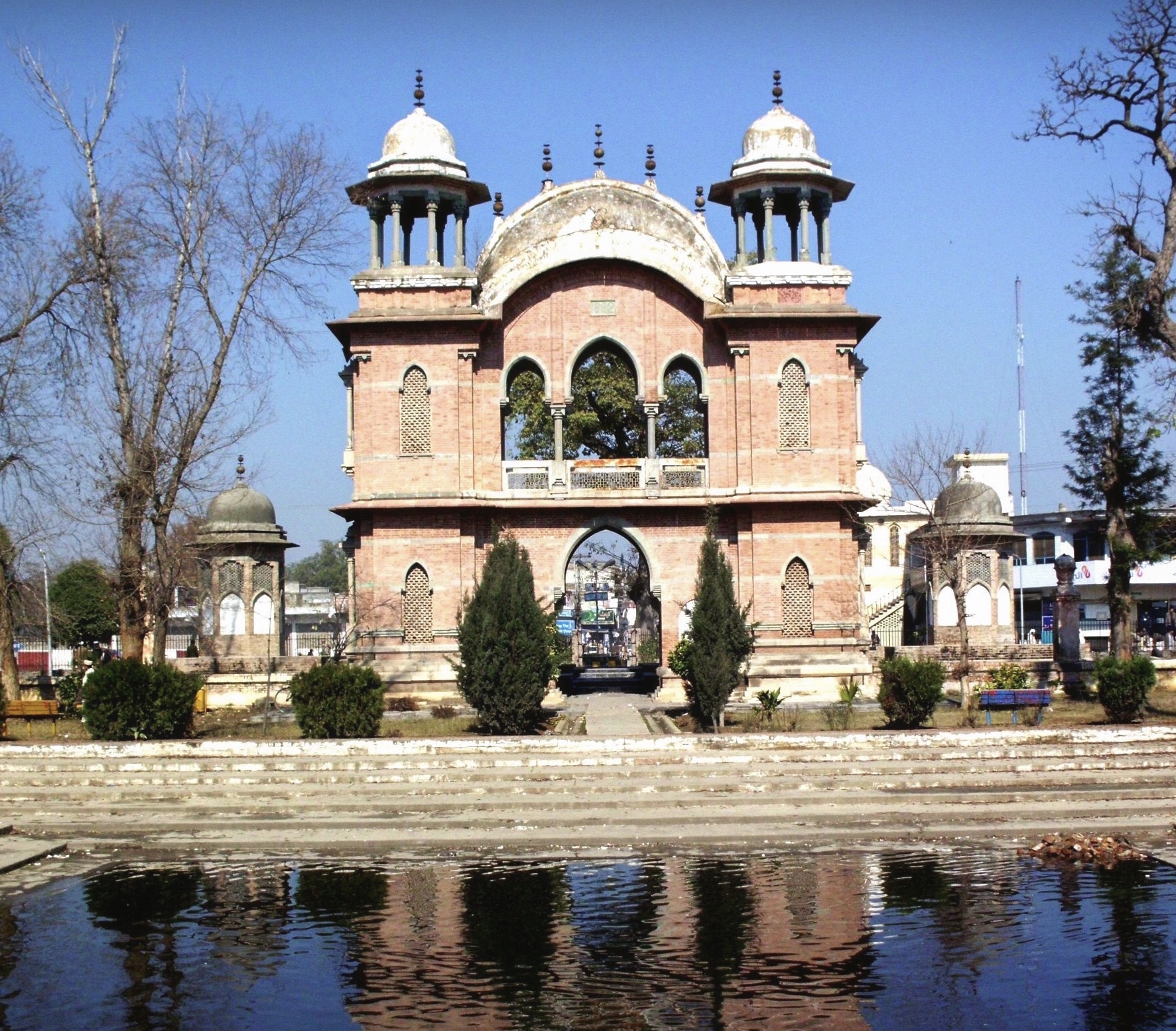
Mardan sits in the Khyber Pakhtunkhwa province of Pakistan, at an elevation of 317 meters above sea level, roughly two hours northwest of Peshawar by road. The city of about 358,000 people experiences a climate defined by hot, dry summers from May through September, when temperatures regularly exceed 35°C, and mild winters from December through February, hovering around 5-10°C. Spring and autumn are brief transitions, and the air quality index of 185 means poor, hazy conditions persist year-round due to regional pollution. The city center is the practical choice for most newcomers, with rental options concentrated there, while the areas outside the center offer slightly lower prices but fewer amenities within walking distance.
Living costs in Mardan are remarkably low, even by South Asian standards. A single adult on a budget tier can manage on about $240 per month including rent, while a mid-range lifestyle runs closer to $309 and a comfortable tier reaches $377. Rent for a one-bedroom apartment in the city center averages $90 per month, dropping to $72 outside the center, and a three-bedroom unit costs $181 centrally or $144 on the outskirts. Utilities run about $102 monthly, internet costs $17, and a mobile phone plan is just $6. A meal at an inexpensive restaurant sets you back $4, a three-course dinner for two at a mid-range spot costs $23, and a cappuccino is $3. The average local monthly net salary is $268, which means a single person's non-rent expenses of about $250 eat up most of a typical paycheck, though expats with remote income or savings will find their money stretches far.
Safety is a genuine concern for anyone considering Mardan. The safety index sits at 42 out of 100, and the crime index of 58 (where lower is safer) indicates a moderate level of petty crime and property offenses. Violent crime is less common than in larger Pakistani cities, but travelers should exercise standard caution, especially after dark and in crowded markets. Healthcare quality is rated as fair, with basic public hospitals and private clinics available for routine care, though serious conditions often require travel to Peshawar or Islamabad for specialized treatment. English proficiency among locals is limited, so learning basic Urdu or Pashto phrases will make daily life significantly easier, and carrying a translation app is strongly recommended.
For longer stays, Pakistan's Digital Nomad Visa program is the relevant pathway, though the data does not specify its exact thresholds or application requirements. Getting to Mardan typically involves flying into a major Pakistani hub and then taking a bus or private car north, though no specific airport is named here. This city suits budget-conscious expats, early retirees on a tight fixed income, and remote workers who prioritize low living costs over urban amenities or a lively social scene. The FIRE score of 80 out of 100 reflects how easily one can save a high percentage of income here, while the retiree score of 44 and digital nomad score of 49 suggest it is not ideal for those seeking comfort, healthcare access, or reliable high-speed internet (average speed is just 11 Mbps). The overall expat score of 70 indicates a workable but challenging environment, best approached with realistic expectations about air quality, safety, and the need for local language skills.