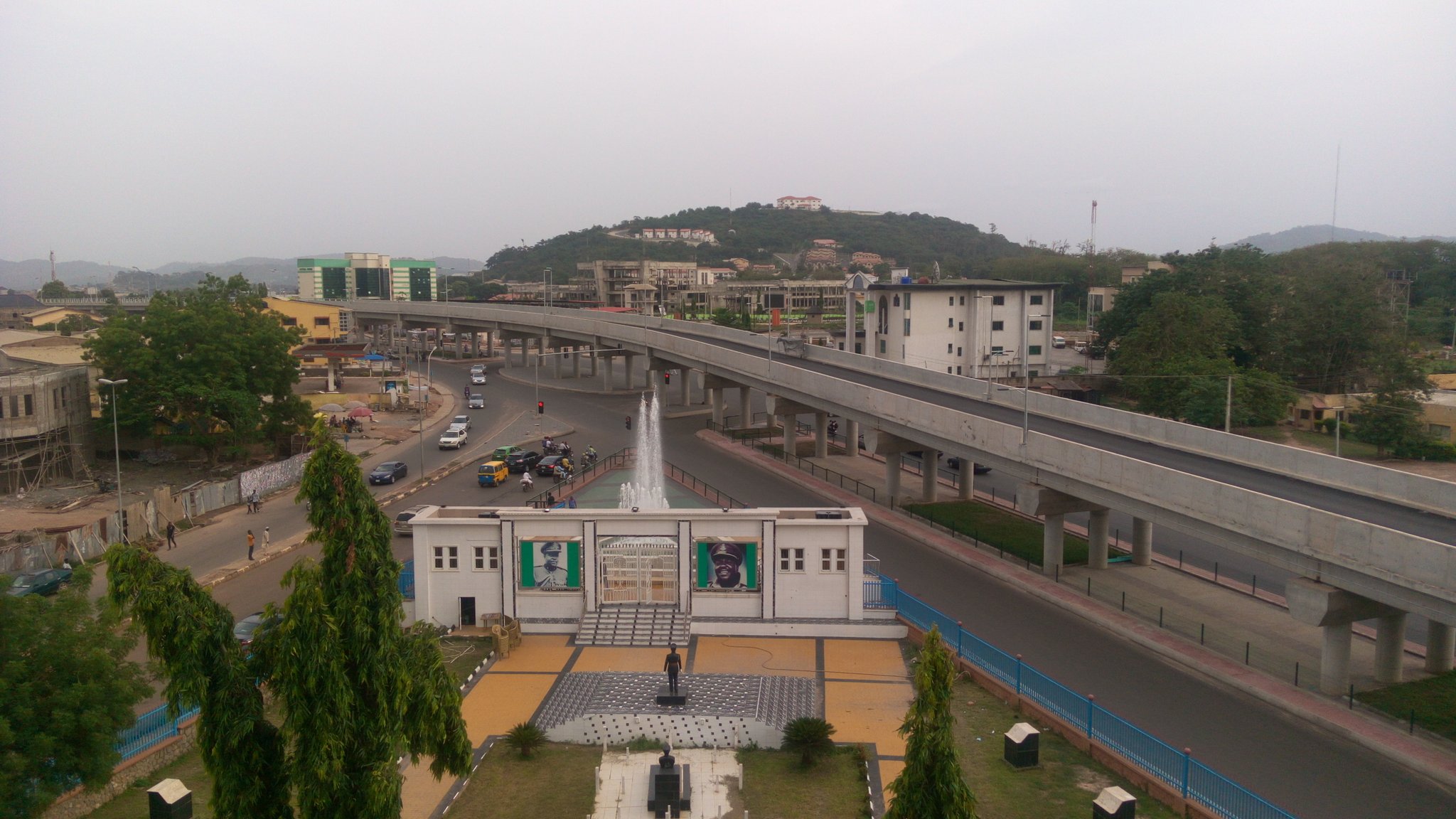
Ado-Ekiti, the capital of Ekiti State, sits at an elevation of 455 meters above sea level in Nigeria's tropical southwest. The climate is tropical, with distinct wet and dry seasons that keep the landscape green for much of the year. For expats, the popular neighborhood is GRA, a planned residential area that offers a quieter, more organized living environment compared to the city center. The expat community is very few, so newcomers should expect a more immersive local experience rather than a large international social circle.
Living costs in Ado-Ekiti are remarkably low, with a cost of living index of 25 out of 100 relative to New York City. A single adult can manage on a budget tier total of $474 per month, which includes rent, while a mid-range tier total comes to $603 per month, and a comfortable tier total is $619 per month. For housing specifically, a one-bedroom apartment in the city center rents for $150 per month, while outside the center it costs $180 per month. A three-bedroom in the city center is $320 per month, and outside the center it jumps to $643 per month. Excluding rent, a single person's monthly costs average $350, while a family of four spends about $1,000 per month. Utilities run $112 monthly, internet is $33, a mobile phone plan is just $6, and a monthly public transport pass is $66. Dining out is inexpensive: a meal at an inexpensive restaurant costs $3, a mid-range three-course meal for two is $50, and a cappuccino is $2. A gym membership is only $8 per month.
Safety in Ado-Ekiti is a relative strength, with a safety index of 65 out of 100 and a crime index of 35 out of 100, where lower is safer. This suggests a moderately safe environment, though standard precautions are always wise. Healthcare quality is rated as fair, so for serious medical needs, travelers and residents often plan for referrals to larger cities. The air quality index is 58, which is moderate, and the average internet speed is 20 Mbps, which is adequate for basic online tasks but may not satisfy heavy streaming or large downloads.
For those considering a longer stay, Nigeria offers a Retirement Visa (Retiree from Abroad) program with a minimum investment of N5B, which is a specific threshold for retirees. There is no mention of other visa categories in the available information, so prospective visitors should research current entry requirements. Getting to Ado-Ekiti typically involves flying into a major Nigerian hub and then taking a road trip, though no specific airport is named here. This city suits budget-conscious travelers, retirees looking for a low-cost, peaceful base, and those who prioritize affordability over urban amenities. Digital nomads may find the internet speed and small expat community challenging, but the low cost of living and high FIRE score of 86 out of 100 make it an attractive spot for those focused on saving and early retirement. The overall expat score is 76 out of 100, reflecting a generally positive experience for those who adapt to local life.